
Research Article 
 Creative Commons, CC-BY
Incidence and Clinical Outcomes of Ventilator- Associated Pneumonia Caused by Carbapenem- Resistant Gram-Negative Bacteria in a Tertiary Care Centre: An Ambispective Observational Study
*Corresponding author:Mukti Nath Sankhi, Nepalese Army Institute of Health Sciences, Kathmandu, Bagmati, Nepal,
Received:June 11, 2026; Published:July 07, 2026
DOI: 10.34297/AJBSR.2026.31.004054
Abstract
Background: Over the past few decades, there has been a rising prevalence of Carbapenem-resistant Gram-negative pathogens
Ventilator Associated Pneumonia (VAP), contributing to increased morbidity and mortality.
Objective: The present study was conducted to evaluate the clinical characteristics, risk factors, and outcomes associated with
carbapenem-resistant Gram-negative infections in patients with Ventilator-Associated Pneumonia (VAP).
Materials and Methodology: This ambispective observational study, included 96 diagnosed cases of VAP. Study was conducted
over a period of 1.5 years. Demographic details, relevant medical and surgical history, duration of mechanical ventilation, ICU stay,
and biochemical parameters were recorded. Microbiological analysis was performed using Kirby–Bauer disc diffusion method and
broth microdilution technique for organism identification and microbiological susceptibility testing. Patients were categorized into
carbapenem-resistant and carbapenem-sensitive groups for comparative statistical analysis. All relevant parameter were compared
between the two groups. Data analysis was performed using Microsoft Excel, IBM SPSS version 21 applying appropriate statistical
tests.
Results: Among the isolates, 38 (39.6%) exhibited carbapenem resistance, while 58 (60.4%) were carbapenem-sensitive. Overall,
a male predominance was observed accounting for 75% of the study population. No significant associations were found between
carbapenem resistance and comorbidities, ICU parameters, or severity scores. The overall mortality rate was 43.8 %, with no significant
difference between the two groups.
Conclusion: Carbapenem resistance was common among patients with VAP and was not significantly associated with most
demographic or clinical variables. However, malignancy showed a significant association with carbapenem resistance. Clinical outcomes
appeared to be influenced more by host factors, organ dysfunction, radiological extent, and severity of illness than by carbapenem
susceptibility alone.
Keywords:ventilator-associated pneumonia, carbapenem resistance, ICU infections, antimicrobial resistance mortality
Introduction
Ventilator-Associated Pneumonia (VAP) is defined as pneumonia that develops in patients receiving mechanical ventilation for more than 48 hrs. It is one of the most common healthcare-associated infections in Intensive Care Units (ICUs) and remains a major cause of morbidity, mortality, prolonged hospitalization, and increased healthcare costs. [1,2] The incidence of VAP ranges from 13 to 51 episodes per 1,000 ventilator-days, with higher rates reported in developing countries and Asian ICUs [3,4]. VAP frequently leads to prolonged mechanical ventilation, difficulty in weaning, and extended ICU stay, thereby increasing resource utilization. Delayed or inappropriate antimicrobial therapy is associated with worse clinical outcomes and increased mortality, emphasizing the need for early diagnosis and targeted treatment [5].
The most common causative organisms include Staphylococcus aureus, Pseudomonas aeruginosa, Escherichia coli, Klebsiella pneumoniae, and Acinetobacter baumannii [6,7]. Among these, carbapenem-resistant Gram-negative bacteria have emerged as a major global concern. Carbapenems are last-resort antibiotics used for severe multidrug-resistant infections; however, increasing carbapenemase production has led to rising resistance among Enterobacteriaceae, P. aeruginosa, and A. baumannii [7-9]. Indian data report carbapenem resistance rates of 12-15% among Enterobacteriaceae and 40-60% among A. baumanni and P aeruginosa [10]. The diagnosis of VAP remains challenging due to nonspecific clinical features. The IDSA/ATS guidelines recommend diagnosing VAP based on the presence of new pulmonary infiltrate with clinical evidence of infection such as fever, purulent secretions, leucocytosis, and worsening oxygenation [11]. The burden of carbapenem-resistant Gram-negative VAP varies geographically and has increased globally, complicating treatment and infection control strategies [12.13]. Therefore, this study was undertaken to evaluate the incidence and clinical outcomes of VAP caused by carbapenem-resistant Gram-negative bacteria.
Materials and Methodology
The present study was an ambispective, observational, singlecentre study conducted in a tertiary care hospital. It included patients admitted to the Intensive Care Unit (ICU) who were on mechanical ventilation and diagnosed with Ventilator-Associated Pneumonia (VAP). The study was conducted over a period of 1.5 years from the date of ethical approval, and a total of 96 patients were included.
Sample Size Estimation
To estimate the incidence of Ventilator-Associated Pneumonia (VAP) caused by carbapenem- resistance Gram-negative bacteria among VAP isolates with a 95% confidence level and 15 % relative precision, assuming a documented incidence of 38%, the minimum required sample size was calculated to be 96 VAP patient admitted to the tertiary care hospital.
Inclusion Criteria
a) All the patients fulfilling the criteria of VAP as per IDSA
guidelines were included in the study.
b) VAP was defined as: the presence of new or modifying chest
x-ray infiltrates occurring more than 48hour after initiation
of invasive mechanical ventilation with at least one of the
following:
i. Body temperature ≥38°C.
ii. Total peripheral white blood cell count ≥12,000 cells/μl or
≤4000 cells/μl and at least two of the following.
a. New onset of purulent sputum or change in the character
of sputum or increased respiratory secretions or increased
suctioning requirements.
b. New-onset or worsening cough or dyspnoea or tachypnoea.
c. Rales or bronchial breath sounds.
d. Worsening gas exchange, increased oxygen requirements or
increased ventilator demand.
Exclusion Criteria
a) Not fulfilling VAP criteria like colonizers and onset of
pneumonia less than 48 hours.
b) Non-infectious mimics such as pulmonary edema.
c) Inability or unwillingness of research participant caretaker to
give written informed consent.
d) Age<18 years.
Methodology
After enrolment, a detailed history was obtained using a prestructure proforma. Blood investigations, radiological assessment. Gram stain, and culture of respiratory secretions were performed after obtaining written informed consent from NOK of patients. All findings were recorded in in Microsoft Excel and subjected to statistical analysis.
Classifying VAP
Clinical evidence mandated at least two of the following: fever (>38 °C) or hypothermia (<36 °C), leucocytosis (>12,000/ μL) or leukopenia (<4000/μL), purulent respiratory secretions, paired with significant bacterial isolation from sterile sites (blood, bronchoalveolar lavage) or quantitative cultures from non-sterile sites (tracheal aspirates ≥105 CFU/mL). Pulmonary infections were classified as Hospital-Associated Pneumonia (HAP) when manifesting ≥48 h after admission without evidence of incubation at admission, or Ventilator-Associated Pneumonia (VAP) when occurring >48 h post-intubation with new radiographic infiltrates. All cases underwent independent validation by two intensivists, with discrepancies resolved through infectious disease consultation, ensuring rigorous diagnostic accuracy throughout the study cohort.
Antimicrobial Sensitivity
Initial screening for carbapenem resistance among gram negative cultures was performed using the Kirby–Bauer disc diffusion method with imipenem (10 μg) and meropenem (10 μg) discs. Minimum Inhibitory Concentrations (MICs) were determined by broth microdilution, and results were interpreted according to Clinical and Laboratory Standards Institute (CLSI) 2024 guidelines. Isolates resistant to either imipenem or meropenem were classified as carbapenem-resistant.
Statistical Tests
Data were analysed using IBM SPSS version 21 and Microsoft Excel 2021 (Microsoft Corporation, Redmond, WA, USA). Categorical variables are presented as frequencies and percentages. Continuous variables are in presented as mean ± standard deviation or median with interquartile range/minimum–maximum, as appropriate. The Chi-square test was used to assess associations between categorical variables. Normality of continuous variables was assessed using the Shapiro–Wilk test and Q–Q plots. Normally distributed variables were compared using the independent t-test, whereas non-normally distributed variables were compared using the Mann–Whitney U test. A p-value less than or equal to 0.05 was considered statistically significant.
Results
Out of the 96 patients included in the study, 58 (60.41%) had carbapenem-sensitive isolates and the rest 38 (39.59%) had carbapenem-resistant isolates. All the recorded parameters were compared between the carbapenem-resistant and carbapenemsensitive groups using the above-mentioned statistical tests to meet the study objectives. The obtained results are presented as tables and graphs (Table 1). Patients in the carbapenem-resistant group had a slightly lower mean age compared to the sensitive group (56.13 ± 18.12 years versus 61.15 ± 16.26 years) with no statistically significant difference (p=0.170). Gender distribution reflected male predominance but had no statistical significance (p=0.092) (Table 2). Among comorbidities, diabetes and hypertension were most common in both groups. The proportion of malignancy in resistant group was significantly higher than in sensitive group. Immune surveillance was noted in only 3.1% of the total population, with 2.6% in the resistant group and 3.4% in the sensitive group (p=0.822) (Table 3). Acinetobacter baumannii and Klebsiella pneumonia were the most common organisms isolated across both carbapenem resistant and sensitive groups with the prevalence of 42.1% and 37.9%, respectively (Table 4).
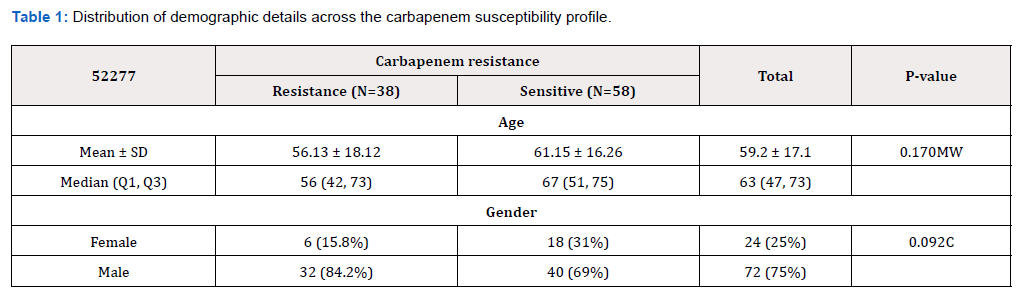
Table 1:Distribution of demographic details across the carbapenem susceptibility profile.
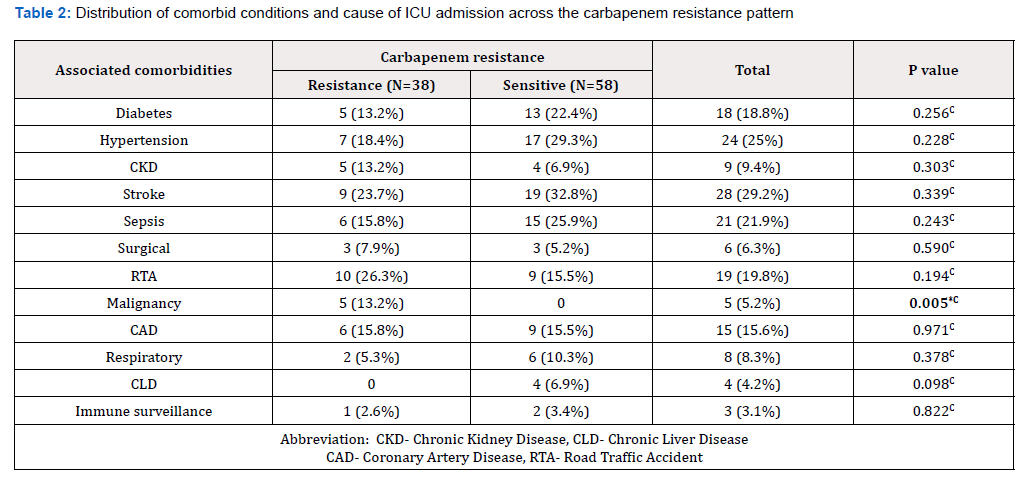
Table 2:Distribution of comorbid conditions and cause of ICU admission across the carbapenem resistance pattern.
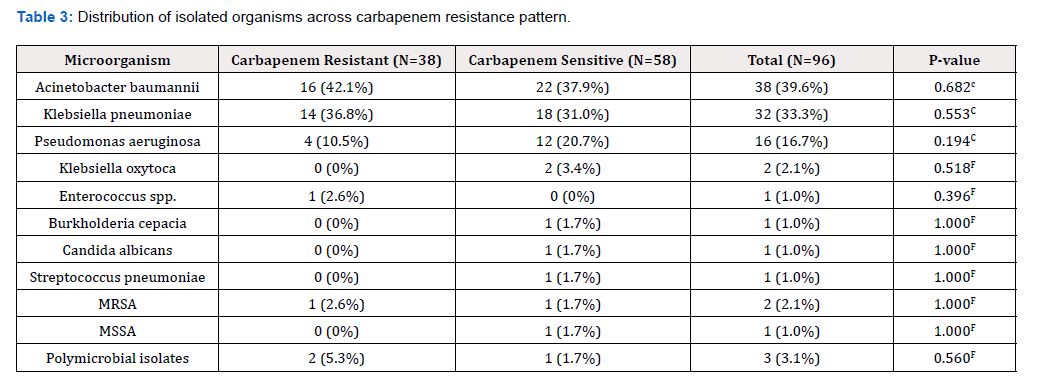
Table 3:Distribution of isolated organisms across carbapenem resistance pattern.
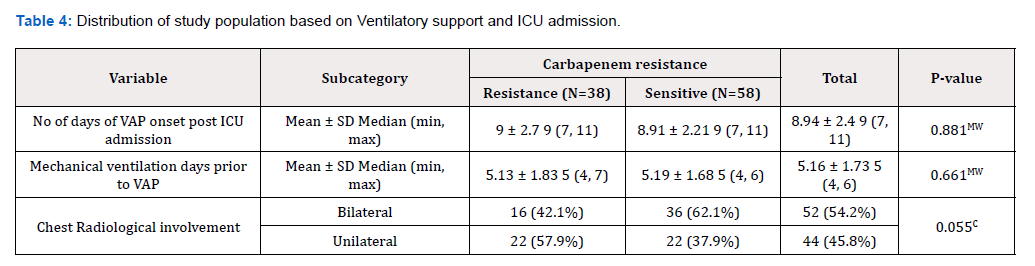
Table 4:Distribution of study population based on Ventilatory support and ICU admission.
The mean duration for onset of VAP post ICU admission was comparable between groups, while the radiological involvement showed a higher proportion of bilateral involvement in the sensitive group (62.1%) compared to resistant (42.1%), approaching statistical significance (p=0.055) (Figure 1) (Figure 2) (Table 5). Severity scores were similar between groups. The mean SAPS II score was 52.99 ± 15.8 overall, with slightly lower values in resistant patients (51.76 ± 17.6) compared to sensitive patients (53.78 ± 14.6), without statistical significance (p=0.310). SOFA scores also showed no significant difference (resistant: 8.31 ± 3.95; sensitive: 9.77 ± 7.4; p=0.792) (Figure 3). 42 patients died, 15 (39.5%) had carbapenem resistance isolates and 27 (46.6%) were noted to be infected with carbapenem sensitive organisms. There was no significant mortality difference between the two groups (Table 6). The mean age among deceased patients was higher (61.6 ± 16.63 years; median: 68 [50–75]) compared to survivors (57.3 ± 17.4 years; median: 57 [46–70.75]), though not statistically significant (p=0.219). Gender distribution was similar across outcomes (p=0.812). Among comorbidities, CKD showed a strong association with mortality, present in 21.4% of deaths and absent among survivors (p<0.001). CLD was also significantly associated with mortality (9.5% in deaths vs 0% in survivors; p=0.021). Sepsis (31% vs 14.8%; p=0.058) and RTA (11.9% vs 25.9%; p=0.087) showed trends but did not reach statistical significance. Immune surveillance status remained comparable (p=0.416) (Table 7). ICU variables showed that the timing of VAP onset and duration of ventilation were similar between deceased and surviving patients (p=0.988 and p=0.778, respectively).

Figure 1: Distribution of mean and standard duration of VAP onset and duration (days) of ventilation.

Figure 2: Distribution of study population based on the chest radiography lung field involvement.

Figure 3: Distribution of mortality across the carbapenem resistance status.

Table 5:Distribution of average ICU severity score across resistance pattern.
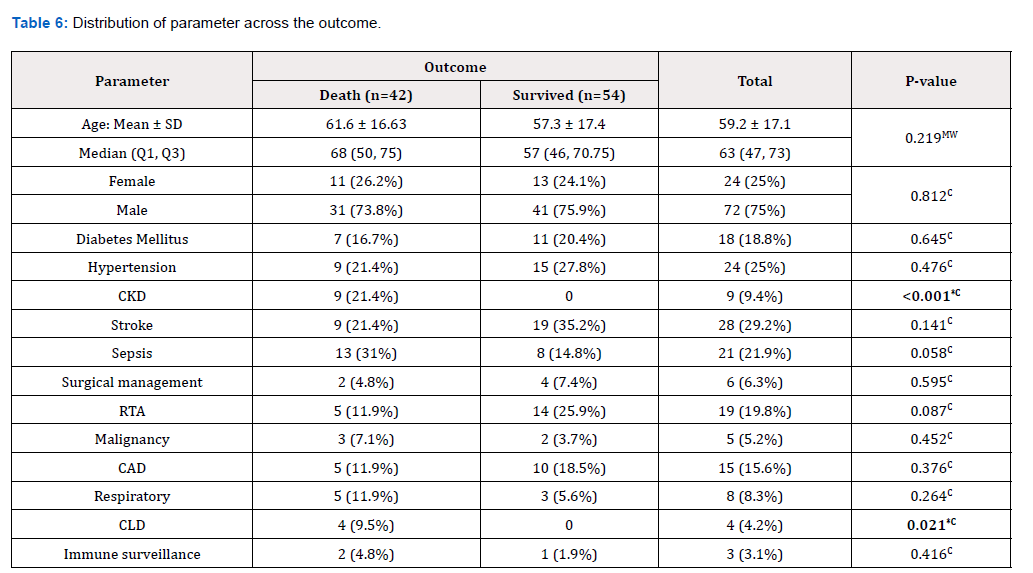
Table 6:Distribution of parameter across the outcome.
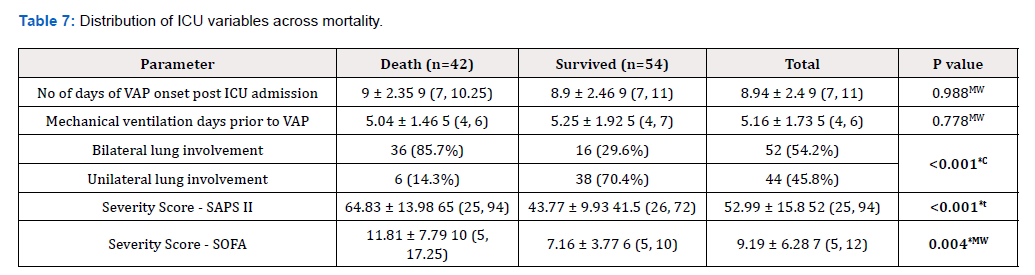
Table 7:Distribution of ICU variables across mortality.
However, bilateral lung involvement was significantly associated with mortality, seen in 85.7% of deaths compared to only 29.6% of survivors (p<0.001). Severity scores were markedly higher among deceased patients, with SAPS II scores averaging 64.83 ± 13.98 compared to 43.77 ± 9.93 in survivors (p<0.001). Similarly, SOFA scores were significantly elevated in deaths (11.81 ± 7.79 vs 7.16 ± 3.77; p=0.004) (Table 8). Binary logistic regression analysis was performed to evaluate the association between carbapenem resistance and various demographic, clinical, and ICU-related parameters. None of the evaluated variables emerged as an independent predictor of carbapenem resistance (Table 9). Binary logistic regression analysis identified. CKD, CLD, bilateral radiological involvement, SAPS II and SOFA were observed to have significant positive association.
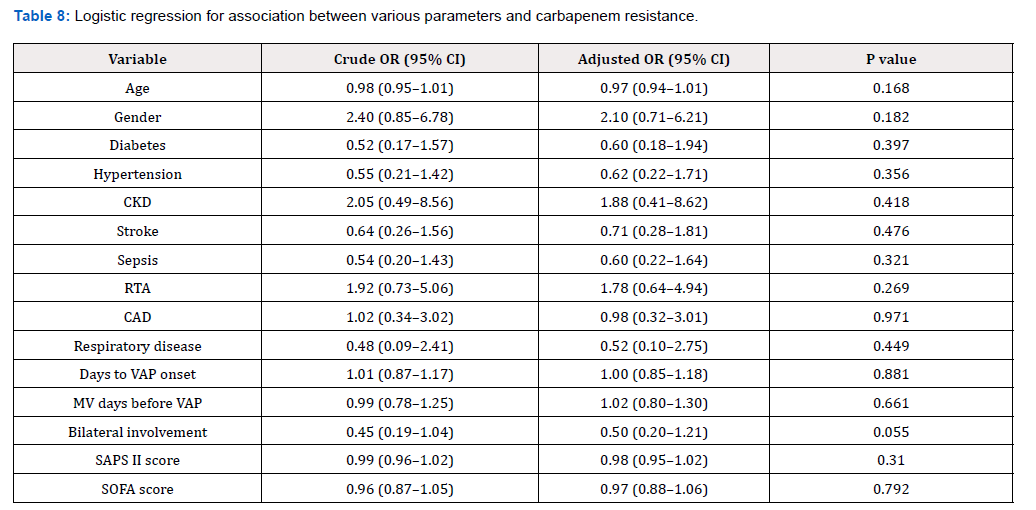
Table 8:Logistic regression for association between various parameters and carbapenem resistance.
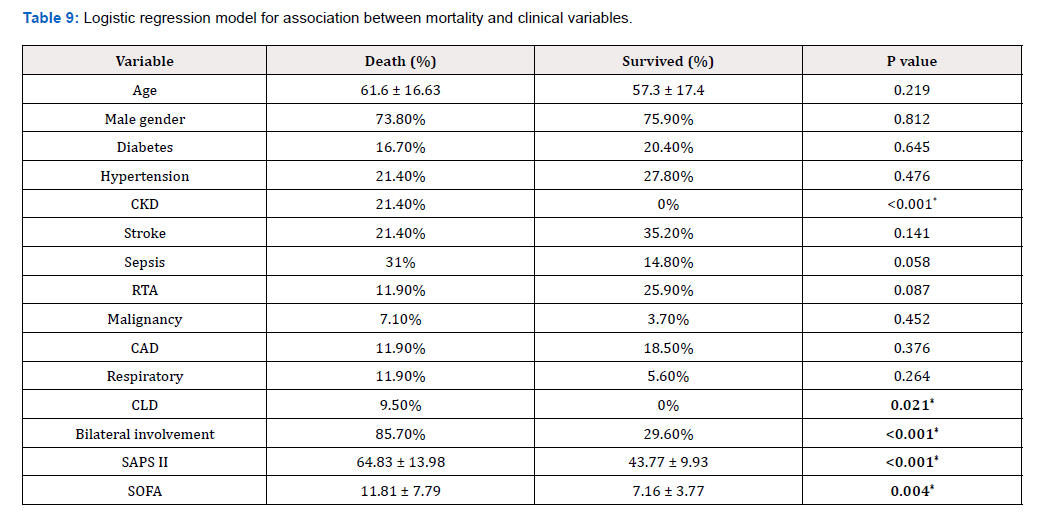
Table 9:Logistic regression model for association between mortality and clinical variables.
Discussion
The occurrence of Ventilator-Associated Pneumonia (VAP) due to Carbapenem-Resistant Gram-Negative Bacteria (CR-GNB) represents a major challenge in intensive care units worldwide. The rising prevalence of antimicrobial resistance has not only limited therapeutic options but also complicated clinical management and outcome prediction in critically ill patients [7,10]. The present study was conducted to estimate the prevalence of carbapenem resistance among patients diagnosed with VAP in a tertiary care centre within our epidemiological setting and to analyse the associated factors influencing clinical outcomes.
Incidence of Carbapenem Resistance in Ventilator- Associated Pneumonia
In the present study, carbapenem resistance was observed in 38 (39.6%) patients diagnosed with VAP. A diverse spectrum of microorganisms was identified with Acinetobacter baumannii being the most frequently isolated pathogen (39.6%) isolated, followed by Klebsiella pneumoniae (33.3%) and Pseudomonas aeruginosa (16.7%). Together, these organisms accounted for nearly 90% of all isolates, highlighting the dominance of nonfermenting Gram-negative bacilli and Enterobacterales in ICUacquired respiratory infection. Although intergroup differences were not statistically significant, the distribution underscores the high burden of multidrug-resistant organism in critically ill patients. Our findings are comparable with those of Mohamed A et al. who reported 76% of VAP cases were caused by Gram negative organisms, with Klebsiella pneumoniae, Pseudomonas aeruginosa and E. coli being predominant. Notably, 94.7% of the isolates in their study were carbapenemase resistant [14] Similarly, Hegazy EE et al. identified Klebsiella pneumoniae, Acinetobacter baumannii and Pseudomonas aeruginosa as the leading pathogens, accounting for 34.9%, 20.5% and 18.1% respectively [15]. Saleem M et al. also reported prevalence a VAP prevalence of 43% with Klebsiella pneumoniae being the most frequently resistant isolate [16].
The sporadic isolation of Gram-positive organisms including MRSA (2.1%), MSSA, Enterococcus species and Streptococcus pneumoniae (1% each) of our patients, reflects the predominant Gram-negative etiology in late-onset VAP, with limited polymicrobial infections. However, the presence of MRSA across both resistant and sensitive groups emphasizes the need of continued surveillance, as Staphylococcal VAP is associated with significant morbidity and often requires glycopeptide or lipopeptide therapy [17]. Gong Y et al. reported carbapenem resistance rates ranging from 16% to 51.4% among immunocompromised ICU patients, which are comparable to and in some settings higher than, our findings [18]. Abedi H et al. observed CR-GNB as the most common pathogen among elderly ICU patients (mean age 67.5 ± 16.9 years), with a mortality rate of 71.4%, highlighting the severity of infection in high-risk populations [19]. Gurjar M, et al. demonstrated a high burden of Acinetobacter baumannii -associated VAP in Indian ICUs, reinforcing the endemic nature of the pathogen. Across studies, carbapenem resistance in VAP ranges between 31% and 61%, reflecting variability due to institutional practices, patient populations, and diagnostic methodologies [16-21].
Demographic Details and Resistance Pattern
In our study, patients with carbapenem-resistant infections had a slightly lower mean age (56.13 ± 18.12 years) compared to those with sensitive isolates (61.15 ± 16.26 years), though this difference was not statistically significant (p=0.170). This is consistent with Mohamed A et al., who reported a similar mean age of 56 ± 17.5 years [14]. Hegazy et al. also observed comparable findings with comparable mean age 59 ± 17.3 years, with no significant difference between resistant and sensitive groups [15]. Gurja, et al. reported a lower mean age (IQR 32-63 years), although resistance association was not analysed [20]. Male predominance was observed in our study (75%), consistent across both resistant (84.2%) and sensitive (69%) groups, though not statistically significant (p=0.092). Similar trend has been widely reported in ICU studies. Saleem M et al documented that 72.4% of ICU infections occurred in males [16]. This may reflect higher exposure to risk factors such as smoking, chronic respiratory disease, occupational hazards, and increased ICU admissions among male in our population.
Comorbidities and Risk Factors
Diabetes mellitus (18.8%), hypertension (25%), and stroke (29.2%) were the most common comorbidities in our cohort. However, no significant association was observed between these conditions and carbapenem resistance, Malignancy was significantly more frequent in carbapenem-resistant cases (13.2%; p=0.005). Gong et al. similarly identified malignancy an independent predictor of CR-GNB resistance (OR=2.38; p=0.036) [18]. Hegazy EE et al. reported higher rates of trauma, ischemic injury, and diabetes reflecting variability in ICU population [15]. In contrast, Abedi H et al. and Mohamed A et al. did not find a significant association between malignancy and resistance [14,19]. These differences likely reflect heterogeneity in the study design and patient selection.
Ventilatory Parameters and Status of Resistance
The mean time to VAP onset was similar between carbapenemresistant (9 ± 2.7 days) and (8.91 ± 2.21 days), with no significant difference (p=0.881). Duration of mechanical ventilation prior to VAP was also comparable (5.13 ± 1.83 vs 5.19 ± 1.68 days; p=0.661). These findings align with Hegazy EE et al., who reported a mean VAP onset of approximately 10 days [15]. Patel SK, et al. demonstrated longer ICU stay and ventilation duration in resistant cases, although their findings were specific to Pseudomonas aeruginosa VAP [21]. Gurjar M et al. also reported prolonged ICU stays in CR cases [20]. The similarity in timing between groups in our study suggest that resistance is more closely related to microbial ecology and prior antibiotic exposure rather than ventilation duration alone. Prolonged mechanical ventilation remains a universal risk factor for VAP, typically beyond 5-7 days, regardless of resistance status.
Radiological Observations and Association with Carbapenem Resistance
Bilateral pulmonary infiltrates were more frequent in sensitive cases (62.1%) compared to resistant cases (42.1%), however, this differences did not reach statistical significance (p=0.055). Conversely, unilateral involvement was more common in resistant infections. Bilateral involvement was associated with higher mortality, indicating that radiological severity plays a crucial role in prognosis.
ICU Indicators and Association with Carbapenem Resistance
SAPS II and SOFA scores were comparable between groups, though slightly higher in the carbapenem-sensitive group. This may partly explain the paradoxically higher mortality observed in this group. Abedi H et al. did not use severity scoring systems for correlation, while Gong Y et al. reported no significant association between clinical severity markers and resistance [18,19]. These differences may reflect variations in ICU protocols, referral patterns, and early intervention strategies. Differences may reflect variations in ICU protocols and early intervention strategies.
Clinical Outcome and Associated Indicators
Overall mortality in the current study was 43.8%, with higher mortality observed in the carbapenem-sensitive group. This contrasts with several studies linking resistance with worse outcomes, but aligns with emerging evidence suggesting that host severity at infection onset may be more important than resistance alone. Mohamed A et al. reported higher mortality in CR-GNB infections (57.9% vs 36.4%) [14]. Gurjar M et al. also reported mortality around 46% in CR VAP cases [20]. Lower SAPS II and SOFA scores in the resistant group in our study may explain improved survival, suggesting that baseline physiological status influences outcomes more than antimicrobial susceptibility alone. Regression analysis identified bilateral lung involvement, CKD, CLD, SAPS II score, and SOFA score as independent predictors of mortality. Bilateral infiltrates were strongly associated with death (85.7% vs 29.6%, p<0.001), with an adjusted odds ratio of 12.8. Similar findings have been reported by Gurjar M et al. where disease severity significantly influenced mortality [20]. Patel SK et al. reported higher APACHE II scores in resistant infections, indicating worse physiological status [20]. Gong Y et al reported median SOFA of 8 but did not correlate them with resistance patterns [18]. CKD (p<0.001) and CLD (p 0.021) were significant predictors of mortality, highlighting the role of pre-existing organ dysfunction on poor outcomes. Abedi H et al similarly identified malignancy and prolonged hospitalization as predictors of adverse outcomes [19].
Strength of the Study
a) The ambispective observational design enabled systematic
data collection from both prospective and retrospective
components, thereby improving the completeness and
accuracy of clinical and microbiological parameters.
b) The study followed IDSA/ATS diagnostic criteria and
incorporated clinical, radiological, and microbiological
evidence, along with independent validation by intensivists.
This reduced the misclassification bias and strengthened the
internal validity.
c) Comparative analysis between carbapenem-resistant and
carbapenem-sensitive groups within the same cohort
minimized the confounding variables related to institutional
practices, antibiotic policies, and ICU environment, which are
often limitations in multi-centre studies.
Limitations of the Study
a) The study had a relatively small sample size and was
conducted at a single centre, which may limit generalizability
to other geographic and epidemiological settings and reduce
the statistical power for subgroup analyses.
b) Molecular characterization of resistance mechanisms was not
performed, limiting understanding of the underlying genetic
drivers of carbapenem resistance.
c) Detailed data on prior antibiotic exposure were not available for
all patients; inclusion of this variable could have strengthened
the analysis of resistance determinants and outcomes.
d) The higher mortality in the carbapenem-sensitive group might
have been due to the unmeasured confounders.
Conclusion
Carbapenem-resistant Gram-negative bacteria constitute a substantial proportion of pathogens causing ventilator-associated pneumonia (VAP), with Acinetobacter baumannii remaining the predominant organism, followed by Klebsiella pneumoniae and Pseudomonas aeruginosa. Malignancy was significantly associated with carbapenem resistance, whereas most other comorbidities and ICU-related variables did not demonstrate a significant relationship with resistance. Chronic kidney disease, chronic liver disease, bilateral radiological involvement, SAPS II score, and SOFA score were significant predictors of mortality. The unexpectedly higher mortality observed among patients with carbapenem-sensitive infections suggests that clinical outcomes in VAP are determined not only by antimicrobial resistance but also by underlying host factors, organ dysfunction, radiological disease extent, and the severity of illness. These findings underscore the multifactorial nature of ICU mortality and highlight the importance of early risk stratification, judicious antimicrobial stewardship, and comprehensive patient management. Further multicentre studies with larger sample sizes are warranted to better delineate determinants of resistance and mortality and to optimize management strategies for patients with VAP.
Human Ethics
All procedures performed in studies involving human participants were in accordance with the institutional review committee and with the 1964 Helsinki declaration and its later amendments.
Ethical Approval
Ethical approval for the study was obtained from Institutional Review Committee.
Consent to Participate
Written informed consent was obtained from each participant.
Clinical Trial Number
Not applicable.
Availability of Data and Materials
The datasets used and/or analysed during the current study are available from the corresponding author on reasonable request.
Conflict Of Interest
The authors declare that they have no competing interests.
Funding
No source of funding to declare.
Acknowledgement
None.
References
- Chawla R (2008) Epidemiology, etiology, and diagnosis of hospital-acquired pneumonia and ventilator-associated pneumonia in Asian countries. Am J Infect Control 36(4 Suppl): S93-100.
- Mathai AS, Phillips A, Isaac R (2016) Ventilator-associated pneumonia: A persistent healthcare problem in Indian Intensive Care Units! Lung India 33(5): 512-6.
- Patil HV, Patil VC (2017) Incidence, bacteriology, and clinical outcome of ventilator-associated pneumonia at tertiary care hospital. J Nat Sci Biol Med 8(1): 46-55.
- Rosenthal VD, Maki DG, Jamulitrat S, Medeiros EA, Todi SK, et al. (2010) International Nosocomial Infection Control Consortium (INICC) report, data summary for 2003-2008, issued June 2009. Am J Infect Control 38(2): 95-104.e2.
- Wu D, Wu C, Zhang S, Zhong Y (2019) Risk Factors of Ventilator-Associated Pneumonia in Critically III Patients. Front Pharmacol 10: 482.
- Koenig SM, Truwit JD (2006) Ventilator-associated pneumonia: diagnosis, treatment, and prevention. Clin Microbiol Rev 19(4): 637-57.
- Kumar AV, Pillai VS, Dinesh KR, Karim S (2011) The phenotypic detection of Carbapenemase in meropenem resistant Acinetobacter calcoaceticus baumannii complex in a tertiary care hospital in south India. J Clin and Diag Res 5: 223-6.
- Thakuria B, Singh P, Agrawal S, Asthana V (2013) Profile of infective microorganisms causing ventilator-associated pneumonia: A clinical study from resource limited intensive care unit. J Anaesthesiol Clin Pharmacol 29(3) :361-6.
- Peleg AY, Seifert H, Paterson DL (2008) Acinetobacter baumannii: emergence of a successful pathogen. Clinical microbiology reviews 21(3): 538-82.
- Verma G, Nayak SR, Jena S, Pattnaik D, Praharaj AK (2023) Prevalence of carbapenem-resistant enterobacterales, acinetobacte r baumannii, and pseudomonas aeruginosa in a tertiary care hospital in Eastern India: A pilot study. J Pure Appl Microbiol 17(4): 2243-9.
- Kalil AC, Metersky ML, Klompas M, Muscedere J, Sweeney DA, et al. (2016) Management of Adults with Hospital-acquired and Ventilator-associated Pneumonia: 2016 Clinical Practice Guidelines by the Infectious Diseases Society of America and the American Thoracic Society. Clin Infect Dis 63(5): e61-e111.
- Li Y, Robert JA, Walker MW, Aslan AT, Harris PNA, et al. (2024) The global epidemiology of ventilator-associated pneumonia caused by multi-drug-resistant Pseudomonas aeruginosa: A systematic review and meta-analysis. Int J Infectious dis 139 (1): 78 - 85.
- Cillóniz C, Dominedò C, Torres A (2019) An overview of guidelines for the management of hospital-acquired and ventilator-associated pneumonia caused by multidrug-resistant Gram-negative bacteria. Curr Opin Infect Dis 32(6): 656-662.
- Mohamed A, Daef E, Nafie A, Shaban L, Ibrahim M, et al. (2021) Characteristics of Carbapenem-Resistant Gram-Negative Bacilli in Patients with Ventilator-Associated Pneumonia. Antibiotics 10(11): 1325.
- Hegazy EE, Bahey MG, Abo Hagar AM, Elkholy AA, Mohamed EA, et al. (2022) Carbapenem-Resistant Gram-Negative Bacilli Causing Ventilator Associated Pneumonia: Study of MASTDISCS Combi Carba Plus for Detection of Carbapenemase Producing Enterobacterales. Infect Drug Resist 15: 6331-6342.
- Saleem M, Syed Khaja AS, Hossain A, Alenazi F, Said KB, et al. (2023) Pathogen burden among ICU patients in a tertiary care hospital in hail Saudi Arabia with particular reference to β-lactamases profile. Infection and Drug Resistance 31: 769-78.
- Ng TH, Zhao JJ, Gumbleton R, Olson S, Smith S, et al. (2024) Treatment Outcomes for Carbapenem-Resistant and Cephalosporin-Susceptible Pseudomonas aeruginosa Pneumonia. Annals of Pharmacotherapy 58(6): 581-588.
- Gong Y, Shi Y, Ba J, Lin Y, Zhang J, et al. (2026) Clinical Characteristics and Outcomes of Carbapenem-Resistant Gram-Negative Bacteria Pneumonia in Immunocompromised ICU Patients: A Retrospective Study. Infect Drug Resist 19: 569133.
- Abedi H, Gavarti SG, Siavash M, Akbari M, Solgi H, et al. (2025) Clinical characteristics, antimicrobial therapy and outcomes of patients with carbapenem-resistant gram-negative bacterial infections: A retrospective study in an Iranian teaching hospital. Heliyon 11(15).
- Gurjar M, Saigal S, Baronia AK, Rao BP, Azim A, et al. (2013) Carbapenem-resistant Acinetobacter ventilator-associated pneumonia: clinical characteristics and outcome. Indian Journal of Critical Care Medicine: Peer-Reviewed, Official Publication of Indian Society of Critical Care Medicine 17(3): 129-34.
- Pickens CI, Wunderink RG (2022) Methicillin-resistant Staphylococcus aureus hospital-acquired pneumonia/ventilator-associated pneumonia. In Seminars in respiratory and critical care medicine 43(2): 304-309.




 We use cookies to ensure you get the best experience on our website.