
Research Article 
 Creative Commons, CC-BY
Fuel Price Inflation, Healthcare Access, and System Fragility During the 2026 Conflict-Driven Energy Crisis in Islamabad: A Cross-Sectional Study
*Corresponding author:Dr. Tayyaba Masood, Department of Public Health, Shaheed Zulfiqar Ali Bhutto Medical University, Islamabad, Pakistan.
Received:May 25, 2026; Published:June 02, 2026
DOI: 10.34297/AJBSR.2026.31.004030
Abstract
Background: The 2026 conflict-driven energy crisis caused significant fuel price increases in import-dependent nations like Pakistan, disrupted the stability of the world oil market, and intensified geopolitical unrest near the Strait of Hormuz. Because healthcare delivery depends on electricity, transportation, drug supply chains, cold storage systems, and emergency logistics, healthcare systems are especially susceptible to energy shocks. High out-of-pocket medical expenses and transportation-related medical costs may make Pakistan more susceptible to disruptions in healthcare access during fuel crisis.
Methods: During the 2026 energy crisis, 400 healthcare users in Islamabad participated in a cross-sectional analytical study. A standardized questionnaire measuring transportation burden, healthcare utilization, delayed care, missed appointments, medication availability, and perceived service interruption was used to gather data. Descriptive statistics, chi-square analysis, paired t-tests, Analysis of Variance (ANOVA) and multivariable logistic regression were among the statistical techniques used to find predictors of severe perceived service impact.
Results: During the crisis era, the mean transit cost increased by 50.53%, from PKR 3,586.88 to PKR 5,510.61 (p<0.001). The mean out-of-pocket healthcare spending increased by PKR 3,862.52, and the mean journey time increased significantly from 30.93 to 44.48 minutes (p<0.001). 59.0% of respondents experienced delayed care, 36.8% reported fewer medical visits, 30.0% reported missing appointments, 27.5% reported medication stockouts, and 13.5% reported generator or power outages. Low income, missed appointments, delayed care, transportation stress, and increased out-of-pocket medical costs were all substantially correlated with severe perceived service impact.
Conclusion: The 2026 energy crisis served as a health-system instability event as well as a shock to healthcare access. The results show that, especially among socioeconomically vulnerable people, fuel price inflation was linked to significant disruptions in healthcare accessibility, continuity of care, and service resilience. Future energy-related public health catastrophes may be better prepared for by bolstering transportation support systems, decentralized healthcare delivery, and energy-resilient health infrastructure.
Keywords:Healthcare Access, Energy Crisis, Fuel Price Inflation, Health System Fragility, Delayed Care, Transport Burden, Public Health, Pakistan
Introduction
Beyond the military and diplomatic spheres, the conflict-driven energy crisis between the US and Iran in 2026 severely disrupted the stability of the world oil market and led to widespread increases in fuel prices, inflationary pressures, and energy insecurity in economies that rely on imports [1,2]. Concerns over global energy security and market volatility were exacerbated by the instability around the Strait of Hormuz, which passes through about onefifth of the world’s supply of oil and liquefied natural gas [2,3]. As a result, domestic fuel prices and transportation expenses quickly increased in nations like Pakistan that rely significantly on imported petroleum products [1]. According to Reuters, during the crisis, petrol prices in Pakistan rose to PKR 458.40 per litre and diesel prices to PKR 520.35 per litre, indicating the direct impact of international geopolitical turmoil on domestic economic systems [1].
Because modern healthcare delivery is heavily reliant on transportation networks, electricity supply, drug distribution systems, cold-chain infrastructure, diagnostics, and emergency logistics, energy insecurity has significant ramifications for healthcare systems [4,5]. By raising operating costs, upsetting drug supply chains, decreasing mobility, and postponing access to healthcare services, rising fuel prices can have an impact on both patients and healthcare institutions [6]. Reliable power is a necessity for safe and efficient healthcare delivery, according to the World Health Organization. This is especially true to emergency treatment, maternity services, oxygen delivery systems, vaccine preservation, and laboratory diagnostics [4]. Healthcare institutions that service around one billion people worldwide lack dependable access to electricity, underscoring the susceptibility of health systems to energy-related disturbances [5]. Additionally, prior research has shown that power outages and energy instability may lead to treatment delays, lower healthcare usage, disruptions in the management of chronic illnesses, and a decline in quality of healthcare, especially in low-resource settings [6,7].Because healthcare access is frequently directly correlated with household financial capacity and transportation cost, lowand middle-income nations are particularly vulnerable to the health effects of fuel inflation [8]. In Pakistan, households have a significant financial burden during times of inflation and economic instability due to the high reliance on out-of-pocket expenses for healthcare finance [9]. Pakistan’s National Health Accounts show that transportation-related costs account for 7.71% of healthcare access costs, while out-of-pocket charges make for roughly 52.6% of total health expenditures [9]. Fuel price rise may therefore have a disproportionately negative impact on low-income persons’ access to healthcare, given they already face financial obstacles when seeking care [10].
Islamabad nevertheless has significant structural and healthcare-access issues despite being the nation’s capital and having a comparatively superior healthcare system than other parts of Pakistan. These include inequities in healthcare accessibility among low-income and peri-urban populations, workforce shortages, infrastructure limitations, and restrictions on primary healthcare coverage [11]. Overcrowding, medication shortages, and resource constraints are major operational challenges for public healthcare facilities in particular [11,12]. Energy-related disturbances could worsen already-existing disparities in healthcare access, continuity of care, and resilience of the health system under such circumstances.
Transportation barriers, supply-chain disruption, and decreased service continuity are some of the theoretical paths that have been developed in the literature to link energy instability to healthcare system vulnerability [6,7,13]. However, there is still a dearth of empirical data analysing how fuel inflation caused by conflict affects healthcare access and service disruption at the patient level in Pakistan. Specifically, during times of geopolitical instability, few research has statistically evaluated the effects of quick rises in fuel prices on transport burden, healthcare utilization, delayed care, and perceived interruption of healthcare services among urban populations. Thus, the purpose of this study was to evaluate how the conflict-driven energy crisis of 2026 affected healthcare access, transportation costs, and the fragility of the health system among patients in Islamabad, Pakistan.
There is little empirical data on how conflict-driven fuel inflation impacts healthcare accessibility and utilization in Pakistan, despite the growing acknowledgment of the connection between energy insecurity and health-system resilience [7,13]. Specifically, there is still a lack of patient-level data on how fuelrelated transportation costs affect missed appointments, delayed care, perceived service interruption, and healthcare continuity in urban healthcare settings. Fuel inflation may disproportionately affect socioeconomically deprived groups and exacerbate alreadyexisting healthcare disparities given Pakistan’s heavy reliance on out-of-pocket medical expenses and transportation-dependent healthcare access pathways [9,10].
Islamabad’s relatively sophisticated healthcare infrastructure coexists with enduring issues with affordability, healthcare accessibility, and system coordination, making it a crucial urban setting for studying healthcare fragility during times of geopolitical and economic instability [11]. Fuel price increases could significantly lower accessibility, efficiency, continuity of service, and equity in healthcare delivery in such circumstances, although they might not totally disrupt healthcare availability.
Thus, the purpose of this study was to investigate how transportation burden, healthcare accessibility, delayed care, healthcare utilization, and perceived interruption of healthcare services among healthcare consumers in Islamabad are affected by fuel price rises caused by conflict. To interpret the results within a framework for public health resilience, the study also attempted to analyse the differential impact across healthcare facility types and income categories [14-17].
Methodology
Study Design and Setting
To evaluate the effects of the 2026 conflict-driven energy crisis on healthcare service delivery and accessibility in Islamabad, Pakistan, this study used a cross-sectional analytical design. The study was carried out between March and April 2026, when fuel prices increased due to the US-Iran geopolitical crisis. This had a significant impact on healthcare accessibility, transportation expenses, and mobility nationwide.
Because Islamabad is a significant metropolitan healthcare hub with both public and private healthcare systems, it was chosen as the study location. The city nevertheless has inequalities in healthcare accessibility, price, and service coordination, especially among lowincome and per-urban communities, while having comparatively sophisticated healthcare infrastructure when compared to other parts of Pakistan. Because of these features, Islamabad is a crucial location for studying the vulnerability of the healthcare system during times of economic and energy-related crisis.
Study Population and Sampling
The study population was people who accessed medical attention in Islamabad amid the fuel crisis. To document differences in healthcare accessibility, affordability, transportation burden, and healthcare-service experience throughout the crisis, participants included both public and private healthcare facility users.
The study included 400 participants in total. The sample size was deemed sufficient for doing multivariable regression analysis and for finding statistically significant relationships in crosssectional analysis.
A non-probability convenience sampling method was used to
choose participants based on their availability and willingness to
take part during the crisis. Data was collected from:
a) Private healthcare facilities
b) Public healthcare facilities
c) Outpatient departments
d) Community settings
Convenience sampling is seen to be suitable for exploratory public health research carried out in quickly changing crisis situations where prompt data collection is crucial, even though it may restrict the generalizability of findings.
Data Collection Tool and Procedure
A systematic self-developed questionnaire created especially
for this study based on a thorough analysis of pertinent literature
and the study’s goals was used to collect data. The questionnaire
was pre-tested on a small sample before final data collection to
assess its comprehensibility, relevance, clarity, and consistency.
The instrument’s quality and dependability were then enhanced by
incorporating the necessary changes. The questionnaire consisted
of the following sections:
a) Sociodemographic characteristics
b) Transport cost and travel time before and during the crisis
c) Healthcare utilization patterns
d) Healthcare-access disruptions
e) Perceived healthcare-service impact
To compare transportation burden and healthcare accessibility characteristics among subjects, participants were asked to describe their experiences both before and during the fuel crisis.
Sample Size and Sampling Technique
The survey included 400 respondents in total. The sample
size was deemed sufficient for doing multivariate regression and
identifying statistically significant relationships in cross-sectional
analysis.
A non-probability convenience sampling method was used to
choose participants based on their availability and desire to take
part. Information was gathered from:
a) Departments of outpatient care
b) Medical facilities, both public and private
c) Community settings
Convenience sampling is suitable for exploratory public
health research in crisis situations where quick data collection is
necessary, even if it may restrict generalizability.
Data Collection Tool and Procedure
A self-developed structured questionnaire created especially
for this study based on a thorough literature analysis and study
objectives was used to collect data. Before the final data collection,
the questionnaire was pre-tested on a small sample to make sure
it was clear, relevant, and consistent. Any necessary changes were
then made. The following sections were part of the questionnaire:
a) Sociodemographic characteristics
b) Healthcare utilization patterns
c) Transport cost and travel time (both prior to and during
the crisis)
d) Healthcare access disruptions
e) Perceived services impact
To enable within- subject comparison, participants were asked
to recollect their experiences both prior to and after the fuel crisis.
Direct interviews were used to collect data, ensuring that the
responses were clear and comprehensive.
The research team conducted direct, in-person interviews to gather data and make sure the response was clear, consistent, and comprehensive.
Study Variables
Dependent Variable: Perceived healthcare-service impact was
the main dependent variable, and it was divided into:
a) Mild
b) Moderate
c) Severe
The classification was determined by the respondents’ general
assessment of the interruption in healthcare that occurred during
this crisis.
Independent Variables: The independent variables included:
a) Transport cost increase (PKR and %)
b) Income group (low, middle, high)
c) Travel time increase (minutes)
d) Transport mode (public, private, taxi, walking, ambulance)
Healthcare Disruption Indicators
a) The healthcare disruption indicators listed below were
also assessed:
b) Missed appointments (Yes/No)
c) Delayed care (Yes/No)
d) Reduced visit frequency (Yes/No)
e) Power/generator disruption (Yes/No)
f) Medicine Stockouts (Yes/No)
Data Management and Statistical Analysis
The Statistical Package for the Social Sciences (SPSS) program
was used to enter, clean, code, and analyse the data.
Descriptive Analysis: To summarize participant characteristics
and important study variables, descriptive statistics such as means,
standard deviations, medians, frequencies, and percentages were
computed.
Comparative Analysis: To compare, paired t-tests were used:
a) Travel time before vs during crisis
b) Transport cost before vs during crisis
Association Analysis: The following relationships between
category variables were evaluated using chi-square tests:
a) Transport mode and perceived healthcare-service impact
b) Income group and perceived healthcare-service impact
c) Missed appointments and perceived healthcare-service
impact
d) Delayed care and perceived healthcare-service impact
e) Reduced visit frequency and perceived healthcare-service
impact
Analysis of Variance (ANOVA): The mean out-of-pocket healthcare expenditure across different levels of perceived healthcare-service impact was compared using one-way analysis of variance (ANOVA).
Multivariable Analysis: To find determinants of severe perceived healthcare-service effect, binary logistic regression analysis was used. The following variables were part of the regression model:
a) Income group
b) Travel time increase
c) Transport cost increase
d) Delayed care
e) Missed appointments
Odds ratios (ORs) with 95% confidence intervals (CIs) were
used to present the results. Throughout the analysis, a p-value
<0.05 was regarded as statistically significant.
Bias and Methodological Limitations
It is important to identify a number of possible sources of bias. Convenience sampling may have contributed to selection bias. Participants’ retrospective reporting of pre-crisis experiences and healthcare access situations raised the possibility of recall bias. Additionally, self-reporting bias might have had an impact on perception-based factors.
A structured questionnaire and standardized interviewing techniques were used to collect data to minimize these limitations by increasing consistency and reduce response variability.
Ethical Considerations
All respondents gave their informed consent before any data was collected, and participation in the study was entirely voluntary.
Throughout the study, anonymity and confidentiality was maintained by avoiding collecting personally identifiable information. All collected data was used just for study
Results
Participant Characteristics
This study included 400 respondents in total. Of the sample, 56.0% (n=224) were female and 44.0% (n=176) were male. In terms of healthcare utilization, 39.0% (n=156) of respondents said they utilized private facilities, while 61.0% (n=244) said they used public facilities.
Regarding socioeconomic status, the low-income group compromised 46.5% (n=186), the middle-income group comprised 34.5% (n=138), and the high-income group comprised 19.0% (n=76). Of those surveyed, 37.8% (n=151) said they had a chronic illness, whilst 62.3% (n=249) said they had none.
In terms of household resources, 58.8% (n=235) of participants did not own a household vehicle, whereas 41.2% (n=165) did. Walking 7.8% (n=31), ride-hiring/taxi services 18.0% (n=72), private transportation 24.5% (n=98), ambulance use 6.5% (n=26), and public transportation 43.2% (n=173) were the most popular modes of transportation (Table 1).
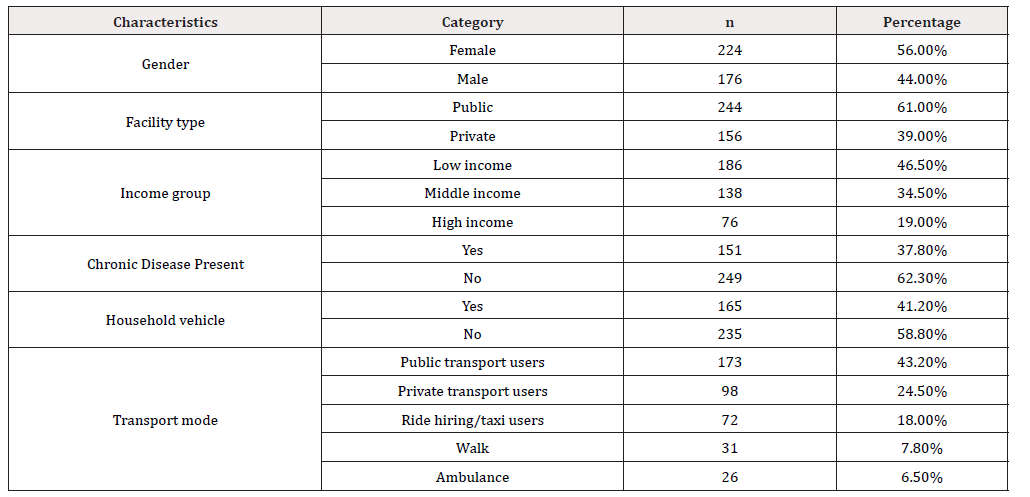
Table 1:Sociodemographic and Healthcare Utilization Characteristics of Participants (n=400).
Transport, Time, and Cost Burden
Prior to the crisis, the mean transit cost was PKR 3,586.88 (SD±1,779.69; median 3,275.5); during the crisis, it was PKR 5,510.61 (SD±2,937.47; median 4,954.5). This is equivalent to a 50.53% rise (SD±14.74; median 50.5), with a mean increase PKR 1,923.72 (SD±1,220.07; median 1,630.0).
The average travel time increased by 13.56 minutes (SD±8.64; median 13.0), from 30.93 minutes (SD±10.88; median 31.0) prior to the crisis to 44.48 minutes (SD±14.09; median 44.0) during the crisis. During the crisis, the average rise in out-of-pocket (OOP) healthcare costs was PKR 3,862.52 (SD±1,591.76; median 3,786.5) (Table 2) (Figure 1).
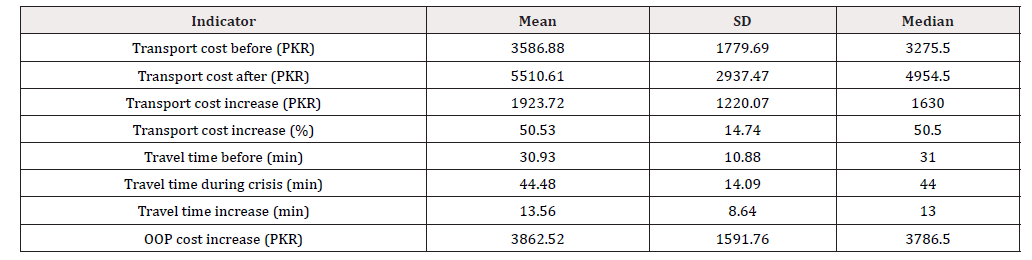
Table 2:Changes in Transport Burden and Healthcare Expenditure During the Crisis.

Figure 1:Changes in Mean Transport Cost and Travel Time Before and During the Crisis.
As shown in Figure 1, the mean journey time increased from 30.93 to 44.48 minutes, and the mean transport cost jumped from PKR 3,586.88 to PKR 5,510.61 during the crisis. The average trip time went from 30.93 to 44.48 minutes, and the average transport cost rose from PKR 3,586.88 prior to the crisis to PKR 5,510.61 during it.
Healthcare Disruption Indicators
Access to healthcare was disrupted during the crisis, according to a significant percentage of respondents. The most common complaint, which affected 59.0% (n=236) of respondents, was delayed care. Following this, 36.8% (n=147) reported fewer visits, and 30.0% (n=120) reported missing appointments. Furthermore, 13.5% (n=54) of respondents reported generator or power outages impacting healthcare services, while 27.5% (n=110) reported medication stockouts (Table 3) (Figure 2).

Figure 2:Prevalence of Healthcare Service Disruptions During the Crisis.

Table 3:Prevalence of Healthcare Service Disruptions During the Crisis
The frequency of healthcare service interruptions throughout the crisis is shown in Figure 2. The most frequently reported disruption was delayed care, which was followed by reduced visits, missing appointments, and medication stockouts. The least common reports were of power outages or generators.
Facility Type Comparison
Users of public and private healthcare facilities experienced different healthcare disruptions.
Compared to private healthcare users, public healthcare customers showed significantly higher levels of delayed care, medication stockouts, power outages, and severe perceived healthcare impact, as well as somewhat larger increases in transportation costs.
Compared to 53.2% of private facility users, 62.7% of public facility users reported receiving delayed care. Additionally, compared to private healthcare users (12.8% and 6.4%, respectively), public healthcare users experienced medicine stockouts and power outages more frequently (36.9% and 18.0%, respectively).
45.9% of public healthcare users experienced severe perceived healthcare-service impact, compared to 39.1% of private healthcare users. The mean increase in out-of-pocket expenses was likewise somewhat higher for public facility users (PKR 3,948.14) than for private facility users (PKR 3,728.61). Additionally, the average rise in out-of-pocket expenses was marginally larger for users of public facilities (PKR 3,948.14) than for users of private facilities (PKR 3,728.61) (Table 4).

Table 4:Healthcare Access and Service Disruption by Facility Type.
Income Based Inequality
Indicators of healthcare disruption differed significantly between income groups.
With 67.2% reporting delayed care, 37.6% reporting missed appointments, and 41.4% reporting reduced healthcare visits, lowincome respondents bore the brunt of the crisis’ healthcare burden.
In contrast, middle-class respondents (23.9%) and high-income respondents (18.4%) reported far less severe perceived healthcareservice impact. Delays in service and missed appointments also gradually decreased as income levels increased.
Low-income people experienced significantly more healthcare disruption overall, despite high-income respondents showing slightly higher increases in out-of-pocket expenses. This suggest that low-income populations are disproportionately vulnerable to fuel-related healthcare-access hurdles (Table 5) (Figure 3).

Table 5:Healthcare Access and Service Disruption by Income Group.
Significant socioeconomic differences in the perceived impact of healthcare services during the crisis are seen in Figure 3. Lowincome respondents were more likely to experience severe impact, whereas middle- and high-income groups showed significantly lower levels. Additionally, compared to private healthcare users, public healthcare users experienced more severe service impact.

Figure 3:Severe Perceived Healthcare-Service Impact by income Group and Facility type.
Inferential Statistical Analysis
During the crisis period, transportation costs and journey times increased statistically significantly (p<0.001), according to paired t-test analysis.
Significant correlations between the perceived impact of healthcare services and a number of variables, such as income group, mode of transportation, delayed care, missed appointments, and decreased visit frequency, were found by chi-square analysis. Delayed care and perceived healthcare-service impact showed the highest correlation (χ²=147.727, p< 0.001), followed by income group (χ²= 112.525, p<0.001) (Table 6).
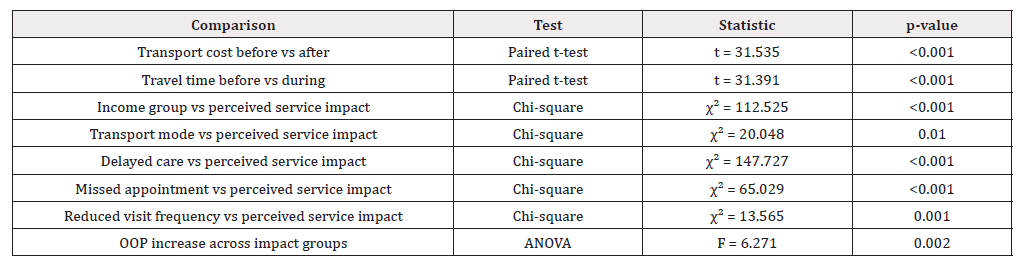
Table 6:Inferential Statistical Analysis of Healthcare Disruption Indicators.
Logistic Regression Analysis
To identify predictors of severe perceived service impact, binary logistic regression analysis was performed.
Severe perceived service impact was substantially associated with an increase in transportation costs (OR=1.074, 95% CI: 1.046- 1.102, p< 0.001).
Respondents who reported delayed care had significantly greater chances of severe impact (OR=41.088, 95% CI: 16.530- 102.128, P<0.001). Delayed care showed that highest link was severe perceived service impact.
Severe perceived healthcare-service effect was also independently linked to low-income status (OR=20.275, 95% CI: 7.551-54.439, p< 0.001) and missed appointments (OR= 8.967, 95% CI: 7. 4.176-19.253, p<0.001).
A statistically significant inverse relationship between increased travel time and severe perceived service impact was found (OR=0.940, 95% CI: 0.904-0.978, p = 0.002) (Table 7).

Table 7:Predictors of Severe Perceived Healthcare-Service Impact.
Discussion
Principal Findings
This study offers empirical evidence that healthcare service delivery and accessibility were significantly hampered by the 2026 conflict-driven energy crisis in Islamabad, Pakistan. The results show a distinct pattern of healthcare-system stress, which is characterized by prolonged travel time, rising outof- pocket expenses, increased transportation burden, delayed healthcare-seeking behaviours, and frequent disruptions in healthcare utilization. During the crisis, a significant percentage of respondents experienced medication stockouts, power-related service outages, missed appointments, delayed care, and reduced medical visits. Together, these results indicate that the energy crisis had an impact on healthcare system functionality as well as patientlevel accessibility.
The significant rise in the healthcare burden associated with transportation was one of the study’s most significant findings. During the crisis, the average cost of transportation increased by almost 50%, and the average journey time also increased significantly. These results emphasize how important mobility and affordable transportation are to preserving access to healthcare during times of economic and geopolitical unrest.
From Geopolitical Conflict to Healthcare-System Fragility
The results validate a structured crisis pathway that uses interrelated economic and infrastructural processes to link geopolitical conflict to disruption of the healthcare system. The Us-Iran conflict in 2026 contributed to fuel price increases and worldwide energy insecurity, which in turn raised transportation expenses, interfered with healthcare mobility, and put pressure on healthcare service delivery systems./p>
These results are consistent with resilience literature that indicates healthcare systems rely heavily on reliable logistical networks, transportation systems, and energy infrastructure. Thus, energy crisis serves as both economic shocks and indirect public health emergencies that can jeopardize continuity of care and resilience of the healthcare system.
The present findings corroborate previous research showing that energy-related interruptions may hinder the provision of healthcare through operational instability, transportation obstacles, disruption in the supply of medications, and decreased accessibility of healthcare. The multifaceted aspect of healthcare fragility during energy crises is reflected in the study’s observations of delayed care, stockouts, power outages, and decreased healthcare utilization.
Healthcare Accessibility as a Transport-Dependent Process
This study’s identification of transportation burden as a crucial factor influencing healthcare accessibility during emergency situations is a significant addition. The substantial increase in travel time and transportation costs was closely linked to both severe perceived disruptions to healthcare services and delayed access to healthcare.
These data show that indirect healthcare expenditures, particularly transportation expenditure may become important obstacles to healthcare utilization during periods of fuel inflation. Fuel price increases may significantly reduce continuity of treatment and healthcare-seeking behaviour in LMIC settings like Pakistan, where access to healthcare often depends on public transportation and out-of-pocket expenditure.
Regression analysis also showed that severe perceived impact on healthcare services was independently predicted by an increase in transportation costs. Within broader frameworks of healthcaresystem resilience, this research highlights the significance of mobility and transportation affordability.
Urban Healthcare Fragility in Islamabad
The results show that significant healthcare fragility may still
arise during external shocks, even though Islamabad has a more
developed healthcare system than many other parts of Pakistan.
Compared to private healthcare users, public healthcare consumers
were more likely to face significant perceived healthcare-service
impact, medication stockouts, power outages, and delayed care.
These results suggest that the availability of infrastructure by itself
does not guarantee the resilience of the healthcare system. Rather,
resilience in healthcare also depends on:
a) Transportation systems
b) Energy reliability
c) Operational preparedness
d) Supply-chain continuity
e) Healthcare financing capacity
These results are in line with previous research that detailed enduring structural flaws in Pakistan’s healthcare system, such as inadequate infrastructure, difficulties coordinating services, and unequal access to healthcare for vulnerable groups.
Socioeconomic Inequality and Differential Crisis Burden
The unequal distribution of healthcare burden among socioeconomic groups is one of the study’s strongest findings. Compared to middle- and high-income groups, low-income respondents reported significantly higher levels of missed appointments, delayed care, reduced healthcare visits, and severe perceived healthcare-service effect.
Importantly, logistic regression analysis showed that significant perceived disruption of healthcare services was independently predicted by low-income status. The relative burden of healthcare disruption was significantly higher among poor populations, despite higher-income groups reporting larger absolute increase in out-of-pocket expenditure.
These results support the concept that access to healthcare during crisis times is strongly influenced by socioeconomic vulnerability. During fuel inflation and economic instability, population with poorer financial resilience face more barriers to healthcare utilization because they are less able to absorb transportation-related cost shocks. The possibility that outside shocks like energy crises could exacerbate already-existing healthcare disparities within urban healthcare systems is also highlighted by the observed socioeconomic gradient.
Interpretation of Multivariable Findings
The biggest predictor of severe perceived healthcare-service impact, according to the multivariable analysis, was delayed care. According to this research, timely access to healthcare is a key factor in determining how well the healthcare system is seen to perform in times of crisis.
The interdependence of mobility, affordability, and continuity of care is further supported by the independent associations found between severe healthcare service interruption and missed appointments and increased transportation costs.
It’s interesting to note that a significant perceived impact on healthcare services was inversely correlated with an increase in travel time. This discovery may represent patterns of behavioural adaptability during time of crisis, even though it seems paradoxical. Instead of making longer journeys to get healthcare, those with the biggest mobility obstacles might have completely stopped using it. On the other hand, the results might point to intricate relationships between healthcare use, adaptive coping mechanisms, and transportation accessibility during the crisis.
Overall, the multivariable results support the idea that interrelated economic, transportation, and healthcare-utilization routes influence healthcare accessibility during energy shortages.
Public Health Interpretation
The results lend credence to the idea that the 2026 energy
crisis is a compound public health disaster with several interrelated
dimensions:
a) A mobility crisis driven by higher transportation expenses
and longer journey times.
b) A socioeconomically challenged population is
disproportionately affected by an equity emergency.
c) An emergency involving continuity of care marked by
missed consultations and delayed treatment.
d) An emergency involving the resilience of healthcare
facilities due to medication shortages and unstable electricity.
This multifaceted framework emphasizes the significance of energy systems as determinants of healthcare-system resilience and expands knowledge of healthcare fragility beyond traditional infrastructure-focused perspectives.
Comparison with Existing Literature
The study’s findings are in line with international data showing the connection between healthcare system vulnerability, energy insecurity, and geopolitical instability. According to previous research, fluctuations in fuel prices and energy disruptions can have a significant impact on healthcare accessibility by increasing the cost of transportation, causing operational instability, and lowering healthcare utilization.
The observed correlation between delayed care and disruptions to healthcare services is also consistent with other research showing budgetary limitations and transportation barriers can jeopardize continuity of care during emergency situations.
These results also corroborate previous research that found Pakistan’s healthcare system to be especially susceptible because of high out-of-pocket costs, reliance on transportation, and structural healthcare disparities. This study adds new empirical data about healthcare fragility in urban LMIC settings by combining patientlevel healthcare disruption with more general geopolitical and energy-system instability.
Policy Implications
The results suggest a number of major policy implications for strengthening the resilience of the healthcare system in situation of future energy and economic crises.
Transport Support for Vulnerable Populations: To guarantee sustained access to healthcare during time of rising fuel prices, targeted transportation subsidy schemes should be implemented for low-income households, patients with chronic illnesses, and maternity health cases.
Decentralization of Healthcare Services: To lessen reliance on long-distance travel, primary care healthcare delivery should be improved. Accessibility can be enhanced via community-based services and outreach initiatives, especially in underserved and per-urban areas.
Energy Resilient in Healthcare Infrastructure: To guarantee continuous service delivery during energy outages, healthcare facilities should make investments in alternative energy options including solar-hybrid systems and backup power infrastructure.
Strengthening Medicine Supply Chains: To avoid stockouts, decentralized medicine stock systems and improved supply chain mechanisms should be created, particularly for necessary and chronic disease pharmaceuticals.
Crisis-Responsive Health System Planning: Energy crisis scenarios should be incorporated into emergency preparedness plans for health systems, along with the identification of highrisk patient groups (e.g., those dependent on dialysis, oxygen, or temperature-sensitive drugs).
Strengthening Public Healthcare Infrastructure: To increase system capacity amid external shocks, lower service interruptions, and improve infrastructure reliability, investment in public healthcare facilities is crucial.
This study emphasizes how vulnerable healthcare systems in low- and middle-income environments are to outside shocks like energy crises. Resilient, decentralized, equity-focused healthcare models that lessen reliance on fuel-intensive access pathways and guarantee continuity of care in times of crisis are necessary to address these vulnerabilities.
Strengths and Limitations
This study offers one of the first empirical patient-level evaluations looking at how Pakistan’s healthcare accessibility is affected by a conflict-driven energy shortage. The findings’ validity and analytical depth are strengthened by the combination of descriptive, inferential, and multivariable statistical analysis. The study also looked at several aspects of healthcare disruptions, such as service continuity, mobility stress, healthcare utilization, and instability in the healthcare system.
There are a few limitations to be aware of. First, the results should be understood as association rather than conclusive causal correlations because the cross-sectional methodology restricts causal inference. Convenience sampling may further limit how broadly results can be applied. Third, recollection and reporting bias could affect self-reported results. Lastly, healthcare situations may alter over time, and the study was carried out during a moment of increasing crises.
Notwithstanding these drawbacks, the study offers crucial information about the vulnerability of healthcare systems during energy crises and emphasizes the necessity of robust, decentralized, and equity-focused healthcare systems in low- and middle-income environments.
Conclusions
This study shows that Islamabad, Pakistan’s healthcare service delivery and accessibility were significantly disrupted by the 2026 conflict-driven energy crisis. Increased transportation burden, prolonged travel times, greater out-of-pocket medical costs, delayed care, missed appointments, decreased healthcare utilization, and disruptions to healthcare facilities, such as medication shortages and power outages, have all been linked to rising fuel prices.
The results also showed that not everyone was equally affected by the crisis. The significant influence of socioeconomic vulnerability on healthcare accessibility during time of economic and energy instability is highlighted by the disproportionately higher healthcare disruption and severe perceived impact on healthcare services experienced by low-income groups.
The study also shows that transportation networks, energy stability, supply-chain continuity, and household financial resilience all have a significant impact on healthcare system fragility during energy crisis, which goes beyond healthcare infrastructure alone. These findings support the concept that energy crisis are multifaceted public health emergencies that have the potential to worsen already-existing healthcare disparities and jeopardize continuity of care.
The study’s overall findings emphasize the urgent need for robust, decentralized, equity-focused healthcare systems that can sustain access to care in the face of external shocks. Future energy and geopolitical crisis may cause less disruption to the healthcare system if transportation support systems, healthcare energy resilience, decentralized primary healthcare services, and crisisresponsive health-system planning are strengthened.
This study contributes to significant empirical data from an urban low and middle-income country environment and lays the groundwork for further investigations into the relationship between energy insecurity, geopolitical instability, and the resilience of the healthcare system.
Conflict of Interest
None.
Acknowledgment
None.
References
- Shahzad A (2026) Pakistan hikes fuel prices sharply amid spiralling Mideast conflict. Reuters.
- Gross S (2026) The Iran conflict’s energy shocks are not yet fully realized. Brookings.
- (2024) US Energy Information Administration. World oil transit chokepoints.
- (2023) World Health Organization. Electricity in health-care facilities.
- (2023) World Health Organization. Close to one billion people globally are served by health-care facilities with no electricity access or with unreliable electricity.
- Casey JA, Fukurai M, Hernández D, Kiang MV (2020) Power outages and community health: A narrative review. Curr Environmental Health Rep 7(4): 371-383.
- Dalglish SL, Poulsen MN, Winch PJ (2013) Localization of health systems in low and middle-income countries in response to long-term increases in energy prices. Globalization Health 9: 56.
- World Bank (2023) Poverty, vulnerability, and healthcare access in low-income settings.
- Pakistan Bureau of Statistics (2024) National Health Accounts Pakistan 2021-2022.
- Peters DH, Garg A, Bloom G, Walker DG, Brieger WR, et al. (2008) Poverty and access to health care in developing countries. Ann N Y Acad Sci 1136(1): 161–171.
- Yasmeen Z (2024) Pakistan’s primary healthcare revamp: Special focus on Islamabad. Ann Pak Inst Med Sci 20 (Suppl 2): 870-872.
- Hafeez A, Kiani AG, Din SU, Muhammad W, Butt K, et al. (2021) Health system challenges in Pakistan: Pathways to reform. Eastern Mediterranean Health J 27(11): 1131-1138.
- Kruk ME, Myers M, Varpilah ST, Dahn BT (2015) What is a resilient health system? Lessons from Ebola. Lancet 385(9980): 1910-1912.
- World Health Organization, World Bank, International Renewable Energy Agency, & Sustainable Energy for All. (2023). Energizing health: Accelerating electricity access in health-care facilities. World Health Organization.
- Syed ST, Gerber BS, Sharp LK (2013) Traveling towards disease: Transportation barriers to health care access. J Community Health 38(5): 976-993.
- Hirner S, Jyotshila Dhakal, Morgan Carol Broccoli, Madeline Ross, Emilie J Calvello Hynes, et al. (2023) Defining measures of emergency care access in low- and middle-income countries. BMJ Open 13(4): e067884.
- Guo J, Jonathan F Bard, Douglas J Morrice, Carlos R Jaén, Ramin Poursani, et al. (2021) Offering transportation services to economically disadvantaged patients to improve healthcare access. J Primary Care Community Health 12.




 We use cookies to ensure you get the best experience on our website.