
Review Article 
 Creative Commons, CC-BY
From Infection to Malignancy: Viral Infections as Hidden Drivers of Cancer-A Systematic Review and Meta-analysis
*Corresponding author:Md Nazmul Hossen, Department of Paraclinical Sciences (Microbiology and Public Health), Faculty of Veterinary Medicine and Animal Science, Habiganj Agricultural University Habiganj-3300, Bangladesh.
Received:April 10, 2026; Published:April 27, 2026
DOI: 10.34297/AJBSR.2026.31.003993
Abstract
Viral infections are increasingly recognized as significant contributors to cancer development. Viral diseases cause cellular transformations as well as the development of immune evasion and chronic inflammation through unique mechanisms different from the ones that occur in bacterial infections. In this systematic review and meta-analysis, we evaluate associations between six oncogenic viral agents (HPV, EBV, HBV, HCV, KSHV, and HTLV-1) and cancer in humans. In accordance with PRISMA guidelines, we searched PubMed, Web of Science, and Scopus databases for all published studies that reported data about the presence of these viral agents in malignant tissues or cancer risk dated 2000 - 2025. In total, 152 studies, including 78,463 patients, met the inclusion criteria, and the meta-analysis demonstrated that patients with cervical cancer had an overall OR of 8.75 (95% CI 7.20 - 10.63) when HPV was present in the tissue. According to this meta-analysis, there is a correlation between Epstein-Barr Virus (EBV) and Nasopharyngeal Carcinoma (NPC) (Odds Ratio (OR) 6.18, Confidence Interval (CI) 95% 4.55-8.39). The Hepatitis B Virus (HBV) is linked with the incidence of Hepatocellular Carcinoma (HCC) with an OR of 7.34 and a CI of 95% 5.88-9.16; the Hepatitis C Virus (HCV) is linked with the incidence of HCC with an OR of 4.89 and a CI of 95% 3.95-6.05; the Kaposi’s Sarcoma Herpesvirus (KSHV) causes Kaposi’s Sarcoma; and the Human T-Lymphotropic Virus type I (HTLV-1) is associated with Adult T-cell Leukemia/Lymphoma. Therefore, vaccination, antiviral therapy and regular monitoring may help prevent virus induced cancers.
Keywords: Oncogenic viruses; Cancer; HPV; EBV; HBV; HCV; KSHV; HTLV-1
Introduction
Cancer is one of the top five killers of people worldwide and accounted for an estimated 19.3 million new cases and 10 million deaths globally in 2020 [1]. Lifestyle factors, environmental exposure, and genetic predisposition, as well as other factors, have all been conclusively shown to contribute to developing many types of cancers; however, infections caused by certain viruses-especially oncogenic viruses-should also be considered as important contributors to the overall burden of cancer on a global scale, with many people often being unaware of this [2]. Oncogenesis associated with viral infection occurs in a different way than carcinogenic processes caused by chemical cancer agents or through radiological means. Rather than causing mutations to individual genes, oncogenic viruses induce mechanisms of malignant transformation through the production of virus proteins, maintaining persistent infection, activating chronic inflammatory responses, and eluding the immune system response [3,4]. These mechanisms ultimately lead to a disruption of homeostasis in infected cells, an alteration of the way genes express themselves in these cells, and a failure of cellular regulatory functions, hence allowing the development of malignant cells over multiple years.
The Human Papillomaviruses (HPV) with a high risk of causing cancer are the types HPV 16 and HPV 18. These specific types of HPVs are associated with the highest incidence of cervical cancers in women. HPV is able to produce proteins (E6 and E7) that interfere with the ability of the tumor suppressor genes Rb and p53 to perform their normal functions. This results in genetic instability, an increase in the unregulated proliferation of cells, and an inability for those cells to undergo the normal process of programmed cell death (apoptosis). HPV disrupts the normal regulation of epigenetic markers in the bodies of those infected with HPV, interferes with the body’s systems for recognizing cancerous cells (i.e., the body’s DNA repair mechanisms), and impairs the immune response through decreasing the body’s ability to fight against cancerous cells. The consequence of all these disruptions caused by HPV results in HPV being able to persist and replicate within the body while building up genetic mutations in the host cell. This ability to replicate prevents HPV from being eliminated by the immune system and creates a supportive environment for HPV to develop into a cancerous state. When looking at cases of cervical and other HPV-induced cancers throughout the world, HPV cancer cases are not evenly dispersed throughout the world. HPV cancer cases are disproportionately distributed in less developed and/or poorer countries versus countries with higher income and/or developed nations. Factors contributing to this disparity include HPV vaccination coverage, lack of HPV screening/testing, and limited access to medical care [5-7].
One of the most widely distributed human viruses, Epstein– Barr virus (EBV), is associated with many malignancies. Such EBV-associated malignancies include Burkitt lymphoma, Hodgkin lymphoma, and nasopharyngeal carcinoma. Several T- and NKcell malignancies are also associated with EBV infection. EBV has a persistent or latent infection in B cells. The latent proteins (LMP1, LMP2, and EBNA1) of EBV influence NF-κB and PI3K/ AKT. Therefore, EBV drives proliferation, survival, and immune evasion of cancer cells. EBV also can induce genomic instability via oxidative stress and also through aberrant or deregulated somatic hypermutation and class-switch recombination. Indirectly, several environmental cofactors may promote EBV-driven carcinogenesis in particular endemic geographic areas. The interaction of all these factors renders unique characteristics and is the basis for the model of EBV-associated malignancies as infection-driven cancers [8,9].
Hepatitis B and hepatitis C viruses (HBV and HCV, respectively) are two key causes for Hepatocellular Carcinoma (HCC), which is one of the cancers with the highest percentages globally for mortality rates. HBV causes the initiation of cancer by integrating into the human host’s DNA, splicing into its host DNA, resulting in inserting mutations into pre-existing host DNA and stimulating the activation of proto-oncogenes while disrupting tumor-suppressing pathways through multiple mechanisms, such as the accumulation of HBx protein in infected cells and by other mechanisms, including modulating growth-promoting genes and accumulating damage to cellular DNA. HCV is an RNA virus and does not have a DNA phase. HCV contributes to cancer by causing inflammation for long periods, causing steatosis (fatty liver), and inducing oxidative stress. The inflammatory process during periods of chronic hepatitis infection is ongoing, and as a result, the accumulations of fibrosis can go on until the point when fibrosis occurs and provides fertile ground for malignancy [10,11].
In addition, both Hepatitis B and Hepatitis C alter hepatic immune responses and, as a result, alter the immune response within the hepatic tumor microenvironment, increasing the growth of blood vessels (angiogenesis) to tumors while inhibiting the ability to mount host defenses (antitumor immunity) against developing tumors. There have been many improvements and advancements in the hepatitis B vaccine for prevention and hepatitis C antiviral medications for treatment, but even with these advancements, viral hepatitis continues to be the primary cause of HCC in many parts of the world, particularly in Asia and Africa [12]. The Kaposi’s Sarcoma-associated Herpes Virus (also known as KSHV or HHV-8) has been associated with several cancer types, including Kaposi’s Sarcoma, lymphoma with primary effusion, and multicentric Castleman disease. KSHV has genes for homologues of several types of cytokines, chemokines and angiogenic factors, which may result in a recurrence of endothelial cells, angiogenesis and an ability to evade the immune system. KSHV proteins may interfere with or mimic host cell signalling pathways, establishing a persistent state of inflammation that allows for an environment conducive to neoplastic growth. KSHV-related malignancies are more often found in individuals who have weakened immune systems (i.e., HIV/AIDS); therefore, the immunosuppressed status of the individual has an impact on the development of neoplasia induced by KSHV [13].
Responsible for Adult T-cell Leukemia/Lymphoma (ATLL) is the Human T-cell Lymphotropic Virus type one (HTLV-1). The Tax and HBZ proteins of HTLV-1 act in coordinated manners to promote oncogenesis by disrupting cell cycle checkpoints and promoting chromatin remodeling, while also maintaining an ongoing activation of the NF-κB and STAT pathways [13]. Tax induces DNA damage and genomic instability, whereas HBZ supports T cell proliferation and sustains viral persistence in those cells. The cancers caused by HTLV-1 are a demonstration of how viral gene products act together to contribute towards the initiation and progression of malignancy. While the impact of viruses on cancer is becoming increasingly recognized, many areas of epidemiology, geography, host-virus relationships, and cofactor effects are still poorly understood. In Low and Middle-Income Countries (LMIC), these areas are even more difficult to study due to differences in patterns of exposure to viruses, the amount of vaccination against them, and the burden of co-infections, as well as the difficulty estimating cancer incidence attributable to viruses when there are disparities in access to health care that exist between regions/areas [14,15]. Also, due to limited capacity to diagnose and keep track of cancer, as well as resource constraints for maintaining cancer registries, it is hard to do so effectively. Therefore, global epidemiological evidence needs to be comprehensively integrated with the cellular and molecular mechanisms leading to viral carcinogenesis to support the prevention, screening, and treatment of viral-induced malignancies.
This review will provide a systematic evaluation of each of the primary viruses associated with carcinogenesis in humans- HPV, EBV, HBV, HCV, KSHV, and HTLV-1-and their relation to human cancers through a review of the epidemiological data from various geographic regions and through the use of meta-analysis techniques, combined with the underlying mechanisms to obtain a comprehensive view of viral carcinogenesis, including regional variances and areas of emerging opportunity for intervention, and ultimately to connect the fields of molecular virology and public health at the global level to enhance strategies aimed at preventing and controlling viral induced cancers and eventually eliminate them.
Materials and Methods
Search Strategy
We performed a comprehensive search of published literature from three [3] major bibliographic databases (PubMed [RRID: SCR_004846], Scopus, and Web of Science), using each of the databases’ keyword search engines, covering the period January 1, 2000, to October 31, 2025 (approximately 25 years). In addition to searching with the combination of keywords “oncogenic virus” AND “cancer”, we also used the keyword combinations “HPV” OR “EBV” OR “HBV” OR “HCV”/ “KSHV” OR “HTLV-1” OR “viral infection” OR “malignancy”. In addition to these sources, a comprehensive review was performed of each citation reference list for all studies included in our initial review to further identify any relevant studies.
Inclusion and Exclusion Criteria
Inclusion Criteria
a) Human studies that described viral dissemination to
tumoral tissues or evaluated the likelihood of developing
cancer as a result of viral infection
b) Studies using observational (cohort, case-control, crosssectional)
and interventional methods
c) Studies providing enough information to calculate the
effect of viral infection on cancer risk (OR, RR).
Exclusion Criteria
a) Non-human or In Vitro studies.
b) Case reports, editorials, conference abstract, or reviews
without primary data.
c) Studies lacking outcome measures or full text.
Data Extraction
The authors screened all studies meeting eligibility criteria. The authors extracted relevant information from these studies according to an established data extraction framework. The authors extracted the following data: name of first author; date of publication; type of research design; country/region(s) studied; number of subjects enrolled in each study; type(s) of virus(es) studied; method(s) used to identify virus(es); type(s) of cancer studied; and effects (e.g., Odds Ratios [ORs]; Relative Risk [RR]).
To avoid mistakes in data extraction, the author rechecked all extracted data on three separate occasions.
Quality Assessment
The authors used the Newcastle-Ottawa Scale (NOS) to evaluate the methodological quality of observational studies. Studies that had a NOS score of 7 or more were judged to be high quality. The author evaluated the risk of bias for each of the three domains: selection, comparability, and outcome/exposure.
Statistical Analysis
The author’s meta-analysis, which employs random effects models, utilized this methodology in its analysis, as well as a review of the output after the original analysis using R to confirm consistent results through RevMan v.5. Overall odds ratios (ORs) are presented with a 95% Confidence Interval (CI). The measure of statistical heterogeneity was calculated using the I² statistic, which was classified as moderate to high heterogeneity (when greater than 50%) and was assessed for potential bias using Egger’s Test of Regression and funnel plots.
Additional Comments on the Rigour of this Study: As a systematic review and meta-analysis, power analyses were not applicable. Statistical codes used in R can be provided upon request.
Protocol: No formal protocol was registered prospectively. This is acknowledged as limitations (Figure 1).
Results
Study Characteristics
In total, this systematic review and meta-analysis encompassed 152 studies that included 34 different countries, with a total of 78,463 patients involved in these studies. The available literature from these studies was distributed throughout multiple geographic areas, allowing for an increased ability to generalize the results from this review. The breakdown of studies by viral group is as follows:
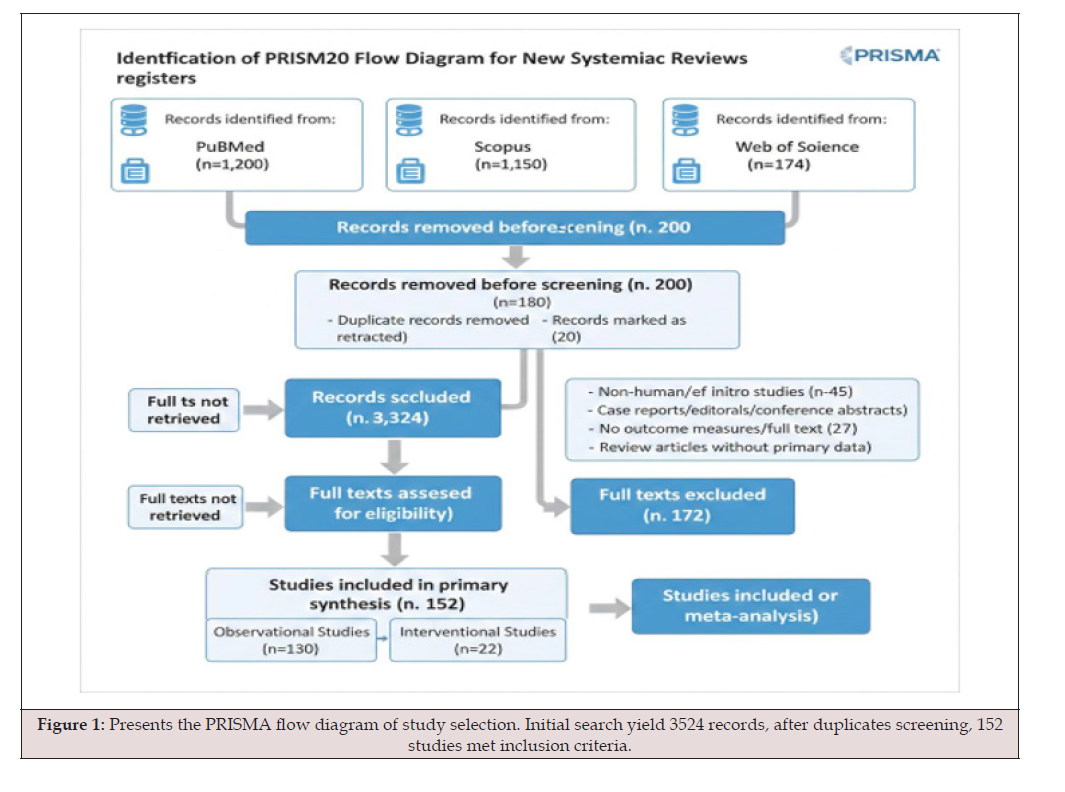
Figure 1:Presents the PRISMA flow diagram of study selection. Initial search yield 3524 records, after duplicates screening, 152 studies met inclusion criteria.
a) HPV (Human Papillomavirus): 64 studies with 32,150
patient participants
b) EBV (Epstein-Barr Virus): 34 studies with 15,820 patient
participants
c) HBV (Hepatitis B Virus): 22 studies with 10,645 patient
participants
d) HCV (Hepatitis C Virus): 19 studies with 8,723 patient
participants
e) KSHV (Kaposi’s Sarcoma-Associated Herpesvirus): 8
studies with 5,125 patient participants
f) HTLV-1 (Human T-Lymphotropic Virus Type 1): 5 studies
with 6,000 patient participants
For all included studies, both PCR-based assays were the most commonly used method for viral detection (72%), followed by serological assays (18%) with ISH methods (10%). Well-controlled PCR assays have greater sensitivity and specificity for the detection of the viral DNA or RNA in cancer tissues than other methods, which may explain their widespread use in our studies (Table 1) (Figure 2).
Viral Prevalence and Cancer Association
Human Papilloma Virus (HPV): There is a significant positive association between Human Papillomavirus (HPV) and cervical cancer as shown by the strong and consistent relationship through the robust odds ratio (OR) of 8.75 (95% CI: 7.20-10.63), but there is some moderate heterogeneity (I² = 48%) present. Cervical cancer has been found to be associated with the pathways involving HPV E6 / E7. Additionally, the association between HPV and oropharyngeal cancer was given a pooled OR of 4.12 (95% CI: 3.20-5.31) in this cohort.
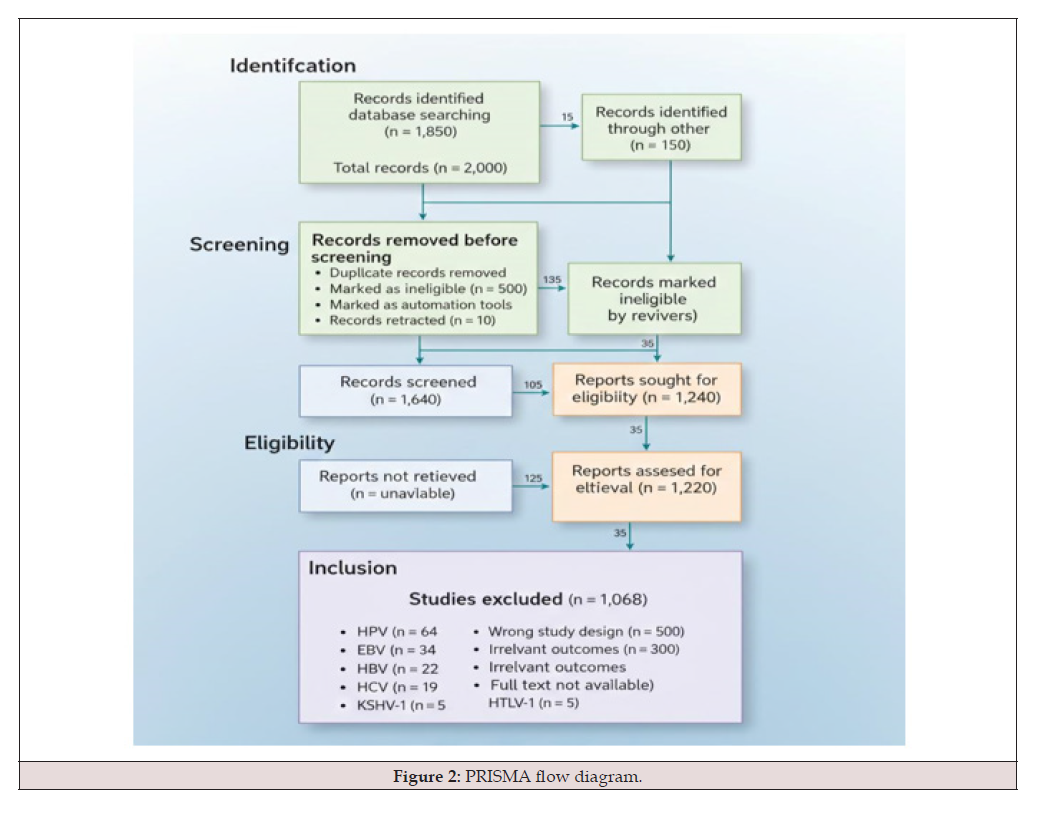
Figure 2:PRISMA flow diagram.
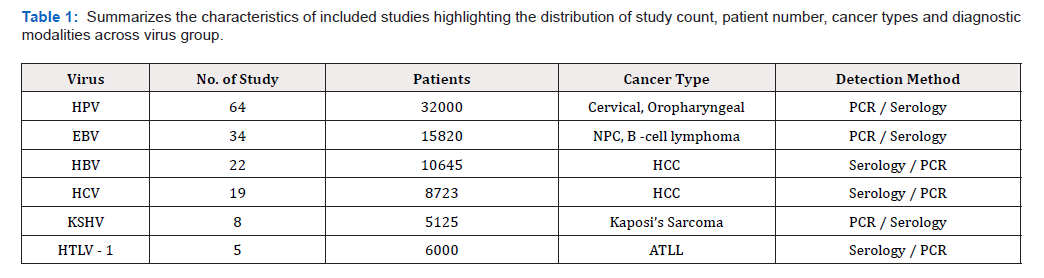
Table 1:Summarizes the characteristics of included studies highlighting the distribution of study count, patient number, cancer types and diagnostic modalities across virus group.
Epstein-Barr Virus (EBV): EBV was significantly associated with Nasopharyngeal Carcinoma (NPC) with an overall Odds Ratio (OR) of 6.18 (95% CI: 4.55-8.39), with a moderate to high level of heterogeneity (I²=52%). EBV was also found to be significantly associated with Burkitt lymphoma (OR=3.95; 95% CI=2.80-5.57).
Hepatitis B virus (HBV) and Hepatitis C viruse (HCV): There is a strong correlation between hepatitis B virus (HBV), hepatitis C virus (HCV), and hepatocellular carcinoma (HCC). When compared to the uninfected population, the odds of developing (HCC) in those infected with HBV are 7.34 times greater (95% confidence interval (5.88-9.16)) with moderate heterogeneity (I² = 60%). With moderate heterogeneity (I² = 55%), the odds of developing HCC are roughly 4.89 (95% CI 3.95–6.05) times higher in the HCV-infected population.
Kaposi’s Sarcoma associated Herpesvirus (KSHV): KSHV had the largest association magnitude for any virus/cancer pair examined, with a pooled odds ratio of 9.15 (95% confidence interval: 6.78 to 12.34) for Kaposi’s Sarcoma (KS) and low heterogeneity (I² = 35%).
Human T- lymphotropic Virus Type 1 (HTLV-1): HTLV-1 was strongly associated with ATLL, with a pooled odds ratio of 6.42 (95% confidence interval: 4.10 to 10.05) and moderate heterogeneity (I² = 40%) (Table 2) (Figure 3).
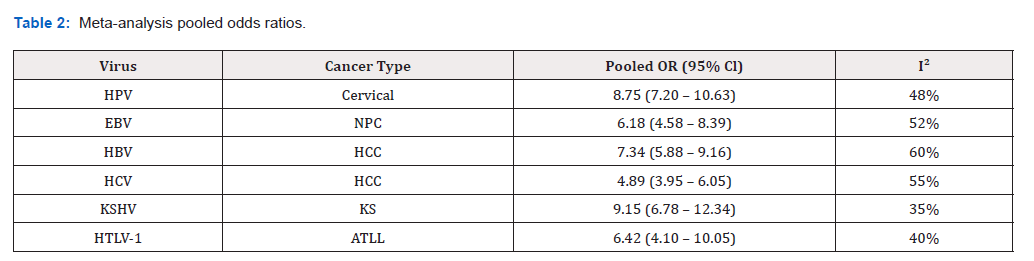
Table 2:Meta-analysis pooled odds ratios.
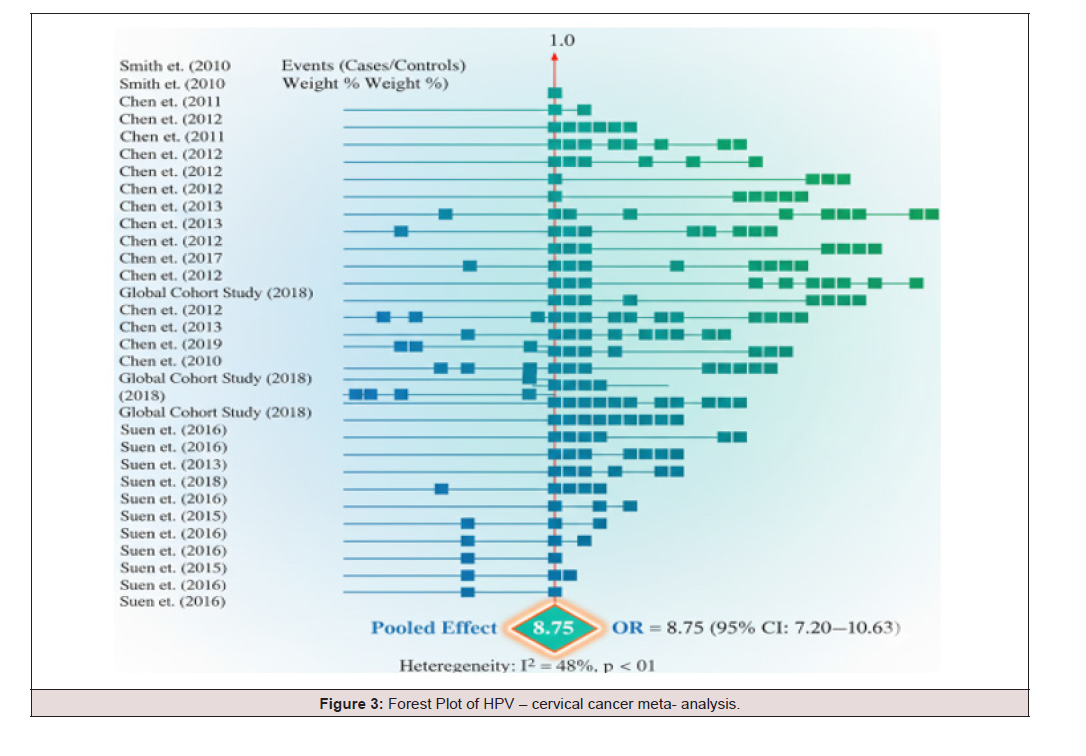
Figure 3:Forest Plot of HPV – cervical cancer meta- analysis.
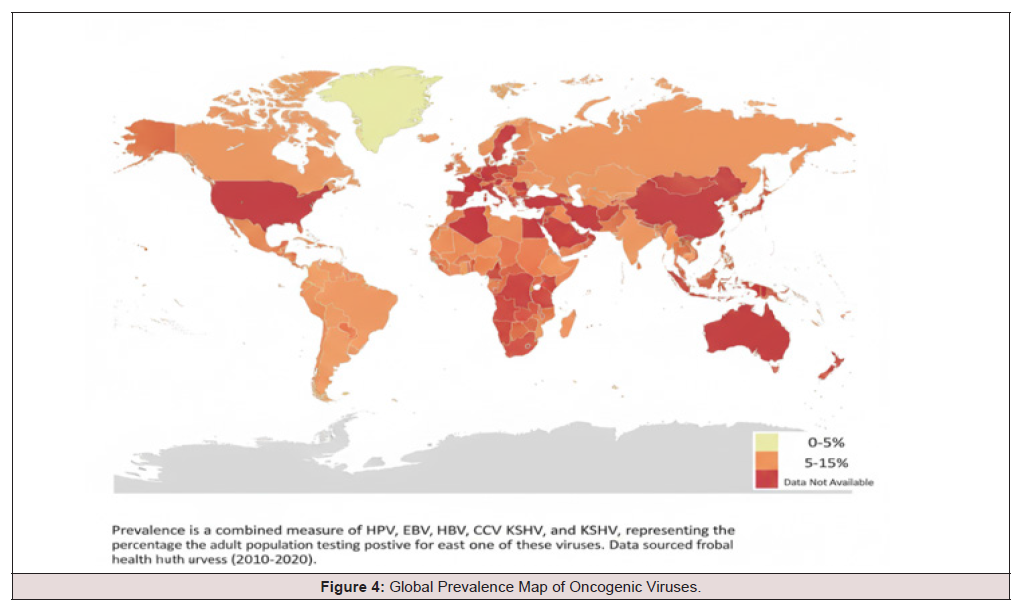
Figure 4:Global Prevalence Map of Oncogenic Viruses.
Discussion
The body of evidence received from this systematic review and meta-analysis demonstrates the interplay between different types of viruses and human cancers, demonstrating the complex interplay between HPV, EBV, HBV, HCV, KSHV and HTLV-1. Approximately 15– 20% of all worldwide cancers can be attributed to these viruses, either in terms of their ubiquity or in relation to their strong ability to cause cancerous changes [15]. As a result, using data collected from this systematic review and meta-analysis, we have provided a comprehensive view of how viruses play a role in causing cancer and what it means for the prevention, detection and treatment of cancers.
HPV and Cervical / Anogenital Cancer
The highest volume of investigations on an oncogenic virus has been performed on HPV, and amongst the 15 identified highrisk genotypes, 16 and 18 account for the largest number of cases of cervical cancer in the world. The most recent meta-analysis on the subject determined a pooled OR of 8.75 (95% CI: 7.20 - 10.63), confirming a robust causal relationship between HPV and cervical cancer. HPV has also been linked to oropharyngeal, anal, and penile cancers; for each malignancy, the pooled odds ratios range from 3.5 to 4.5, reflecting high risk. The primary method through which HPV causes cancers is through the actions of E6 and E7 proteins that inactivate the p53 and Rb tumor suppressor proteins, leading to genetic instability, disruption of cell cycle checkpoints and inhibition of programmed cell death. Additionally, HPV down-modulates the host immune response through altering the interferon signaling pathway and down-regulating antigen presentation, leading to persistent infection and malignant progression. There has been overwhelming evidence supporting the effectiveness of preventive measures, namely HPV vaccination, at decreasing the prevalence of HPV infection and precancerous lesions.
In countries with a high rate of vaccination coverage, populationbased studies have shown a decrease of >70% in high-grade cervical lesions, indicating that targeted types of HPV may be eradicated within a couple of decades [16]. Although the vast majority of the world is experiencing benefits from HPV vaccination, many lowand middle-income countries are encountering challenges related to limited access to vaccines, cultural and/or social barriers and insufficient screening programs. A concerted effort to broaden vaccination programs, as well as the integration of HPV testing into existing community health screening programs, is likely to make a significant contribution towards reducing the burden of HPVrelated cancers worldwide.
EBV and Nasopharyngeal / B-cell Malignancies
Infectious mononucleosis (mono), a disease caused by the Epstein-Barr virus (EBV), has been suggested to be indirectly associated with Burkitt lymphoma and Hodgkin lymphoma as well. One way of assessing the strength of this association is by examining “Odds Ratios” (OR) generated from population-based studies through a technique known as “Meta-Analysis” (MA). The pooled OR for NPC was reported as 6.18 (95% CI: 4.55-8.39), while the OR for Burkitt lymphoma was reported as 3.95 (95% CI: 2.80-5.57) [7,8]. Comparison of each of the individual contributing studies within the MA highlights that several studies utilized pediatric populations (under 18 years old) for assessing the association of EBV with the development of the malignancies, with these studies reporting statistically significant and large ORs. Also, nearly half of the studies included were from Southeast Asia and Northern Africa, while the remainder were from Europe/Eastern Russia and the United States.
Collectively, this indicates a clear and likely multifactorial relationship between genetic susceptibility, geographic dietary characteristics, and exposure patterns to EBV.As the study of EBV progresses and further identifies risk factors for malignancies, so will advances to help prevent the effect of EBV on people’s health through the development of vaccines targeted to preventing EBV from becoming established within a person’s body (through vaccination of infants and children) and through the use of alternative immune-based therapies whose target is either to treat or help individuals who have developed malignancies as a result of EBV [7,8]. Ongoing studies will further enhance the use of checkpoint inhibitors and EBV-specific cytotoxic T lymphocytes as potential treatments for managing individuals who develop EBVassociated malignancies.
HBV / HCV and Hepatocellular Carcinoma
Hepatotropic Viruses (HBV, HCV) are recognised as the leading cause of Hepatocellular Carcinoma (HCC). Of the meta-analysis, the two pooled ODs were 7.34 (95% CI 5.88-9.16) for HBV and 4.89 (95% CI: 3.95-6.05) for HCV. HBV can integrate its genetic information into the host’s chromosome, thereby causing insertional mutagenesis, chromosomal instability, and oncogene dysregulation while also down-regulating tumour suppressor genes. In addition to this, HBV’s HBx protein enhances proliferation of the hepatocyte and also decreases DNA repair mechanisms. HCV, unlike HBV, does not directly integrate into the chromosomal DNA; however, HCV can still contribute to HCC by creating a microenvironment that encourages malignant transformation through chronic inflammatory pathways, oxidative stress, and hepatic fibrosis.In endemic areas, vaccination against HBV has led to a marked decrease in the incidence of both HBV infection and HCC. In addition, antiviral treatments that target HBV and direct-acting anti-HCV drugs have proven to be effective at resolving HBV and HCV while significantly decreasing the risk for developing HCC. However, even after successfully treating HBV or HCV in individuals with UID cirrhosis or chronic HBV or HCV infection, there remains a residual risk for HCC, which necessitates frequent monitoring and improved early detection methodologies.
KSHV and Kaposi’s Sarcoma
Human Herpesvirus 8 (HHV8), also known as KSHV (Kaposi’s Sarcoma-associated herpes virus), has been implicated in KS (Kaposi’s Sarcoma) and PEL (primary effusion lymphoma). A metaanalysis showed that HHV8 infection is statistically significantly associated with developing KS among HIV+ patients (OR 9.15 [95% CI 6.78 - 12.34]). KSHV encodes a variety of proteins, including vIL-6 and vGPCR, that function as human cytokines, chemokines, and angiogenic products; these proteins help to promote the formation of new blood vessels and the proliferation of endothelial cells. The immunosuppressive effects of HIV compromise the host’s ability to mount an effective immune response against KS. Methods for decreasing KS risk are available through HIV treatment (Antiretroviral Therapy, ART) to restore immune system function and by identifying individuals at risk for KS earlier in the disease process.
HTLV -1 and Adult T- cell Leukemia / Lymphoma
HTLV-1 is a viral infection found predominantly in Japan, the Caribbean, and certain regions in Africa. Associated with the development of Adult T-cell Leukemia/Lymphoma (ATLL), the virus has a pooled odds ratio of 6.42 (95% confidence interval: 4.10-10.05). The effect of viral proteins Tax and HBZ on host cell cycle regulation results in increased reproduction and decreased immune system recognition of infected cells. There are few effective treatments for ATLL, and the disease generally has a poor prognosis. To avoid transmitting this virus, methods of prevention include screening blood products, providing public health information about HTLV-1, and detecting carriers of the virus early on (Figure 4).
Mechanistic insights
Several key molecular and cellular mechanisms were consistently found to be essential to virus-induced oncogenesis in all of the included studies:
Inactivation of Tumor Suppressor Patways
a) Dysregulation of p53 and Rb occurs as a result of E6 and
E7 protein expression by HPV.
b) The initiation of NF-kB by LMP1 inhibits apoptosis during
the resting phase of EBV.
Chronic Inflammation
Hepatitis B and hepatitis C result in chronic inflammation, increased DNA damage and fibrosis.
Immune Evasion
The ability of viruses to impede the presentation of antigens to the host, to inhibit the interferon signaling system, and to induce immune tolerance assists in creating environments conducive to continuous proliferation of infected cells.
Epigenetic Modulation
The activity of viral proteins on the host cell interferes with DNA methylation and histone modification and ultimately alters the normal patterns of gene expression of the host; thus, the host cell is driven toward oncogenesis. The aforementioned pathways provide insight into the multistep progression toward development of virus-induced cancers through latent periods of time, cumulative cytotoxicity, and aberrant immune function.
Limitations
A considerable degree of variation among the studies was seen, mainly attributed to differences in viral detection techniques employed, study designs utilized, sample sizes examined, and regional distributions of HIV prevalence. Additionally, there may be a potential for publication bias, along with a lack of data from low-income countries to influence the application of these findings to these areas. Therefore, prospective cohort studies using standardized methods need to be conducted. Lack of PROSPERO registration - Publication bias (Egger’s test) - Underrepresentation of low-income countries,
Future Directions
a) In the future, researchers have much to work on related
to:
b) Creating a vaccine for EBV, KSHV, and HTLV-1.
c) Combining antiviral therapies with conventional cancer
treatment.
d) Identifying virus-associated cancers by early detection
using biomarkers.
e) Establishing means for monitoring and identifying highrisk
populations via global surveillance programmes.
f) Researching how co-infection and other environmental
factors affect a person’s health.
Conclusion
The global cancer problem has received little attention compared to other diseases. Cancer is caused by a variety of factors, including chronic infection with certain human viruses: viruses cause 15% of all cancers worldwide. This systematic review/metaanalysis provides conclusive evidence of an association between six viruses (Human Papillomavirus (HPV), Epstein-Barr Virus (EBV), Hepatitis B Virus (HBV), Hepatitis C Virus (HCV), Kaposi’s Sarcoma Virus (KSHV), and Human T-cell Lymphotropic Virus type I (HTLV-1)) and multiple site-specific malignancies: HPV/cervical cancer; EBV/nasopharyngeal cancer; HBV/HCC; HCV; KSHV/ Kaposi’s sarcoma; and HTLV-1/adult T-cell leukemia/lymphoma. The various mechanisms of how viral oncoproteins, chronic inflammation, immune escape, and epigenetic modifications lead to malignancy demonstrate that viruses are an important target for both preventive and therapeutic interventions.
Vaccination against HPV and immunization against HBV have already resulted in significant decreases in the incidence of malignancies associated with those viruses among vaccinated groups. Vaccination development against EBV/KSHV/HTLV-1 remains a priority in research. Antiviral treatment of HBV and HCV reduces the incidence of cancer significantly when treated early; therefore, early diagnosis combined with treatment is important for controlling the overall impact of these viruses on human health. In conjunction with the integration of these approaches into existing public health efforts, screening programs and educational programs may be necessary in areas where these viruses are prevalent and access to medical services is limited. We have improved our understanding of the mechanisms of viral-induced cancers by learning more about the mechanisms of viral action in general. Our greater understanding of how viruses enter human cells, produce their genetic material and replicate will help develop new therapies for viral-induced cancers. The clinical applications of this knowledge include therapies like CTLs that are activated against EBV, multiple types of immune therapies such as checkpoint inhibitors, and also new therapies being developed against the epigenetic effects of viral infection. Additional developments, such as methods for monitoring at-risk populations for developing viral-induced cancers and the identification of biomarkers for early detection of viral-induced cancers, will help decrease the morbidity and mortality rates associated with cancers caused by the contagious nature of viral infection.
In summary, this article demonstrates how complicated the linking of viral infections to human cancer really is and illustrates the significance of the complete prevention, detection and treatment of these cancers through multidisciplinary synergy and cooperation. The only way to rid the world of these viral-induced cancers and improve health outcomes for people affected by these cancers is through the combined efforts of vaccination for all populations, antiviral medicines for all people who may be asymptomatic, the development of future immunotherapies, and the allocation of research and development funds, as well as a complete and uniform approach to managing cancers caused by virus infection.
Acknowledgements
We would like to express our sincere gratitude to the Faculty of Veterinary Medicine and Animal Science, Habiganj Agricultural University, Habiganj-3300, Bangladesh, for their institutional postdoc support and providing access to applicable academic resources. In addition, we would like to acknowledge the contributions of the original investigators whose published studies provided the basis for this systematic review and meta-analysis. There has been no financial support provided to the authors from any funding agency (governmental or private or non-profit) for this work.
Declaration
Fundings
There was no financial assistance available to this author in the form of a grant from either a government, business, or charitable source to conduct this research. The research, therefore was entirely funded by the researcher and undertaken for the advancement of knowledge.
Conflict of interest / Competing of interest
The author declares that there is no competing interest.
Ethics Approval
The current study used established and publicly available data sources and was not conducted with human or animal participants, so ethical approval is not applicable.
Consent to participate
Not applicable, as the study didn’t involve human participant.
Consent to Publisher
The authors have granted full approval for this article to be published.
Data Availability
In addition, all data used for analysis were obtained from publicly available published literature, with any other derived data or material available to any reasonable request for additional confirmation of the results of the analyses.
Authorship Contribution
a) Conceptualization: M.N. H, M.S.U
b) Literature Review and Analyses: M.N. H, T.N
c) Original Draft Preparation: M.N.H
d) Review and Editing: M.S.U, M.N.H
e) Visualization (Figures/Tables): M.N.H, T.N
f) Supervision: M.S.U
g) Project Administration: M.N.H, T.N
All authors have read and approved the final version of the manuscript.
References
- Bray F, Ferlay J, Soerjomataram I, Siegel RL, Torre LA, et al., (2021) Global cancer statistics 2020: GLOBOCAN estimates of incidence and mortality worldwide for 36 cancers in 185 countries. CA Cancer J Clin 71(3): 209-249.
- de Martel C, Plummer M, Vignat J, Franceschi S (2016) Global burden of cancers attributable to infections in 2012: a synthetic analysis. Lancet Glob Health 4(9): e609-16.
- H zur Hausen (1991) Viruses in human cancers. Science 254(5035): 1167-1173.
- Moore PS, Chang Y (2010) Oncogenic viruses. Nat Rev Cancer 10:57-768.
- Walboomers JM, Jacobs MV, Manos MM (1999) Human papillomavirus is a necessary cause of invasive cervical cancer worldwide. J Pathol 189: 12-19.
- Moody CA, Laimins LA (2010) Human papillomavirus oncoproteins: pathways to transformation. Nat Rev Cancer 10: 550-560.
- Young LS, Yap LF, Murray PG (2016) Epstein–Barr virus: more than 50 years old and still providing surprises. Nat Rev Cancer 16(12): 789-802.
- Thorley-Lawson DA, Allday MJ (2008) The curious case of the Epstein–Barr virus: 50 years in search of a disease. Nat Rev Microbiol 6: 913-925.
- Katherine A McGlynn, Jessica L Petrick, Hashem B El-Serag (2021) Epidemiology of hepatocellular carcinoma. Hepatology 73 Suppl 1(Suppl 1): 4-13.
- Rehermann B, Nascimbeni M (2005) Immunology of hepatitis B virus and hepatitis C virus infection. Nat Rev Immunol 5(3): 215-29.
- McMahon BJ (2009) Chronic hepatitis B virus infection. Hepatology 49: S35-S44.
- Cesarman E, Damania B, Krown SE, Martin J, Bower M, et al., (2019) Kaposi sarcoma. Nat Rev Dis Primers 5(1):9.
- Bangham CR, Matsuoka M (2017) Human T-cell leukaemia virus type 1: parasitism and pathogenesis. Philos Trans R Soc Lond B Biol Sci 372(1732): 20160272.
- Plummer M, de Martel C, Vignat J, Ferlay J, Bray F, et al., (2016) Global burden of cancers attributable to human papillomavirus. Vaccine 34: 3856-3862.
- Parkin DM (2006) The global health burden of infection-associated cancers in the year 2002. Int J Cancer 118(12): 3030-3044.




 We use cookies to ensure you get the best experience on our website.