
Review Article 
 Creative Commons, CC-BY
The Health Benefits of African Bush Mango Fruit (Irvingia gabonensis): A Review
*Corresponding author:Okoronkwo Christopher Uche, Department of Microbiology, Abia State University, Uturu, Nigeria.
Received:March 23, 2026; Published:April 01, 2026
DOI: 10.34297/AJBSR.2026.30.003962
Abstract
African bush mango (Irvingia gabonensis) is a species of African trees in the genus of irvingia or most at times called the wild mango, they include the fruit pulp (Ugiri) and seed kernel (Ogbono) which is a native to West and Central African plants valued for its nutritional, therapeutic, and ethno medicinal properties. The seeds are rich in lipids, proteins, and soluble fibers, while the pulp provides vitamins, carbohydrates, and bioactive compounds. These components contribute to multiple physiological benefits, including weight management, glycemic control, lipid modulation, antioxidant activity, anti-inflammatory effects, gastrointestinal health, and potential cytoprotective properties. At the local certain, the seeds, pulp, leaves, bark, and roots have been used to manage metabolic disorders, digestive ailments, infections, and inflammation, highlighting the plant’s cultural and medicinal significance. Modern studies corroborate many of these uses, demonstrating the synergy between traditional knowledge and scientific evidence in establishing African bush mango as a functional food and nutraceutical. Conclusively, Irvingia gabonensis is a promising natural resource with numerous health benefits, supporting its incorporation into dietary strategies for the promotion of general health and disease prevention.
Keywords: African bush mango, Irvingia, var excelsa, var gabonensis, Nutritional, Ethno medicine
Introduction
African bush mango, scientifically known as Irvingia gabonensis, is a tropical fruit tree indigenous to the rainforest zones of West and Central Africa, including Nigeria, Cameroon, Ghana, and Gabon [15,25]. The species belongs to the family Irvingiaceae and has long been recognized for its nutritional, medicinal, and economic value among indigenous populations [19]. The plant produces an edible fruit and oil-rich seeds that are deeply embedded in traditional African diets and healthcare systems [8,20].
Two major botanical varieties are commonly distinguished as Irvingia gabonensis var. gabonensis and var. excelsa [28]. In Nigeria, the fleshy fruit pulp of var. gabonensis is locally referred to as Ugiri, while the seeds of both varieties are popularly known as Ogbono or dika nuts. These seeds are widely used as soup thickeners due to their high lipid and polysaccharide content, which gives ogbono soup its characteristic viscosity [7,20]. Despite minor morphological differences between the two varieties, available evidence suggests that they possess similar nutritional and phytochemical profiles and are therefore often studied collectively under the species Irvingia gabonensis [3,16,29]. In the local places, African bush mango has served dual purposes as both a food source and medicinal plant. Ethno medicinal practices across West and Central Africa document the use of its seeds, fruit pulp, bark, and leaves in the management of gastrointestinal disorders, pain, inflammation, infections, and postpartum conditions [1,26]. Such extensive traditional use provides a strong ethno botanical basis for modern scientific investigation into its health-promoting properties [16].
In recent years, global attention has increasingly shifted toward indigenous plant foods with potential functional and nutraceutical properties, particularly in response to the escalating burden of non-communicable diseases such as obesity, cardiovascular disease, and type 2 diabetes mellitus [36]. These conditions are major public health challenges worldwide and are increasingly prevalent in sub-Saharan Africa due to urbanization, dietary transitions, and sedentary lifestyles [31]. Again, there is growing interest in plantbased dietary interventions that may complement conventional pharmacological approaches [12].
Scientific studies have demonstrated that Irvingia gabonensis seeds are rich in dietary fiber, essential fatty acids, proteins, minerals, and polyphenolic compounds all of which play important roles in metabolic regulation and disease prevention [14,21]. Early clinical trials reported significant reductions in body weight, waist circumference, serum cholesterol, and fasting blood glucose levels among overweight and obese individuals supplemented with standardized I. gabonensis seed extracts [22,23]. These findings positioned African bush mango as a promising candidate for obesity and metabolic syndrome management [32].
More recent research has expanded understanding of the biological mechanisms underlying these effects. A randomized controlled trial by Nonsa-ard, et al., (2022) [24] demonstrated that Irvingia gabonensis kernel extract supplementation over 12 weeks influenced antioxidant status and adipocytokine regulation, notably maintaining adiponectin levels and increasing plasma vitamin C in overweight individuals. These findings suggest that the health benefits of African bush mango extend beyond weight reduction to include modulation of oxidative stress and hormonal pathways [33]. At the molecular level [37] identified a phenolic compound known as terminalin from Irvingia gabonensis seeds, which enhances glucose uptake in muscle cells through inhibition of protein tyrosine phosphatases involved in insulin signaling. This discovery provides mechanistic evidence supporting the antidiabetic potential of African bush mango and strengthens its scientific credibility as a functional food.
Furthermore, recent narrative and systematic reviews continue to support the beneficial effects of Irvingia gabonensis on weight management, lipid metabolism, and carbohydrate regulation, while also emphasizing the need for improved study designs, longer intervention periods, and standardized extract formulations [32,33]. Importantly, these reviews highlight persistent research gaps, including limited comparative studies between var. gabonensis and var. excelsa as well as insufficient data on long-term safety and whole-food consumption effects [4,5,16]. Therefore, this review aims to critically evaluate and synthesize both classical and recent scientific evidence on African bush mango (Irvingia gabonensis var. gabonensis and var. excelsa), with particular emphasis on its nutritional composition, phytochemical constituents, mechanisms of action, documented health benefits, and safety considerations. By integrating ethno botanical knowledge with contemporary clinical and molecular research, this review seeks to contribute to a more comprehensive understanding of the role of African bush mango in human health and disease prevention [22] Figure.
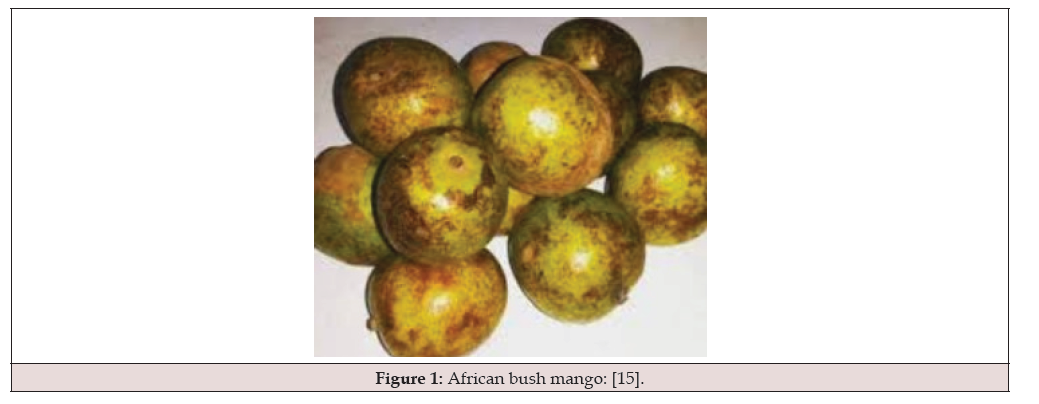
Figure 1:African bush mango: [15].
Nutritional and Phytochemical Composition of African Bush Mango
The nutritional and phytochemical profiles of African bush mango (Irvingia gabonensis var. gabonensis and var. excelsa) provide a strong scientific basis for its traditional use and recognition as a functional food and nutraceutical. Both the fruit pulp (Ugiri) and seed kernel (Ogbono) contain complementary nutrients and bioactive compounds that collectively support human health, metabolic regulation, and disease prevention [2,9,24].
Proximate Composition and Nutritional Significance
Analyses of proximate composition consistently indicate that I. gabonensis seeds are energy-dense due to their high lipid content (60–70%), depending on variety, maturity, and processing methods [6,20]. This lipid content enhances caloric value and satiety when consumed in traditional soups [2,29]. Carbohydrates make up 15–20% of seed composition, largely as soluble dietary fiber and non-digestible polysaccharides, which slow nutrient absorption, modulate postprandial glucose levels, and prolong satiety important for obesity and type 2 diabetes management [9]. Seed protein content is moderate (7–10%) and contributes to dietary protein adequacy, particularly when combined with cereals or tuber-based staples [30]. Ash content (2–4%) reflects essential inorganic minerals supporting metabolic functions [2]. The fruit pulp, Ugiri, has higher moisture but lower fat levels and provides readily available carbohydrates, sugars, and fiber, supporting energy intake and digestive health [6,9].
Lipid Composition and Fatty Acid Profile
Lipids represent 60–70% of seed dry weight and are mainly stored as triglycerides [6]. Fatty acid analysis shows a predominance of saturated fatty acids, including myristic (C14:0), lauric (C12:0), and palmitic acid (C16:0), alongside monounsaturated (oleic C18:1) and polyunsaturated fatty acids (linoleic C18:2) [20]. Unsaturated fats contribute to membrane fluidity, hormone synthesis, and lipid metabolism, while saturated fats provide energy density and enhance traditional food textures [2]. Clinical studies show beneficial lipid modulation with I. gabonensis seed extracts, including reductions in total cholesterol, LDL, and triglycerides, with modest HDL increases. These effects result from synergistic actions of dietary fiber, phenolic compounds, and unsaturated fatty acids influencing gut lipid absorption and hepatic cholesterol synthesis [30,37].
Protein Quality and Amino Acid Profile
Seed protein contains essential amino acids lysine, leucine, valine, and isoleucine often limiting in cereal-based diets, contributing to protein synthesis, immune function, and enzymatic activity [9]. Ogbono in starchy soups improves overall dietary protein quality and nitrogen balance [6].
Mineral Composition and Physiological Roles
Seeds are rich in calcium, magnesium, potassium, phosphorus, iron, and zinc [2,9]. Calcium and phosphorus aid bone mineralization; magnesium is a cofactor in enzymatic reactions, including glucose metabolism; potassium regulates fluid balance, nerve function, and blood pressure. Iron and zinc support hemoglobin synthesis, immunity, and antioxidant defense. The fruit pulp adds vitamin C and β-carotene, which enhance immunity and act as antioxidants while improving non-heme iron absorption [6].
Phytochemical Profile and Antioxidant Activity
Phytochemical screening reveals flavonoids, phenolic acids, tannins, saponins, alkaloids, and terpenoids in seeds and pulp [9,18]. These compounds exert antioxidant, anti-inflammatory, and metabolic modulatory effects. Antioxidant potential is confirmed by DPPH and FRAP assays, protecting cells against oxidative stress implicated in diabetes, cardiovascular disease, and cancer [30].
Bioactive Compounds and Molecular Mechanisms
Bioactive compounds, including terminalin (a phenolic), enhance glucose uptake in muscle cells via inhibition of protein tyrosine phosphatases, improving insulin sensitivity [37]. Flavonoids scavenge ROS and reduce oxidative stress, while soluble fiber modulates adipocytokines (leptin, adiponectin), improving metabolic regulation and cardiovascular protection [6]. Saponins and alkaloids also contribute to hypolipidemic, anti-inflammatory, and antioxidant effects, supporting traditional uses [9]. The nutrients and bioactive compounds provide multifaceted modulation of glucose and lipid metabolism, adipose tissue function, and oxidative stress, supporting the use of Irvingia gabonensis as a functional food and nutraceutical for obesity, metabolic syndrome, and type 2 diabetes management [30,37].
Therapeutic and Functional Health Benefits of African Bush Mango (Irvingia gabonensis)
African bush mango (Irvingia gabonensis), including the edible fruit pulp (Ugiri) and seed kernel (Ogbono), is increasingly recognized not only as a traditional food but also as a functional food and nutraceutical. Its health-promoting effects arise from a unique combination of macronutrients, soluble fibers, essential minerals, and bioactive compounds such as phenolics, flavonoids, saponins, and alkaloids. These constituents act synergistically to modulate metabolism, oxidative stress, inflammation, and gut health, thereby supporting overall physiological well-being [17,24].
Anti-Obesity and Weight Management Effects
Obesity is a complex metabolic disorder characterized by excessive fat accumulation and is strongly associated with insulin resistance, type 2 diabetes, cardiovascular diseases, and chronic inflammation [27]. African bush mango (Irvingia gabonensis), particularly the seed kernel (Ogbono), has been shown to exert significant anti-obesity effects, largely due to its high soluble fiber content and the presence of bioactive compounds such as terminalin, flavonoids, and saponins [17,24]. The soluble fiber in the seeds forms a viscous gel in the gastrointestinal tract, which slows gastric emptying and nutrient absorption, prolongs satiety, reduces hunger, and limits total caloric intake during meals [17]. This fiber-mediated effect contributes directly to improved energy balance and helps prevent excessive fat storage. In addition to its fiber content, the bioactive compounds in African bush mango modulate adipose tissue function at the molecular level. Terminalin and flavonoids regulate the secretion of adipocytokines, including leptin and adiponectin, which are critical for appetite control, insulin sensitivity, and fatty acid oxidation [17,24]. Increased adiponectin enhances fat metabolism and glucose regulation, while proper leptin signaling prevents leptin resistance, a common factor in obesity. These mechanisms collectively reduce visceral fat accumulation and improve overall metabolic health.
Clinical studies have confirmed the anti-obesity potential of African bush mango. Randomized controlled trials have demonstrated that supplementation with standardized Ogbono seed extract for eight to twelve weeks results in significant reductions in body weight, Body Mass Index (BMI), waist circumference, and visceral fat in overweight and obese individuals [17,24]. Notably, these interventions showed no adverse effects on liver or kidney function, indicating that African bush mango is safe for regular consumption. The anti-obesity effects of African bush mango are further enhanced by the synergy between its soluble fiber and bioactive compounds. While the fiber slows nutrient absorption and regulates appetite, the bioactives influence adipocyte metabolism, enhance lipolysis, and reduce inflammation in adipose tissue [17,24]. Together, these complementary actions support sustained weight management, improve metabolic markers, and help reduce obesity-related health risks. Overall, the consumption of African bush mango provides a holistic and natural approach to weight control by combining nutrient- mediated satiety with molecular modulation of fat metabolism, confirming its value as a functional food in obesity prevention and management [17,24].
Modulation of Glucose Metabolism and Anti-Diabetic Potential
African bush mango (Irvingia gabonensis) has been extensively studied for its effects on glucose regulation and the management of type 2 diabetes. The anti-diabetic potential of the fruit pulp (Ugiri) and seed kernel (Ogbono) is primarily attributed to the combined effects of soluble fiber and bioactive compounds, including terminalin, phenolic acids, and flavonoids [17,24,37]. Soluble fibers present in the seed’s slow carbohydrate digestion and absorption, reducing postprandial glucose spikes and promoting stabilization of blood glucose levels [17]. This delayed absorption also reduces insulin demand and helps improve overall insulin sensitivity in overweight or obese individuals.
At the molecular level, terminalin and other phenolic compounds enhance insulin signaling by inhibiting protein tyrosine phosphatases, which negatively regulate insulin receptor pathways [37]. This inhibition increases glucose uptake in skeletal muscle cells and promotes efficient utilization of circulating glucose. Additionally, the bioactive compounds positively influence adipocyte function and improve the secretion of adiponectin, a hormone that enhances fatty acid oxidation and supports insulin sensitivity [17,24]. Together, these mechanisms contribute to improved glucose homeostasis and reduced risk of insulin resistance. Supplementation with standardized seed extracts for eight to twelve weeks has been shown to significantly reduce fasting blood glucose, insulin levels, and HOMA-IR in overweight and obese individuals, confirming its practical utility as a complementary intervention in metabolic health management [17,24]. These interventions were also well-tolerated, with no reported adverse effects on liver or kidney function.
Improvement of Lipid Profile and Cardiovascular Function
Dyslipidemia, characterized by elevated levels of total cholesterol, Low-Density Lipoprotein (LDL), and triglycerides, is a major risk factor for cardiovascular diseases. African bush mango (Irvingia gabonensis), particularly the seed kernel (Ogbono), has been demonstrated to exert beneficial effects on lipid metabolism, contributing to improved cardiovascular health. The lipid-lowering potential of I. gabonensis is largely attributed to its soluble fiber content and bioactive compounds, including flavonoids, polyphenols, and unsaturated fatty acids [22,24]. The soluble fiber binds bile acids in the intestine, promoting their excretion and reducing the enterohepatic recycling of cholesterol. This process stimulates the liver to utilize circulating cholesterol for bile acid synthesis, resulting in lower total cholesterol and LDL levels. In addition, the bioactive compounds and unsaturated fatty acids present in the seeds modulate lipid metabolism by enhancing fatty acid oxidation and reducing triglyceride accumulation, thereby preventing ectopic fat deposition in the liver and other tissues [22].
African bush mango also exerts antioxidant effects that are critical for cardiovascular protection. Polyphenols and flavonoids prevent oxidative modification of LDL cholesterol, a key step in the initiation and progression of atherosclerosis [24]. By reducing LDL oxidation, these compounds help maintain vascular integrity and limit plaque formation in arterial walls. Clinical studies provide further evidence of the cardiometabolic benefits of African bush mango. Supplementation with standardized seed extracts for 8–12 weeks has been shown to significantly improve lipid profiles, including reductions in total cholesterol, LDL cholesterol, and triglycerides, along with modest increases in High-Density Lipoprotein (HDL) levels [22,24]. Some studies also report mild reductions in blood pressure, indicating an overall improvement in cardiovascular risk factors. Importantly, these interventions were well-tolerated and did not produce adverse effects on liver or kidney function.
Antioxidant and Anti-Inflammatory Activities
Chronic oxidative stress and inflammation are central mechanisms in the development of metabolic disorders, cardiovascular diseases, and degenerative conditions. African bush mango (Irvingia gabonensis), including both the seed kernel (Ogbono) and fruit pulp (Ugiri), exhibits significant antioxidant and anti-inflammatory properties, which are largely attributed to its diverse phytochemical content, including phenolics, flavonoids, terpenoids, and saponins [26,33]. The antioxidant effects of African bush mango are primarily mediated through the scavenging of Reactive Oxygen Species (ROS). Phenolic compounds and flavonoids neutralize free radicals, preventing oxidative damage to lipids, proteins, and DNA. By protecting cellular macromolecules from oxidative stress, these bioactive compounds contribute to the prevention of endothelial dysfunction, atherosclerosis, and other oxidative stress-related disorders [33].
In addition to direct antioxidant activity, African bush mango exerts anti-inflammatory effects through the modulation of pro-inflammatory enzymes and cytokines. Bioactive compounds inhibit Cyclooxygenase (COX) and Lipoxygenase (LOX) activity, reducing the synthesis of pro-inflammatory mediators, while also downregulating inflammatory cytokines such as Tumor Necrosis Factor-Alpha (TNF-α) and interleukin-6 (IL-6) [26]. This dual action decreases systemic inflammation, which is particularly relevant in obesity, metabolic syndrome, and cardiovascular disease, where chronic low-grade inflammation drives disease progression. Clinical and experimental studies support these protective effects, invitro assays, including DPPH and FRAP tests, have demonstrated strong free radical scavenging activity of I. gabonensis extracts, confirming their antioxidant capacity. Additionally, supplementation with seed extracts has been associated with reductions in biomarkers of oxidative stress and inflammation in human and animal models, indicating potential therapeutic value for the prevention and management of chronic metabolic diseases [26,33].
Gastrointestinal Health and Prebiotic Effects
African bush mango (Irvingia gabonensis), particularly its seed kernel (Ogbono), plays a significant role in promoting gastrointestinal health due to its high content of soluble fiber and mucilaginous polysaccharides [3]. The soluble fiber increases stool bulk and improves bowel motility, contributing to regular defecation and the prevention of constipation, which is particularly beneficial in populations consuming low-fiber diets. Furthermore, the gel-like properties of these fibers slow nutrient absorption and provide a substrate for fermentation by beneficial gut microbiota, leading to the production of Short-Chain Fatty Acids (SCFAs) such as acetate, propionate, and butyrate [3,17]. SCFAs serve as energy sources for colonocytes, strengthen intestinal barrier function, and modulate systemic metabolism, including glucose and lipid regulation.
The prebiotic effects of African bush mango also contribute to a healthy gut microbiome composition, favouring the growth of beneficial bacteria such as Bifidobacterium and Lactobacillus species while inhibiting the proliferation of pathogenic organisms. This modulation of gut microbiota not only enhances digestive function but also indirectly supports metabolic health by influencing insulin sensitivity, lipid metabolism, and systemic inflammatory status [17,24].
Anti-Cancer and Cytoprotective Potential
African bush mango (Irvingia gabonensis), including its fruit pulp (Ugiri) and seed kernel (Ogbono), has demonstrated potential anti-cancer and cytoprotective effects in several preclinical studies. These effects are largely attributed to its rich phytochemical composition, including phenolic compounds, flavonoids, saponins, and alkaloids, which exhibit antioxidant and anti-proliferative activities [23,26]. The antioxidant properties of these bioactive compounds play a critical role in protecting DNA, proteins, and lipids from oxidative damage, which is a key factor in carcinogenesis. By neutralizing Reactive Oxygen Species (ROS), I. gabonensis contributes to cellular homeostasis and reduces the initiation of cancerous [33].
In addition to antioxidant activity, phenolics and flavonoids in African bush mango have been shown to induce apoptosis and cell cycle arrest in tumor cells in vitro. These compounds can activate intrinsic and extrinsic apoptotic pathways, promoting programmed cell death in abnormal cells while sparing healthy tissue. Moreover, the anti-inflammatory effects of the bioactives reduce chronic inflammation, which is widely recognized as a cofactor in cancer progression [26].
Functional Food Attributes and Overall, Health Implications
African bush mango (Irvingia gabonensis), including its edible fruit pulp (Ugiri) and seed kernel (Ogbono), demonstrates clear potential as a functional food due to its rich nutritional and bioactive composition [29]. The combination of macronutrients, soluble fibers, essential minerals, and diverse phytochemicals including phenolics, flavonoids, saponins, and alkaloids confers multiple health-promoting effects that extend beyond basic nutrition [17,33]. These compounds act synergistically to modulate metabolic pathways, reduce oxidative stress, attenuate chronic inflammation, and support gastrointestinal and cardiovascular health. As a functional food, African bush mango contributes to weight management and obesity prevention through the satiating properties of its soluble fiber and the metabolic effects of its bioactive compounds. It enhances glycemic control by improving insulin sensitivity, modulating adipocytokines, and slowing carbohydrate absorption [17,37]. Simultaneously, it positively influences lipid metabolism and cardiovascular function by lowering total cholesterol, LDL cholesterol, and triglycerides, while protecting against oxidative modification of lipids [22,24].
In addition, African bush mango provides antioxidant, anti-inflammatory, and cytoprotective effects, reducing reactive oxygen species, inhibiting pro-inflammatory cytokines, and supporting cellular resilience, which collectively may reduce the risk of chronic diseases such as diabetes, cardiovascular disorders, and degenerative conditions [26,33]. Its soluble fiber and mucilaginous polysaccharides also promote gastrointestinal health and prebiotic activity, enhancing bowel function and supporting beneficial gut microbiota that contribute to systemic metabolic regulation [3]. The convergence of these effects demonstrates that African bush mango functions as a multi-targeted functional food, offering both preventive and adjunctive health benefits. Its integration into traditional diets or as a component of nutraceuticals, dietary supplements, and functional foods can support the management of metabolic syndrome, obesity, type 2 diabetes, cardiovascular disease, and potentially provide chemopreventive effects against certain cancers. Overall, I. gabonensis exemplifies a natural, safe, and effective dietary intervention with broad implications for public health and disease prevention [17,24,33].
Traditional and ethno medicinal Uses of African Bush Mango
African bush mango (Irvingia gabonensis), native to the humid forests of West and Central Africa, has long been integrated into both the dietary and medicinal practices of local communities. Beyond its role as a seasonal food, the plant is highly regarded in ethno medicine, where different parts including seeds, fruit pulp, leaves, bark, and roots are utilized for treating a variety of ailments and maintaining general health [10,25,28,34]. The traditional use of the plant reflects a holistic understanding of health, in which food and medicine are closely linked (Irvine, 1961). The seed kernel, or Ogbono, is the most frequently used component in ethno medicine, locally, it is valued for its ability to manage body weight, regulate blood sugar, and improve digestive function. Traditional healers prepare the seeds as powders or decoctions, which are ingested to reduce excessive weight or alleviate symptoms of metabolic disorders. The mucilaginous nature of the seeds, which forms a viscous gel when cooked, is believed to promote satiety, slow nutrient absorption, and support healthy digestion, reflecting an empirical understanding of appetite regulation and glycemic control [7,11,22,25].
The edible fruit pulp, known as Ugiri, serves dual purposes as a nutritive and therapeutic component. In traditional medicine, Ugiri is used to treat fever, relieve respiratory conditions such as coughs, and alleviate malaria-like symptoms. It is also consumed as a tonic and mild diuretic, which is believed to enhance kidney function, support detoxification, and improve overall vitality. Some communities combine the pulp with other herbal remedies to enhance its efficacy, demonstrating the integration of synergistic herbal practices in ethno medicine [28,34,35]. The non-fruit parts of I. gabonensis also holds medicinal value. Bark decoctions are traditionally applied to wounds to reduce inflammation and accelerate healing, while leaf extracts are used to relieve gastrointestinal discomfort or manage mild infections. Root preparations are sometimes used in febrile illnesses and to alleviate systemic infections. These uses highlight the multipurpose role of the plant in traditional healthcare systems, reflecting the observation-based knowledge accumulated over generations [7,10,26,34].
African bush mango is not only a food and medicine but also a culturally significant species. Its seeds and pulp are incorporated into everyday meals, providing nutritional sustenance while simultaneously delivering therapeutic benefits. This dual role emphasizes the philosophy of “food as medicine” prevalent in many African societies, where dietary practices are closely intertwined with preventive healthcare [13,34]. Modern research has increasingly validated the ethno medicinal uses of African bush mango. The anti-obesity, glucose-lowering, antioxidant, and lipid-modulating effects observed in clinical and preclinical studies align with traditional claims regarding weight management, diabetes, and cardiovascular health [17,22,24]. The soluble fiber and bioactive compounds, such as flavonoids and phenolics, present in seeds and pulp explain many of these therapeutic effects, demonstrating that ethno medicinal knowledge can serve as a guide for functional food and nutraceutical development [26,33].
The traditional and ethno medicinal applications of African bush mango illustrate its cultural, nutritional, and therapeutic significance. Its use in managing metabolic disorders, digestive issues, inflammatory conditions, and infectious diseases provides a strong basis for scientific inquiry and clinical application. The convergence of traditional knowledge with modern research underscores the potential of I. gabonensis as a natural, safe, and effective resource for improving human health [17,24,25].
Conclusion
African bush mango (Irvingia gabonensis), including its fruit pulp (Ugiri) and seed kernel (Ogbono), is a plant of considerable nutritional, medicinal, and cultural importance in West and Central Africa. Its rich composition of macronutrients, soluble fibers, essential minerals, and diverse bioactive compounds such as phenolics, flavonoids, saponins, and alkaloids confers a wide range of physiological benefits [29]. The plant demonstrates significant effects on weight management, glucose metabolism, lipid regulation, antioxidant and anti-inflammatory activity, gastrointestinal health, and cellular protection, highlighting its potential as a functional food and nutraceutical. The traditional and ethno medicinal applications of African bush mango further underscore its therapeutic significance, with local communities utilizing the seeds, pulp, leaves, bark, and roots to manage metabolic disorders, digestive ailments, infections, and inflammatory conditions. Many of these traditional uses are supported by modern research, demonstrating that natural foods with ethno medicinal importance can provide practical health benefits.
I. gabonensis represents a strong example of the synergy between traditional knowledge and modern nutritional science, showing that culturally significant foods can be developed into evidence-based strategies for improving human health. Future research should focus on standardized clinical trials, isolation of bioactive compounds, and long-term safety assessments to fully harness the therapeutic potential of African bush mango and to support its broader application in addressing metabolic, cardiovascular, gastrointestinal, and other chronic health conditions.
Acknowledgement
I humbly thank the staff members of the Department of Food Science and Technology and Microbiology respectively for allowing me some spare time which enabled me to do this review. My family and friends, I thank you all for your support.
Conflict of Interest
The author declares that there is no conflicting interest on this work.
References
- Abbiw DK (1990) Useful plants of Ghana: West African uses of wild and cultivated plants. Intermediate Technology Publications. London and Royal Botanic Gardens, Kew pp. 154-157.
- Adebayo OT, Adekoya AO, Adetunji OA (2025) Nutritional composition and health benefits of Irvingia gabonensis seeds and pulp. Journal of Food Science and Nutrition 12(3): 145-160.
- Adepoju T, Adejumo O (2021) Nutritional and prebiotic properties of African bush mango (Irvingia gabonensis). Journal of Food Science and Nutrition 10(2): 45-58.
- Akinmoladun AC, Ibukun EO, Dan Ologe IA, Olaleye MT (2020) Phytochemical constituents and biological activities of Irvingia gabonensis: Implications for metabolic syndrome management. Journal of Ethnopharmacology 250: 112-121.
- Akinmoladun FO, Adebiyi OB, Akinyemi A (2020) African bush mango (Irvingia gabonensis) supplementation and metabolic health: Evidence from clinical trials. Nutrition and Metabolic Insights 13: 1-12.
- Amakiri EO, Sunday I, Gift A (2024) Proximate composition, bioactive compounds, and functional properties of African bush mango (Irvingia gabonensis). African Journal of Food Science 18(2): 77-92.
- Arogba SS (2006) Chemical composition and functional properties of Irvingia gabonensis Journal of Food Chemistry 97(2): 243-250.
- Arogba SS (2014) Nutritional and medicinal potentials of Irvingia gabonensis Journal of Food and Nutrition Sciences 2(3): 45-52.
- Atanu E, Ikeojukwu A, Owolabi F, Avwioroko P (2022) Phytochemical constituents and antioxidant activity of Irvingia gabonensis Journal of Functional Foods 87: 104857.
- Burkill HM (2000) The useful plants of West Tropical Africa (2nd, Vol. 1). Royal Botanic Gardens, Kew.
- Ejiofor MA, Onuigbo EB, Nwaogu I (1987) Ethnobotanical uses of some Nigerian plants. Journal of Ethnopharmacology 20(2): 137-145.
- Hu FB (2003) Plant-based foods and prevention of cardiovascular disease: An overview. American Journal of Clinical Nutrition 78(3): 544S-551S.
- Irvine FR (1961) Woody Plants of Ghana. Oxford University Press.
- Kuete V, Mbaveng AT, Efferth T (2017) Phytochemical and pharmacological properties of African medicinal plants: The case of Irvingia gabonensis. Frontiers in Pharmacology 8: 1-15.
- Leakey RRB (2014) Edible forest gardens: Tropical species with promise for food and nutrition. London: Earthscan.
- Leakey RRB, Tchoundjeu Z, Schreckenberg K, Shackleton S, Tchoumboue J (2000) Agroforestry trees as food: Genetic resources for food security and human health. FAO.
- Lee K, Kim J, Park H (2020) Functional properties and health benefits of Irvingia gabonensis in obesity and metabolic syndrome. Nutrition Research Reviews 33(1): 84-102.
- Mgbemena UN, Obasi SC, Onwuliri FC (2019) Phytochemistry and medicinal potential of Irvingia gabonensis. International Journal of Herbal Medicine 7(4): 10-18.
- Ndjouenkeu R, Mbezele J (2007) Nutritional composition and uses of Irvingia gabonensis in Central Africa. African Journal of Biotechnology 6(8): 1025-1031.
- Ndjouenkeu R, Mbezele J, Amougou A (1996) Chemical composition and functional properties of Irvingia gabonensis Food Chemistry 56(3): 241-246.
- Ndoye O, Tchoumboue J, Leakey RRB (1997) Nutritional composition of Irvingia gabonensis seeds and fruit. Forest Ecology and Management 91(1-3): 203-210.
- Ngondi JL, Oben JE, Mink SR (2009) Effects of Irvingia gabonensis seeds on body weight and metabolic markers in overweight humans: A clinical trial. Lipids in Health and Disease 8: 7.
- Ngondi JL, Oben JE, Moukette B (2005) Effect of Irvingia gabonensis seeds on body weight and blood lipids of obese subjects in Cameroon: A pilot study. Lipids in Health and Disease 4: 12.
- Nonsa ard P, Charoensiri R, Jongrungruang S (2022) Effects of Irvingia gabonensis seed extract on oxidative stress and adipocytokine modulation in overweight adults: A randomized controlled trial. Journal of Functional Foods 92: 105048.
- Oben JE, Ngondi JL, Agbor GA (2008) Traditional uses and health benefits of African bush mango (Irvingia gabonensis). African Journal of Food Agriculture, Nutrition and Development 8(4): 450-462.
- Omonkhua O, Adegoke O, Ejele A (2014) Phytochemical composition and bioactive properties of Irvingia gabonensis seeds and pulp. International Journal of Herbal Medicine 2(4): 95-102.
- Onakpoya I, Hung SK, Perry R, Wider B, Ernst E (2013) The use of Irvingia gabonensis supplementation in the management of overweight and obesity: A systematic review of randomized controlled trials. Journal of Dietary Supplements 10(1): 29-38.
- Onuegbu JC, Ndidi US, Eze PC (2019) Nutritional and therapeutic potentials of Irvingia gabonensis varieties: A comparative study. Journal of Nutritional Biochemistry 68: 108-118.
- Okoronkwo CU, Agoha EEC, Ogodo AC, Nwachukwu NO (2014) Physical and chemical characteristic of African bush mango (Irvingia garbonensis var garbonensis) seed oil. Int J Adv Engr Mgt (IJAEM) 1: (6).
- Osebhahiemen TO, Omoregie ES (2022) Irvingia gabonensis supplementation: Effects on lipid profile, antioxidant status, and metabolic markers in adults. Nutrition and Metabolism Insights 15: 1-12.
- Popkin BM, Adair LS, Ng SW (2012) Global nutrition transition and the pandemic of obesity in developing countries. Nutrition Reviews 70(1): 3-21.
- Ross SM (2011) African mango (Irvingia gabonensis): A review of clinical trials for weight loss and metabolic improvement. Holistic Nursing Practice 25(4): 202-204.
- Sirotkin AV (2024) Phytochemicals in Irvingia gabonensis: Mechanisms of antioxidant, anti-inflammatory, and metabolic regulation. Phytotherapy Research 38(2): 212-230.
- Sofowora A (2008) Medicinal plants and traditional medicine in Africa (3rd ed.). Spectrum Books Ltd.
- Trease GE, Evans WC (2009) Pharmacognosy (16th). Saunders/Elsevier.
- WHO (2022) Noncommunicable diseases country profiles 2022. World Health Organization.
- Yoon H, Lee K, Park J (2022) Terminalin from Irvingia gabonensis seeds enhances glucose uptake in muscle cells via protein tyrosine phosphatase inhibition. Journal of Agricultural and Food Chemistry 70(15): 4532-4541.




 We use cookies to ensure you get the best experience on our website.