
Research Article 
 Creative Commons, CC-BY
Sociodemographic, Worked Related, Marital, Musculoskeletal Pain Related, Health Related and Treatment Related Characteristics Among Construction Workers From Dhaka City
*Corresponding author:ASM Giasuddin, Professor of Biochemistry & Immunology (Retd.), Senior Consultant in Laboratory Medicine (Biochemistry & Immunology), Impulse Hospital, ImHS&RCLtd, 304/E Tejgaon Industrial Area, Dhaka-1208, Bangladesh.
Received:April 06, 2026; Published:April 13, 2026
DOI: 10.34297/AJBSR.2026.30.003975
Abstract
Background: Musculoskeletal pain (MSP) related to work affects many different occupations in a significant way. Literature review indicated that limited or no studies were reported about socio-demographic and various other characteristics relevant to MSP in construction workers from Dhaka City.
Objectives: To ascertain the various features and characteristics relevant to MSP among construction workers from Dhaka city Bangladesh.
Materials and Methods: A descriptive cross-sectional study involving 112 construction workers and collecting information using pretested data collection sheet on their socio-demographic, work related, musculoskeletal pain related, health related and treatment-related characteristics related to MSP. The data were analyzed using SPSS version 22.0 computer software.
Results: The majority of respondents were between 18 and 29 years of age (68.8%), with a mean age ± SD of 26.99 ± 9.36 years. All of them were males and followed the religion of Islam (112,100%). Most were married (56%), had no formal schooling for education (21.4%), and lived in households with <5 family members (65.2%). The majority earned Tk 15000 to 19000 per month (48.2%), most of them had 1–5 years of work experience (50.0%) and worked 8 hours per day (81.3%). The postures followed during working were standing (41.1%), mixed (35.7%) and had no training for work (50.9%). About 78.6% did not use any protective equipment when there was an accidental history (43%). Smoking habits were prevalent in 66.1% of respondents. The overall prevalence of MSP among these construction workers was 60.7% (n=68). Treatment received by 65/68 (95.6%) of them having MSP, among them medicine 77% (n=50), physiotherapy 8% (n=5), aurbedic 4% (n=3), homeopathic 3% (n=2), other treatments 8% (n=5) and prognosis was 75.4% i.e. 49 respondents reported feeling better after taking treatments.
Conclusions: The present study identified various sociodemographic, work-related and treatment related characteristics relevant to prevalence of MSP in construction workers from Dhaka city. It would be logical to investigate the associations of various characteristics with MSP in the construction workers in future. Appropriate health care strategies be adopted and followed to ensure healthy life for construction workers.
Keywords:MSD, MSP, Work related characteristics, Construction workers
Introduction
Musculoskeletal Pain (MSP) affects many different occupations and the general population in a significant way. Several studies have shown workers in the construction industry are amongst the top three occupations at risk of developing MSP. Worldwide more than a hundred million workers are engaged in the construction sector formally, while equal numbers are involved informally [1]. Construction workers may be at risk of developing MSP, one of the most common occupational health issues. Construction workers around the world tend to have more musculoskeletal complaints that affect one or more body regions [2]. Heavy physical labor, uncomfortable protracted postures and manual handling of materials by construction workers can result in a variety of musculoskeletal problems and illnesses [3,4].
Due to poor health and work capacity brought on by Musculoskeletal Disorders (MSDs), absenteeism expenses rise as a result of lower productivity at work [5]. According to a national health interview study conducted in the US, construction workers have the highest chance of developing Low Back Pain (LBP) at work [6]. According to a British study, the 1-year cumulative incidence of LBP for construction workers was 40%, compared to 28% for managers [7]. Musculoskeletal symptoms at work are the most common cause of occupational disability among construction workers [8]. The majority of studies on Work-Related Musculoskeletal Symptoms (WRMSS) focused on the office, service or manufacturing industries. However, among the ten most frequently reported industries, the construction industry is regarded as one of the most hazardous for WRMSS [9].
Most of the construction activities in Bangladesh are handled by manual labors. The workers perform these tasks by continual repetitive body movement and force exertion leading to Work-Related Musculoskeletal Disorders (WMSDs). In the construction sites, the amount of hazards are more than 8 times risky than other manufacturing industries Also in general, construction work needs exposer to awkward postures, lifting and carrying of heavy loads, manual handling of weighty materials, repeated bending, twisting of the body, and working over shoulder height, working under knee level and static position for a long period. The workers do all these activities in a difficult environment and therefore, WMSDs are common health problems in construction workers [10,11].
In 2012 Leung et al reported that most of their construction workers (76.2%) in Taiwan were suffering from MSDs. Among them, 47% of workers were reported to have WRMSS at shoulders. A total of 43.8% of the workers had neck pain and only 38.1% of workers blamed they had a low back symptom. Construction work places have been considered as highly stressful and risk zones for the workers. As a result, the injury incident rate and stress level among construction workers are high [12]. In 2019 Shafique and Rafiq reported that the construction site is one of the most hazardous places for the workers compared to other industries in Hong Kong. They showed that most of the accidental injuries occurred among construction workers were due to fall of the person from the height and slip, trip or fall on the same level [13].
Literature review indicated that scanty studies in this area of research were reported from Bangladesh [13,14]. Therefore, the present descriptive cross-sectional study titled “Sociodemographic, Worked Related Health Related, Marital, Musculoskeletal Pain Related, Behavioral and Treatment Related Characteristics Among Construction Workers from Dhaka City” was undertaken and the findings were reported here.
Materials and Methods
Study Design: A descriptive cross-sectional study.
Study Population: Construction workers from Dhaka city.
Study Area: Dhaka city.
Study Period: Six months from February 2023 to July 2023; Sample Size: The formula for one-sample population was used to calculate the sample size [11,15,16]. However, due to limitations of time and finance, sample size was limited to 112 in the present study.
Inclusion Criteria: Only male participants were selected aged ≥ 18 years who were willing to give consent and participate in the study.
Exclusion Criteria: Subjects who were not willing to participate in the study and medically unstable; Sampling Technique: Sample selected conveniently and purposely to interview the study population following inclusion and exclusion criteria.
Data Collection Procedure: The semi-structured questionnaire was developed in English and then translated into Bangla. The questionnaire was pretested among construction workers from the study area of Dhaka city. The data were collected through face-toface interview using the pretested semi-structured questionnaire; Written informed consent was obtained using the consent form at the time of enrolling the participants.
Data Analysis and Presentation: Microsoft Excel was used for data entry, while SPSS 22.0 software was used for analyzing the data. The data were presented as frequency and percentage in the form of tables and figures as required.
Ethical Consideration: International ethical guidelines for biomedical research involving human subjects were followed throughout the study [17].
Results
The information obtained from the respondents were analyzed and the results are presented below.
Part-A: Socio-Demographic and anthropometric characteristics of respondents (n=112)
Respondents by Age: Among the 112 participants, the age rang was 18-61 Years (mean ± SD: 26.99 SD ± 9.36). Approximately 68.8% (n = 77) were among the age group 18–29 years; 22.3% (n = 25) were among the age group 30–40 years; 5.4% (n = 6) were among the age group 41–50 years and 3.6% (n = 4) were among the age group 51–61 years. The first group has the highest percentage (Table 1).
Respondents by Body Mass Index: Among the 112 respondents; approximately 24.1% (n = 27) were among the BMI <18.5(underweight), 67.9% (n = 76) were among the (BMI) range 18.5-24.9 (normal), 6.3% (n = 7) were among the BMI range 25.0-29.9 (overweight), and 1.8% (n = 2) were among the BMI range >30.0 (obese). The second group had the highest percentage (Table 2).
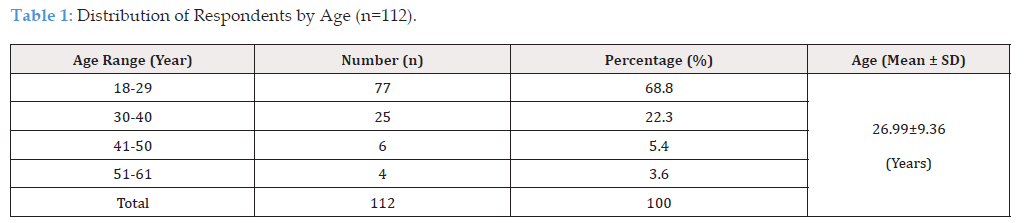
Table 1:Distribution of Respondents by Age (n=112).
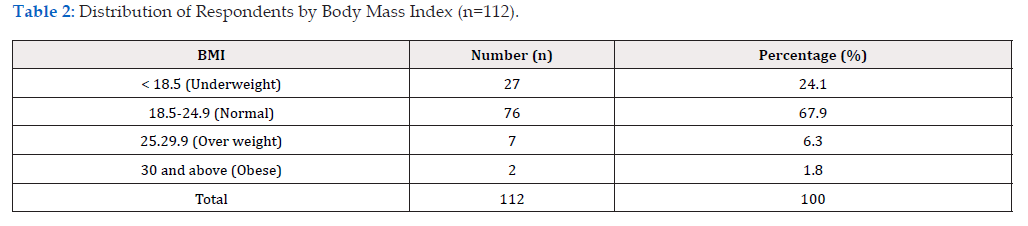
Table 2:Distribution of Respondents by Body Mass Index (n=112).
Respondents by Marital Status: The distribution of respondents by Marital Status (n=112) indicated that 56.3% (n = 63) of the respondents were married, 42.0% (n = 47) were unmarried, 0.9% (n = 1) were separated and (0.9%) n = 1 were engaged respectively (Figure 1).
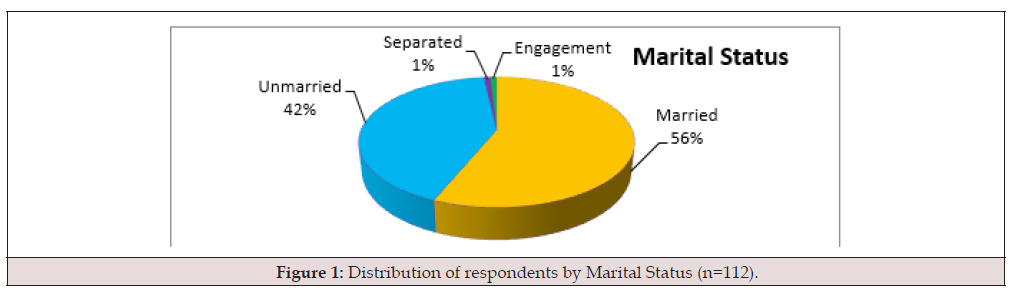
Figure 1:Distribution of respondents by Marital Status (n=112).
Respondents by Education Level: Among 112 respondents, 21.4% (n = 24) had no formal schooling, 38.4% (n = 43) had primary, 37.5% (n = 42) had secondary (SSC); 0.9% (n = 1) had higher secondary (HSC), 0.9% (n = 1) were graduates; and 0.9% (n = 1) were diploma holders and above. The second group had the highest percentage (Figure 2).
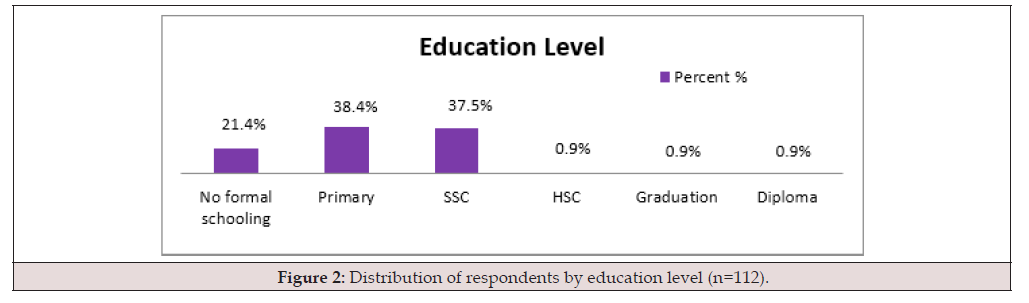
Figure 2:Distribution of respondents by education level (n=112).
Respondents by Religion: Among the 112 respondents all of them (112,100%) were Muslims.
Respondents by Number of Family Members: Among the 112 respondents, about 65.2% (n = 73) had <5 family members and 34.8% (n = 39) had >5 family members; the <5-member group had the highest percentage.
Respondents by Dominant Hand: The study showed that out of 112 respondents, approximately 92.9% (n = 104) were right-handed and 7.1% (n = 8) were left-handed. The right-handed person had the highest percentage.
Respondents by Monthly Income: Among the 112 respondents, 21.4% (n = 24) participants monthly income was 8,000– 14,000 taka, 48.2% (n = 54) was 15,000–19,000 taka, 25.9% (n = 29) was 20,000–29,000 taka, and 4.5% (n = 5) was 30,000–60,000 taka. The 2nd group had the highest percentage (Figure 3).
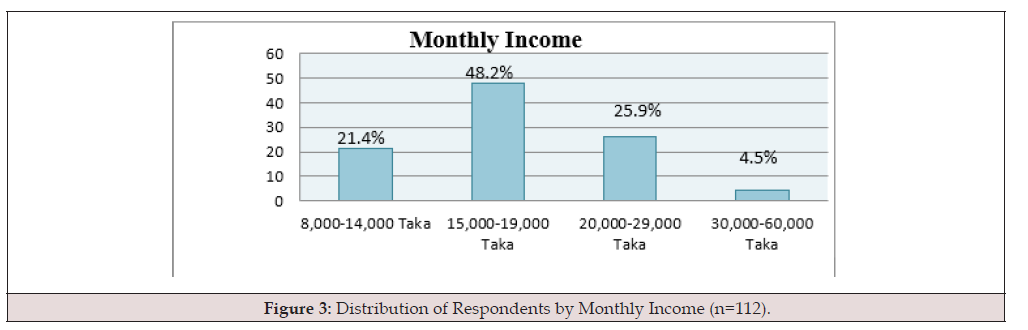
Figure 3:Distribution of Respondents by Monthly Income (n=112).
Part-B: Work-Related Characteristics of Respondents (n=112)
Respondents by Occupation: Among the 112 respondents, approximately 32.1% (n = 36) were manual laborers, 8.9% (n = 10) were electricians, 7.1% (n = 8) were painters, 10.7% (n = 12) were interior finish workers, 9.8% (n = 11) were bricklayers, 20.5% (n = 23) were Masonry and 10.7% (n = 12) were welders. The first group had the highest percentage (Figure 4).
Respondents by Received any Training: It was discovered that more than half of the participants 50.90% (n=57) did not receive training, while 49.10% (n=55) did receive training.
Respondents Working Experience: The analysis showed that 50.0% (n = 56) subjects had working experience of <5 years, 26.8% (n = 30) had experience of 5–10 years, and 23.2% (n = 26) had working experience > 10 years (Figure 5).
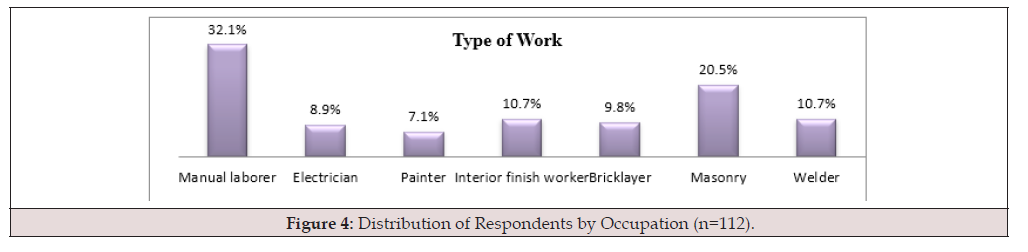
Figure 4:Distribution of Respondents by Occupation (n=112).
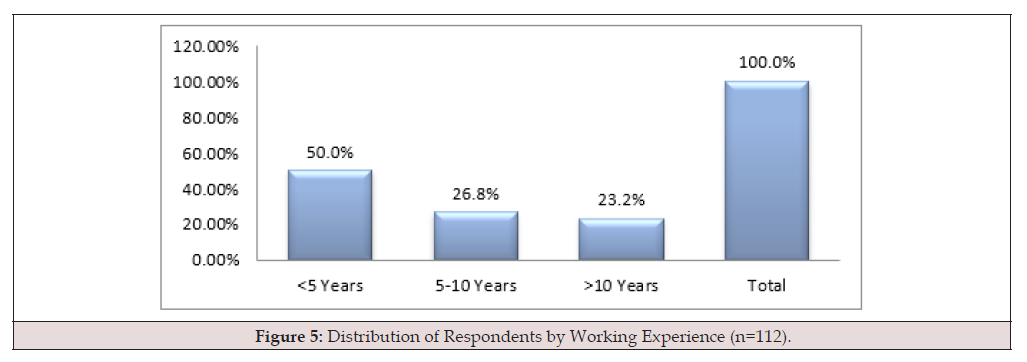
Figure 5:Distribution of Respondents by Working Experience (n=112).
Respondents by Days Work Per Week: This study showed that among the 112 respondents, 77.7% (n = 87) of the participants worked 7 days per week, and 22.3% (n = 25) worked ≤ 6 days per week. The first group had the highest percentage.
Respondents by Hours Per Day Work: This study showed that among the 112 respondents, 18.7% (n = 21) of the participants worked 8 hours or less per day, and 81.3% (n = 91) worked 9 hours or more per day. The second group had the highest percentage.
Respondents by Duration of Break Time During Work Per Day: The analysis showed that among the 112 respondents, 95.5% (n = 107) subjects had a break time of ≥ 30 minutes during work and 4.5% (n=5) subjects had a break time of < 30 minutes during work (Table 3).

Table 3:Duration of break during work.
Respondents Carrying Weight During Work: Out of 112 respondents, 26.8%. (n = 30) were carrying less than 20 kg of weight while working, 50.9% (n = 57) were carrying between 20 and 40 kg of weight while working, and 22.3% (n = 25) were carrying 41 to 60 kg weight while working. Most of the respondents belonged to the second group (Figure 6).

Figure 6:Distribution of respondents carry weight during work (n=112).
Respondents Accident History: The study revealed that out of a total of 112 instances, 42.9% (n=48) did have a history of accidents, while the remaining 57.1 % (n = 64) did not.
Respondents Using Protective Equipment: Out of 112 respondents, 21.4% (n = 24) used protective equipment and 78.6% (n = 88) did not use protective equipment while working. Most of the population belonged to the second group.
Respondents Posture Maintenance During Work: The 112 participants postures were observed and recorded. Standing posture had a frequency of 41.1% (n = 46), sitting posture was only 8.0% (n = 9), squatting was observed in12.5% (n=14) respondents, while a mixed posture was adopted by 35.7% (n=40) respondents, only 2.7% (n=3) respondents adopted bending posture (Figure 7).
Part-C: Pain Related Characteristics of Respondents
Prevalence of Musculoskeletal Pain:
The result showed that 60.7% (n = 68) of the respondents had musculoskeletal pain (MSP), and the rest of the participants, 39.3% (n = 44) had no musculoskeletal pain respectively.Severity of Injury: It was observed that 15.2% (n=17) had mild injury, 32.1% (n = 36) had moderate injury and 13.4% (n= 15) of the respondents had severe injury, respectively.
Location Pain: The most commonly reported location of pain was the lower back with 25.9% (n =38) reporting pain in this region. The second most common location was the knee pain (12.9%, n =19). Other frequently reported locations of pain included the wrist (11.6%, n =17), shoulder (10.2%, n = 15), foot (9.5%, n =14), upper back (4.8%, n = 7), neck (7.5%, n = 11), ankle (9.5%, n = 14), and elbow (6.1%, n = 9). The least commonly reported locations of pain were the hips (2.0%, n=3) (Figure 8).
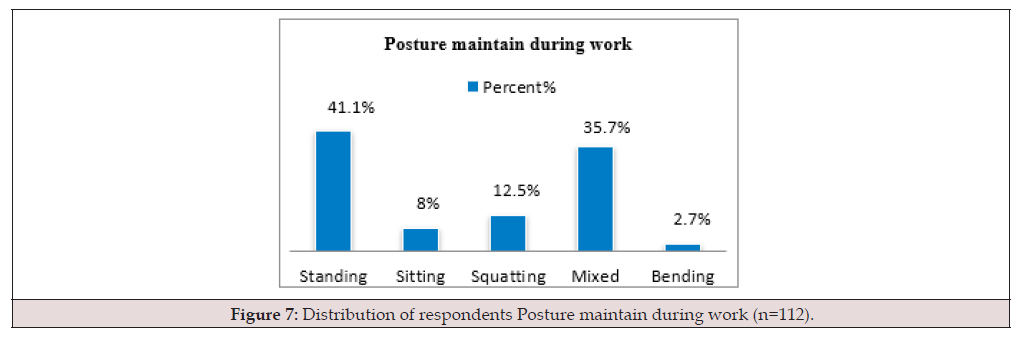
Figure 7:Distribution of respondents Posture maintain during work (n=112).
Pain During activity: Out of 68 respondents, 32% (n = 22) were not in pain while working, and 68% (n = 46) were in pain while working. Most of the population belonged to the second group.
Pain at Rest: Out of 68 respondents, 72.1% (n = 49) were not in pain while at rest, and 27.9% (n = 19) were in pain while at rest. Most of the population belonged to the first group.
Frequency of Pain (n = 68): The result showed that 44.1% (n = 30) of the respondents had occasional pain, 11.8% (n = 8) had often pain, 19.1% (n = 13) had sometime pain, and 25% (n = 17) had always pain respectively as shown in Table 4.
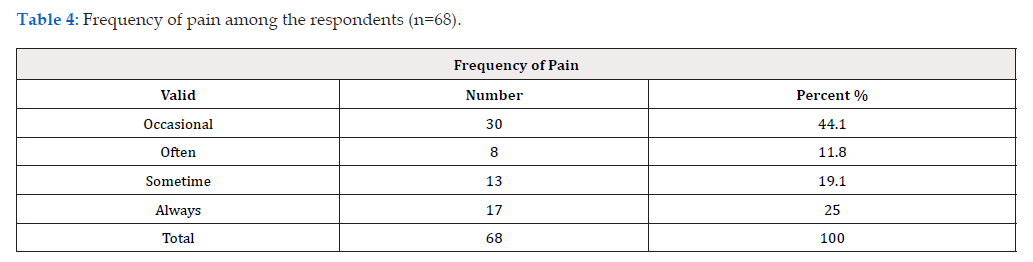
Table 4:Frequency of pain among the respondents (n=68).
Feeling of the Pain: Out of 68 respondents, 31.1% (n = 32) were cramping like pain, 41.1% (n = 43) were dull pain, 6.8% (n = 7) were shooting pain, 7.8% (n = 8) were burning like pain, and 12.6% (n =13) were radiating pain respectively (Figure 9).
Part-D: Health and Treatment Related Characteristics of Respondents
Smoking Habit (n=112): The result showed that 66.1% (n =74) respondents had smoking habit, whereas 33.9% (n=38) did not have smoking habit.
Habit of Physical Exercise: About 5% (n =6) were habitual physical exercisers and 95% (n = 106) were not habitual physical exercisers.
Job Satisfaction: Out of the 112 respondents, 58.9% (n = 66) reported work satisfaction, while 41.1% (n = 46) reported dissatisfaction with their work.
Treatments Taken: Out of 68 respondents 65 (95.6%), respondents had taken treatment and 3 (4.4%) had not taken treatment respectively.
Types of Treatment Taken: The majority of workers (76.9%, n = 50) received medicine as their primary form of treatment, a smaller percentage of patients received physiotherapy (7.7%, n = 5), ayurvedic (4.6%, n = 3), and homeopathic (3.1%, n = 2) treatments. Additionally, a small percentage of respondents (7.7%, n = 5) received other forms of treatments (Figure 10).
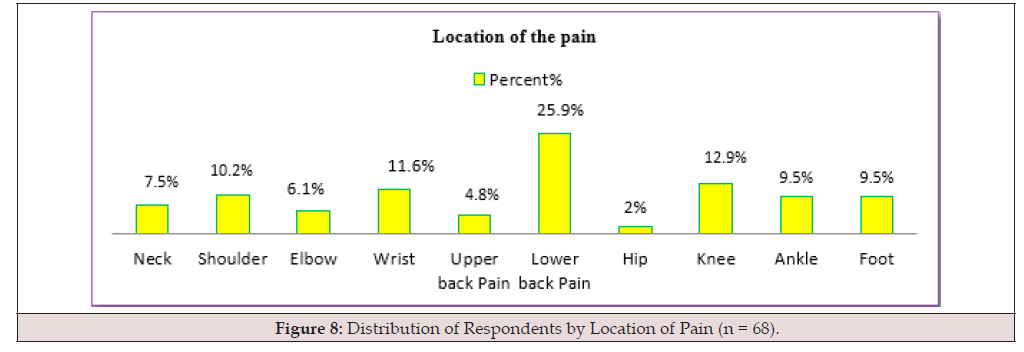
Figure 8:Distribution of Respondents by Location of Pain (n = 68).
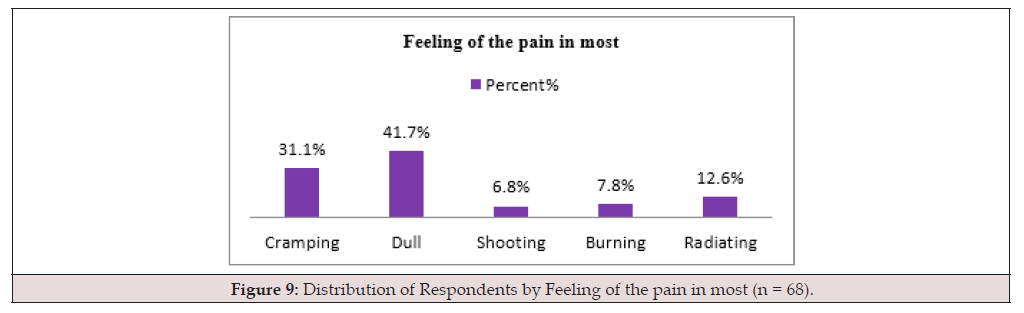
Figure 9:Distribution of Respondents by Feeling of the pain in most (n = 68).
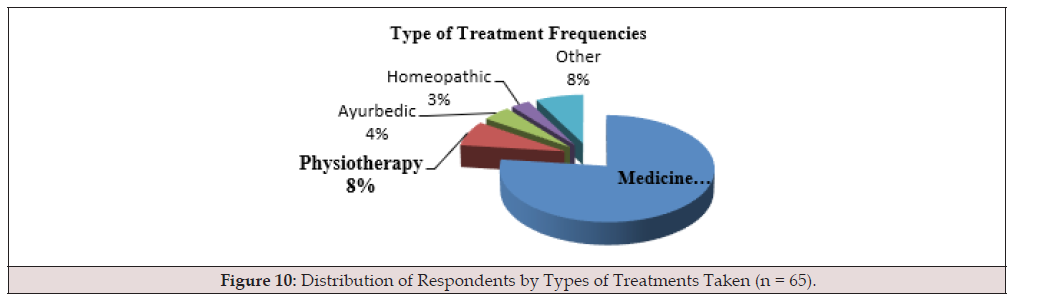
Figure 10:Distribution of Respondents by Types of Treatments Taken (n = 65).
Feeling Better After Taking Treatment: About 75.4% (n=49) respondents reported feeling better after taking the treatments and on the other hand, 24.6% (n = 16) respondents reported no improvements in their well-being.
Discussion
In the present study with 112 construction workers from Dhaka city, we observed that the age group of 18–29 years was 68.8% (n = 77), 30–40 years was 22.3% (n = 25), 41–50 years was 5.4% (n = 6), and 51–61 years was 3.6% (n = 4). Among the 112 respondents; approximately 24.1% (n = 27) were among the BMI <18.5(underweight), 67.9% (n = 76) were among the (BMI) range 18.5-24.9 (normal), 6.3% (n = 7) were among the BMI range 25.0-29.9 (overweight), and 1.8% (n = 2) were among the BMI range >30.0 (obese). Most of them (56%, n=63) were married, large percentage had education up to primary (38.4%, n=23) and SSC (37.5%, n=42) levels, all of them (n=112) were muslims, had < 5 family members, 92.9% (n=104) were right-handed and majority (48.4%, n=54) had Tk 8000-14000 monthly income (Results: Part-A). Our observations as stated above were comparable to those reported by Alghadir, et al. [15].
Regarding work related characteristics, most of the respondents were manual labors (32.1%, n=36) followed by others such as masonry (20.5%, n=23), welders (10.7%, n=12), bricklayers (9.8%, n=11), electricians (8.9%, n=10), painters (7.1%, n=8) and interior finished worker (10.7%, n=12). We observed that more than half of the workers (50.9%, n=57), did not received relevant training, about 50% (n=56) had working experience of less than 5 years only, 77.7% (n=107) had break time of ≥ 30 minutes during work. Among 112 respondents, 26.8% (n=30), 50.9% (n=57) and 22.3% (n=25) carried < 20 kg, 20-40 kg and 41-60 kg weight during work. Among the 112 respondents, 42.9% (n=48) did have history of accidents but only 21.4% (n=24) used protective equipment. In 2017 Shaukat and Fatmi reported that more than 7.8% of their workers had low occupational health and safety and 10.9% had accidental history [14]. Many varieties of postures were used by our construction workers such as standing (41.1%, n=46), siting (8.0%, n=9), squatting (12.5%, n=14), mixed (35.7%, n=40) and bending posture (2.7%, n=3) during work (Results: Part-B). These observations in our respondents were comparable to, and supported by, findings as reported by Deros, et al. [4], Lette, et al. [16] and Ekenyoung & Inyang [18].
The prevalence of MSP among our 112 construction workers was 60.7% (n=68) and 39.3% (n=44) experienced no MSP. In our respondents the most commonly reported location of pain was the lower back with 38 (25.9%) reporting pain in this region. The second most common location was the knee with 12.9% (n=19) reported pain in this area. Other frequently reported locations of pain included the wrist (n=17; 11.6%), shoulder (n=15; 10.2%), and foot (n=14; 9.5%). upper back (n=7; 4.8%), neck (n=11; 7.5%), ankle (n=14; 9.5%), and elbow (n=9; 6.1%). The least commonly reported locations of pain were the hips in 3 participants (2.0%) (Results: Part-C). In 2014 Deros, et al reported lower back (45%), shoulder (28.3%), neck (16.7%), wrist/ hand (15%), upper back (13.3%), knees (13.3%), elbow (10%), hip/thigh (8.3%), and ankles or feet (5%) [4]. They also reported that manual construction workers 32.1% (n=36) and masonry workers 20.5% (n=23) were the most affected working groups [4]. Our findings in present study were comparable to study reports by Lette et al. [16], Deros et al. [4] as reported above. Alghadir and Anwer reported in 2015 that prevalence of MSP in construction workers in Saudi Arabia was 48.5% [15] and Deros et al. in 2014 showed that 66.7% of the workers who took part in the study had a high prevalence of MSP symptoms [4]. Lette, et al in 2019 also showed prevalence of 43.9% MSD in their respondents [16]. In our study, we observed that the average intensity of pain during activity was more than 68% (n=46) in pain while working and 27.9% (n=19) in pain while at rest. The average intensity of pain was 4–6 moderate on NRS (32.1%) of them. In 2015 Alghadir and Anwer reported that the average intensity of pain was 4–6 on NRS in 51.3% of their respondents [15].
Regarding health and treatment related characteristics, 66.1% (n=74) of our respondents had smoking habit, whereas 33.9% (n=38) did not have smoking habit. Only about 5% (n=6) were habitual physical exercisers, 95% (n=106) were not habitual physical exercisers and regarding job satisfaction, only 58.9% (n=66) reported satisfaction. About treatments for MSP, majority of workers i.e. 65/68 (95.6%) had taken treatments of various kinds such as medicine (76.9%, n=50), physiotherapy (7.7%, n=5), ayurbedic (4.6%, n=3), homeopathic (3.1%, n=2), other forms (7.7%, n=5) and 3 (4.6%) did not take any treatment. About 75.4% (n=49) respondents reported feeling better, while 24.6% (n=16) reported no improvements in their well-being after taken treatments (Results: Part-D). Many researchers reported interesting and important observations that prevalence of MSP was related to length of working experience and increased with working years [15,16,18,19,20]. In 2017 Shaukat and Fatmi identified that more than 7.8% of the workers had low occupational health and safety and 10.9% had accidental history [14]. Many other investigators also expressed concern over occupational health and safety and their monitoring for construction side workers [14,18,21]. High work demands, time constraints, a lack of job management, inadequate social support networks and solitary workplaces are only a few psychosocial concerns as reported by Umer, et al [22]. Romuald, et al reported that good working environment, personal protective equipment, team work, use of mechanical aids, job rotation, daily exercise, fitting hand tools, proper training and technique, awareness about physical health and safety play an important role in controlling the musculoskeletal injuries among the construction workers [23]. MSP affects many different parts of the body in many types of respondents such as postmenopausal women also as reported in 2023 by Rojina Akter, et al. [24]. These reported studies on occupational health and safety and their monitoring are important, be considered and implemented adequately.
In conclusion, the present study identified various sociodemographic, work-related, health and treatment related characteristics relevant to high prevalence of MSP in construction workers from Dhaka city. It would be logical to investigate the associations of this various characteristic with MSP in the construction workers in our future endeavor. Appropriate health care strategies and safety precautions at work place be followed to ensure safe and healthy life for construction workers.
Acknowledgements
This article was based on the dissertation submitted by Md. Moshiur Rahman for partial fulfilment of his BSc Degree in Physiotherapy under University of Dhaka (Session: 2022-2023). The authors therefore would like to thank the Dissertation Committee and Teaching Staff of the Department of Physiotherapy, State College of Health Sciences (SCHS) under University of Dhaka for their approval and providing the opportunity to carry out this study. The authors express thanks to all the respondents who provided valuable time and information for the study. Also, the authors would like to thank Mr. Palma Shuvo, IT Programmer, Impulse Hospital, Tejgaon, Dhaka-1208 Bangladesh for computer composing the manuscript repeatedly.
Conflict of Interest
The authors have declared no competing interests.
References
- Macdonald W (2012) Conceptual Framework for Development of a Toolkit for Prevention of Work-Related Musculoskeletal Disorders. Work 41 (S1): 3933-3936.
- Goldsheyder D, Nordin M, Weiner SS, Hiebert R (2002) Musculoskeletal symptom survey among Mason Tenders. Am J Ind Med 42(5): 384-396.
- Marras WS, Allread WG, Burr DL, Fathallah FA (2000) Prospective validation of a low-back disorder risk model and assessment of ergonomic interventions associated with manual material handling tasks. Ergonomics 43(11): 1866-1886.
- Deros BM, Daruis DDI, Khamis NK, Mohamad D, Daud SFM, et al. (2014) Prevalence of Work-Related Musculoskeletal Disorders Symptoms among Construction Workers: a Case Study in Malaysia. Iranian Journal of Public Health 43: 53-57.
- Punnett L, Wegman DH (2004) Work-related musculoskeletal disorders: The epidemiologic evidence and the debate. J Electromyogr Kinesiol 14(1): 13-23.
- Ueno S, Hisanaga N, Jonai H, Shibata E, Kamijima M (1999) Association between musculoskeletal pain in Japanese construction workers and job, age, alcohol consumption, and smoking. Ind Health 37(4): 449-456.
- Macfarlane GJ (2001) The Epidemiology of Regional and Widespread Pain Syndromes. Thesis submitted for the degree of Doctor of Medicine at the University of Glasgow the work was conducted at The School of Epidemiology and Health Sciences, The Victoria University of Manchester.
- Arndt V, Rothenbacher D, Daniel U, Zschenderlein B, Schuberth S, et al. (2005) Construction work and risk of occupational disability: A 10-year follow-up of 14 474 male workers. Occup Environ Med 62(8): 559-566.
- Chen Y, Turner S, Hussey L, Agius R (2005) A study of work-related musculoskeletal case reports to the health and occupation reporting network (THOR) from 2002 to 2003. Occup Med (Lond) 55(4): 268-274.
- Jaiswal N, Veerkumar V (2016) Work related Musculoskeletal Disorders among Construction Workers of India. Res J Family Community and Consumer Sci 4(2): 1-5.
- Wang X, Dong XS, Choi SD, Dement J (2017) Work-related musculoskeletal disorders among construction workers in the United States from 1992 to 2014. Occup Environ Med 74(5): 374-380.
- Leung MY, Chan IYS, Yu J (2012) Preventing construction worker injury incidents through the management of personal stress and organizational stressors. Accid Anal Prev 48: 156-166.
- Shafique M, Rafiq M (2019) An Overview of Construction Occupational Accidents in Hong Kong: A Recent Trend and Future Perspectives. Applied Sciences 9(10): 1-16.
- Shaukat N, Fatmi Z (2017) Prevalence and Risk Factors of Musculoskeletal Pain among Construction Industry Workers in a Low-Income Country. Iranian Journal of Health, Safety & Environment 7(3): 1501-1508.
- Alghadir A, Anwer S (2015) Prevalence of Musculoskeletal Pain in Construction Workers in Saudi Arabia. Scientific World Journal 15: 529873.
- Lette A, Hussen A, Kumbi M, Nuriye S, Lamore Y (2019) Musculoskeletal Pain and Associated Factors among Building Construction Workers in Southeastern Ethiopia. Ergonomics International Journal 3(5): 000214.
- World Medical Association (2013) World Medical Association Declaration of Helsinki: ethical principles for medical research involving human subjects. JAMA 310(20): 2191-2194.
- Ekpenyong CE, Inyang UC (2014) Associations between worker characteristics, workplace factors, and work-related musculoskeletal disorders: a cross-sectional study of male construction workers in Nigeria. Int J Occup Saf Ergon 20(3): 447-462.
- Ullah A, Khan SC, Ullah S, Darain H, Rahman M (2019) Prevalence of work-related musculoskeletal disorders among construction workers in Hayatabad Peshawar KP, Pakistan. Rehman Journal of Health Sciences 1(1): 17-21.
- Reddy GMM, Nisha B, Prabhushankar TG, Vishwambhar V (2016) Musculoskeletal morbidity among construction workers: A cross-sectional community-based study. Indian J Occup Environ Med 20(3): 144-149.
- Zhang M, Shi R, Yang Z (2020) A critical review of vision-based occupational health and safety monitoring of construction site workers. Safety Science 126: 104658.
- Umer W, Antwi-Afari MF, Li H, Szeto GPY, Wong AYL (2018) The prevalence of musculoskeletal symptoms in the construction industry: a systematic review and meta-analysis. Int Arch Occup Environ Health 91(2): 125-144.
- Rwamamara RA, Lagerqvist O, Olofsson T, Johansson BoM, Kaminskas KA (2010) Evidence-based prevention of work-related musculoskeletal injuries in construction industry. Journal of Civil Engineering and Management 16(4): 499-509.
- Rojina Akter, Giasuddin ASM, Uddin J, Hassan R (2023) Socio-Demographic, Health Related, Reproductive, Musculoskeletal Pain Related Parameters and Treatment Seeking Patterns among Postmenopausal Women from Dhaka City, Bangladesh. Am J Biomed Sci & Res 19(6): 737-744.




 We use cookies to ensure you get the best experience on our website.