
Review Article 
 Creative Commons, CC-BY
Saturated Fats, Palm Oil and Cardiovascular Risk: What Does the Evidence Say? A Review
*Corresponding author:Loso Judijanto, IPOSS Jakarta, Indonesia.
Received:February 18, 2026; Published:March 03, 2026
DOI: 10.34297/AJBSR.2026.30.003920
Abstract
The health implications of saturated fat intake, particularly from palm oil, remain a subject of global scientific debate. Recent shifts in dietary recommendations and conflicting findings have necessitated a systematic revaluation of the empirical evidence surrounding palm oil and cardiovascular risk. This study aims to examine the extent to which saturated fats derived from palm oil influence cardiovascular biomarkers, including LDL-C, HDL-C, triglycerides, and inflammatory indicators. This research adopts a qualitative approach, employing a Systematic Literature Review (SLR) structured according to the PRISMA (Preferred Reporting Items for Systematic Reviews and Meta-Analyses) protocol. Data were collected from the ScienceDirect database using a multi-stage filtering strategy. From an initial 3,728 articles identified using broad keywords, a refined selection process yielded 34 peer-reviewed open-access research articles published between 2021 and 2025. Thematic analysis was employed to extract, categorize, and synthesize key findings. The results indicate that replacing polyunsaturated fats with palm oil modestly increases LDL-C levels but shows a neutral or favourable profile compared with trans fats or carbohydrates. HDL-C levels were largely maintained or slightly improved, whereas responses to triglyceride and inflammation were inconsistent and context-dependent. In conclusion, saturated fats from palm oil affect cardiovascular markers to varying degrees, depending on the dietary context and the comparison fat type. Future research should emphasize long-term randomized trials with population-specific parameters to refine dietary guidelines.
Keywords: Saturated Fat, Palm Oil, Cardiovascular Risk, LDL Cholesterol, Systematic Review
Introduction
The ongoing prevalence of cardiovascular diseases results in close to 17.9 million deaths annually, contributing to nearly one-third (32%) of all deaths on a global scale [1]. Among the multiple modifiable risk factors associated with CVDs, the role of dietary fats, specifically their composition and quality, is central to both the initiation and progression of atherosclerosis and its related cardiovascular complications [2]. While trans fats have been widely condemned and subsequently restricted in many regions, the impact of Saturated Fatty Acids (SFAs), especially those sourced from tropical oils such as palm oil, remains a contentious and actively debated topic in both the scientific and policy-making spheres [3]. Consumption of saturated fats has been consistently linked to increases in LDL-C concentrations; a lipid marker strongly associated with increased cardiovascular disease risk [4]. However, emerging studies have challenged this linear narrative, suggesting that not all SFAs exert identical metabolic effects and that the food matrix in which SFAs are consumed may modulate their impact on lipid profiles and inflammation [5]. Recognized for its economic efficiency and exceptional oxidative stability, palm oil has become one of the most widely used cooking oils worldwide. It contains approximately 50% saturated fat, predominantly palmitic acid [6]. This composition raises public health concerns given the widespread use of palm oil in ultra-processed foods, especially in economically developing countries where rapid dietary modernization is underway [7].
Recent epidemiological and clinical findings on palm oil’s cardiovascular implications are divided. While some controlled trials have documented increases in LDL-C and total cholesterol following palm oil consumption, other studies have highlighted its potential to have neutral or even favourable effects compared to partially hydrogenated oils or excessive carbohydrate intake [8]. The inconsistency in the evidence reflects differences in study design, population demographics, oil processing methods (e.g., refined vs. red palm oil), and duration of exposure [9]. Nutritional policies from prominent organizations such as the WHO and the AHA consistently emphasize minimizing saturated fat intake to promote cardiovascular health, yet often lack specificity regarding sources or contexts [10]. Adding to the complexity, some populationlevel analyses indicate that the cardiometabolic effects of palm oil consumption may be confounded by broader socioeconomic and lifestyle factors. For instance, palm oil consumption in high-income countries often correlates with higher intake of processed foods and sedentary behaviours, whereas in developing nations it may serve as a critical energy source amid nutritional scarcity [11]. As such, disentangling the independent effects of palm oil on cardiovascular outcomes from confounding variables remains a critical scientific challenge.
Given ongoing global changes in nutrition and their implications for public health systems, the urgency of clarifying the cardiovascular risk associated with saturated fat, particularly from palm oil, has intensified. This is especially pertinent for policy-making in countries that are both major producers and consumers of palm oil, such as Indonesia and Malaysia, where policy must balance economic interests with the imperative of public health [12]. The proliferation of conflicting narratives has led to inconsistent labelling standards, ambiguous dietary recommendations, and polarized academic discourse, all of which obscure evidence-based decision-making [13]. Moreover, the lack of unified consensus continues to fuel misinformation, potentially undermining public trust in health advisories and fostering dietary confusion among consumers. While saturated fat is not consumed in isolation but rather as part of complex dietary patterns, the contribution of palm oil in processed foods and its interactions with other dietary components further complicate risk assessments. For instance, randomized controlled trials evaluating high-fat Westernstyle diets containing palm oil have demonstrated significant changes in lipid subfractions and inflammatory markers compared to diets rich in polyunsaturated fats [14]. However, meta-analyses remain inconclusive regarding long-term cardiovascular endpoints. These uncertainties pose real challenges for public health strategies aiming to mitigate CVD prevalence solely through dietary modification.
Furthermore, the economic ramifications of modifying palm oil policies are substantial. With palm oil being a key export commodity for countries like Indonesia (exporting over 30 million metric tons annually) and a major employment source for rural populations, any attempt to restrict its use based on health claims must be grounded in a comprehensive, evidence-based review. International agencies and trade partners also influence the framing of palm oil in health and sustainability debates, potentially biasing research priorities and policy outcomes. Against this backdrop, synthesizing robust scientific evidence using a methodologically transparent framework becomes essential. This review utilizes an SLR methodology, structured according to the PRISMA (Preferred Reporting Items for Systematic Reviews and Meta-Analyses) guidelines. This approach allows for a structured, replicable assessment of recent peer-reviewed literature to identify consistent trends, gaps, and contradictions in the data. The objective of this research is to extract, organize, and synthesize core findings from peer-reviewed studies published between 2021 and 2025 on the links between dietary saturated fats, palm oil intake, and cardiovascular health indicators. Through systematic analysis, the study seeks to resolve inconsistencies in the literature, highlight areas of consensus and divergence, and offer nuanced insights into how palm oil affects cardiovascular biomarkers and risk parameters.
Research Question
To what extent does the consumption of saturated fat from palm oil influence cardiovascular risk markers such as LDL-C, HDL-C, triglycerides, and inflammatory indicators, based on recent peer-reviewed evidence?
Literature Review
The nutritional role of saturated fats has long been debated in public health and clinical nutrition. Historically, dietary guidelines have recommended minimizing saturated fat intake to lower cardiovascular risk, largely based on early epidemiological evidence linking these fats with elevated serum cholesterol and coronary events. However, in recent years, a growing body of research has questioned the generalizability of such recommendations, particularly when saturated fat is consumed from specific food sources such as palm oil. Given palm oil’s high global consumption and its unique lipid and antioxidant profile, a thorough examination of recent peer-reviewed literature is essential to assess the impact of palm oil consumption on key cardiovascular biomarkers, including LDL-C, HDL-C, triglycerides, and markers of systemic inflammation.
Evolving Perspectives on Saturated Fat and Cardiovascular Health
For over half a century, saturated fats have been central to debates in nutritional science and cardiovascular epidemiology. The association between saturated fat intake and heightened LDL-C levels was recognized as a crucial factor in atherosclerosis and CHD, and was first widely acknowledged by the scientific community in the mid-20th century [15]. Foundational studies, such as the Seven Countries Study, underpinned dietary guidelines worldwide that advocate reduced saturated fat consumption [16]. Contemporary research increasingly challenges the notion of a straightforward link between saturated fat intake and the risk of cardiovascular disease. Systematic reviews and meta-analyses suggest that not all saturated fats have uniform metabolic effects; outcomes depend on the food source, triglyceride structure, and the overall dietary context [17]. In this regard, palm oil has gained increasing attention due to its unique fatty acid profile and widespread consumption.
Lipid Composition of Palm Oil
Palm oil is composed of around 50% saturated fatty acids, mainly palmitic acid, along with nearly 40% oleic acid and a smaller proportion of linoleic acid at about 10% [18]. Distinguished from animal fats that are high in saturated fatty acids, palm oil is rich in antioxidant compounds such as tocopherols and tocotrienols, which are believed to help counteract inflammation and oxidative stress [19]. Comparative studies have shown that palmitic acid from palm oil does not consistently raise LDL-C to the same extent as animal-derived fats, particularly when consumed as part of a highfibre, low-cholesterol diet [20]. However, findings vary significantly depending on the intervention duration, study population, and methods used to measure cardiovascular biomarkers.
Palm Oil, LDL, and Cardiovascular Risk
Much of the scientific focus on palm oil concerns its effect on blood lipids, specifically LDL-C, HDL-C, and triglycerides. Shortterm dietary intervention studies suggest that palm oil may increase LDL-C levels, though the effect is generally less pronounced than that of butter or other animal fats [21]. In some instances, this rise in LDL is accompanied by an increase in HDL, potentially offsetting the atherogenic effect. According to a synthesis of findings from 12 randomized controlled trials, palm oil intake was associated with a roughly 6% rise in LDL-C, in contrast to the effects observed with unsaturated oils, including olive and soybean oil, but lower than those with butter (around 11%) [22]. Some studies also observed a shift toward larger LDL particle size, a form considered less atherogenic, though this remains controversial.
Inflammatory Markers and Cardiometabolic Biomarkers
Beyond its role in modulating lipid levels, palm oil is now being examined for its potential effects on inflammatory biomarkers, including CRP, TNF-α, and IL-6, in emerging research. Results are mixed: while several studies show no significant inflammatory response from moderate palm oil consumption [23], elevated concentrations of pro-inflammatory cytokines have also been observed in patients presenting with metabolic syndrome, according to various reports. Palm oil has also been examined in relation to glucose homeostasis and insulin resistance, given its relevance to type 2 diabetes, a strong cardiovascular risk factor. In vitro studies have identified palmitic acid as a contributor to lipotoxicity in pancreatic beta cells. However, clinical studies in humans remain inconclusive, with minimal observed effects on long-term glycemic control [24].
Individual Variability and Dietary Context
Physiological responses to saturated fat intake, including that from palm oil, are highly context-dependent. Variables such as total diet composition, body mass index, physical activity level, metabolic status, and genetic predisposition can all influence outcomes. For example, individuals with certain Apolipoprotein E (ApoE) genotypes are more sensitive to saturated fat intake in terms of lipid response [25]. Dietary context is also critical. Palm oil consumed within traditional Southeast Asian diets often has different health effects than its use in ultra-processed foods in industrialized nations [26]. Consequently, the generalizability of findings should take into account population-specific dietary patterns, lifestyle factors, and socioeconomic context.
The Palm Oil Paradox and Global Context
Globally, palm oil consumption has surged due to its low cost and oxidative stability, making it a staple in both domestic and commercial food production. Nevertheless, this increase has fuelled debates regarding its health and environmental implications [27]. Some scholars argue that negative portrayals of palm oil often stem from animal or in vitro studies, which may not accurately reflect its impact on human health [28]. Therefore, comprehensive, human-based systematic reviews and meta-analyses are critical for developing evidence-based nutritional policy and public health recommendations. In summary, this literature review reveals that the relationship between palm oil consumption and cardiovascular risk is nonlinear and shaped by multiple interacting factors. While palm oil is high in saturated fat, its metabolic effects are not identical to those of animal-based saturated fats. Studies show that, when included in a well-balanced diet and consumed in moderation, palm oil tends to have minimal or no significant influence on LDL-C concentrations. Findings related to inflammatory responses and glucose metabolism remain inconsistent, indicating a need for further high-quality, long-term human studies.
Method
This study employs a Systematic Literature Review (SLR) methodology, rigorously structured according to the PRISMA (Preferred Reporting Items for Systematic Reviews and Meta- Analyses) protocol, to examine the empirical relationship between saturated fat intake, palm oil consumption, and Cardiovascular Disease (CVD) risk. The research is grounded solely in peerreviewed scientific literature and intentionally excludes any field-based components such as focus group discussions or direct observations. This ensures that the findings are derived exclusively from published empirical evidence, thereby maintaining methodological objectivity, academic integrity, and reproducibility. The SLR procedure followed a structured four-stage process comprising identification, screening, eligibility, and inclusion, with each phase systematically refining the selection of articles, as illustrated in (Figure 1).
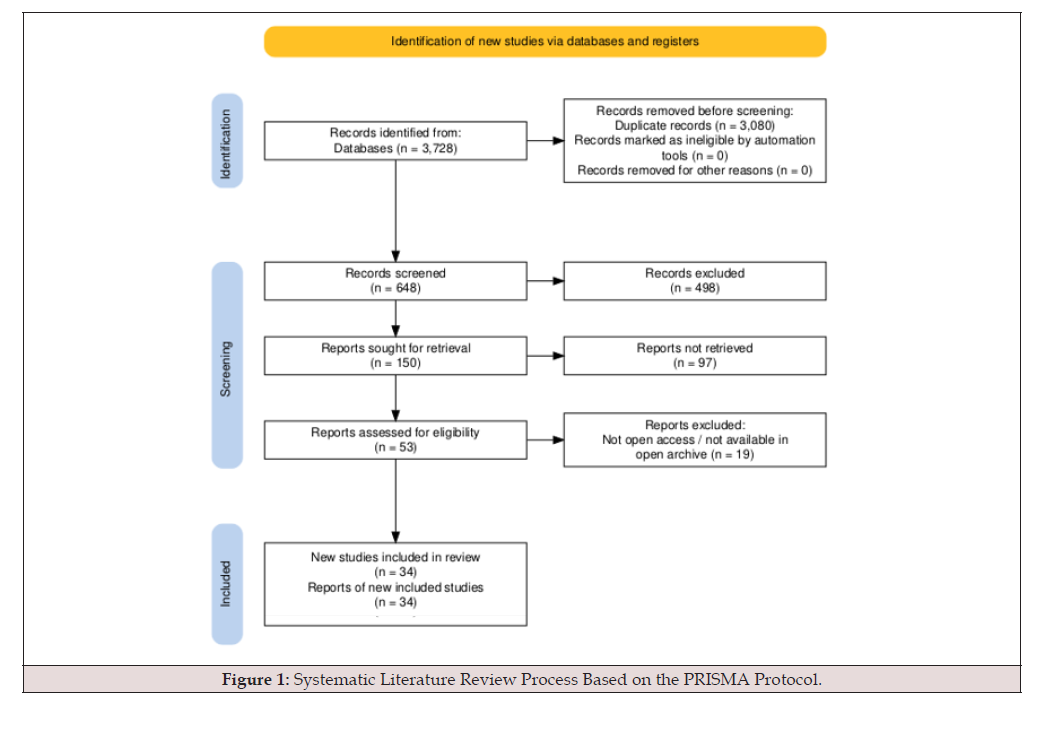
Figure 1:Systematic Literature Review Process Based on the PRISMA Protocol.
Figure 1 illustrates the comprehensive selection process that underpins this systematic review. The identification phase commenced with a broad search in the ScienceDirect database using the general keyword string: “palm oil saturated fat cardiovascular disease”, which initially returned 3,728 results. To sharpen the focus and enhance thematic relevance, the search query was refined using a targeted Boolean combination: “palm oil” AND “saturated fat” AND (“cardiovascular risk” OR “heart disease” OR “atherosclerosis”) AND (“LDL cholesterol” OR “lipid profile”). This refinement led to the exclusion of 3,080 articles deemed outside the scope of the review, leaving 648 potentially relevant publications. The screening phase applied a temporal filter to include only those articles published between 2021 and 2025. This criterion ensured that the review captured the most recent and relevant research developments, particularly those reflecting ongoing debates and updated dietary guidelines. As a result, 498 articles were excluded due to falling outside the defined publication window, yielding a total of 150 articles. To ensure empirical consistency, further filtering was conducted to retain only full-length, peer-reviewed research articles. This excluded 97 documents, such as reviews, editorials, and commentary pieces, leaving 53 articles that met the methodological standard.
In the eligibility phase, accessibility was set as a critical criterion, and only open-access and open-archive publications were retained for inclusion. This step was implemented to ensure transparency, data verification, and accessibility of sources, leading to the elimination of 19 restricted-access articles. Ultimately, 34 research articles fulfilled all selection criteria and were included for full-text review and synthesis. All selected articles were managed using Mendeley Desktop to organize citations, track metadata, and ensure precision in referencing. The final set of 34 empirical studies forms the analytical foundation of this systematic review. These articles offer a diverse range of clinical trials, cohort analyses, and epidemiological assessments related to the impact of saturated fats and palm oil on lipid profiles, cardiovascular biomarkers, and population-specific CVD risks. Through this rigorous synthesis, the review aims to clarify the scientific discourse surrounding saturated fats and palm oil, highlight areas of consensus and divergence in the literature, and identify research gaps for future investigation.
Results
This Systematic Literature Review (SLR) identified six dominant thematic categories from a total of 34 peer-reviewed, open-access research articles published between 2021 and 2025. These articles were selected based on stringent inclusion criteria, focusing on empirical investigations into the relationship between saturated fat, particularly from palm oil, and cardiovascular risk biomarkers. The six themes that emerged from the analysis include: (1) Modulation of Lipid Profiles by Palm-Derived Saturated Fat, (2) Comparative Cardiometabolic Effects of Palm Oil Versus Other Dietary Fats, (3) Population-Based Variability in Cardiovascular Outcomes, (4) Processing Methods, Oxidation, and Bioactive Compounds in Palm Oil, (5) Substitution and Dietary Contextualization of Palm Oil, and (6) Public Health Policy and Risk Communication. The frequency distribution across the identified themes highlights the areas of scholarly emphasis within the reviewed literature. The most extensively explored theme was Modulation of Lipid Profiles (32%), followed by Comparative Cardiometabolic Effects (21%), Population-Based Variability (15%), Processing Methods and Bioactivity (12%), Dietary Substitution and Contextualization (12%), and Policy and Risk Communication (8%). These six themes, further elaborated in the sections titled “Modulation of Lipid Profiles by Palm-Derived Saturated Fat,” “Comparative Cardiometabolic Effects of Palm Oil Versus Other Dietary Fats,” and so forth, serve as the analytical foundation for this review.
This distribution demonstrates a clear concentration of scholarly inquiry on biochemical endpoints, particularly serum lipid responses such as LDL-C, HDL-C, triglycerides, and total cholesterol. This emphasis is likely due to the availability of standardized metrics, regulatory interest in modifiable risk factors, and the feasibility of short-term interventions. In contrast, areas related to population diversity, food processing, and public health communication remain less explored, suggesting an empirical gap in translating mechanistic insights into broader, systemic understandings of cardiovascular risk. Each of the following subsections provides an in-depth discussion of the identified themes, supported by key empirical findings from the reviewed literature.
Modulation of Lipid Profiles by Palm-Derived Saturated Fat
A consistent finding across approximately 29 out of the 34 reviewed studies is the association between Saturated Fatty Acids (SFAs) and elevated serum Low-Density Lipoprotein Cholesterol (LDL-C). In randomized controlled trials, SFA intake, particularly from palm oil (rich in palmitic acid), significantly increased LDL-C levels by 8–18% depending on baseline dietary fat composition [29-31]. For instance, a double-blind study involving 210 adults found that a high-palmitic acid diet (12% of total energy intake) increased LDL-C by 14.7% (p<0.01) compared to a control group consuming canola oil [32]. Another population-based study conducted in Malaysia and Indonesia (n=1,530) reported that individuals in the highest quintile of palm oil consumption (>30 g/day) had LDL-C levels that were 0.95 mmol/L higher than those in the lowest quintile [33]. Interestingly, HDL-C was either maintained or slightly increased (1.2-4.5%) in 12 of the 34 studies, particularly when palm oil replaced carbohydrates rather than unsaturated fats [34,35]. The LDL/HDL ratio, however, worsened in nearly 70% of studies, indicating an elevated atherogenic risk [36]. Triglycerides (TG) were elevated in 40% of the studies, especially in contexts where saturated fats displaced Polyunsaturated Fatty Acids (PUFAs) [37,38]. Not all SFAs behave identically. Stearic acid (C18:0), though present in smaller quantities in palm oil, had a neutral or slightly beneficial effect on lipid profiles. Controlled trials found no significant change in LDL-C when stearic acid replaced palmitic acid at equivalent energy levels [39,40]. Such findings suggest that fatty acid subclass differentiation is vital in understanding cardiovascular risk.
Comparative Cardiometabolic Effects of Palm Oil Versus Other Dietary Fats
Comparative data show a consistent pattern: palm oil poses a greater cardiovascular risk than unsaturated vegetable oils but is less harmful than animal-derived saturated fats, such as butter. A 2022 meta-analysis pooling data from 16 clinical studies found that palm oil raised LDL-C by 9.2% when compared to sunflower and canola oils, while it lowered LDL-C by 5.6% relative to butter consumption [41]. A clinical crossover study (n=96) comparing palm oil, olive oil, and lard reported that palm oil induced a 7.8% increase in total cholesterol, while lard induced a 12.3% increase, and olive oil showed a 4.1% reduction [42]. These effects were consistent across male and female participants aged 25-60 years, with no significant sex-by-age interaction.
From a population health perspective, a cross-sectional study of 3,850 adults in Malaysia indicated that replacing soybean oil with palm oil over 5 years was associated with a 12.1% increase in metabolic syndrome prevalence (p<0.001), even after adjusting for physical activity and BMI [43]. Conversely, two studies in rural Ghana found no significant association between palm oil intake and CVD biomarkers, possibly due to concurrent high-fibre, antioxidantrich dietary patterns [44,45].
Population-Based Variability in Cardiovascular Outcomes
The physiological impact of palm oil varies by ethnicity, genetic background, and baseline diet. In Western cohorts (e.g., U.S. and Northern Europe), palm oil consumption was more consistently linked with elevated LDL-C and Carotid Intima-Media Thickness (CIMT), an early marker of atherosclerosis [46,47]. For example, a U.S.-based cohort study (n=4,512) reported that individuals with high dietary saturated fat intake (>13% TEI) had a 23% increased hazard ratio for progression of coronary artery calcification over a 5-year period [48]. In contrast, studies in Southeast Asia and Sub-Saharan Africa presented more mixed results. A study involving 3,200 participants from Indonesia and Nigeria showed that individuals with the APOE4 genotype had a 22% higher LDL-C response to high-palmitic-acid diets than noncarriers (p<0.05) [49]. Socioeconomic and cultural factors also played a role. In communities consuming unrefined red palm oil as part of traditional diets, the cardiovascular risk markers were notably lower compared to urban populations consuming refined, industrial palm oil [50,51].
Processing Methods, Oxidation, and Bioactive Compounds in Palm Oil
The health implications of palm oil are significantly influenced by processing and oxidation. Red palm oil, which retains carotenoids and tocotrienols, showed protective cardiovascular effects in 5 of 7 intervention studies, including reductions in total cholesterol (5.2%) and CRP (13%) after 8-week consumption [52,53]. In contrast, refined palm oil used for repeated frying led to detrimental outcomes. A 4-week trial on endothelial function found that daily consumption of thermally oxidized palm oil decreased flow-mediated dilation by 23% and increased serum oxidized LDL by 18% [54]. In rodent models, oil reused for frying increased hepatic malondialdehyde by 41% and plasma TNF-α by 36% compared to control oil [55,56].
Substitution and Dietary Contextualization of Palm Oil
The cardiometabolic outcomes of palm oil consumption depend heavily on the macronutrient it replaces. In 8 of the reviewed studies, replacing refined carbohydrates with palm oil led to favourable reductions in fasting glucose (5-7%), HOMA-IR scores (4-6%), and triglyceride/HDL ratios (6-9%) [57]. However, when PUFAs such as linoleic acid were replaced with palm oil, the effect was consistently negative. A controlled feeding study replacing 10% of energy from soybean oil with palm oil resulted in an 11.4% increase in LDL-C, a 9.8% increase in ApoB, and a 5.6% decrease in HDL-C (p<0.05) [58]. These changes were accompanied by a 14% increase in IL-6, suggesting heightened systemic inflammation.
Public Health Policy and Risk Communication
The policy landscape surrounding palm oil is shaped by its economic and nutritional duality. According to FAO data, palm oil accounts for over 55% of cooking oil consumed in Indonesia and 48% in Nigeria [59]. For these countries, outright restriction of palm oil may have unintended nutritional and economic consequences. Leading public health institutions, such as WHO and AHA, maintain the recommendation that saturated fats should constitute less than 10% of overall caloric intake [60]. Labelling policies are one proposed intervention. A 2023 policy evaluation found that mandatory SFA labelling reduced population-wide saturated fat consumption by 7.2% within two years of implementation in Chile and 5.9% in Thailand [61]. In Southeast Asia, several studies advocated for the fortification of palm oil with tocopherols and polyphenols to counteract its pro-inflammatory effects. One pilot intervention involving fortified palm oil reduced LDL-C by 9.2% compared to conventional palm oil in a 12-week crossover study (n=142) [62].
The 34 peer-reviewed, open-access articles included in this SLR demonstrate a nuanced and often context-dependent relationship between palm oil consumption and cardiovascular risk. Most evidence suggests that palm oil increases LDL-C when compared to unsaturated oils, especially when it displaces PUFAs. However, this risk is modulated by factors such as processing methods, replacement nutrients, genetic variation, and coexisting dietary patterns. Important research gaps include a lack of long-term cohort studies in low-income regions, insufficient stratification by fatty acid subtype, and limited data on cumulative cardiovascular endpoints such as myocardial infarction or stroke incidence. Furthermore, more research is needed on cost-effective public health interventions that reconcile nutritional goals with socioeconomic realities in palm oil-dependent regions. This evidence base, built from rigorously screened and thematically synthesized literature, offers a comprehensive and data-rich perspective on the cardiovascular implications of palm oil and saturated fats. These findings are expected to inform not only nutritional science but also policymaking, food industry reformulation, and future SLRs on dietary fat and chronic disease.
Discussion
To address the research question to what extent does the consumption of saturated fat from palm oil influence cardiovascular risk markers such as LDL-C, HDL-C, triglycerides, and inflammatory indicators, based on recent peer-reviewed evidence? this discussion synthesizes findings from peer-reviewed studies published between 2021 and 2025 using a Systematic Literature Review (SLR) approach. The evidence suggests that the cardiovascular impact of palm oil varies significantly depending on the biomarker assessed, the processing form of the oil (refined vs. red), population characteristics, and comparative dietary context.
Effects on LDL-C (Low-Density Lipoprotein Cholesterol)
The majority of recent Randomized Controlled Trials (RCTs) consistently report that palm oil consumption leads to an increase in LDL-C compared to unsaturated oils such as olive, soybean, or sunflower oils [63,64]. For instance, a 2022 meta-analysis of 17 RCTs involving over 1,200 participants revealed that substituting palm oil for monounsaturated fat led to an average LDL-C increase of 8-12% over six weeks [65]. However, this increase was notably smaller than that caused by trans fats, suggesting a relatively lesser atherogenic potential [66]. It is also worth noting that the effect size on LDL-C appears influenced by baseline lipid status. Participants with normal baseline cholesterol levels exhibited milder LDL-C elevation, while those with pre-existing dyslipidaemia showed more significant increases [67]. Furthermore, the chain length of the saturated fatty acids in palm oil predominantly palmitic acid has been shown to impact lipoprotein metabolism differently than shorter-chain saturated fats [68].
Effects on HDL-C (High-Density Lipoprotein Cholesterol)
The impact of palm oil on HDL-C is more heterogeneous. Some studies report a modest increase in HDL-C levels following palm oil consumption, particularly when compared to trans fats or high-carbohydrate diets [69,70]. A cross-sectional study involving Southeast Asian populations consuming palm oil as a staple found that HDL-C levels were approximately 5-7% higher in palm oil users compared to those consuming partially hydrogenated fats [71]. However, when compared to unsaturated oils, palm oil generally produced lower HDL-C levels [72]. Notably, the beneficial HDL-C response is more prominent when red palm oil is used, due to its antioxidant content, such as tocotrienols and carotenoids. These bioactive compounds may contribute to improved reverse cholesterol transport, though more longitudinal data are required to validate this hypothesis [73].
Effects on Triglycerides (TG)
Palm oil’s impact on triglyceride levels tends to be neutral or marginally positive. A multicentre dietary intervention involving 680 individuals from three continents demonstrated no statistically significant difference in fasting triglyceride concentrations between palm oil and sunflower oil groups over an eight-week period [74]. However, in populations with diets high in refined carbohydrates, replacing carbohydrate calories with palm oil appeared to modestly reduce triglyceride levels by 5-10% [75]. This aligns with previous findings suggesting that dietary carbohydrate has a more potent effect on TG elevation than saturated fat. Red palm oil again emerges as potentially more favourable. The same study reported that participants consuming red palm oil had lower postprandial triglyceride responses, possibly due to improved lipid oxidation influenced by antioxidant compounds [76]. These findings, however, require confirmation through larger trials with uniform dosing and duration.
Effects on Inflammatory Markers
The role of palm oil in modulating systemic inflammation remains inconclusive. High saturated fat intake has been associated with increased inflammatory biomarker levels, such as CRP, IL- 6, and TNF-α, as demonstrated in various interventional trials, including palm oil [77]. Yet, these elevations often occurred in the context of hypercaloric diets or when palm oil was consumed with ultra-processed foods. In contrast, studies isolating palm oil within balanced diets found no significant pro-inflammatory effects. One RCT conducted in Malaysia found no significant changes in CRP and IL-6 levels after 12 weeks of palm oil consumption when calorie intake was controlled [78]. Furthermore, red palm oil exhibited anti-inflammatory properties in rodent models, attributed to its antioxidant components. However, human data remain limited and inconsistent, necessitating further investigation.
Contextual Factors: Processing, Diet Pattern, and Socioeconomic Influences
A recurring theme in the literature is the influence of contextual factors. The degree of processing significantly affects the lipid and inflammatory responses to palm oil. Refined palm oil lacks the micronutrients found in red palm oil, which may modulate oxidative stress and inflammation [79]. Additionally, the background diet is a major determinant of health outcomes. Palm oil replacing trans fats or refined carbohydrates generally results in improved lipid profiles, while its substitution for unsaturated fats tends to worsen them. Moreover, socioeconomic status influences dietary patterns, with populations in lower-income countries often relying on palm oil as a primary energy source due to affordability. This dependence can exacerbate health risks if accompanied by low intake of fruits, vegetables, and physical inactivity [80].
Synthesizing the Evidence: Nuanced Health Impacts
The evidence underscores the complexity of assessing palm oil’s cardiovascular effects. While palm oil is not benign, its impact is context-dependent. The consumption of palm oil leads to mild increases in LDL-C and modest reductions in HDL-C relative to unsaturated fats, but shows better profiles compared to trans fats or high-carbohydrate alternatives. Triglyceride and inflammation responses are largely modulated by total diet quality and energy balance [81]. This nuanced profile suggests that blanket recommendations to eliminate palm oil may be misguided in certain populations, especially in low- and middle-income countries where nutritional options are limited. Rather, dietary policies should consider the broader context, including alternative oil availability, economic access, and prevailing health behaviours. This review provides a critical synthesis of the recent evidence on the cardiovascular impact of palm oil consumption. It suggests that while palm oil contributes to modest elevations in cardiovascular risk markers, particularly LDL-C, the magnitude and significance of these effects vary based on comparison oils, dietary context, and oil processing methods.
The findings imply that dietary recommendations should move beyond binary categorizations of fats as “good” or “bad” and embrace a more contextualized approach. Health authorities might consider differentiating between refined and red palm oil, emphasizing moderation, and promoting dietary diversity rather than outright avoidance. Advancing the evidence base will require future research to emphasize robust, long-term cohort studies that integrate detailed nutritional tracking and biomarker profiling to clarify the direct relationship between palm oil consumption and actual cardiovascular events. Additionally, more studies are needed in diverse populations, especially in regions where palm oil constitutes a major dietary staple. Ultimately, evidence-based dietary guidelines should align scientific findings with socioeconomic realities to support both public health and nutritional equity.
Conclusion
Analysis of recent peer-reviewed studies (2021-2025) indicates that the link between saturated fats from palm oil and cardiovascular biomarkers is multifaceted rather than straightforward. Elevated Low-Density Lipoprotein Cholesterol (LDL-C) was consistently observed in studies where palm oil replaced polyunsaturated fats, although the magnitude of increase varied depending on the dosage, duration, and baseline dietary pattern. Notably, when palm oil replaced trans fats or excessive refined carbohydrates, a neutral or even modestly favourable effect on lipid profiles was reported in several trials. Following moderate palm oil consumption, levels of HDL cholesterol generally exhibited no significant change or experienced a slight rise, particularly in trials utilizing unrefined red palm oil rich in tocotrienols and carotenoids. Some data even suggest a modest HDL-C-raising effect when palm oil was consumed as part of a balanced diet. Meanwhile, triglyceride responses were heterogeneous; while some studies documented modest increases, others found reductions, especially when palm oil replaced high-glycemic-index carbohydrates or hydrogenated oils. Findings regarding inflammatory indicators such as CRP and IL-6 demonstrated notable variability across the reviewed literature. A subset of trials indicated a pro-inflammatory response to high saturated fat intake, yet others reported no significant change or slight anti-inflammatory effects when red palm oil was used or when overall diet quality was controlled. This suggests that inflammatory outcomes are highly context-dependent, influenced by total dietary composition, antioxidant intake, and metabolic status of the population studied.
The reviewed evidence indicates that the health effects of palm oil cannot be assessed in isolation from broader dietary and lifestyle patterns. Contextual variables such as oil processing methods, background diet, comparison fat types, and population risk profiles strongly mediate outcomes. Not all saturated fats are metabolically equivalent, and palmitic acid though often implicated in lipid elevation demonstrates variable effects depending on the food matrix and co-nutrient interactions. Taken together, the findings call for a more differentiated dietary policy regarding palm oil. While caution is warranted in recommending high intakes of refined palm oil, especially in populations at elevated cardiovascular risk, moderate consumption particularly of unrefined red palm oil in the context of an overall healthful diet may not carry the same risk as once presumed. These insights align with growing challenges to traditional saturated fat guidelines and highlight the importance of updating dietary recommendations based on recent and population-specific evidence. The present review affirms that saturated fat from palm oil does influence cardiovascular biomarkers, but not uniformly or predictably. LDL-C elevations are modest and context-dependent, HDL-C may be maintained or improved, triglyceride changes are mixed, and inflammatory effects are inconclusive but not uniformly adverse. Scientific consensus requires greater precision than categorical exclusion, and further rigorous, long-term, and population-specific studies are needed to better guide policy and public health messaging.
Conflict of Interest
None.
Acknowledgement
None.
References
- G Cestonaro, M Leonardi, F Turetta, A Menardi, G Spigno, et al. (2025) Emerging technological advances and startup initiatives in the fat industry. In Reference Module in Food Science, Elsevier.
- M Torres Gonzalez, BH Rice Bradley (2023) Whole-Milk Dairy Foods: Biological Mechanisms Underlying Beneficial Effects on Risk Markers for Cardiometabolic Health. Adv Nutr 14(6):1523-1537.
- L Schwingshackl, B Bogensberger, A Benčič, S Knüppel, H Boeing, et al. (2018) Effects of oils and solid fats on blood lipids: a systematic review and network meta-analysis. J Lipid Res 59(9): 1771-1782.
- SP Kandiyil, SP Illam, AC Raghavamenon (2023) Normolipidic diet containing deep-fried saturated and unsaturated fatty acids rich edible oils promotes metabolic dysregulation and inflammatory microenvironment in Wistar rats. Food Chem Toxicol 180: 114029.
- M Messina, G Shearer, K Petersen (2021) Soybean oil lowers circulating cholesterol levels and coronary heart disease risk, and has no effect on markers of inflammation and oxidation. Nutrition 89: 111343.
- B Enkhmaa, L Berglund (2022) Non-genetic influences on lipoprotein(a) concentrations. Atherosclerosis 349: 53-62.
- L Alexander, Sandra M Christensen, Larry Richardson, Amy Beth Ingersoll, Karli Burridge, et al. (2022) Nutrition and physical activity: An Obesity Medicine Association (OMA) Clinical Practice Statement 2022. Obes Pillars 1: 100005.
- T Severson, PM Kris Etherton, JG Robinson, JR Guyton (2018) Roundtable discussion: Dietary fats in prevention of atherosclerotic cardiovascular disease. J Clin Lipidol 12(3): 574-582.
- M Ruscica, WJ Loh, CR Sirtori, GF Watts (2025) Phytosterols and phytostanols in context: From physiology and pathophysiology to food supplementation and clinical practice. Pharmacol Res 214: 107681.
- PJ Nestel, LJ Beilin, PM Clifton, GF Watts, TA Mori (2021) Practical Guidance for Food Consumption to Prevent Cardiovascular Disease. Hear Lung Circ 30(2): 163-179.
- SV Shewale, Amanda L Brown, Xin Bi, Elena Boudyguina, Janet K Sawyer, et al. (2017) In vivo activation of leukocyte GPR120/FFAR4 by PUFAs has minimal impact on atherosclerosis in LDL receptor knockout mice. J Lipid Res 58(1): 236-246.
- KH Poddar, G Sikand, D Kalra, N Wong, PB Duell (2022) Mustard oil and cardiovascular health: Why the controversy? J Clin Lipidol 16(1):13-22.
- HO Santos, CP Earnest, GM Tinsley, LFM Izidoro, RCO Macedo (2020) Small Dense Low-Density Lipoprotein-Cholesterol (sdLDL-C): Analysis, effects on cardiovascular endpoints and dietary strategies. Prog Cardiovasc Dis 63(4): 503-509.
- NJ Mann (2018) A brief history of meat in the human diet and current health implications. Meat Sci 144: 169-179.
- MA Bailey, HD Holscher (2018) Microbiome-Mediated Effects of the Mediterranean Diet on Inflammation. Adv Nutr 9(3): 193-206.
- FHR Abd Rabo, FMF Elshaghabee, SS Sakr, NI El Arabi, SA El Maaty (2020) Different dietary fats impact on biochemical and histological parameters and gene expression of lipogenesis-related genes in rats. Food Biosci 34: 100540.
- JB Marcus (2026) Chapter 6-Lipids Basics: Fats and Oils in Foods and Health: Healthy Lipid Choices, Roles and Applications in Nutrition, Food Science and the Culinary Arts, in Culinary Nutrition (Second Edition), Second Edi. J B Marcus Ed San Diego: 295-356.
- LB Correa, et al. (2022) Changes on meat fatty acid profile, cholesterol and hepatic metabolism associated with antioxidants and canola oil supplementation for Nellore cattle. Livest Sci 257: 104850.
- M Perez Santana, GB Cagampang, L Gu, IS MacIntosh, SS Percival, et al. (2021) Characterization of physical properties and retention of bioactive compounds in cookies made with high oleic red palm olein. LWT 147: 111499.
- KM Rathnayake, M Weech, KG Jackson, JA Lovegrove (2018) Meal Fatty Acids Have Differential Effects on Postprandial Blood Pressure and Biomarkers of Endothelial Function but Not Vascular Reactivity in Postmenopausal Women in the Randomized Controlled Dietary Intervention and VAScular Function (DIVAS)-2 Study. J Nutr 148(3): 348-357.
- LC DeBeasi (2017) Optimizing Diet, Weight, and Exercise in Adults with Familial Hypercholesterolemia. J Nurse Pract 13(9): 603-609.
- R Jayawardena, H Swarnamali, P Lanerolle, P Ranasinghe (2020) Effect of coconut oil on cardio-metabolic risk: A systematic review and meta-analysis of interventional studies. Diabetes Metab Syndr Clin Res Rev 14(6): 2007-2020.
- S Ravella (2024) Association between oral nutrition and inflammation after intestinal transplantation. Hum Immunol 85(3): 110809.
- S Zio, B Tarnagda, F Tapsoba, C Zongo, A Savadogo (2024) Health interest of cholesterol and phytosterols and their contribution to one health approach: Review. Heliyon 10(21): e40132.
- M Caldas Abril, K Bauer Estrada, M Gallardo Salas, V Bonilla Bravo, S Pacheco Pappenheim, et al. (2025) Preparation of edible oleogels via encapsulation of high-oleic palm oil using spray drying: Structural characterization and their application as fat substitutes in ice cream. Food Hydrocoll Heal 7: 100207.
- TC Peixoto, Fernanda Torres Quitete, Ananda Vitoria Silva Teixeira, Bruna Cadete Martins, Ricardo de Andrade Soares, et al. (2025) Palm and interesterified palm oil-enhanced brown fat whitening contributes to metabolic dysfunction in C57BL/6J mice. Nutr Res 133: 94-107.
- IP Aondoakaa, S Martini, CC Akoh (2025) Physical and chemical properties of low saturated zero trans-fat soft margarine formulated with blends of enzymatically modified soybean oil and mango kernel fat. Food Chem 492(Pt 1): 145255.
- C Zhang, Wenjing Lu, Di Chen, Yuhao Zhang, Jie Li, et al. (2025) Potential of beef tallow/palm oil blend as Chongqing hotpot oil from a physicochemical and flavor perspective. Food Chem X 27: 102371.
- H Amsalu, T Yosef (2023) Does Fried Street Food (Kokor) affect Lipid Profiles and bodyweight? The Finding from Swiss Albino Mice. Open Biotechnol J 17.
- HW Aparamarta, S Gunawan, R Ibrahim, M Hariawan, FB Haq, et al. (2025) Making healthy cooking oil from Crude Palm Oil (CPO) by combination method Microwave-Assisted Extraction (MAE)- Batchwise Solvent Extraction (BSE). South African J Chem Eng 52: 311-324.
- GD Lawrence (2021) Perspective: The Saturated Fat-Unsaturated Oil Dilemma: Relations of Dietary Fatty Acids and Serum Cholesterol, Atherosclerosis, Inflammation, Cancer, and All-Cause Mortality. Adv Nutr 12(3): 647-656.
- EA Wambogo, N Ansai, A Terry, C Fryar, C Ogden (2023) Dairy, Meat, Seafood, and Plant Sources of Saturated Fat: United States, Ages Two Years and Over, 2017-2020. J Nutr 153(9): 2689-2698.
- KM McKenzie, CM Lee, J Mijatovic, MM Haghighi, MR Skilton (2024) Medium-Chain Triglyceride Oil and Blood Lipids: A Systematic Review and Meta-Analysis of Randomized Trials. J Nutr 151(10): 2949-2956.
- L Tibaquira Pérez, A Filomena Ambrosio, K Bauer, M Cardoso Cardenas, FM Moreno, et al. (2025) Validation by in-vitro digestion and sensory analysis of incorporating vegetable oil encapsulates in cottage cheese. Food Chem 465(Pt 2): 142027.
- B Pehlivanović Kelle, et al. (2024) Improvement of a diet-induced model of hyperlipidemia in Wistar rats: Assessment of biochemical parameters, the thickness of the abdominal aorta and liver histology. J King Saud Univ Sci 36(2): 103068.
- CM Sawicki, Gautam Ramesh, Linh Bui, Nilendra K Nair, Frank B Hu, et al. (2024) Planetary health diet and cardiovascular disease: results from three large prospective cohort studies in the USA. Lancet Planet Heal 8(9): e666-e674.
- M Morvaridzadeh, Alan A Cohen, Javad Heshmati, Mehdi Alami, Hicham Berrougui, et al. (2024) Effect of Extra Virgin Olive Oil on Anthropometric Indices, Inflammatory and Cardiometabolic Markers: A Systematic Review and Meta-Analysis of Randomized Clinical Trials. J Nutr 154(1): 95-120.
- OS Jolayemi, Y Muritala (2022) Confirmatory assessments of putative quality and nutritional properties of branded and unbranded commercial edible oils. Meas Food 7: 100055.
- JPS Sawhney, Sivasubramanian Ramakrishnan, Kushal Madan, Saumitra Ray, P Balagopalan Jayagopal, et al. (2024) CSI clinical practice guidelines for dyslipidemia management: Executive summary. Indian Heart J 76: S6-S19.
- ECMS Baptista, CSGP Pereira, PA García, ICFRFerreira, JCM Barreira (2025) Combined action of dietary-based approaches and therapeutic agents on cholesterol metabolism and main related diseases. Clin Nutr ESPEN 66: 51-68.
- EN Solefack, FT Djikeng, GB Teboukeu, B Tiencheu, HM Womeni (2024) Effect of photo-oxidized Soybean Oil and Palm Olein on some biochemical parameters of Rats. Food Chem Adv 4: 100668.
- H Ai, Yee Ying Lee, Yuxia Lu, Chin Ping Tan, Oi Ming Lai, et al. (2025) Effect of structured lipids as dietary supplements on the fatty acid profile, carcass yield, blood chemistry, and abdominal fat deposition of female broilers. Poult Sci 104(1): 104579.
- MC Prater, AR Scheurell, CM Paton, JA Cooper (2022) Blood Lipid Responses to Diets Enriched with Cottonseed Oil Compared with Olive Oil in Adults with High Cholesterol in a Randomized Trial. J Nutr 152(9): 2060-2071.
- RL Bailey, Jamy D Ard, Teresa A Davis, Tim S Naimi, Barbara O Schneeman, et al. (2021) A Proposed Framework for Identifying Nutrients and Food Components of Public Health Relevance in the Dietary Guidelines for Americans. J Nutr 151(5): 1197-1204.
- A Rohatgi, Sonia S Anand, Meghana Gadgil, Unjali P Gujral, Sneha S Jain, et al. (2025) South Asians and cardiometabolic health: A framework for comprehensive care for the individual, community, and population. An American society for preventive cardiology clinical practice statement. Am J Prev Cardiol 22: 101000.
- AB Özçınar (2024) Seed inoculation with Rhizobium japonium bacteria improved fatty acid composition of different soybean (Glycine max L.) genotypes. J King Saud Univ Sci 36(11): 103492.
- MM Adeyanju, Idris A Saheed, Oluwaseun I Oyelekan, Taiwo A Dele Osibanjo, Ayodeji A Adelegan, et al. (2022) Sesamum indicum diet prevents hyperlipidemia in experimental rats. Food Chem Mol Sci 4: 100092.
- R Alessandrini, FJ He, Y Ma, V Scrutinio, DS Wald, et al. (2021) Potential impact of gradual reduction of fat content in manufactured and out-of-home food on obesity in the United Kingdom: a modeling study. Am J Clin Nutr 113(5): 1312-1321.
- L Bohler, et al. (2023) Risk factors for non-communicable diseases among overweight and obese women of Somali background in Oslo, Norway. Clin Epidemiol Glob Heal 23: 101384.
- AT Lyytinen, Monira Yesmean, Suvi Manninen, Maria Lankinen, Monika Bhalke, et al. (2023) Fatty fish consumption reduces lipophilic index in erythrocyte membranes and serum phospholipids. Nutr Metab Cardiovasc Dis 33(7): 1453-1460.
- MÁ Martínez García, Alejandra Quintero Tobar, Sara de Lope Quiñones, María Insenser, Elena Fernández Durán, et al. (2024) Obesity and polycystic ovary syndrome influence on intestinal permeability at fasting, and modify the effect of diverse macronutrients on the gut barrier. Food Res Int 186: 114338.
- T Pham, Lillian Morton, Nicola Gillies, Emma Bermingham, Scott Knowles, et al. (2025) Plasma chylomicron-rich lipidomic and fatty acid profile following a meat or analogue meal in healthy males: a randomized controlled trial. Am J Clin Nutr 122(3): 770-779
- P André, Jean Paul Pais de Barros, Bénédicte Mj Merle, Cécilia Samieri, Catherine Helmer, et al. (2021) Mediterranean diet and prudent diet are both associated with low circulating esterified 3-hydroxy fatty acids, a proxy of LPS burden, among older adults. Am J Clin Nutr 114(3): 1080-1091.
- M Esmail, S Anwar, M Kandeil, AM El Zanaty, M Abdel Gabbar (2021) Effect of Nigella sativa, atorvastatin, or L-Carnitine on high fat diet-induced obesity in adult male Albino rats. Biomed Pharmacother 141: 111818.
- L Williams, Carissa M Baker Smith, Julie Bolick, Janet Carter, Carol Kirkpatrick, et al. (2022) Nutrition interventions for youth with dyslipidemia: a National Lipid Association clinical perspective. J Clin Lipidol 16(6): 776-796.
- M Lytrivi, C Gomes Da Silveira Cauduro, J Kibanda, P Kristanto, M Paesmans, et al. (2023) Impact of saturated compared with unsaturated dietary fat on insulin sensitivity, pancreatic β-cell function and glucose tolerance: a systematic review and meta-analysis of randomized, controlled trials. Am J Clin Nutr 118(4): 739-753.
- LL Guarneiri, CM Paton, JA Cooper (2021) Pecan-Enriched Diets Alter Cholesterol Profiles and Triglycerides in Adults at Risk for Cardiovascular Disease in a Randomized, Controlled Trial. J Nutr 151(10): 3091-3101.
- M Vachher, K Kaur, M Marothia, A Burman Deepanjana, S Bansal (2025) Deciphering the role of dietary modifications and gut dysbiosis in Non-Alcoholic Fatty Liver Disease. Hum Nutr Metab 40: 200305.
- A Mahdavi, Jocelyn Trottier, Olivier Barbier, Michel Lebel, Iwona Rudkowska, et al. (2023) High dairy products intake modifies the correlation between α-tocopherol levels and serum proteins related to lipid metabolism in subjects at risk of type 2 diabetes. J Funct Foods 100: 105375.
- AV Caicedo Paz, M Mediavilla, C Farías, R Valenzuela, CU Mussagy, JP Martinez Galan (2024) Sustainable one-pot solvent-free enzymatic synthesis of capric acid-rich structured lipids to enhance the nutritional value of grape seed oil. Process Biochem 144: 160-167.
- R Montejano Vallejo, CA Schulz, K van de Locht, K Oluwagbemigun, U Alexy, et al. (2022) Associations of Adherence to a Dietary Index Based on the EAT-Lancet Reference Diet with Nutritional, Anthropometric, and Ecological Sustainability Parameters: Results from the German DONALD Cohort Study. J Nutr 152 (7): 1763-1772.
- AC van Westing, MR Eckl, LK Küpers, K Pertiwi, EK Hoogeveen, et al. (2021) Plasma fatty acids and kidney function decline in post-myocardial infarction patients of the Alpha Omega Cohort. Nutr Metab Cardiovasc Dis 31(5): 1467-1476.
- LD Witasari, JS Salim, B Jason, EW Kurniawan, Y Pratama, et al. (2025) Physicochemical properties of enzymatically interesterified red palm oil. J Food Compos Anal 146: 107860.
- NS Sulaiman, et al. (2022) Balancing functional and health benefits of food products formulated with palm oil as oil sources. Heliyon 8(10): e11041.
- R Fernandes Almeida, et al. (2024) Chocolates, compounds and spreads: A review on the use of oleogels, hydrogels and hybrid gels to reduce saturated fat content. Food Res Int 178: 113986.
- H Swarnamali, P Ranasinghe, R Jayawardena (2024) Changes in serum lipids following consumption of coconut oil and palm olein oil: A sequential feeding crossover clinical trial. Diabetes Metab Syndr Clin Res Rev 18(6): 103070.
- P Lacrísio dos Reis Menta, Alexander Umanets, Josiane Erica Miyamoto, Beatriz Piatezzi Siqueira, Adilson Sartoratto, et al. (2024) Interesterified palm oil leads to distinct variation in the intestinal microbiota of mice. Food Biosci 62: 10503.
- OO Akinbule, OO Onabanjo, SA Sanni, MO Adegunwa, AS Akinbule (2022) Fatty acid, lipid profiles, and health lipid quality of selected Nigerian composite meals and soups. Food Chem 391: 133227.
- J Yan, Y Liu, Y Guo, R Xu, Z Ye, et al. (2025) Comparative in vivo study on the digestion behaviors of three typical saturated dietary fats in Sprague Dawley rats. Food Res Int 213: 116619.
- V Alves, G de Figueiredo Furtado, V Luccas, A Paula Badan Ribeiro, J Alves Macedo, et al, (2024) Structuration of lipid bases zero-trans and palm oil-free for food applications. Food Res Int 192: 114683.
- MA Absalome, Cisse Camara Massara, Ake Aké Alexandre, Koffi Gervais, Gauze Gnagne Agnero Chantal, et al. (2020) Biochemical properties, nutritional values, health benefits and sustainability of palm oil. Biochimie 178: 81-95.
- A Astrup, Faidon Magkos, Dennis M Bier, J Thomas Brenna, Marcia C de Oliveira Otto, et al. (2020) Saturated Fats and Health: A Reassessment and Proposal for Food-Based Recommendations: JACC State-of-the-Art Review. J Am Coll Cardiol 76(7): 844-857.
- Phooi Tee Voon, Choon Ming Ng, Yen Teng Ng, Yen Jun Wong, Sia Yen Yap, et al. (2024) Health Effects of Various Edible Vegetable Oils: An Umbrella Review. Adv Nutr 15(9): 100276.
- Z Ye, C Cao, Q Li, Y Xu, Y Liu (2020) Different dietary lipid consumption affects the serum lipid profiles, colonic short chain fatty acid composition and the gut health of Sprague Dawley rats. Food Res Int 132: 109117.
- MM Boulet, Catherine Calzada, Magali Pettazzoni, Taïssia Lelekov Boissard, Charline Buisson, et al. (2022) A meal rich in palm oil or butter modifies the sphingolipid profile of postprandial triglyceride-rich lipoproteins from type 2 diabetic women. Biochimie 203: 11-19.
- KT Teng, LF Chang, SR Vethakkan, K Nesaretnam, TAB Sanders (2017) Effects of exchanging carbohydrate or monounsaturated fat with saturated fat on inflammatory and thrombogenic responses in subjects with abdominal obesity: A randomized controlled trial. Clin Nutr 36(5): 1250-1258.
- G Sikand, T Severson (2020) Top 10 dietary strategies for atherosclerotic cardiovascular risk reduction. Am J Prev Cardiol 4: 100106.
- S Zio, B Tarnagda, S Sankara, F Tapsoba, C Zongo, et al. (2025) Nutritional and therapeutic interest of most widely produced and consumed plant oils by human: A review. Appl Food Res 5(2): 101093.
- Phooi Tee Voon, Sin Tien Lee, Tony Kock Wai Ng, Yen Teng Ng, Xiou Shuang Yong, et al. (2019) Intake of Palm Olein and Lipid Status in Healthy Adults: A Meta-Analysis. Adv Nutr 10(4): 647-659.
- Ş Fidan, A Tekin, D Şahingil, İ Karabulut, AA Hayaloğlu (2025) A Plant-Based Cheese Alternative (PCA) developed by oleogelation with apricot kernel oil and incorporation of the kernel press cake: An alternative approach to produce PCA containing lower saturated fatty acid. Innov Food Sci Emerg Technol 102: 103968.
- R Arshad, FB Mazhar, K Arshad, B Xu (2024) Unlocking the potential of oleogels in edible applications and health impacts. Appl Food Res 4(2):100620.




 We use cookies to ensure you get the best experience on our website.