
Research Article 
 Creative Commons, CC-BY
Risk Factors and Survival of Early Versus Late Recurrences of Hepatocellular Carcinoma after Hepatectomy
*Corresponding author:Chen-Guo Ker, MD, M.Ph.D, FACS, Professor, Department of General Surgery, E-Da Hospital, I-Shou University, Yan-Cho District, Kaohsiung 824, Taiwan.
Received:February 26, 2026; Published:March 05, 2026
DOI: 10.34297/AJBSR.2026.30.003924
Abstract
Aim: Despite the treatments applied, the hepatocellular carcinoma (HCC) patients still show a high frequency of tumor recurrence. This study aimed to investigate the risk factors and overall survival rate (OS) of the patients with early or late recurrence after hepatectomy.
Patients and Methods: Totally, 527 HCC patients were enrolled and received hepatectomy from 2012 to 2019. The basic profiles and clinical features were analyzed for the risk factors of the early and late recurrence after hepatectomy.
Results: Pre-operative variables were identified significantly including monocyte, systemic inflammatory response index and albumin-to-alkaline phosphatase ratio (AAR) for the subgroup with recurrent time within 6 months, albumin-bilirubin score and AAR for the subgroups within 1 year and 2 years, and platelet for more than 2 years. Alfa-fetoprotein acted as a significant predicted risk factor for recurrent time more than 2 years (p=0.048). The over-all survival (OS) rates for recurrence (+) patients were 93.0%, 69.0%, and 53.0%, and recurrence (-) were 91.9%, 77.5%, and 73.5% for 1, 3, and 5 years respectively (P<0.001). However, their OS of 5-year were 18.0%, 20.5% and 63.1% and 83.1% (P<0.001) for the recurrent time within 6 months, 1 year, 2 years and more than 2 years respectively. Thus, it was pertinent to prove that earlier recurrent time will result in a poor survival rate.
Conclusion: The identification of specific clinical laboratory and histopathology findings may reflex the risk of recurrence and could guide the decision-making for pre-/post-hepatectomy to lengthen the time to recurrence. The concepts of risk factors based on the time of recurrence in the HCC therapeutic landscape is obligatory, and could optimize patient outcome where possible.
Keywords: Hepatocellular carcinoma, Recurrence, Diagnosis, Risk of recurrence, Survival rate
Introduction
Hepatocellular carcinoma (HCC) is a common disease and has been leading cause of death in man and the third in women for decades in Taiwan [1]. Its long-term prognosis after resection is still unsatisfactory despite improvements in treatment for HCC, because HCC patients have a high frequency of recurrence in most patients and reflex a life-threatening status [2]. Generally, the 5-year recurrence rates after surgical resection and/or radiofrequency ablation can be as high as 70–80%, depending on the patient’s disease stage, tumor pathology, and treatment strategy [3,4]. Thus, a better understanding of risk factors, time to recurrence, and longterm prognosis after hepatectomy, may help surgeons to make a surgical decision-making before or during recurrence.
Currently, a standardized definition of the early and late recurrence of HCC after hepatectomy has not yet been established. However, several studies have used different cutoff points for distinguishing early vs. late recurrence after hepatectomy for liver cancers, depending on study design, and statistical modeling. There were 6[5], 8[6,7], 11[8], 12[2,9], 17[10] and 24 months [10-13] used as a model for the cut-off time of recurrence reported from previous studies. Nevertheless, the term of ultra-early or very early recurrence were used specific for the recurrent time within 6 months with several features among these patients [5,14]. The overall survival (OS) rates of the HCC patients were strongly influenced by the time of the recurrences [11,15]. In case of early recurrence, poor prognosis could be expected and could indicate the needs for closer surveillance and further postoperative adjuvant therapies after treatment [14]. The emerging predictors include pre-operative laboratory findings, tumor burdens, and histopathological patterns. The risk factors of recurrence can be classified as tumor- or patient-related. Among the tumor-related factors, vascular invasion, tumor size, and number of lesions have shown a long-established predictive capacity [16]. Understanding patient-related predictors of recurrence and optimal management of cancer etiologic factors and metabolic comorbidities, is important to achieve better outcomes [17,18].
In the present study, we aim to identify the attributable risk factors and OS stratified by their different time of recurrence after hepatectomy in patients with HCC. Therefore, a retrospective study was conducted to investigate the risk factors possibly contributing to different times to recurrence among primary HCC patients who underwent hepatectomy.
Patients and Method
Study design
All patients were retrospectively collected from the cancer registry information system database of E-Da hospital. The criteria included the adult patients receiving hepatectomy as a curative treatment and with a pathological diagnosis of HCC. Patients treated from 2012 to 2019. Subsequently, they were sub-grouped based on the time of recurrence. Postoperative follow-up consisted of periodic blood tests and monitoring of AFP and liver function test. Echographic examination of the remnant liver was performed every 3-4 months after hepatectomy and whole abdominal CT was performed if recurrence HCC was suspected. The tumor recurrent time was set at within 6 months, 1 year, 2 years, and longer than 2 years during post-operative follow-up. The inclusion criteria were as follows: (a) patients with imaging and a pathological diagnosis of HCC, (b) patients treated with surgical liver resection, (c) adults age ≥18-year-old. The exclusion criteria included as follws: (a) patient with severe systemic diseases, and (b) those who were deceased from non-HCC factors within 2 months postoperatively. Two endpoints of this study were the time of intrahepatic recurrence and OS, which were measured from the date of hepatectomy. This study was approved by the Institutional Review Board and Ethical Committee of E-Da Hospital (Code no. EDAHS 110012).
Profiles of the Pre-Operative Patient Variates
Basic profiles of patients were included their age, gender, history of alcohol, diabetics (DM), BMI, hepatitis B/C, TMN stage, Child- Pugh classification, Barcelona Clinic Liver Cancer (BCLA) stage, and tumor burden etc. (Table 1). Pre-operative laboratory profiles included WBC count(103/μL) and their classification of neutrophil, monocyte, and lymphocyte, as well as platelet(103/μL). Chemistry serum study included Hemoblobin A1c (HbA1c, %), International Normalized Ratio for prothrombin time (INR), Indocyanine green test (ICG %), alfa-fetoprotein (AFP, ng/mL), bilirubin (mg/dL), glutamic oxaloacetic transaminase (GOT,μL)/glutamic pyruvate transaminase (GPT,μL) ratio, alkaline phosphatase (Alk-p,μL) and albumin (Alb, g/dL). Combination inflammatory and nutritional indices were assessed, namely, the neutrophil-to-lymphocyte ratio (NLR), lymphocyte-to-monocyte ratio (MLR), platelet-tolymphocyte ratio (PLR), systemic immune inflammation index (SII) [19], systemic inflammatory response index (SIRI) [20], albuminbilirubin score (ALBI) [21], and albumin-to-alkaline phosphatase ratio (AAR) [22] as shown in the Table 2. The operative and pathological findings used as variates were listed in the Table 3. All variables were stratified and selected for evaluation if their values were significant for establishing a nomogram for prediction of recurrent probability.
Statistical Analysis
Statistical analysis was performed using SPSS (Version 25.0, IBM) and R statistical software (Version 3.3.3, https://www.rproject. org. RStudio 2023.12.0+369 for windows). Multiple variates were initially selected to determine the most relevant features. Variables not meeting the consistency threshold, or showing no statistical differences (P > 0.05) were removed based on Student’s t-test. With regard to the process preconditions, univariate analysis was first performed to compare the clinical variables using the chi-square test and Wald test score to categorize the variables and independent Student t-test for continuous variables where appropriate. Moreover, a logistic regression model analysis for hazard ratio, and receiver operating characteristic curves for sensitivity and specificity were utilized. Nomogram construction was performed and established using multivariate analysis of patients. The included variables were selected using a stepwise multiple logistic regression analysis. Survival curves were constructed and compared using the Kaplan-Meier survival method. The OS rates set at 1-, 3-, and 5-year were assessed for surgical outcomes. The calibration probability was assessed using calibration curves and considered to have predictive power and P < 0.05 was considered statistically significant.
Results
Demographic of Clinical Profiles and Cohort of Their Recurrent Times
The clinical characteristics of 527 HCC patients totally, 409(77.6%) in male and 118(22.6%) in female, were sub-grouped by their recurrent times; <6-month, < 1-year, <2-year, and ≧2-year. The cumulative recurrent rates within 6 months, 1year, 2 years and ≧2 years were 8.3%, 17.1%, 25.8% and 15.0% respectively. Significant pre-operative variables were identified first, including BCLC stage, Child-Pugh classification, serum bilirubin, Alk-p, and AFP in the subgroups of recurrence within 6 months and 1 year as shown in Table 1.
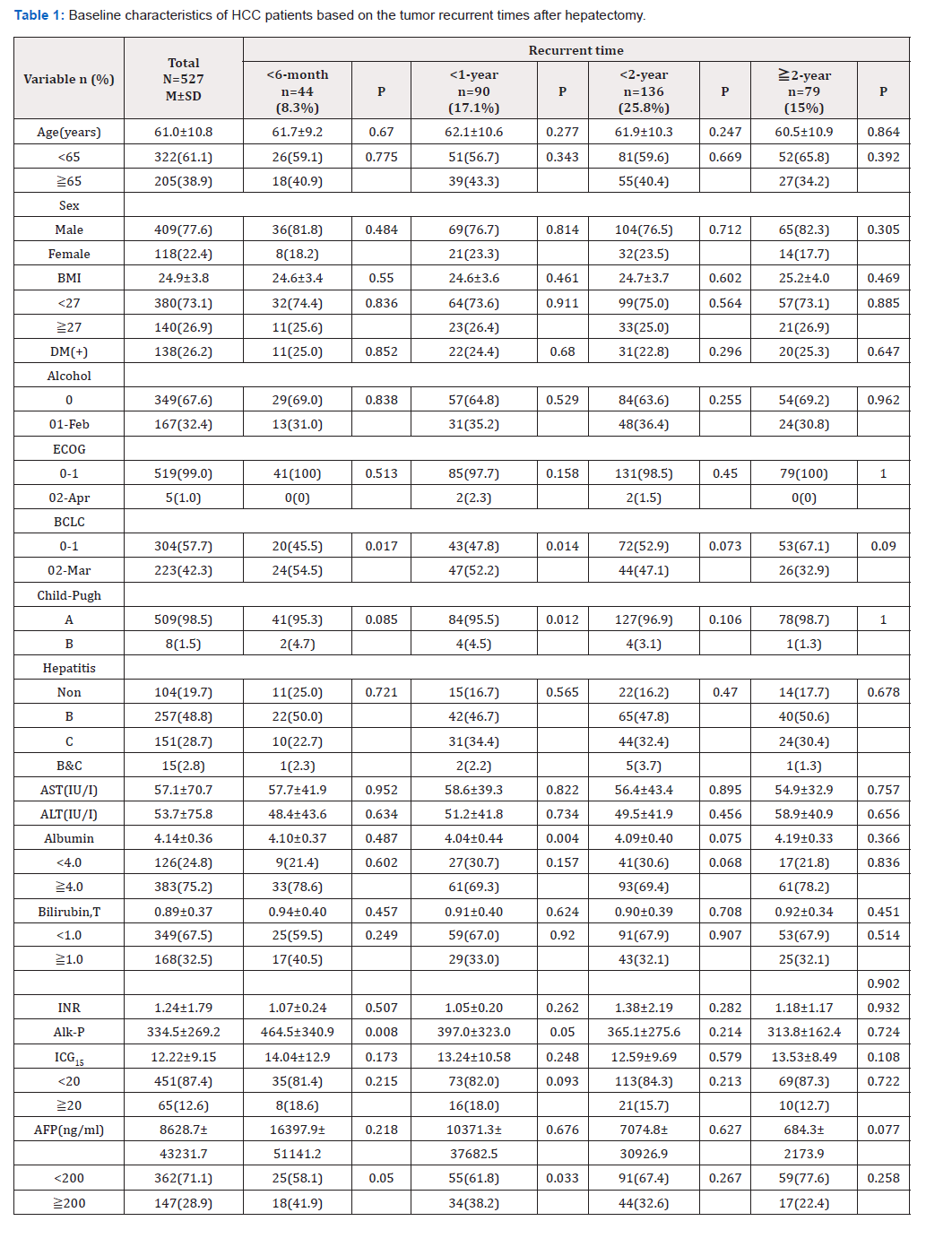
Table 1:Baseline characteristics of HCC patients based on the tumor recurrent times after hepatectomy
Systemic Immune Inflammation and Nutrition Index of HCC Patients
Laboratory systemic immune inflammation and nutrition indexes formatted for the HCC patients were also stratified by their mean values (Table 2). Significant preoperative variables were identified including monocyte, SIRI and AAR for the subgroup with recurrent time less than 6 months, ALBI and AAR for the less than subgroups of within 1 year and 2 years, and platelet for more than 2 years as illustrated in Table 2.
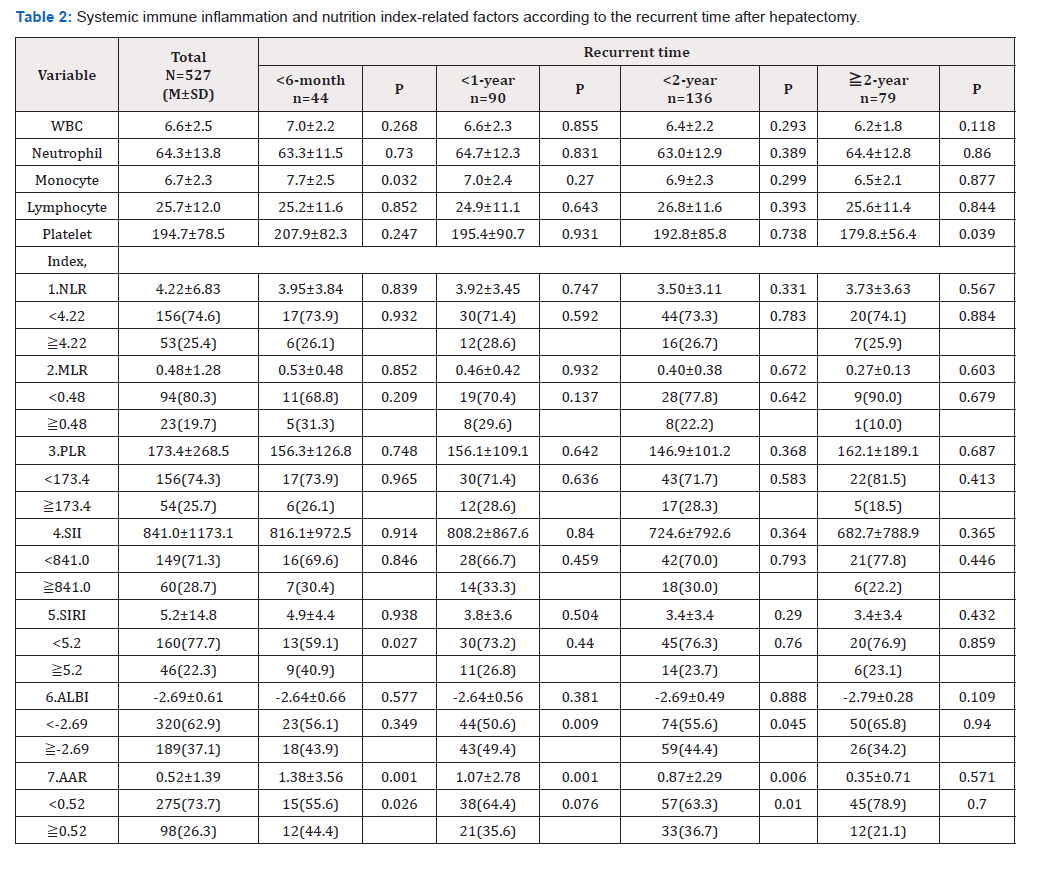
Table 2:Systemic immune inflammation and nutrition index-related factors according to the recurrent time after hepatectomy
Note*: *Seven indexes were stratified by their mean values of HCC patients.
Operation and Pathological Related Risk Factors of Tumor Recurrent Time
Operation and pathological tumor burden of the HCC patients after hepatectomy were stratified by their findings (Table 3). The early recurrent risk factor was tumor size for recurrence less than 6 months, 1 year and 2 years. The existences of satellite nodules were significant among all subgroups. Tumor size, satellite nodule, cellular differentiation, and microvascular invasion also showed significant roles in recurrence (Table 3).
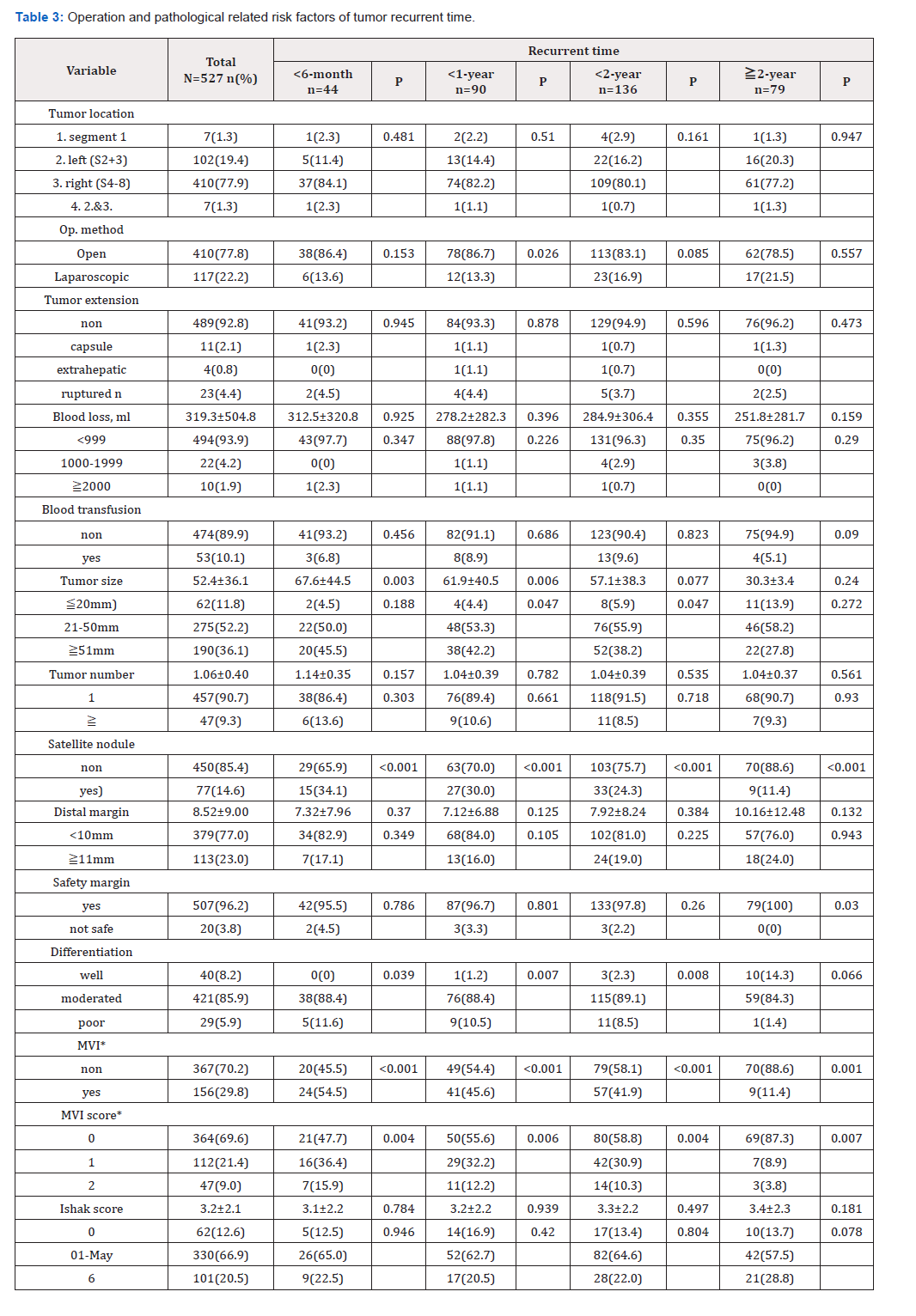
Table 3:Operation and pathological related risk factors of tumor recurrent time
Note*: *MVI; microvascular invasion, MVI score; 0=MVI (-), 1=microscopically, and 2=macroscopically.
Predictive Risk of Factors of Recurrent Times of HCC Patients After Hepatectomy
The odds ratio (OR) of risk factors for recurrent time after hepatectomy was obtained via univariate and multiple logistic regression analysis based on stratification of the variables. All significant variables were used for multiple logistic regression analysis. Significant predicted risk variables were listed according to the subgrouping by recurrent time mainly including AFP and AAR (Table 4). Only AFP acted as a main predicted risk factor for recurrent time loner than 2 years (p=0.048). Variables resulting in statistically significant difference were then studied by Cox regression analysis; univariate and then multivariate based on the forward stepwise Cox regression. The results were represented in hazard ratio (HR) with 95% confidence interval (CI).
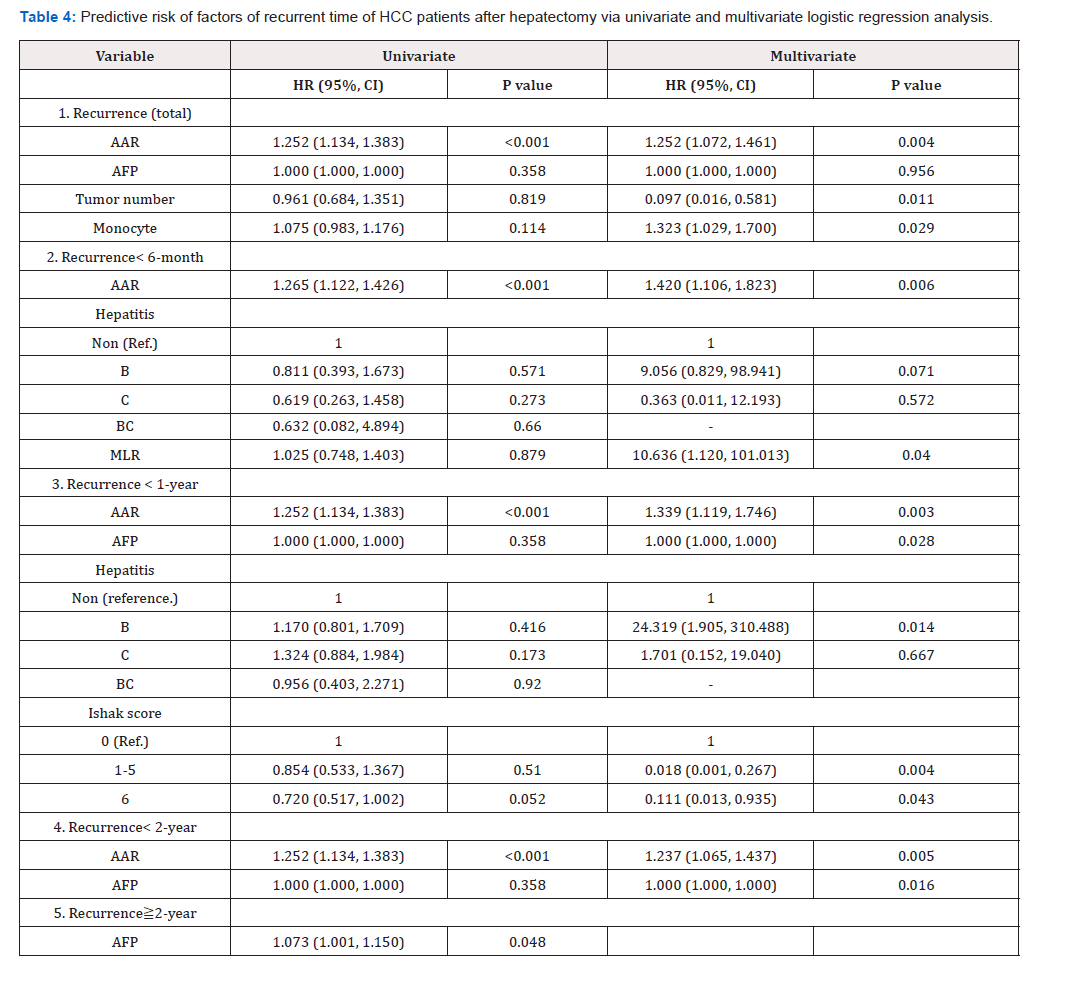
Table 4:Predictive risk of factors of recurrent time of HCC patients after hepatectomy via univariate and multivariate logistic regression analysis.
Calibration Plot Model and Nomogram for Prediction of Recurrence
The calibration plot model diagram was constructed using the significant predictive risk variables of patients totally including the MVI score, blood lost, AFP, platelet, monocyte, AAR, and Alk-p totally to predict OR of recurrent time before hepatectomy (Table 5 and Figure 1). A nomogram was constructed from six valuables to predict the risk of overall recurrence in HCC patients. To use this nomogram, the scores for each variable were obtained after logarithmic transformation on the corresponding axis. A line drawn from the total points’ axis to the risk and determine the probability of recurrent risk with a C-index score was 0.721 as in the Figure 2. Total maximal score from the nomogram was 110 points. Increasing risk scores in the nomogram will increase the prediction probability of recurrence and dismal OS rates.
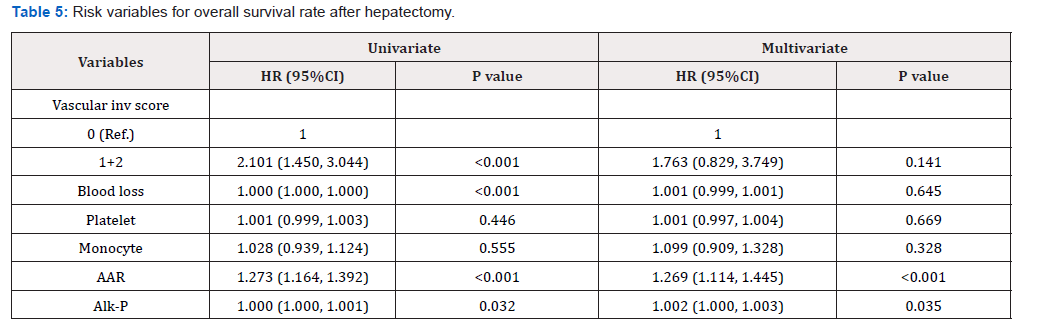
Table 5:Risk variables for overall survival rate after hepatectomy
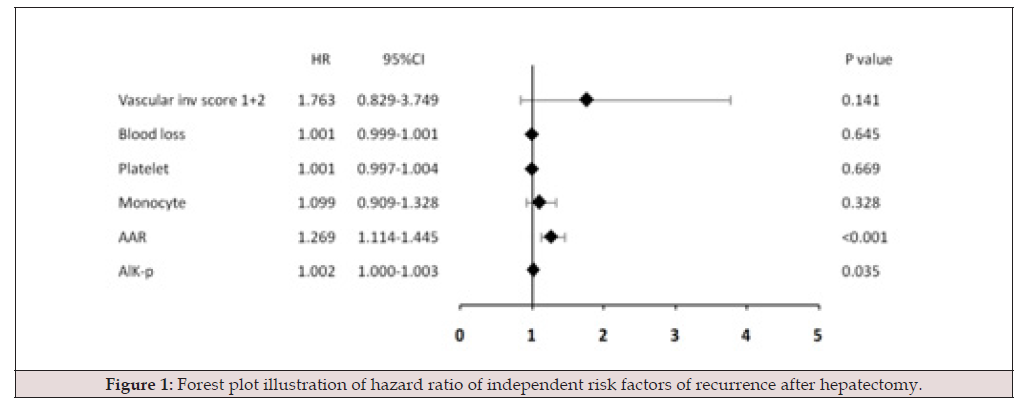
Figure 1:Forest plot illustration of hazard ratio of independent risk factors of recurrence after hepatectomy.
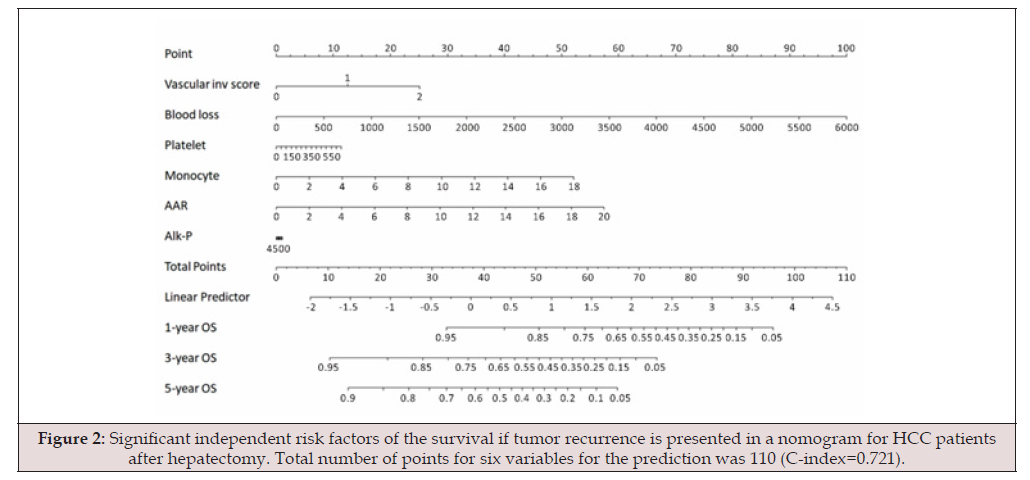
Figure 2:Significant independent risk factors of the survival if tumor recurrence is presented in a nomogram for HCC patients after hepatectomy. Total number of points for six variables for the prediction was 110 (C-index=0.721).
Tumor Recurrence and Overall Survival Rates After Hepatectomy
The survival rate was estimated using the Kaplan-Meier method, while the difference between the different recurrence groups was evaluated using the log-rank test. The OS totally after hepatectomy were 92.4%, 73.6%, and 63.6%, for 1, 3, and 5 years respectively. In the recurrence cohort, the OS rates of recurrence (+) patients were 93.0%, 69.0%, and 53.0%, and of recurrence (-) were 91.9%, 77.5%, and 73.5% totally respectively (P<0.001). However, their OS of 5-year were 18.0%, 20.5% and 63.1% and 83.1% (P<0.001) for the recurrent time within 6 months, 1 year, 2 years and longer than 2 years respectively as shown in the Figure 3. Thus, it was pertinent to prove that earlier recurrence will result in a poor survival rate.
Discussion
Recurrence after hepatectomy is typically classified into early and late recurrences based on the time of tumor recurrence after hepatectomy for HCC patients [2]. These classifications are used because they can reflect different underlying mechanisms and influence prognosis and treatment strategies. However, there is no standardized definition for early or late time of recurrence of HCC after treatment. Most studies have used different cutoff points for distinguishing time of recurrence after treatment, depending on study design and statistical method. The study of Wei, et al. [7], they suggested a cut-off time point of 8 months, which was defined as the optimal threshold based on sensitivity analyses relative to post-recurrence survival for early (37.2%) versus late recurrence (62.8%). A co-operative study of China and Korea revealed that recurrence was observed in 42/149 (28.2%) patients within 1 year as a cut-off time [2]. In a large series of 1,247 patients treated by resection or local ablation, and recurrence within 2 years was 1,247(13.7%) reported by Goh, et al. in Korea [13]. Among these studies, the cut-off time for early recurrence after hepatectomy was within 2 years in majority because the recurrent patients were clustered in the second year after treatment and enrolling a sufficient number of cases for clinical study. In the recent years, the recurrent rate ranged from 13.7% to 44.3% for within 2 years [13,15,23,24], and 6.7% to 38.5% for within 1-year recurrent rates [2,25,26]. The overall recurrence rate was 23.7% within 1 year, 64.5% within 3 years, and 76.1% within 5 years as reported by Kumata [27]. In another study, the recurrence rate within 3 years was 51.34% after radical hepatectomy among 224 patients [28]. Post-operation recurrence rate was 29.2% (52/178) within 6 months, suggesting that multifocal HCC is an important risk factor associated with very early recurrence of advanced HCC after hepatectomy reported by Lu, et al. [29]. The National Taiwan University Hospital reported 653 (38.4%) of 1,701 patients who developed late recurrence at more than 2 years [15]. In our current series, the patients developed recurrent tumors found within 6 months, 1year, and 2 years were 8.3%, 17.1%, and 25.8% respectively, but more than 2 years was 15.0% among all patients. In case of late recurrence, better prognosis could be expected and suggested the needs for closer surveillance and further post-operative adjuvant therapies, especially for early recurrences [30].
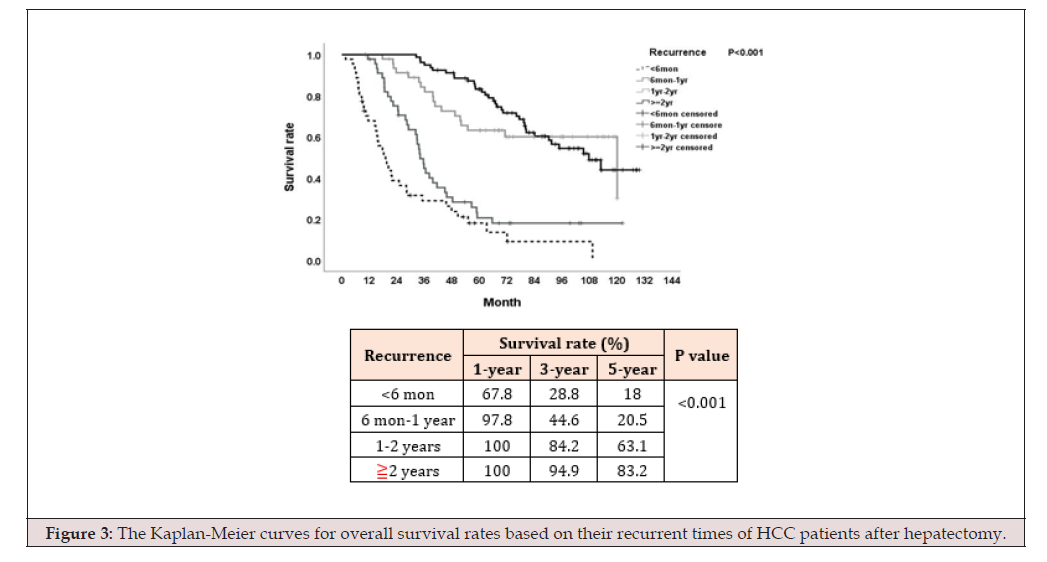
Figure 3:The Kaplan-Meier curves for overall survival rates based on their recurrent times of HCC patients after hepatectomy.
Usually, patients with HCC have a high-risk of multi-centric (MC) tumor occurrence due to either a risk carcinogenic background in the diseased liver or another high risk of intrahepatic metastasis (IM) [31]. HCC recurrences with IM or MC patterns are significantly different in their developmental pattern and clinical outcome [32,33]. An early recurrence, mainly determined by the aggressiveness of the primary tumor, is characterized by a larger tumor, higher rates of MC and intrahepatic spread, higher probability of vascular invasion and higher levels of AFP, as an IM pattern [34,35]. Conversely, late recurrence is generally related to etiology, cirrhosis and risk factors for hepatocarcinogenesis, and not arisen from the primary tumor, but through a MC pattern [27,32,36]. Kumada, et al. assessed the occurrence rate of IM and MC patterns based on the type of recurrence with a result; the IM group (n=29, 50.9%) and the MO group (n=28, 49.1%) after initial treatment for small HCC [27]. The genetic analysis has shown that 60–80% of recurrent tumors are originated from the primary HCC lesion as an IM pattern [37,38]. In fact, differentiation between IM and MC in HCC patients at the time of initial treatment is difficult, but important in understanding the development and biological behavior of the HCC. The complete removal of the initial lesion in patients with HCC does not provide a permanent cure because of the presence of MC [32]. Hence, the therapeutic management should not be based only on the time point of recurrence, but also on the tumor characteristics and aggressiveness. Therefore, postoperative early detection of recurrence may be necessary to decide the treatment strategy for obtaining a good outcome where possible [31,39].
A comprehensive understanding of the risk factors for early recurrence after liver resection in HCC patients can help surgeons to evaluate a surgical decision-making for these patients. The recurrent risk variables could be classified and formatted from the laboratory, radiological, operative, and pathological findings. It’s well known that inflammation is involved in the process of liver carcinogenesis, tumor growth and metastasis through various molecular path ways [40]. Therefore, several inflammation-based scores or indices including NLR, platelet/lymphocyte ratio, or aspartate aminotransferase/platelet ratio index are proposed to serve as prognostic predictors of HCC patients after treatments [41,42]. The weight of each risk factors were variable based on the time to recurrence. In case of an ultra-early recurrence (within 6 months) after hepatectomy, it was often associated with vascular invasion and R1 resection due to occult micro-metastasis [14]. However, in the early recurrence within 2 years after hepatectomy is often associated with micro-metastasis, poor differentiation, or multi-nodularity [14]. On the other hand, late recurrence, may suggest multiple occurrence or de novo tumor formation, especially in HCC with underlying liver cirrhosis, or less aggressive tumor behavior [14,27]. Wang, et al. reported 39 cases (11.7%) of ultra-early recurrence within 6 months and revealed tumor morphology, age, AFP, GGT, ALP, PT, and satellite nodules identified as independent prognostic factors for ultra-early recurrence among 332 patients with early solitary HCC after hepatectomy [5]. In our current series, the ultra-early recurrence within 6 months was associated with AAR, AFP, Tumor number and monocyte. A multivariate analysis showed that a tumor diameter >5 cm, the absence of a tumor capsule and the presence of microvascular invasion were correlated with early recurrence (< 2 years), whereas liver cirrhosis and AFP >400 μg/l were independent risk factors for late recurrence (>2 years) [43]. Comparison of the clinical baseline characteristics of recurrence within 3 years revealed significant intergroup differences in BCLC staging, MVI, serum AFP, and GOT levels in the HCC patients after hepatectomy [28]. Thus, multiple recurrent factors could be found from the previous studies due to the different enrolled patients, treatment methods, and study models. HCC recurrence is related to the complexity of factors at the primary treatment, such as tumor burden, AFP levels, and pathological features [30,44,45]. Although hepatectomy is the most effective treatment for HCC, early recurrence within 1 year is usually considered a critical determinant for a poor prognosis [9,11,14].
The differentiation between early and late recurrence is significant not only in terms of the therapeutic decision but also in terms of prognosis and OS. The 5-year OS is significantly lower in patients with recurrence and varies from 36.8 to 41.0%, 4.5 to 58.5%, and 25.7 to 94.0% at <1 year, <2 years, and > 2 years according to the previous studies listed in the Table 6. In our current study, the 5-year OS were 18.0%, 20.5% and 63.1% and 83.2% (P<0.001) for the recurrent time < 6 months, 1 year, 2 years and ≧2 years respectively. Wang X, et al. reported that the OS of patients with ultra-early recurrence (<6 months) (mean 30.96 months, 95% CI 22.18–39.73 months) was significantly lower than that of patients without ultra-early recurrence (mean 80.11 months, 95% CI 76.18–84.04 months, P<0.001) among HCC patients treated with hepatectomy [5]. In our current cohort study, the 5-year OS rates were 53.0% and 73.5% for recurrent and non-recurrent group respectively. (P<0.001). Therefore, it was suggested that earlier recurrence will result in a poor survival rate.
The differentiation of early and late recurrence may have implications on strategies in adjuvant therapy to prevent recurrence. To date, no adjuvant therapies have been conclusively proven to prevent recurrence through the mechanism of inhibition of tumor cell proliferation, invasion, or angiogenesis [52]. Moreover, the treatment of a recurrent HCC is generally more complex than the treatment of the primary lesion due to the changes in tumor burden and remained functional liver conditions. Patients at high risk of early recurrence are candidates for close surveillance after resection and potentially adjuvant therapy, which has not yet been standardized due to variability in results usually [53,54]. With regard to anatomic or non-anatomic resection, most surgeons attempt to perform anatomic liver resection in order to get a better results, but the merit or un-merit of surgical results were not solid about the time to recurrence or OS from the previous studies [55-57]. Moreover, pre-operative transcatheter arterial chemoembolization (TACE) has been used as a neo-adjuvant therapy to improve long-term survival by preventing cancer cell dissemination and intrahepatic recurrence [58,59]. However, several reports, including the randomized controlled trials, failed to demonstrate an improvement in survival rate with the administration of TACE preoperative [60,61]. Amisaki, et al. reported that preoperative TACE seemed to worsen the long-term outcomes of the patients who underwent surgical resection for the treatment of resectable HCC. Therefore, preoperative TACE should not be considered as a standard therapy in patients with resectable HCC [62]. Theoretically, TACE would indeed help for treating small satellite nodules and destroying microscopic tumor foci, thus facilitating the achievement of an adequate resection for a better prognosis. Furthermore, Gao, et al. also believe it is prudent to recommend preoperative TACE only in certain types of HCC, namely, multinodular and infiltrative types of HCC [61].
Conclusion
In conclusion, the clinical management of HCC is still a challenging and requires evaluation of multiple risk factors with a significant impact on prognosis. The identification of specific clinical, laboratory and histopathological characteristics that may predict the risk of recurrence early could guide the decision for pre-/postoperative treatment after surgery to prolong the time to recurrence and OS. The cut-off of time to recurrence remains arbitrary and has not universally accepted. Moreover, the time of recurrence should be always be considered before selecting the appropriate therapy, as a more aggressive treatment is needed in cases of early recurrent HCC. Generally, a multidisciplinary therapeutic approach according to tumor and patient characteristics is mandatory to achieve better OS rates. Furthermore, the concepts of risk factors for the time of recurrence in the HCC therapeutic landscape is obligatory, and could optimize patient surgical outcomes.
Acknowledgement
Authors would like to appreciate Mr. Chen IP, Chief of Division of Biostatistics, Yuan’s General Hospital, for statistical analysis.
Funding Information
None.
Conflict of Interest
Not applicable.
Statement
This study was approved by the Institutional Review Board and Ethical Committee of E-Da Hospital (Code no. EDAHS 110012).
Contribution of Authors
Conceptualization: Ker CG, Chen JL, Hung CM.
Methodology and analysis: Ker CG.
Resources: Chen JL, Chen YS, Hsieh KC, Chen JH, Lee HM, Chen CY, Hung CM
Drafting and editing: Ker CG, Chen JL
Supervision: Ker CG, Chen YS.
References
- Health Promotion Administration Ministry of Health and Welfare T (2021) Cancer Registry Annual Report, 2021, Taiwan.
- Hong SK, Jin XL, Suh S, Hong SY, Hong K, et al. (2022) Different Risk Factors for Early and Late Recurrence After Curative Resection of Hepatocellular Carcinoma. World journal of surgery 46(1): 197-206.
- Imamura H, Matsuyama Y, Tanaka E, Ohkubo T, Hasegawa K, et al. (2003) Risk factors contributing to early and late phase intrahepatic recurrence of hepatocellular carcinoma after hepatectomy. Journal of hepatology. 38(2): 200-207.
- Hsu HY, Tang JH, Huang SF, Huang CW, Lin SE, et al. (2024) Recurrence Pattern Is an Independent Surgical Prognostic Factor for Long-Term Oncological Outcomes in Patients with Hepatocellular Carcinoma. Biomedicines 12(3): 655-666.
- Wang X, Yu Y, Tao Y, Wang Y, Zhang C, et al. (2023) Clinical-Radiological Characteristic for Predicting Ultra-Early Recurrence After Liver Resection in Solitary Hepatocellular Carcinoma Patients. Journal of hepatocellular carcinoma 10: 2323-2335.
- Xing H, Zhang WG, Cescon M, Liang L, Li C, et al. (2020) Defining and predicting early recurrence after liver resection of hepatocellular carcinoma: a multi-institutional study. HPB: the official journal of the International Hepato Pancreato Biliary Association 22(5): 677-689.
- Wei T, Zhang XF, Bagante F, Ratti F, Marques HP, et al. (2021) Early Versus Late Recurrence of Hepatocellular Carcinoma After Surgical Resection Based on Post-recurrence Survival: an International Multi-institutional Analysis. Journal of gastrointestinal surgery: official journal of the Society for Surgery of the Alimentary Tract 25(1): 125-133.
- Toubert C, Guiu B, Al Taweel B, Assenat E, Panaro F, et al. (2023) Prolonged Survival after Recurrence in HCC Resected Patients Using Repeated Curative Therapies: Never Give Up! Cancers 15(1): 232-245.
- Zhang H, Huo F (2022) Prediction of early recurrence of HCC after hepatectomy by contrast-enhanced ultrasound-based deep learning radiomics. Frontiers in oncology. 12: 930458.
- Yamamoto Y, Ikoma H, Morimura R, Konishi H, Murayama Y, et al. (2015) Optimal duration of the early and late recurrence of hepatocellular carcinoma after hepatectomy. World journal of gastroenterology 21(4): 1207-1215.
- Kobayashi T, Aikata H, Kobayashi T, Ohdan H, Arihiro K, et al. (2017) Patients with early recurrence of hepatocellular carcinoma have poor prognosis. Hepatobiliary & pancreatic diseases international: HBPD INT 16(3): 279-288.
- Wu CJ, Chau GY, Lee IC, Huo TI, Su CW, et al. (2021) Early and late recurrence of surgically resected hepatitis B virus-related hepatocellular carcinoma on nucleos(t)ide analogues therapy. Journal of the Formosan Medical Association = Taiwan yi zhi 120(8): 1563-1571.
- Goh MJ, Park HC, Kim N, Bae BK, Choi MS, et al. (2024) Modified Albumin-Bilirubin Grade After Curative Treatment: Predicting the Risk of Late Intrahepatic Recurrence of Hepatocellular Carcinoma. Journal of Korean medical science 39(37): e251.
- Herrero A, Toubert C, Bedoya JU, Assenat E, Guiu B, et al. (2024) Management of hepatocellular carcinoma recurrence after liver surgery and thermal ablations: state of the art and future perspectives. Hepatobiliary surgery and nutrition 13(1): 71-88.
- Hsiao CY, Ho CM, Ho MC, Cheng HY, Wu YM, et al. (2024) Risk factors, patterns, and outcome predictors of late recurrence in patients with hepatocellular carcinoma after curative resection: A large cohort study with long-term follow-up results. Surgery 176(1): 2-10.
- Chen J, Fang Y, Tang Z, Dong E, Gao J, et al. (2025) Predictive value of neutrophil-to-lymphocyte ratio in recurrent HCC after repeat hepatectomy or salvage liver transplantation. Hepatology international 19(4): 856-865.
- Kornberg A (2024) Risk of early hepatocellular carcinoma recurrence following liver resection: arbitrary specification or possible target to improve outcome? Hepatobiliary surgery and nutrition 13(4): 745-748.
- Singh SP, Madke T, Chand P (2025) Global Epidemiology of Hepatocellular Carcinoma. Journal of clinical and experimental hepatology 15(2): 102446.
- Hu B, Yang XR, Xu Y, Sun YF, Sun C, et al. (2014) Systemic immune-inflammation index predicts prognosis of patients after curative resection for hepatocellular carcinoma. Clinical cancer research: an official journal of the American Association for Cancer Research 20(23): 6212-6122.
- Xu L, Yu S, Zhuang L, Wang P, Shen Y, et al. (2017) Systemic inflammation response index (SIRI) predicts prognosis in hepatocellular carcinoma patients. Oncotarget 8(21): 34954-60.
- Johnson PJ, Berhane S, Kagebayashi C, Satomura S, Teng M, et al. (2015) Assessment of liver function in patients with hepatocellular carcinoma: a new evidence-based approach-the ALBI grade. Journal of clinical oncology: official journal of the American Society of Clinical Oncology 33(6): 550-558.
- Zhang F, Lu S, Tian M, Hu K, Chen R, et al. (2020) Albumin-to-Alkaline Phosphatase Ratio is an Independent Prognostic Indicator in Combined Hepatocellular and Cholangiocarcinoma. Journal of Cancer 11(17): 5177-5186.
- Yao LQ, Chen ZL, Feng ZH, Diao YK, Li C, et al. (2022) Clinical Features of Recurrence After Hepatic Resection for Early-Stage Hepatocellular Carcinoma and Long-Term Survival Outcomes of Patients with Recurrence: A Multi-institutional Analysis. Annals of surgical oncology 29: 4291-4303.
- Yang C, Tan J, Chen Y, Wang Y, Qu Y, et al. (2024) Prediction of late recurrence after curative-intent resection using MRI-measured spleen volume in patients with hepatocellular carcinoma and cirrhosis. Insights into imaging 15(1): 31.
- Regimbeau JM, Abdalla EK, Vauthey JN, Lauwers GY, Durand F, et al. (2004) Risk factors for early death due to recurrence after liver resection for hepatocellular carcinoma: results of a multicenter study. Journal of surgical oncology 85(1): 36-41.
- Xing H, SL-Y, Yan W-T, Quan B, Liang L, et al. (2021) Repeat hepatectomy for patients with early and late recurrence of hepatocellular carcinoma: A multicenter propensity score matching analysis. Surgery 169: 911-920.
- Kumada T, Nakano S, Takeda I, Sugiyama K, Osada T, et al. (1997) Patterns of recurrence after initial treatment in patients with small hepatocellular carcinoma. Hepatology (Baltimore, Md) 25(1): 87-92.
- Lv C, He N, Yang JJ, Xiao JJ, Zhang Y, et al. (2023) Prediction of 3-year recurrence rate of hepatocellular carcinoma after resection based on contrast-enhanced CT: a single-centre study. The British journal of radiology 96(1145): 20220702.
- Lu X, Zhao H, Yang H, Mao Y, Sang X, et al. (2009) A prospective clinical study on early recurrence of hepatocellular carcinoma after hepatectomy. Journal of surgical oncology 100(6): 488-493.
- Tampaki M, Papatheodoridis GV, Cholongitas E (2021) Intrahepatic recurrence of hepatocellular carcinoma after resection: an update. Clinical journal of gastroenterology 14(3): 699-713.
- Furuta M, Ueno M, Fujimoto A, Hayami S, Yasukawa S, Kojima F, et al. (2017) Whole genome sequencing discriminates hepatocellular carcinoma with intrahepatic metastasis from multi-centric tumors. Journal of hepatology 66(2): 363-373.
- Feo F, Pascale RM (2015) Multifocal hepatocellular carcinoma: intrahepatic metastasis or multicentric carcinogenesis? Annals of translational medicine 3(1): 4.
- Chianchiano P, Pezhouh MK, Kim A, Luchini C, Cameron A, Weiss MJ, et al. (2018) Distinction of intrahepatic metastasis from multicentric carcinogenesis in multifocal hepatocellular carcinoma using molecular alterations. Human pathology 72: 127-134.
- Jung SM, Kim JM, Choi GS, Kwon CHD, Yi NJ, Lee KW, et al. (2019) Characteristics of Early Recurrence After Curative Liver Resection for Solitary Hepatocellular Carcinoma. Journal of gastrointestinal surgery: official journal of the Society for Surgery of the Alimentary Tract 23(2): 304-311.
- Nevola R, Ruocco R, Criscuolo L, Villani A, Alfano M, Beccia D, et al. (2023) Predictors of early and late hepatocellular carcinoma recurrence. World journal of gastroenterology 29(8): 1243-1260.
- Chan AWH, Zhong J, Berhane S, Toyoda H, Cucchetti A, Shi K, et al. (2018) Development of pre- and post-operative models to predict early recurrence of hepatocellular carcinoma after surgical resection. Journal of hepatology 69(6): 1284-1293.
- Ng IO, Guan XY, Poon RT, Fan ST, Lee JM (2003) Determination of the molecular relationship between multiple tumour nodules in hepatocellular carcinoma differentiates multicentric origin from intrahepatic metastasis. The Journal of pathology 199(3): 345-353.
- Gao Q, Wang XY, Zhou J, Fan J (2015) Multiple carcinogenesis contributes to the heterogeneity of HCC. Nature reviews Gastroenterology & hepatology 12(1): 13.
- Yao LQ, Gong JB, Cai L, Gu LH, Liang YJ, Guo HW, et al. (2025) Impact of compliance to postoperative regular follow-up on long-term prognosis after curative resection for hepatocellular carcinoma: A multicenter analysis. Hepatobiliary & pancreatic diseases international: HBPD INT 24(3): 261-268.
- Sun B, Karin M (2012) Obesity, inflammation, and liver cancer. Journal of hepatology 56(3): 704-713.
- Liu Y, Wang ZX, Cao Y, Zhang G, Chen WB, Jiang CP, et al. (2016) Preoperative inflammation-based markers predict early and late recurrence of hepatocellular carcinoma after curative hepatectomy. Hepatobiliary & pancreatic diseases international: HBPD INT 15(3): 266-274.
- She S, Shi J, Zhu J, Yang F, Yu J, Dai K (2024) Impact of inflammation and the immune system on hepatocellular carcinoma recurrence after hepatectomy. Cancer medicine 13(4): e7018.
- Cheng Z, Yang P, Qu S, Zhou J, Yang J, Yang X, et al. (2015) Risk factors and management for early and late intrahepatic recurrence of solitary hepatocellular carcinoma after curative resection. HPB: the official journal of the International Hepato Pancreato Biliary Association 17(5): 422-427.
- Wen L, Weng S, Yan C, Ye R, Zhu Y, Zhou L, et al. (2021) A Radiomics Nomogram for Preoperative Prediction of Early Recurrence of Small Hepatocellular Carcinoma After Surgical Resection or Radiofrequency Ablation. Frontiers in oncology 11: 657039.
- Li C, Diao YK, Li YF, Lv SD, Wang XM, Wang XD, et al. (2025) α-Fetoprotein model versus Milan criteria in predicting outcomes after hepatic resection for hepatocellular carcinoma: multicentre study. BJS open 9(2).
- Portolani N, Coniglio A, Ghidoni S, Giovanelli M, Benetti A, Tiberio GA, et al. (2006) Early and late recurrence after liver resection for hepatocellular carcinoma: prognostic and therapeutic implications. Annals of surgery 243(2): 229-235.
- Choi GH, Kim DH, Kang CM, Kim KS, Choi JS, Lee WJ, et al. (2008) Prognostic factors and optimal treatment strategy for intrahepatic nodular recurrence after curative resection of hepatocellular carcinoma. Annals of surgical oncology 15(2): 618-629.
- Kaibori M, Ishizaki M, Saito T, Matsui K, Kwon AH, Kamiyama Y (2009) Risk factors and outcome of early recurrence after resection of small hepatocellular carcinomas. American journal of surgery 198(1): 39-45.
- Xu XF, Xing H, Han J, Li ZL, Lau WY, Zhou YH, et al. (2019) Risk Factors, Patterns, and Outcomes of Late Recurrence After Liver Resection for Hepatocellular Carcinoma: A Multicenter Study from China. JAMA surgery 154(3): 209-217.
- Wang C, Li K, Huang Z, Yuan Y, He W, Zheng Y, et al. (2023) Repeat hepatectomy versus percutaneous ablation for recurrent hepatocellular carcinoma: emphasis on the impact of early or late recurrence. Journal of cancer research and clinical oncology. 149(16): 15113-15125.
- Tanemura A, Noguchi D, Shinkai T, Ito T, Hayasaki A, Gyoten K, et al. (2024) Prognostic significance of early and multiple recurrences after curative resection for hepatocellular carcinoma. BMC surgery 24(1): 339.
- Pang RW, Poon RT (2007) From molecular biology to targeted therapies for hepatocellular carcinoma: the future is now. Oncology 72(1): 30-44.
- Huang S, Li D, Zhuang L, Sun L, Wu J (2021) A meta-analysis of the efficacy and safety of adjuvant sorafenib for hepatocellular carcinoma after resection. World journal of surgical oncology 19(1): 168.
- Bruix J, Takayama T, Mazzaferro V, Chau GY, Yang J, Kudo M, et al. (2015) Adjuvant sorafenib for hepatocellular carcinoma after resection or ablation (STORM): a phase 3, randomised, double-blind, placebo-controlled trial. The Lancet Oncology 16(13): 1344-1354.
- Kobayashi A, Miyagawa S, Miwa S, Nakata T (2008) Prognostic impact of anatomical resection on early and late intrahepatic recurrence in patients with hepatocellular carcinoma. Journal of hepato-biliary-pancreatic surgery 15(5): 515-521.
- Hu H, Qi S, Zeng S, Zhang P, He L, Wen S, et al. (2021) Importance of Microvascular Invasion Risk and Tumor Size on Recurrence and Survival of Hepatocellular Carcinoma After Anatomical Resection and Non-anatomical Resection. Frontiers in oncology 11: 621622.
- Hidaka M, Eguchi S, Okuda K, Beppu T, Shirabe K, Kondo K, et al. (2020) Impact of Anatomical Resection for Hepatocellular Carcinoma with Microportal Invasion (vp1): A Multi-institutional Study by the Kyushu Study Group of Liver Surgery. Annals of surgery 271(2): 339-346.
- Nishikawa H, Arimoto A, Wakasa T, Kita R, Kimura T, Osaki Y (2013) Effect of transcatheter arterial chemoembolization prior to surgical resection for hepatocellular carcinoma. International journal of oncology 42(1): 151-160.
- Qi X, Liu L, Wang D, Li H, Su C, Guo X, et al. (2015) Hepatic resection alone versus in combination with pre- and post-operative transarterial chemoembolization for the treatment of hepatocellular carcinoma: A systematic review and meta-analysis. Oncotarget 6(34): 36838-36859.
- Kaibori M, Tanigawa N, Kariya S, Ikeda H, Nakahashi Y, Hirohara J, et al. A prospective randomized controlled trial of preoperative whole-liver chemolipiodolization for hepatocellular carcinoma. Digestive diseases and sciences. 2012;57(5):1404-1412.
- Gao ZH, Bai DS, Jiang GQ, Jin SJ. (2015) Review of preoperative transarterial chemoembolization for resectable hepatocellular carcinoma. World journal of hepatology 7(1): 40-43.
- Amisaki M, Honjo S, Morimoto M, Hanaki T, Arai Y, Tokuyasu N, et al. (2016) The Negative Effect of Preoperative Transcatheter Arterial Chemoembolization on Long-Term Outcomes for Resectable Hepatocellular Carcinoma: A Propensity Score Matching Analysis. Yonago acta medica 59(4): 270-278.




 We use cookies to ensure you get the best experience on our website.