
Research Article 
 Creative Commons, CC-BY
Oral Intake of Ergothioneine for Skincare
*Corresponding author:Jiazhong Li and Xin Fang, Shenzhen Readline Biotech., No.8, Gaoxin Central 1st Ave., Nanshan, Shenzhen, China.
Received:April 10, 2026; Published:April 21, 2026
DOI: 10.34297/AJBSR.2026.30.003986
Abstract
Ergothioneine, a diet-derived antioxidant, has gained increasing interest for its potential anti-aging benefits, yet human evidence remains limited. This study investigated the effects of dietary ergothioneine on skin condition in 31 healthy adults through quantitative instrumental measurements, image-based facial analysis, and self-reported questionnaires. Instrumental assessments demonstrated significant improvements in overall skincare efficacy, characterized by enhanced skin brightness, elasticity, and firmness, alongside reduced wrinkle appearance and skin glycation. Representative facial photographs, together with AI-assisted image analysis and three-dimensional reconstruction, identified temporal changes in skin brightness and progressive inward contour contraction. These findings suggest a potential nutritional approach for improving overall skin appearance and supporting anti-aging outcomes.
Keywords: Skincare, Elasticity, Skin brightness, Skin glycation, Dull complexion, Skin firmness, Shapiro-wilk test, Yellow-blue axis, Artificial intelligence, Volumetric changes
Introduction
Ergothioneine is a naturally occurring sulfur-containing derivative of histidine that is known as a potent antioxidant and cytoprotective molecule [1]. Unlike other antioxidants that are susceptible to self-oxidation, ergothioneine is stable at physiologic pH due to its thione form [2]. Ergothioneine cannot be endogenously synthesized by mammals and can be acquired solely from diet such as mushrooms. Its absorption by cells is facilitated by the highly specific transporter SLC22A4, which ensures its delivery to tissues encountering oxidative stress [3]. Ergothioneine exerts its biological effects mainly by neutralizing a broad spectrum of radical oxygen species, thereby preventing the oxidative attack on vital cellular macromolecules such as lipids, proteins, and nucleic acids. In addition, ergothioneine can modulate cellular signaling pathways such as nuclear factor erythroid 2-related factor 2 (Nrf2), which in turn activates endogenous antioxidant mechanisms and attenuates the release of pro-inflammatory mediators [4]. Ergothioneine is found to decline with age, which is associated with increased susceptibility to age-related disorders such as frailty and neurodegeneration [5-7]. Ergothioneine was also employed as a biomarker of lower risk fo cardiometabolic disease and mortality.7 The average plasma ergothioneine concentration in individuals over 75 years of age decreases by 37% relative to those below 65 [8]. Moreover, individuals with mild cognitive impairment exhibit 35% lower blood ergothioneine levels compared with healthy people.8 Research has demonstrated that ergothioneine can be effectively absorbed and retained through oral intake, resulting in a marked increase in blood levels and decrease of biomarkers of oxidative damage [9]. Therefore, there is increasing interest in oral supplementation of ergothioneine to achieve anti-aging benefits [10]. European Food Safety Authority (EFSA) has recognized that ergothioneine is safe as novel food under proposed use levels across all groups of population including infants, pregnant and breastfeeding women [11,12]. A double-blinded clinical trial has shown that ergothioneine supplementation can improve sleep quality by supporting sleep initiation [13]. These findings underscore the potential for using ergothioneine as a dietary supplement to enhance antioxidant capacity and promote healthy aging.
Skin aging is part of the aging progress driven by an interplay of intrinsic and extrinsic factors, which results in a decline in barrier function, loss of structural components, and compromised immune response [14]. Oral supplementation has emerged as a promising strategy to complement traditional topical skincare by addressing skin aging from within. A range of bioactive compounds including peptides, polysaccharides, vitamins and botanical extracts have demonstrated potential benefits for skin hydration, elasticity, wrinkle reduction, and photoprotection [15]. In this study, the skincare efficacy of orally administered ergothioneine was evaluated through quantitative instrumental measurements, image-based facial analysis, and structured questionnaires. Improvements in overall skin appearance were observed after 8 weeks, characterized by enhanced skin brightness, elasticity, and firmness, together with a reduction in wrinkle area, and improvements in sleep quality and memory performance. These findings suggest ergothioneine is a promising oral supplement for improving overall skin appearance and supporting anti-aging outcomes.
Materials and Methods
Study Design
This study was designed as a single-center, open-label, before-after controlled, single-group intervention study. A total of 31 participants were included in the study. Ergothioneine (ReBiohub®EGT, purity≧99.5%) was obtained as a white crystalline powder from Shenzhen Readline Biotech. Co., Ltd. (China) and formulated into tablets. Participants were instructed to take one tablet daily, providing 30 mg of ergothioneine, administered with breakfast or immediately after meals. Compliance was monitored using methods such as capsule counts and self-reported logs.
The total duration of the study was 56 days. At the screening and baseline visit (Day 0), participants provided demographic information, signed informed consent, underwent eligibility assessments, and completed a medical history questionnaire. Following enrollment, participants underwent standardized facial cleansing, a 30-minute acclimatization in a controlled environment, baseline image capture, instrumental assessments, and an online questionnaire. Study products and usage diaries were provided thereafter. At follow-up visits (Day 28 and D56), the same procedures were repeated. At the final visit (D56), study products and usage diaries were collected.
Inclusion and Exclusion Criteria
participants were recruited according to the following criteria. Inclusion criteria: (1) Healthy people, aged 25 to 45 years; (2) Dry and sagging facial skin, dull complexion; (3) The subject has fine lines or wrinkles at the corners of the eyes, which meet the SKIN AGEING ATLAS classification of 1 to 5; (4) Can cooperate well with the experimenters and maintain a regular life during the study; (5) Be able to read and understand all the contents of the informed consent form and voluntarily sign the informed consent form; (6) During the trial, participants agreed not to use any cosmetics, drugs or health products that may affect the results. Exclusion criteria: (1) People with a history of allergies to cosmetics; (2) People receiving hormone therapy; (3) Pregnant or breastfeeding women; (4) People who have received cosmetic or medical treatment on the tested area; (5) Anyone deemed unsuitable as a subject for this trial by peers, other trial leaders, or visual evaluators.
Precautions and Controls
To minimize the introduction of confounding variables, participants were required to comply with the following precautions: (1) Do not use any skincare products (including those distributed) or makeup on your face on the day of the test. Bring all distributed products and usage records with you to the test; (2) Avoid activities that expose you to excessive ultraviolet rays, such as sea bathing, mountain climbing, sunbathing, and outdoor activities; (3) Don’t start using new supplements; (4) Avoid using sunscreen products and skin care products. The same products need to be used continuously during the trial (excluding external preparations and pharmaceuticals for improving wrinkles).
Evaluation Methods
Facial images were captured using the VisiaCR/CR5/7 system (Canfield, Germany), which employs multi-light imaging technology and dedicated image analysis software to enable multi-dimensional, quantitative skin assessment. Standard light settings SD1/Standard 1 and SD2/Standard 2 were applied consistently across all measurements. Digital images were processed and analyzed using Image ProPlus 7 (Media Cybernetics, USA) to extract quantitative parameters including skin color ITA°, skin brightness (L*), wrinkle area (%) around eye corner, and skin glossiness. Skin mechanical properties were assessed using the cutometer MPA580 (Courage & Khazaka, Germany), which applies negative pressure to deform the skin and measures elasticity. The tested parameters include skin elasticity (R2), skin firmness (F4), and skin glycation level.
Image Processing and Analysis
Colorimetric analysis was restricted to skin regions using a multi-stage segmentation pipeline. Facial areas were first delineated with a pre-trained deep learning model, followed by chrominance-based filtering in the YCrCb space to exclude non-skin features (e.g., hair, lips, irises). Morphological operations were then applied to refine the binary skin mask. Subsequent analyses were performed in the CIE Lab* color space. The individual typology angle (ITA°) was computed per pixel as:
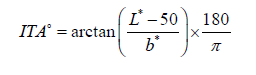
The high-ITA° area is defined as the proportion of pixels exceeding 41°. For spatial visualization, pixels above the threshold were overlaid on the original image to generate a high-ITA° region overlay.
3D Face Reconstruction
The 3D face reconstruction was generated from 2D photographs using hierarchical representation network (HRN) technology. All the reconstructed face models consisted of 52334 vertices. To eliminate pose discrepancies, all models were precisely aligned to the baseline model (Day 0) using the iterative closest point (ICP) algorithm. A confidence threshold was set at 0.011309 mm according to the statistical 3σ principle. Any morphological change exceeding this threshold is considered a true effect transcending system noise.
Questionnaire Assessment
Improvements in sleep and memory before and after ergothioneine intake were assessed using standardized questionnaires. Questionnaires were administered at baseline and on Day 28 and Day 56.
(1) Self-rating scale of sleep (SRSS): The SRSS consists of 10 items scored on a 5-point scale (1-5), with total scores ranging from 10 to 50. Changes in total scores reflect variations in sleep status over time.
(2) Everyday Memory Questionnaire-13 items (EMQ-13): The EMQ-13 is a self-report instrument designed to assess the frequency of everyday memory failures. The scale contains 13 items covering two principal factors: retrieval, referring to difficulties in recalling recent events or retrieving words, and attention tracking, referring to failures in maintaining attention during conversation or reading.
Each item is rated on a 5-point Likert scale reflecting the
frequency of occurrence over the past month:
a) 0 = once or less in the last month,
b) 1 = more than once a month but less than once a week,
c) 2 = about once a week,
d) 3 = more than once a week but less than once a day,
e) 4 = once or more in a day.
Total scores therefore range from 0 to 52, with higher scores indicating more frequent subjective memory complaints and greater perceived memory difficulties.
Safety Evaluation
Adverse events were monitored throughout the study period. The skin adverse reaction classification standard is used to judge, from the “Cosmetic Safety Technical Specifications”: (Table 1)

Table 1:Human skin reaction classification standards.
A follow-up investigation was conducted on the adverse reactions of participants during the trial, and no participants experienced adverse reactions in this efficacy trial (Table 2).

Table 2:Adverse reaction follow-up survey results.
Statistical Analysis
Descriptive statistics were performed for all measurement variables using statistical software. Continuous data were summarized as mean, Standard Deviation (SD), Standard Error (SE), median, minimum, and maximum values. For significance testing of continuous variables, the Shapiro-Wilk test was first applied to assess the normality of the distribution of change scores. If the data were normally distributed, paired-sample t-tests were conducted; otherwise, Wilcoxon signed-rank tests were applied. A significance level of p<0.05 was used for all analyses. For categorical data, descriptive statistics were presented as cumulative percentages of positive (beneficial) items. The distribution of beneficial versus non-beneficial responses was evaluated using a binomial test with an expected probability of 0.5 and a significance threshold of p>0.05.
Results and Discussion
Results and Discussion
31 healthy Chinese individuals aged between 29-45 were enrolled in this study. Participants were instructed to take one tablet containing 30 mg ergothioneine per day after meals. Facial images were captured before and at Day 28 and Day 56 of the study. Quantitative analysis was performed on the selected facial regions. The skin glossiness parameter significantly improved from 0.55%±0.06% to 0.73%±0.08% at Day 28 and 1.01%±0.09% at Day 56, representing an increase rate of 32.7% and 83.6%, respectively (Figure 1a). Images were transformed from the RGB color space to the device-independent CIE Lab* space, where the L* channel represents lightness (0-100) and the b* channel encodes the yellow blue axis. The individual typology angle (ITA°) reflects the degree of skin pigmentation and tanning with higher ITA° values corresponding to lighter skin. Likewise, the ITA° values of participants’ face skin increased by 0.81% after 28 days and by 2.43% after 56 days (Figure 1b). While the L* barely changed in 28 days, it significantly increased by 0.71% after 56 days (Figure 1c) (Figure 1).
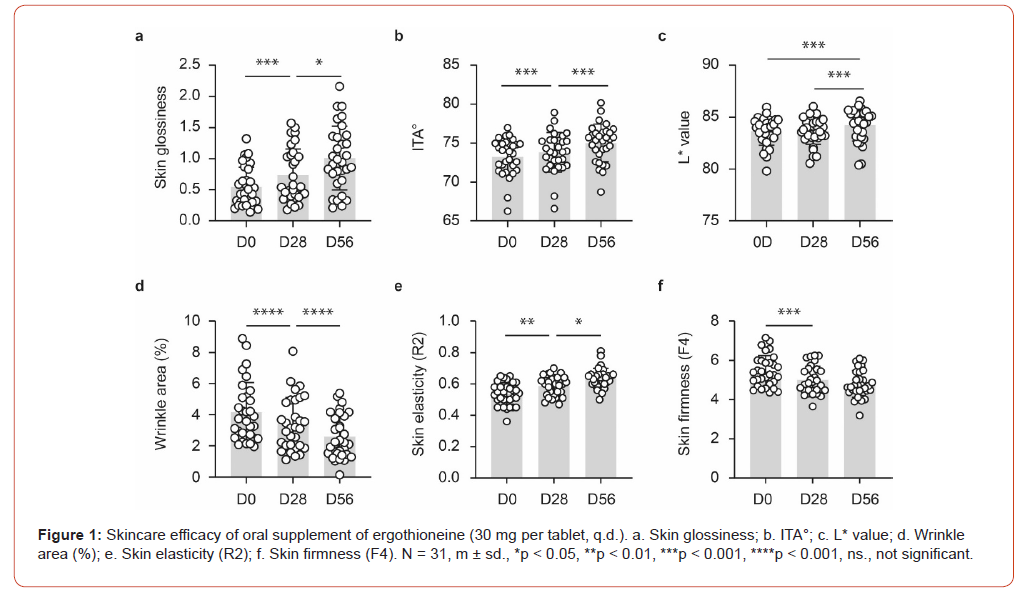
Figure 1:Skincare efficacy of oral supplement of ergothioneine (30 mg per tablet, q.d.). a. Skin glossiness; b. ITA°; c. L* value; d. Wrinkle area (%); e. Skin elasticity (R2); f. Skin firmness (F4). N = 31, m ± sd., *p < 0.05, **p < 0.01, ***p < 0.001, ****p < 0.001, ns., not significant.
Visual perception of skin brightness is an outcome of the interactions between light and skin structure [16] Chromophores such as melanin and Advanced Glycation End Products (AGEs) result in skin pigmentation. 17 Compared with the baseline value of 1.53±0.06, the average AGEs level decreased to 1.40±0.05 at Day 28 and to 1.38±0.05, with reduction rates of 8.5% and 9.8%, respectively. These results indicate that oral intake of ergothioneine significantly reduced the accumulation of AGEs in the skin (Figure S1). These results suggest that oral intake of ergothioneine can significantly improve the skin glossiness and skin whiteness (Figure S1).
Skin Firmness and Elasticity
Periorbital skin often exhibits early signs of aging due to static and dynamic wrinkle patterns, which are exacerbated by exposure to UV radiation and reactive oxygen species [17]. Antioxidants are often used in topical skincare products to mitigate the progression of aging symptoms [18]. In this study, oral ergothioneine supplementation resulted in a significant reduction in periorbital wrinkle area. The average wrinkle area decreased from 4.16%±0.34% at baseline Day 0, to 3.40%±0.31% at Day 28, and further 2.59%±0.25% at Day 56, respectively. Progressive improvement and anti-wrinkle effects were observed compared with baseline, reaching an 18.27% change rate at Day 28 and 37.74% at Day 56 relative to baseline (Figure 1d). Furthermore, the effects of ergothioneine on enhancing skin firmness and skin elasticity were quantitatively evaluated. The skin elasticity R2 value and skin firmness F4 value both exhibited significant improvements following consecutive dietary supplementation. The R2 value increased by 9.26% (p<0.001) after 28 days and 18.52% (p<0.001) after 56 days of supplementation compared with baseline. (Figure 1e). Likewise, Skin firmness parameter F4 value, exhibited a significant reduction of 8.27% at Day 28 relative to baseline (p<0.001), followed by a further decrease of 11.76% at Day 56 (p<0.001) indicating a more compliant and flexible skin (Figure 1f).
Supporting information
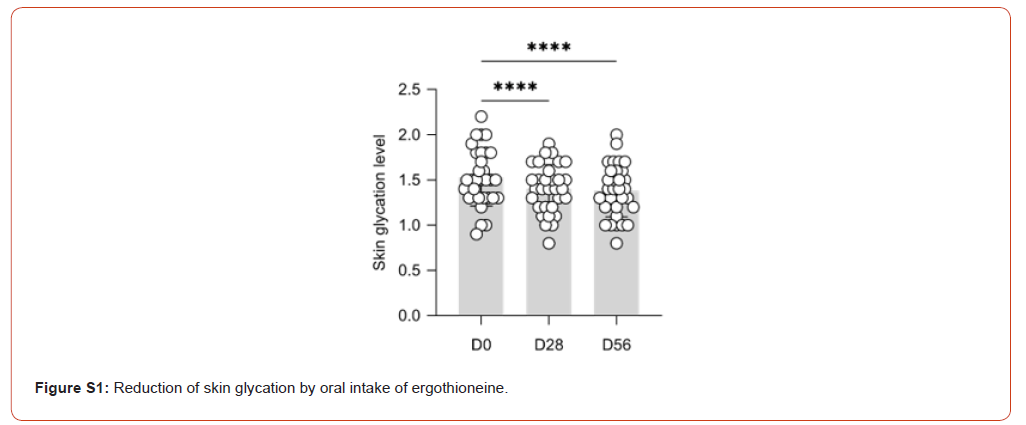
Figure 1S:Reduction of skin glycation by oral intake of ergothioneine
Skin Appearance Visualization
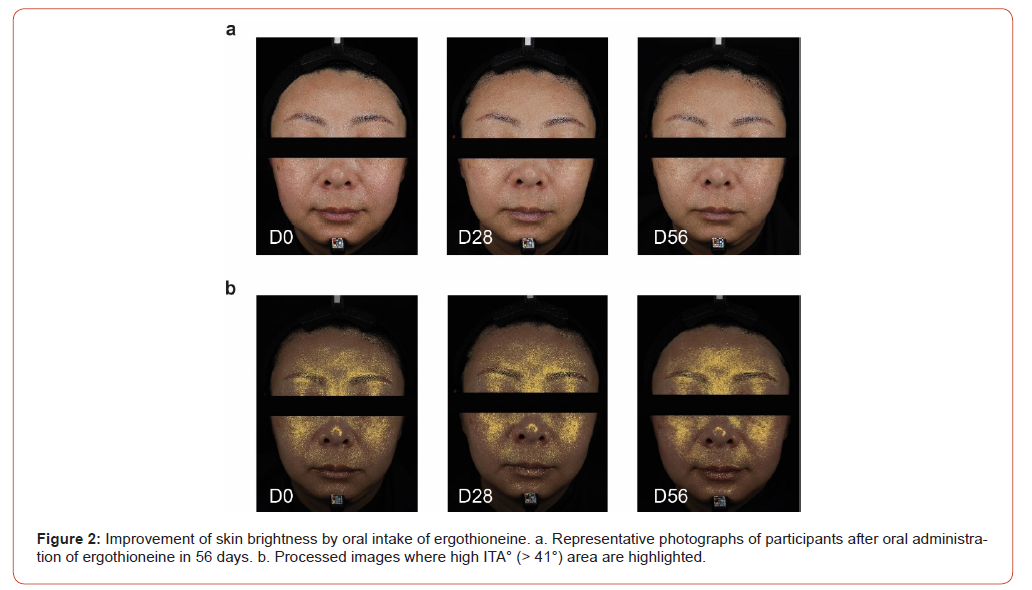
Figure 2:Improvement of skin brightness by oral intake of ergothioneine. a. Representative photographs of participants after oral administration of ergothioneine in 56 days. b. Processed images where high ITA° (> 41°) area are highlighted.
The improvement of skin appearance was further visualized by Artificial Intelligence (AI)-assisted imaging processing and reconstruction, which can reveal overall changes in skin features such as facial contour. Facial photographs were obtained before and after 28 and 56 days of ergothioneine administration. Visual inspection of the representative facial images taken at Day 56 showed improvements in multiple skin characteristics, including reduced hyperpigmentation and erythema, a brighter skin tone, and visibly reduced forehead wrinkles, thus presenting an overall reduction in apparent facial age after 56 days of ergothioneine administration (Figure 2a). Consistently, AI processed image with highlighted high ITA° (≥41°) areas showed that increased brightness and a lighter skin tone in the central facial region, including the forehead, cheeks, and nasal region. Notably, high ITA° regions expanded from 11.59% to 14.85% after 56 days of ergothioneine intake (Figure 2b) (Figure 2).
Representative facial photographs acquired before and after 28 and 56 days of ergothioneine intake indicates progressive improvements in facial contour over time (Figure 3). We used Hierarchical Representation Network (HRN) technology to enhance the visualization by reconstructing three-dimensional face geometry and outlining the face contour. Compared with Day 0, facial images at Day 28 and Day 56 showed a slimmed cheek contour and inward contraction of jawline (Figures 3b-3d). 19The contours were orthogonally projected onto a two-dimensional plane and the numerical values on the axes represented the coordinates of the projected jawline contours. The projected overlapping jawline contours showed that the Day 56 profile was predominantly enclosed within the baseline, while the Day 28 contour located between the baseline and Day 56, indicating a consistent inward contraction relative to the baseline and supporting a timedependent refinement of the jawline contour (Figures 3c and 3d). Alterations in jawline and overall facial contour are closely related to skin tightening effect, which can further be quantitatively reflected by the direction and magnitude of skin surface displacement. 20Compared with the baseline, both face contours at Day 28 and Day 56 showed a significant skin tightening effect in lower facial regions, particularly along the jawline, cheek and perinasal areas (Figure 3e). Inward contraction was more evident at Day 56 than at Day 28, consistent with progressive facial contour refinement following oral ergothioneine intake. Limited outward expansion at Day 56 is likely attributed to compensatory surface adjustment rather than volumetric expansion, given that volumetric changes are unlikely a primary effect of oral ergothioneine intake. The results of face image analysis are consistent with quantitative measurements of skin elasticity and firmness (Figures 1e and 1f) (Figure 3).
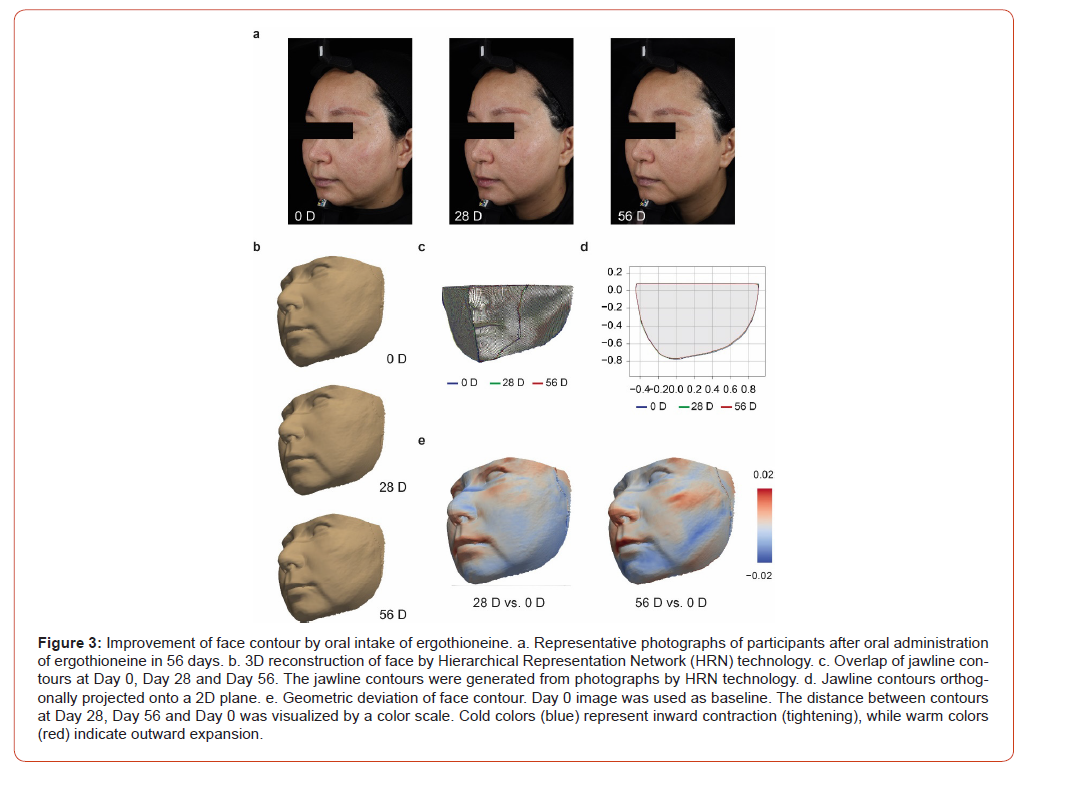
Figure 3:Improvement of face contour by oral intake of ergothioneine. a. Representative photographs of participants after oral administration of ergothioneine in 56 days. b. 3D reconstruction of face by Hierarchical Representation Network (HRN) technology. c. Overlap of jawline contours at Day 0, Day 28 and Day 56. The jawline contours were generated from photographs by HRN technology. d. Jawline contours orthogonally projected onto a 2D plane. e. Geometric deviation of face contour. Day 0 image was used as baseline. The distance between contours at Day 28, Day 56 and Day 0 was visualized by a color scale. Cold colors (blue) represent inward contraction (tightening), while warm colors (red) indicate outward expansion.
The efficacy of oral administration of ergothioneine is beyond skin beauty, but induces whole-body benefits. Previous studies have identified ergothioneine as a biomarker for frailty, cognition and mobility.5,6 Ergothioneine supplementation has shown benefits in improving memory and sleep quality.13,18 Here, the sleep quality and memory performance of the participants after taking ergothioneine were evaluated by Self-Rating Scale of Sleep (SRSS) and the 13-item Everyday Memory Questionnaire (EMQ- 13) (Figure 4). Both sleep quality and memory were significantly improved following oral ergothioneine supplementation after 28 and 56 days (Figure 4).
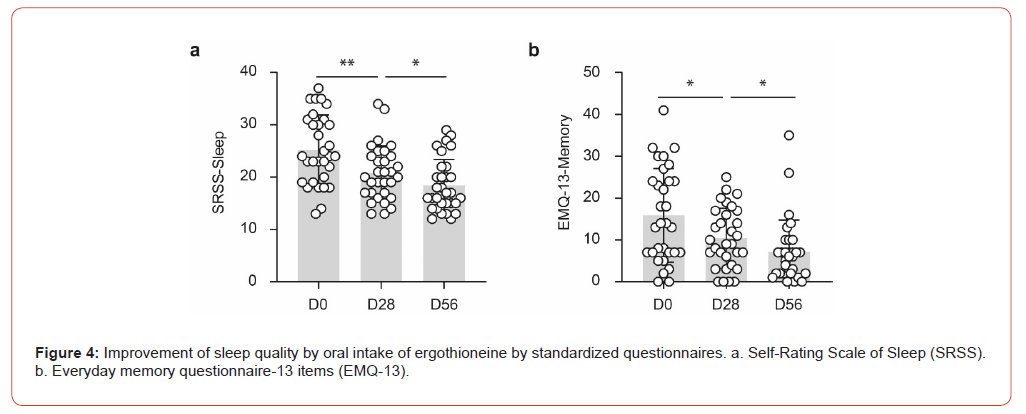
Figure 4:Improvement of sleep quality by oral intake of ergothioneine by standardized questionnaires. a. Self-Rating Scale of Sleep (SRSS). b. Everyday memory questionnaire-13 items (EMQ-13).
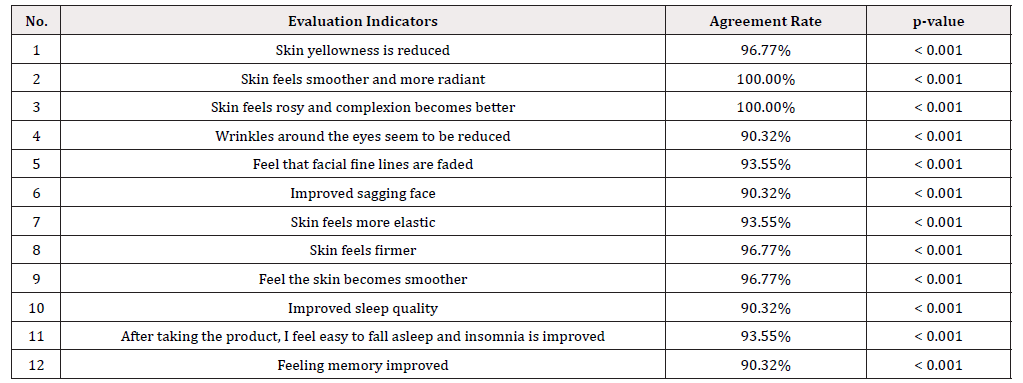
Table S1:Results of the self-assessment questionnaire of participants at Day 28.
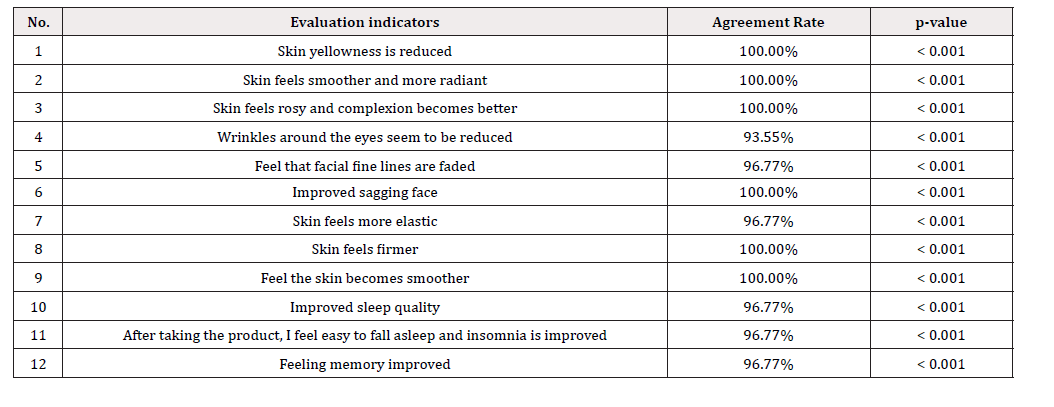
Table S2:Results of the self-assessment questionnaire of participants at Day 56.
After oral intake, ergothioneine is absorbed in the small intestine and retained by the human body with significant elevations in plasma and whole blood concentrations.9 Ergothioneine can also be metabolized by human gut bacteria to promote anaerobic energy metabolism of specific bacteria [19,20] Its potential in mitigating oxidative stress and maintaining healthy aging is widely acknowledged, but is less validated by clinical trials. Several studies have shown that oral intake of ergothioneine can improve sleep quality,13,18 yet its effects on improving skin appearance are rarely reported. This study demonstrates that daily supplementation of ergothioneine generates notable effects on addressing skin aging hallmarks including pigmentation, wrinkling, sagging and atrophy, in addition to improving sleep quality and memory performance. Anti-oxidants such as glutathione have also shown benefits in brightening skin color in sun-exposed areas and reducing the size of facial dark spots after oral supplementation. Given the low bioavailability and stability of glutathione, its daily doses are much higher (typically 500 mg) and onset of action is longer (12 weeks) [21,22]. In comparison, ergothioneine as an oral supplement is more advantageous in terms of better bioavailability, higher stability, and more comprehensive benefits in skincare and beyond
Conclusions
This study provides evidence that oral ergothioneine supplementation can improve skin brightness, elasticity, firmness, wrinkle appearance and facial contour refinement, supporting its potential benefits for skincare. Quantitative instrumental assessments revealed significant enhancements in skin glossiness, ITA° values, and skin elasticity, accompanied by reductions in wrinkle area, skin firmness and skin glycation levels. Image-based facial analysis revealed time-dependent inward contour changes, particularly in the lower facial regions, reflecting a skin tightening effect. Self-reported questionnaires results indicate significant improvements in sleep quality and memory performance. The supplementation was well tolerated, with no adverse effects reported. These results are consistent with the established biological properties of ergothioneine as a naturally occurring, diet-derived antioxidant and cytoprotective molecule that mitigates oxidative stress and modulates inflammation-related signaling pathways. Overall, these results support the potential of oral intake of ergothioneine as a safe and effective strategy for supporting skin health and healthy aging.
Ethics Statement
According to the Declaration of Helsinki, the selection of participants must adhere to medical and ethical standards for human experimentation. All volunteer participation in experiments must be voluntary and require the participants to sign an informed consent form before the experiment. Before signing the informed consent form, the experimenter must inform the volunteer of the purpose of the experiment, the potential benefits, potential risks and issues, and the relevant rights and obligations.
Conflict of Interest
None.
Acknowledgements
None.
References
- Cheah IK, Halliwell B (2012) Ergothioneine: Antioxidant potential, physiological function and role in disease. Biochim. Biophys: 784-793.
- Yadan JC (2022) Matching chemical properties to molecular biological activities opens a new perspective on L-ergothioneine. FEBS Lett 596(10): 1299-1312.
- Cheah IK, Halliwell B (2021) Ergothioneine, recent developments. Redox Biol 42: 101868.
- Chen L, Zhang L, Ye X, Deng Z, Zhao C (2024) Ergothioneine and its congeners: anti-ageing mechanisms and pharmacophore biosynthesis. Protein Cell 15(3): 191-206.
- Kondoh H, Teruya T, Kameda M, Yanagida M (2022) Decline of ergothioneine in frailty and cognition impairment. FEBS Lett 596(10): 1270-1278.
- Kameda M, Teruya T, Yanagida M, Kondoh H (2020) Frailty markers comprise blood metabolites involved in antioxidation, cognition, and mobility. Proc Natl Acad Sci U S A 117(17): 9483-9489.
- Einar Smith, Filip Ottosson, Sophie Hellstrand, Ulrika Ericson, Marju Orho Melander et al. (2020) Ergothioneine is associated with reduced mortality and decreased risk of cardiovascular disease. Heart 106(9): 691-697.
- Irwin K Cheah, Lei Feng, Richard M Y Tang, Keith H C Lim, Barry Halliwell, et al. (2016) Ergothioneine levels in an elderly population decrease with age and incidence of cognitive decline; a risk factor for neurodegeneration? Biochem. Biophys. Res. Commun. 478(1): 162-167.
- Irwin K Cheah, Richard M Y Tang, Terry S Z Yew, Keith H C Lim, Barry Halliwell, et al. (2016) Administration of Pure Ergothioneine to Healthy Human Subjects: Uptake, Metabolism, and Effects on Biomarkers of Oxidative Damage and Inflammation. Antioxid Red Signal 26(5): 193-206.
- Tong Tong Fu, Liang Shen (2022) Ergothioneine as a Natural Antioxidant Against Oxidative Stress-Related Diseases. Front Pharmacol 13: 850813.
- Turck D (2016) Safety of synthetic l‐ergothioneine (Ergoneine®) as a novel food pursuant to Regulation (EC) No 258/97. EFSA J 14: 4629.
- Turck D (2017) Statement on the safety of synthetic L-ergothioneine as a novel food - supplementary dietary exposure and safety assessment for infants and young children, pregnant and breastfeeding women. EFSA J 15(11): e5060.
- Zajac I T, Kakoschke N, Kuhn Sherlock B, May Zhang L S (2025) The Effect of Ergothioneine Supplementation on Cognitive Function, Memory, and Sleep in Older Adults with Subjective Memory Complaints: A Randomized Placebo-Controlled Trial. Nutraceuticals 5: 15.
- David Furman, Johan Auwerx, Anne Laure Bulteau, George Church, Virginie Couturaud, et al. (2025) Skin health and biological aging. Nat Aging 5(7): 1195-1206.
- Almudena Pérez Sánchez, Enrique Barrajón Catalán, María Herranz López, Vicente Micol (2018) Nutraceuticals for skin care: A comprehensive review of human clinical studies. Nutrients 10(4): 403.
- Gajinov Z, Matić M, Prćić S, Đuran V (2010) Optical properties of the human skin. Serbian J. Dermatol. Venereol 2: 131-136.
- Istemihan Coban, Fulya Yaprak Erkmen, Gülsüm Derya Aktaş (2025) Dynamic Periocular Wrinkle Patterns: An Anatomical Study on Young Adults. J Cosmet Dermatol 24(5): e70215.
- Hitoshi Okumura, Yudai Araragi, Kentaro Nishioka, Reiya Yamashita, Toshihide Suzuki, et al. (2025) Estimation and Validation of an Effective Ergothioneine Dose for Improved Sleep Quality Using Physiologically Based Pharmacokinetic Model. Food Sci. & Nutr. 13(6): e70382.
- Chenxi Feng, Qiongxiang Yan, Xianyi Li, Hong Zhao, Hua Huang et al. (2025) Discovery of a Gut Bacterial Pathway for Ergothioneine Catabolism. J Am Chem Soc 147(1): 257-264.
- Zhou Z, Jiang A, Jiang X, Hatzios S K (2025) Metabolic cross-feeding of a dietary antioxidant enhances anaerobic energy metabolism by human gut bacteria. Cell Host Microbe 33: 1321-1332.e9.
- Witoo Dilokthornsakul, Teerapon Dhippayom, Piyameth Dilokthornsakul (2019) The clinical effect of glutathione on skin color and other related skin conditions: A systematic review. J Cosmet Dermatol 18(3): 728-737.
- Joël Duperray, Renaud Sergheraert, Kunyanatt Chalothorn, Preeyanuch Tachalerdmanee, Fabrice Perin, et al. (2022) The effects of the oral supplementation of L-Cystine associated with reduced L-Glutathione-GSH on human skin pigmentation: a randomized, double-blinded, benchmark- and placebo-controlled clinical trial. J. Cosmet. Dermatol 21(2): 802-813.




 We use cookies to ensure you get the best experience on our website.