
Research Article 
 Creative Commons, CC-BY
Factors Influencing Low Utilisation of Out-Patient Services Among Adolescents in Odopetu-Akure, Akure South Local Government Area, Ondo State, Nigeria
*Corresponding author:Paul Hassan Ilegbusi, Community Health Department, Ondo State College of Health Technology, Akure, Nigeria, Centre for Research Innovation Development and Entrepreneurship, London, United Kingdom and Community Health Science Department, College of Community Health Sciences, Wesley University, Ondo, Nigeria.
Received:February 25, 2026; Published:March 04, 2026
DOI: 10.34297/AJBSR.2026.30.003921
Abstract
Adolescents have distinct health needs that require accessible, confidential, and age-appropriate healthcare services. Out-patient services play a critical role in delivering preventive and curative care without hospital admission; however, utilisation of these services by adolescents remains suboptimal in many low-resource settings. This study examined the factors influencing the low patronage of out-patient services among adolescents attending Odopetu Basic Health Centre, Akure South Local Government Area, Ondo State, Nigeria. A descriptive cross-sectional design was employed, and data were collected from 120 adolescents using a structured questionnaire. Descriptive statistics were used for data analysis. Although awareness of out-patient services was relatively high, notable misconceptions regarding service scope persisted. Utilisation was influenced by a combination of social, economic, institutional, and perceptual factors, including peer influence, health worker attitudes, cost of care, and the absence of adolescent-friendly facilities. Psychological barriers such as shyness and fear of judgement further discouraged service use, while many adolescents perceived existing services as inadequately responsive to their needs. The findings underscore that awareness alone is insufficient to ensure utilisation and highlight the need for integrated interventions targeting affordability, provider behaviour, confidentiality, and adolescent-friendly service delivery. Strengthening adolescent-sensitive primary healthcare services is essential for improving utilisation and advancing equitable access to care.
Keywords: Adolescents, Out-patient services, Health service utilisation, Primary healthcare, Nigeria
Introduction
Access to quality healthcare services is a fundamental component of health equity, particularly for adolescents, who constitute a substantial proportion of the population in many developing countries, including Nigeria [1]. During adolescence, individuals experience significant physical, psychological, and social transitions that shape health behaviours and influence patterns of healthcare utilisation. Ensuring timely access to appropriate healthcare during this period is critical for preventing avoidable morbidity, promoting healthy development, and reducing longterm health system burden.
Out-patient services are a core component of primary healthcare delivery, providing preventive, diagnostic, and curative services without the need for overnight hospitalisation. These services are intended to be cost-effective and accessible, making them particularly important for adolescents who may require frequent but non-emergency care. Despite their strategic role, evidence consistently shows low utilisation of out-patient services among adolescents in many low- and middle-income countries [1]. This pattern raises concerns about unmet health needs, delayed treatment, and reliance on informal or inappropriate sources of care.
Multiple barriers hinder adolescents’ access to healthcare services. These include concerns about confidentiality, stigma associated with seeking care, particularly for sensitive health issues like long waiting times, limited health literacy, lack of adolescentfriendly services, and poor provider–client communication [9]. In rural and peri-urban settings, such as Odopetu-Akure, these challenges are often exacerbated by socio-economic constraints, cultural norms, transportation difficulties, and weak health infrastructure.
Low utilisation of out-patient services among adolescents has significant public health implications. Delayed care-seeking contributes to late diagnosis, poor disease outcomes, and increased healthcare costs. The World Health Organization [13-15] emphasises that improving adolescents’ access to and utilisation of youth-friendly health services is essential for achieving universal health coverage and reducing preventable morbidity and mortality in this age group. However, effective interventions require contextspecific evidence on the factors shaping adolescents’ health-seeking behaviour.
Existing literature suggests that adolescents are more likely to seek healthcare for acute illnesses than for preventive or mental health concerns [2]. Studies have further identified gender norms, peer influence, health worker attitudes, cost of care, and awareness of available services as critical determinants of out-patient service utilisation among young people [6]. Despite national and global policy commitments to adolescent health, many public health facilities in Nigeria, including basic health centres, lack dedicated adolescent-focused programmes and infrastructure, which may discourage service uptake.
Odopetu Basic Health Centre serves as a primary source of healthcare for residents of the Odopetu community. Nevertheless, anecdotal evidence and preliminary observations suggest that adolescents in this area underutilise available out-patient services. Understanding the factors contributing to this pattern is essential for designing targeted interventions that enhance the accessibility, acceptability, and responsiveness of healthcare services for adolescents.
This study therefore investigates the factors influencing the low patronage of out-patient services among adolescents residing in Odopetu-Akure, Akure South Local Government Area, Ondo State. By identifying key social, economic, institutional, and perceptual barriers, the study aims to generate evidence to inform adolescentfriendly healthcare planning and policy development.
The main objective of this study was to determine the factors influencing the low patronage of out-patient services among adolescents residing in Odopetu-Akure, Akure South Local Government Area, Ondo State. The specific objectives were to: assess adolescents’ level of awareness and knowledge of outpatient services at Odopetu Basic Health Centre; examine how prevailing community conditions influence adolescents’ utilisation of out-patient services; and identify perceived barriers adolescents face when accessing out-patient care.
Theoretical Framework
This study was guided by Andersen’s Behavioural Model of Health Services Use, a widely recognised framework for explaining healthcare utilisation across populations. Originally developed in the 1960s and subsequently refined, the model has been extensively applied to examine disparities in access to healthcare, particularly among vulnerable groups such as adolescents [4]. The model conceptualises healthcare utilisation as the result of interactions among three categories of factors:
Predisposing Factors
Predisposing factors include demographic, cultural, and psychosocial characteristics that influence an individual’s propensity to seek healthcare. In the adolescent context, these factors encompass age, gender, educational exposure, cultural norms discouraging open discussion of health issues, stigma associated with seeking care, peer influence, and limited autonomy in healthcare decision-making.
Enabling Factors
Enabling factors refer to the resources and conditions that facilitate or hinder access to healthcare services. In semi-urban communities such as Odopetu-Akure, these include affordability of services, transportation availability, healthcare infrastructure, service organisation, and the attitudes and behaviour of healthcare providers.
Need Factors
Need factors relate to individuals’ perceived or evaluated need for healthcare. Among adolescents, perceived need is shaped by health literacy, recognition of symptoms, perceived severity of illness, and prior experiences with healthcare services. These perceptions influence whether adolescents seek professional care or resort to self-medication or informal alternatives.
By applying Andersen’s Behavioural Model, this study provides a structured framework for understanding the multifactorial barriers influencing adolescents’ utilisation of out-patient services. The model’s emphasis on both individual and system-level determinants aligns well with the complex realities of healthcare access in low-resource settings (Figure 1).
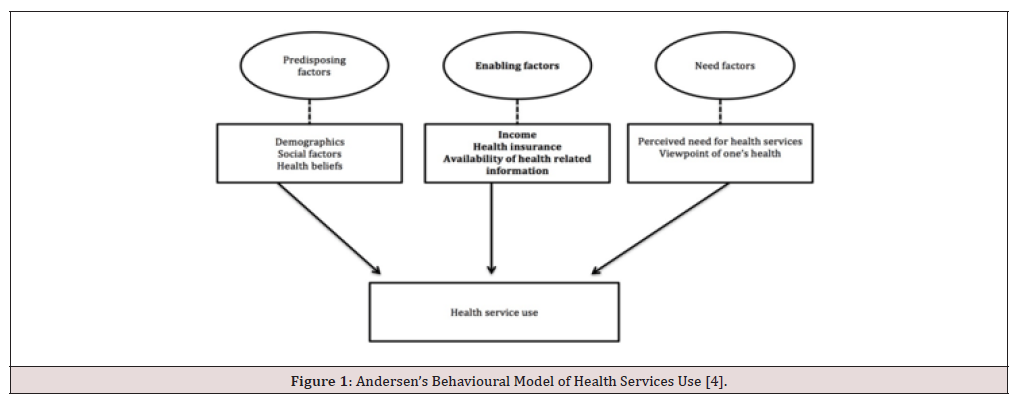
Figure 1:Andersen’s Behavioural Model of Health Services Use [4].
Methods
Study Design
The study design used in this research work was a descriptive cross-sectional, to determine the factors influencing low patronage of out-patient services among adolescents in Odopetu-Akure, Akure South Local Government Area, Ondo State, Nigeria.
Study Area
This study was conducted in Odopetu-Akure, Akure South Local Government Area of Ondo State. Odopetu has a total population of 15,000 as at 2006 population census. It is surrounded by some communities such as Sijuade, Idi-Agba, Ijemikin, Ojumu, Eko lane, Yaba, Modupe, Femisoro and Oluwatuyi. Their religions are Christianity, Islamic and Traditional.
The community’s traditional leader is Senior High Chief Femi Bello. The language of Odopetu community is Akure dialect. The town is known for its rich cultural and traditional heritage, with an animal festival held in honour of their ancestors. The town has (63) churches, (31) private schools, (8) public schools, a mosque, and one (1) Basic Health Centre.
Odopetu is connected to the National Grid. The major occupation of the people is trading, and others include civil service and selfemployment. The communication network within the community includes MTN, Glo, and Airtel.
Study Population
The study population consists of adolescents attending Odopetu Basic Health Centre, Akure South Local Government Area, Ondo State.
Sample Size
A total number of one hundred twenty (120) adolescents were selected for the study in Odopetu-Akure.
Study Instrument
A structured questionnaire with four sections was designed for this research in order to collect relevant and effective data from the respondents in the study area. The questionnaire was divided into five sections: Section A indicated the demographic information (age, sex, educational status, etc.); Section B indicated the level of awareness and knowledge of adolescents about outpatient services; Section C indicated the prevalence of community conditions influencing adolescents’ use of outpatient services; and Section D indicated the perceived barriers adolescents face when accessing out-patient care.
Sampling Technique
A simple random sampling technique was used for this research, which will give every respondent an equal chance to be selected.
Data Collection Method
The quantitative data was collected through a structured questionnaire, which was administered to the respondents and later retrieved for analysis.
Data Analysis
Data collected from the questionnaires was analyzed using descriptive statistics, such as frequency tables and percentages.
Ethical Consideration
Ethical approval was obtained from relevant authorities. Participation was voluntary, informed consent was obtained, and confidentiality was assured.
Results
The table below presents the demographic characteristics of the 120 respondents who participated in the study. Regarding age distribution, a greater proportion of the respondents were aged 15–19 years, accounting for 74 (61.7%), while those aged 10–14 years constituted 46 (38.3%) of the study population. This indicates that the majority of respondents were older adolescents. In terms of sex, female respondents were slightly more represented, with 68 (56.7%), compared to 52 (43.3%) males. This shows a modest female predominance among the participants.
Concerning educational status, most respondents had attained secondary education, representing 56 (46.7%). This was followed by those with primary education at 40 (33.3%), while 18 (15.0%) had no formal education. Only a small proportion, 6 (5.0%), had attained tertiary education, suggesting that the majority had basic to intermediate levels of education. With respect to religion, Christianity was the predominant faith among respondents, reported by 76 (63.3%), followed by Islam with 40 (33.3%), while traditional religion accounted for 4 (3.3%).
Regarding occupation, the largest proportion of respondents were unemployed, accounting for 34 (28.3%). This was followed by those engaged in trading (30; 25.0%), apprenticeship (22; 18.3%), and farming (20; 16.7%). Civil servants constituted the smallest occupational group with 14 (11.7%). Overall, the respondents were predominantly older adolescents, slightly more female than male, largely educated up to the secondary level, mainly Christian, and with a substantial proportion not formally employed.
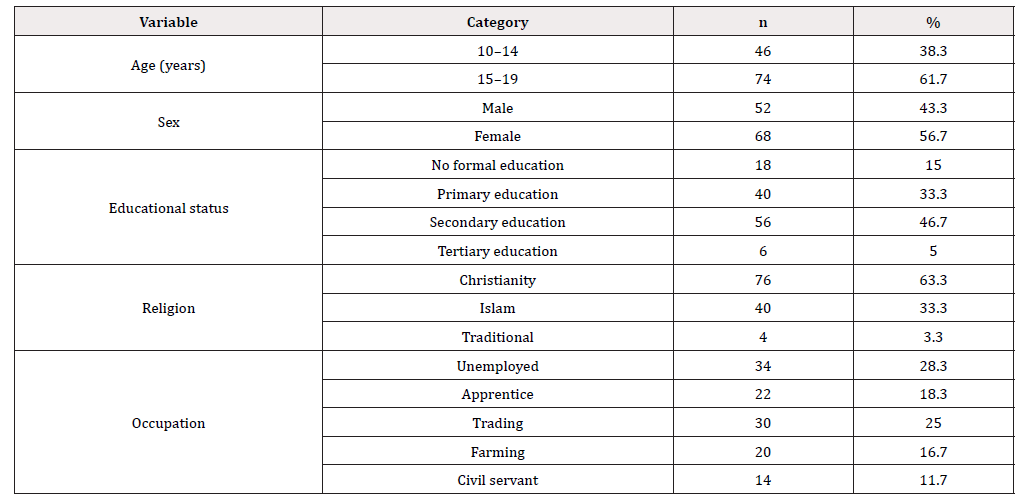
Table 1:Demographic Characteristics of Respondents (N = 120).
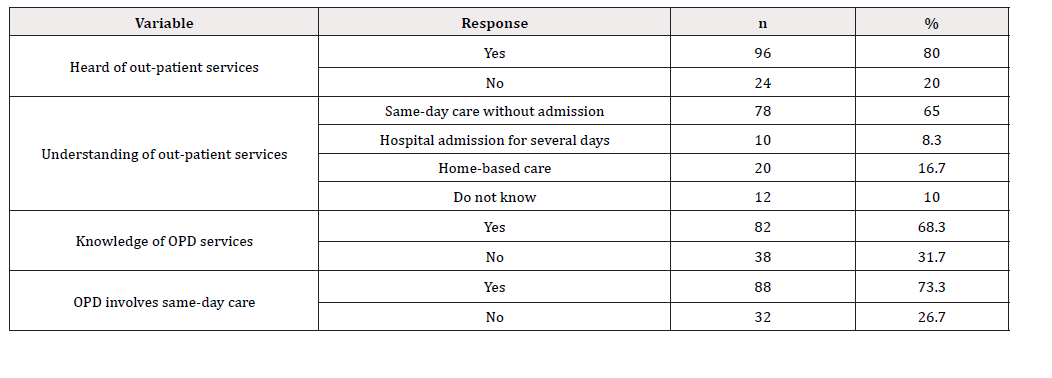
Table 2:Awareness and Knowledge of Out-Patient Services Among Respondents
The above table describes that a large majority of the respondents, 96 (80.0%), reported that they had heard of outpatient services, while 24 (20.0%) indicated that they had not. This suggests a generally high level of awareness of out-patient services within the study population. In terms of understanding of out-patient services, most respondents, 78 (65.0%), correctly identified it as same-day care without hospital admission. However, some misconceptions were observed, as 20 (16.7%) perceived out-patient services as home-based care, while 10 (8.3%) believed it involved hospital admission for several days. Additionally, 12 (10.0%) of the respondents reported that they did not know what out-patient services entail.
Regarding overall knowledge of OPD services, 82 (68.3%) of the respondents affirmed that they had knowledge of OPD services, whereas 38 (31.7%) indicated otherwise. Furthermore, when specifically asked whether OPD involves same-day care, 88 (73.3%) responded yes, while 32 (26.7%) responded no. Overall, the findings indicate a relatively high level of awareness and knowledge of out-patient services among respondents, although notable gaps and misconceptions remain, particularly concerning the scope and nature of services provided under the out-patient department.
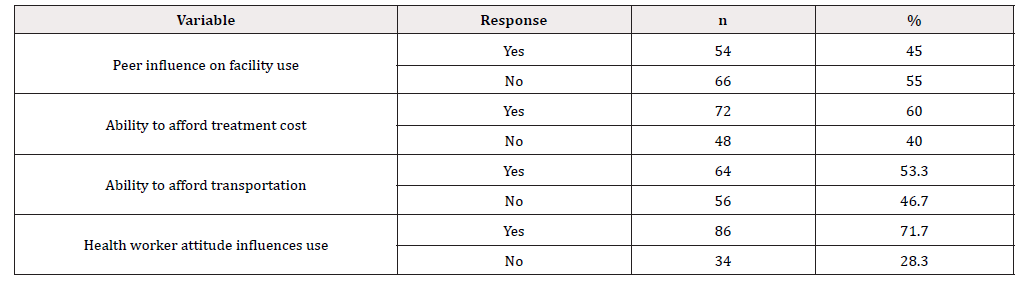
Table 3:Community and Institutional Factors Influencing Utilisation of Out-Patient Services.
The above table presents community and institutional factors influencing the utilisation of out-patient services among the respondents. Concerning peer influence, 54 (45.0%) of the respondents reported that peer influence affected their use of health facilities, while a slightly higher proportion, 66 (55.0%), indicated that peer influence did not influence their utilisation of out-patient services. With regard to the ability to afford treatment costs, a majority of respondents, 72 (60.0%), reported that they were able to afford the cost of treatment, whereas 48 (40.0%) indicated that they could not. This suggests that financial capacity remains an important determinant of service utilisation.
In terms of transportation, 64 (53.3%) of the respondents stated that they were able to afford transportation to the health facility, while 56 (46.7%) reported difficulty in affording transportation. This highlights transportation as a potential barrier to accessing out-patient services for a considerable proportion of respondents. Regarding institutional factors, the attitude of health workers was identified as a significant influence on service utilisation, with 86 (71.7%) of the respondents affirming that health worker attitude influenced their use of out-patient services, compared to 34 (28.3%) who reported no such influence.
Overall, the findings indicate that both community-related factors, such as peer influence and affordability, and institutional factors, particularly health worker attitude, play important roles in shaping the utilisation of out-patient services among the respondents.
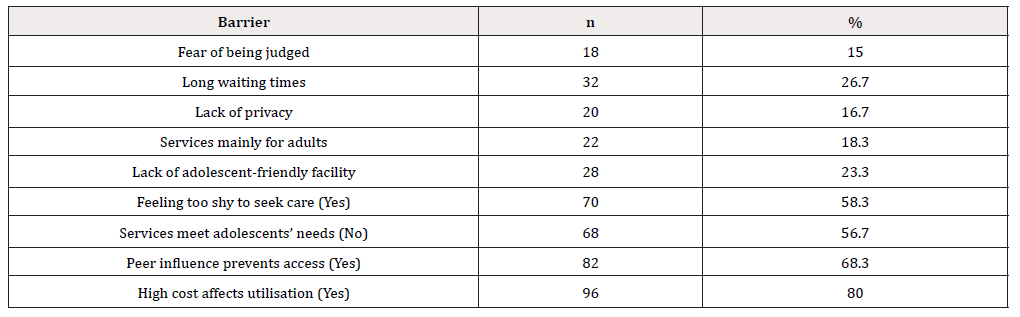
Table 4:Perceived Barriers to Utilisation of Out-Patient Services.
The table above outlines respondents’ perceived barriers to the utilisation of out-patient services. Among the identified barriers, high cost of services emerged as the most frequently reported factor, with 96 (80.0%) of respondents indicating that it affected their utilisation of out-patient services. This was followed by peer influence preventing access, reported by 82 (68.3%), highlighting the strong role of social factors in health-seeking behaviour. In addition, a substantial proportion of respondents reported feeling too shy to seek care, with 70 (58.3%) affirming this as a barrier. More than half of the respondents, 68 (56.7%), also indicated that out-patient services did not meet adolescents’ needs, suggesting gaps in service design and responsiveness.
Institutional and service-related barriers were also evident. Long waiting times were reported by 32 (26.7%) of respondents, while lack of adolescent-friendly facilities was identified by 28 (23.3%). Furthermore, 22 (18.3%) of respondents perceived that out-patient services were mainly designed for adults, which may discourage adolescent utilisation. Concerns about lack of privacy were reported by 20 (16.7%), and fear of being judged by health workers or others was reported by 18 (15.0%) of respondents.
Institutional and service-related barriers were also evident. Long waiting times were reported by 32 (26.7%) of respondents, while lack of adolescent-friendly facilities was identified by 28 (23.3%). Furthermore, 22 (18.3%) of respondents perceived that out-patient services were mainly designed for adults, which may discourage adolescent utilisation. Concerns about lack of privacy were reported by 20 (16.7%), and fear of being judged by health workers or others was reported by 18 (15.0%) of respondents.
Discussion
This study explored the factors influencing the low patronage of out-patient services among adolescents attending Odopetu Basic Health Centre, Akure South Local Government Area. The findings highlight that adolescents’ utilisation of out-patient services is shaped by an interaction of social, economic, institutional, and perceptual factors, consistent with Andersen’s Behavioural Model of Health Services Use.
A key insight from this study is that awareness of out-patient services does not automatically translate into utilisation. Although adolescents generally demonstrated familiarity with out-patient services, this awareness was insufficient to overcome other barriers to care. This supports previous evidence that healthcare utilisation among adolescents is influenced less by knowledge alone and more by the broader social and service environment in which care is accessed [13-15,9]. Awareness must therefore be complemented by supportive systems that address adolescents’ lived realities.
Predisposing factors, particularly peer influence and psychological discomfort, were central to adolescents’ healthseeking behaviour. Adolescence is a developmental stage characterised by heightened sensitivity to peer norms and social approval. The findings suggest that peers can either encourage or discourage engagement with health services, reinforcing the role of social networks in shaping adolescent behaviour. Feelings of shyness and fear of being judged further indicate internalised stigma, which may be intensified in close-knit communities where anonymity is limited. Similar patterns have been reported in Nigerian and other sub-Saharan African contexts, where adolescents avoid formal healthcare due to embarrassment, fear of gossip, or perceived moral judgement [7,10,11].
Educational exposure also appears to influence adolescents’ predisposition to utilise healthcare. While most participants had some level of formal education, gaps in understanding and misconceptions about service purpose suggest that general schooling alone may not guarantee adequate health literacy. This underscores the importance of targeted, adolescent-specific health education that addresses misconceptions and normalises healthseeking behaviour during adolescence.
Enabling factors emerged as substantial constraints on service utilisation. Financial barriers related to treatment costs and transportation reflect adolescents’ limited economic autonomy. Even at primary healthcare facilities intended to provide affordable care, perceived and actual costs remain prohibitive for many adolescents. This finding aligns with earlier studies showing that financial dependence on parents or guardians often delays or prevents adolescents from seeking timely care, particularly in lowresource settings [3,12].
Institutional factors within the health facility were especially influential. Health worker attitudes played a critical role in shaping adolescents’ willingness to access services. Adolescents are particularly sensitive to how they are treated by healthcare providers, and unfriendly or judgmental interactions can discourage both initial and repeat visits. In addition, structural challenges such as long waiting times, lack of privacy, and the absence of adolescentfriendly spaces further undermine adolescents’ comfort and trust in the healthcare system. These findings are consistent with existing literature emphasising that adolescent-friendly environments, characterised by respect, confidentiality, and responsiveness, are essential for improving service utilisation [5,8].
Need-related factors were largely shaped by adolescents’ perception of service relevance and adequacy. The belief that out-patient services are primarily designed for adults reflects a disconnect between service provision and adolescents’ expectations. When adolescents do not perceive services as age-appropriate or responsive to their needs, their perceived need for care diminishes, even in the presence of health concerns. This reinforces Andersen’s assertion that perceived need, rather than objective health status alone, is a critical driver of healthcare utilisation.
The interaction of predisposing, enabling, and need factors highlights that low patronage of out-patient services among adolescents cannot be attributed to a single cause. Instead, it reflects a cumulative effect of social norms, economic limitations, institutional shortcomings, and perceived service irrelevance. Addressing one factor in isolation is therefore unlikely to produce sustained improvements in utilisation.
Overall, this study contributes to the understanding of adolescent healthcare utilisation in Nigeria by demonstrating the practical relevance of Andersen’s Behavioural Model in a primary healthcare setting. The findings suggest that improving adolescents’ use of out-patient services will require integrated strategies that go beyond awareness campaigns to address affordability, provider behaviour, confidentiality, and adolescent-friendly service delivery. Such multi-level interventions are essential for strengthening adolescents’ trust in the healthcare system and improving health outcomes in this population.
Strengths and Limitations
This study has several strengths that enhance the credibility and relevance of its findings. First, it applies Andersen’s Behavioural Model of Health Services Use as a guiding framework, enabling a systematic interpretation of adolescents’ healthcare utilisation within a well-established theoretical context. This strengthens the analytical depth of the study and enhances its contribution to adolescent health services research. Second, the study achieved a complete response rate, reducing the risk of non-response bias and improving the internal validity of the findings. Third, the focus on a primary healthcare facility provides context-specific insights into adolescent health service utilisation at the community level, which is particularly valuable for informing local policy and practice in similar settings.
Despite these strengths, the study has some limitations that should be considered when interpreting the findings. The crosssectional design limits the ability to establish causal relationships between identified factors and utilisation of out-patient services. Additionally, data were collected using self-reported questionnaires, which may be subject to recall bias and social desirability bias, particularly given the sensitive nature of adolescent health-seeking behaviour. The study was conducted in a single health facility, which may limit the generalisability of the findings to other settings with different socio-cultural or health system characteristics. Furthermore, the use of descriptive analysis restricts the ability to quantify the strength of associations between variables.
Future studies could address these limitations by adopting longitudinal or mixed-methods designs, incorporating multiple health facilities, and applying inferential statistical analyses to further elucidate determinants of adolescent healthcare utilisation.
Conclusion
This study demonstrates that low patronage of out-patient services among adolescents at Odopetu Basic Health Centre is driven by a convergence of social, economic, institutional, and perceptual factors rather than by lack of awareness alone. Adolescents’ healthcare utilisation is shaped by peer norms, psychological discomfort, financial and transportation constraints, provider attitudes, and perceptions of service relevance. These interacting influences align closely with Andersen’s Behavioural Model of Health Services Use, underscoring the importance of addressing predisposing, enabling, and need-related determinants simultaneously.
The findings highlight that improving adolescent utilisation of out-patient services requires more than information dissemination. Health systems must prioritise affordability, confidentiality, respectful provider–client interactions, and the creation of adolescent-friendly service environments. Integrating adolescentsensitive approaches into primary healthcare delivery has the potential to strengthen trust, increase service uptake, and improve health outcomes for this population.
Overall, this study contributes context-specific evidence to adolescent health services research in Nigeria and reinforces the need for multi-level interventions that respond to adolescents’ social realities and healthcare expectations. Such efforts are essential for advancing equitable access to primary healthcare and promoting healthier transitions from adolescence to adulthood.
Acknowledgement
The authors of this study appreciated all the participants that took part in the work, which took almost nine months in the study area before it was concluded. They also show their gratitude to all the authors whose studies were cited in this study.
Conflict of Interest
The authors declare that there was no conflict of interest in carrying out this study.
References
- Adepoju O, Oladipo A, Ajayi T (2022) Utilization of out-patient services among adolescents in Nigeria: Patterns and predictors. International Journal of Health Systems Research 48(3): 210-220.
- Akanbi O, Osho E, Peters L (2023) Healthcare-seeking behaviour among Nigerian adolescents: Acute versus preventive services. Journal of Adolescent Medicine 45(2): 98-106.
- Alabi A, Fashola O, Danladi M (2021) Financial barriers and healthcare access among Nigerian adolescents. West African Journal of Health Economics 12(2): 72-82.
- Andersen R (2022) Revisiting the Behavioural Model of Health Services Use: Applications for vulnerable populations. Journal of Health and Social Behaviour 63(1): 5-16.
- Chigozie N, Amadi S, Okoro J (2022) Adolescent-specific gaps in primary healthcare services in Nigeria. Primary Health Care Review 28(1): 89-98.
- Ezeonwuka A, Abiola F (2021) Determinants of outpatient department usage among adolescents: Evidence from public health facilities in Nigeria. African Journal of Primary Health 15(2): 112-120.
- Idowu O, Adewale F, Nwachukwu P (2021) Peer influence and adolescent health behaviours: A Nigerian perspective. Journal of Social and Behavioral Health 23(3): 175-187.
- Mansouri H, Salihu M, Ibrahim Y (2022) Adolescent-friendly spaces and healthcare access in rural Nigeria. Journal of Youth Health Services 11(2): 54-66.
- Ogunyemi A, Hassan B (2023) Attitude of healthcare providers and adolescent healthcare utilization in Nigeria. Journal of Health Policy and Practice 20(1): 61-70.
- Oladele R, Umeh G, Okafor A (2021) Stigma and adolescent access to healthcare in rural Nigeria. African Journal of Reproductive Health 25(2): 76-87.
- Oladele R, Umeh G, Okafor A (2022) Parental involvement and adolescent healthcare decisions in Nigeria. Community Medicine and Health Education 30(2): 145-155.
- Okeke M, Balogun K, Musa F (2021) Poverty and adolescent health service utilization in rural Nigeria. West African Journal of Public Health 39(3): 224-234.
- World Health Organization (WHO) (2021) Global standards for quality health care services for adolescents. Geneva: World Health Organization.
- World Health Organization (WHO) (2022) Adolescent health: A strategy for universal health coverage. Geneva: World Health Organization.
- World Health Organization (WHO) (2023) Improving adolescent health in Nigeria: Policy and strategy update. Geneva: World Health Organization.




 We use cookies to ensure you get the best experience on our website.