
Research Article 
 Creative Commons, CC-BY
Evaluation of the Role of Occlusal Splints in Establishing Vertical Dimension of Occlusion in Full Mouth Rehabilitation of Severely Worn Dentition: A Cross- Sectional Survey Among Clinicians
*Corresponding author:Roseline Meshramkar, Department of Prosthodontics Crown and Bridge Shri Dharmasthala Manjunatheshwara College of Dental Sciences and Hospital, A Constituent unit of Shri Dharmasthala Manjunatheshwara University, Dharwad, Karnataka, India.
Received:March 11, 2026; Published:March 27, 2026
DOI: 10.34297/AJBSR.2026.30.003957
Abstract
Introduction: Severe tooth wear resulting from attrition, erosion, and abrasion often leads to functional disharmony, loss of aesthetics, and a compromised Vertical Dimension of Occlusion (VDO). Full Mouth Rehabilitation (FMR) is required to restore oral health; however, determining a stable VDO remains a complex clinical challenge. While occlusal splints are advocated as a diagnostic tool to evaluate neuromuscular adaptation, their actual implementation and the perceptions of clinicians regarding their necessity remain under-researched.
Objectives: This cross-sectional survey aimed to assess the prevalence and frequency of occlusal splint usage among dental practitioners. Furthermore, it sought to evaluate awareness, practices, and perceptions regarding the use of occlusal splints in FMR of severely worn dentition and identify common barriers to their implementation.
Materials and Methods: A self-administered questionnaire was distributed to dental practitioners and postgraduate students (n=48). The survey explored clinical protocols for VDO assessment, the frequency of splint usage, and perceived challenges such as laboratory costs and clinical complexity. Data were analysed descriptively.
Results: Preliminary findings indicate a significant variation in clinical protocols. While a majority of specialists acknowledge the theoretical importance of occlusal splints, regular implementation in clinical practice is limited by factors such as patient compliance and laboratory expenses.
Conclusion: There exists a notable variation in clinical protocols and selection criteria for splint therapy in FMR. The study underscores the need for standardized guidelines to improve treatment outcomes in cases of severely worn dentition.
Keywords: Full mouth rehabilitation, Occlusal splints, Vertical dimension of occlusion, Severely worn dentition, Attrition
Abbreviations:NCTSL: Non-Carious Tooth Surface Loss; VDO: Vertical Dimension of Occlusion; FMR: Full Mouth Rehabilitation.
Introduction
In contemporary restorative dentistry, Non-Carious Tooth Surface Loss (NCTSL) has emerged as a significant challenge, reflecting both an aging population and changing lifestyle factors. The prevalence of severely worn dentition—characterized by the progressive loss of enamel and dentin due to attrition, erosion, and abrasion—is increasing globally [1]. In many modern societies, the “tooth wear index” has become a routine metric in clinical assessment, as patients retain their natural teeth longer than previous generations, exposing them to decades of functional and chemical degradation [2].
Beyond the immediate aesthetic concerns, extensive tooth wear often leads to functional disharmony, pulpal injuries, and a compromised longevity of the natural dentition. As the protective enamel layer is lost, the underlying dentin is exposed, resulting in dentinal hypersensitivity and increased susceptibility to secondary caries. In advanced cases, the wear can reach the pulp chamber, necessitating complex endodontic interventions before any restorative work can begin [1]. Patients presenting with such conditions frequently require Full Mouth Rehabilitation (FMR) to restore oral health, function, and appearance. However, the management of these cases is complex, requiring a meticulous multidisciplinary approach to navigate the structural and neuromuscular changes that accompany chronic dental degradation [1,3-5].
Establishing a new VDO is widely regarded as the most critical, yet most controversial step in the rehabilitative process [4]. When this dimension is altered by severe wear, the entire stomatognathic system—including the masticatory muscles and the Temporomandibular Joints (TMJ)—must adapt to a new functional state [5]. A common clinical dilemma is determining whether a patient has actually “lost” VDO. Many patients with severe wear maintain their VDO through compensatory alveolar bone growth or continuous eruption; in these cases, the wear is matched by a corresponding increase in the alveolar process height [1,4]. Conversely, other patients exhibit a true loss of VDO, resulting in a collapsed lower third of the face and a “pseudo-class III” appearance. Distinguishing between these two states is vital: “over-opening” the VDO in a patient who has already compensated can lead to muscle fatigue, TMJ discomfort, phonetic issues, and premature failure of the restorations due to increased loading [4,6].
cause there is no single “gold standard” objective measure for the perfect VDO, clinicians must rely on a combination of physiological rest position, phonetics, aesthetics, and patient comfort [7,8]. The use of cephalometric analysis and Boos bimeter readings are academic adjuncts, but they often lack the clinical flexibility required for individual cases. This subjectivity introduces a level of risk that necessitates a cautious, staged approach [4]. The goal is to find the “comfort zone” of the patient’s neuromuscular system, ensuring that the new VDO provides sufficient space for restorative materials without violating the physiological interocclusal rest space [9].
The physiological rationale behind splint therapy is the deprogramming of the masticatory muscles [5,9].
Chronic wear often leads to “pathological” muscle memory as the patient moves the mandible to find a comfortable bite among worn surfaces. A splint provides a uniform, stable occlusal surface that allows the muscles to relax and the condyles to seat in a Centric Relation (CR) [1,10]. This “transitional” phase allows for the establishment of neuromuscular harmony and provides a stable platform for subsequent restorative steps.
Literature suggests that if a patient can comfortably tolerate a splint at a specific VDO for a period of several weeks to months, the definitive restorations at that same dimension carry a much higher predictability of success [4,11]. Furthermore, the splint serves as a blueprint for the final prosthesis. Once the patient is comfortable, the splint’s dimensions can be transferred to provisional restorations (overlays or crowns), ensuring a seamless transition from the diagnostic phase to the definitive phase. This phased approach minimizes the psychological and physical trauma to the patient, as any discomfort noted during the splint phase can be corrected simply by adjusting the acrylic, rather than replacing expensive permanent ceramic work [1].
While specialists may strictly adhere to splint-based protocols, the usage patterns among general dental practitioners and other specialties remain unclear. Existing literature largely consists of individual clinical reports demonstrating successful outcomes, yet there is a dearth of empirical data exploring how the broader dental community perceives the necessity, effectiveness, and challenges of these protocols. There is a concern that many clinicians may “skip” the splint phase, moving directly from a wax-up to tooth preparation, potentially due to pressure for faster results or a lack of confidence in splint fabrication and adjustment [12,13].
It is unknown whether the barriers to use are related to clinical complexity, laboratory costs, or a lack of standardized training. Identifying these barriers is essential for improving the quality of complex restorative care. Some practitioners rely on provisional restorations directly, while others advocate for a mandatory splint phase [10]. This survey was designed to bridge the gap in understanding how clinicians perceive and utilize occlusal splints during the planning stages of FMR
Materials and Methods
This pilot study employed a cross-sectional, descriptive survey design to evaluate the perspectives of 48 dental professionals— including practicing dentists and postgraduates—on Full Mouth Rehabilitation (FMR) protocols and Vertical Dimension of Occlusion (VDO) management. Following ethical clearance from the Institutional Research Committee, participants were recruited through a hybrid strategy of online digital distribution and direct physical outreach. Data was collected via a structured, self-administered questionnaire that underwent rigorous content validation by a panel of six subject matter experts in prosthodontics. The instrument demonstrated high reliability, achieving an 84% agreement rate during test-retest procedures. To ensure anonymity and minimize errors, responses were managed digitally, and the resulting data were analysed using descriptive statistics, with findings expressed as frequencies and percentages to characterize current clinical trends.
Results
A total of 48 clinicians participated in the cross-sectional survey evaluating the role of occlusal splints in establishing Vertical Dimension of Occlusion (VDO) during Full Mouth Rehabilitation (FMR) of severely
worn dentition. The responses were analyzed using descriptive statistics to determine clinician demographics, clinical practices, and attitudes toward the use of diagnostic occlusal splints. The distribution of respondents according to years of clinical experience showed that the majority had 11–20 years of active dental practice (37.5%), followed by 6–10 years (29.2%), 0–5 years (27.1%), and more than 20 years of experience (6.3%). This indicates that most participants had moderate to extensive clinical exposure (Figure 1, Table 1).

Table 1:
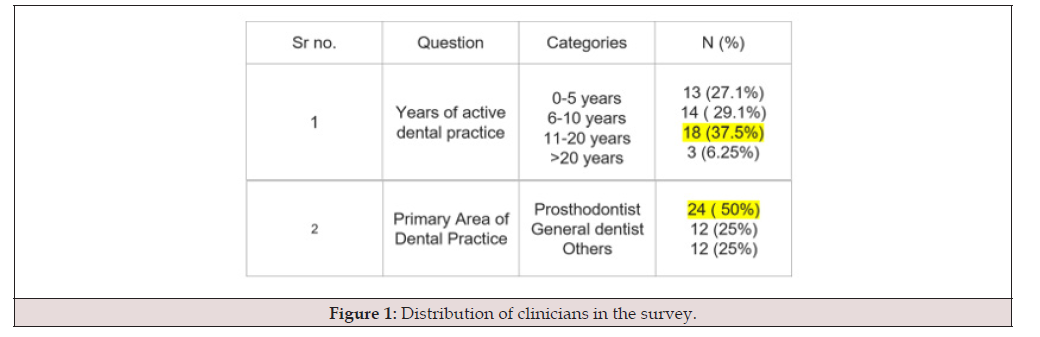
Figure 1:Distribution of clinicians in the survey.
With respect to the primary area of dental practice, the largest proportion of respondents were prosthodontists (43.8%), followed by general dentists (35.4%). Other specialties included periodontists (8.3%), endodontists (4.2%), and individual respondents representing implantology, pediatric dentistry, orthodontics, and periodontology (each approximately 2%). The predominance of prosthodontists suggests that the survey captured responses from clinicians routinely involved in complex restorative rehabilitation. Regarding the average number of full mouth rehabilitation cases managed annually, 43.8% of clinicians reported treating 1–2 cases per year, while 22.9% treated 3–5 cases annually. A smaller proportion of practitioners reported managing 6–10 cases (10.4%) or more than 10 cases annually (8.3%), whereas 14.6% reported not managing FMR cases routinely (Figure 2a, Table 2).
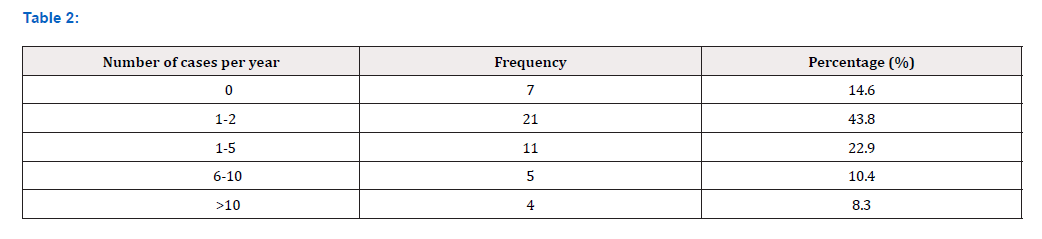
Table 2:
Frequency and Aetiology of Severely Worn Dentition
When asked about the frequency of encountering patients requiring FMR due to severely worn dentition, more than half of the respondents (52.1%) reported encountering such cases frequently, while 43.8% encountered them occasionally and 4.2% reported encountering them rarely. These findings indicate that severely worn dentition remains a relatively common clinical challenge in restorative practice (Figure 2b).
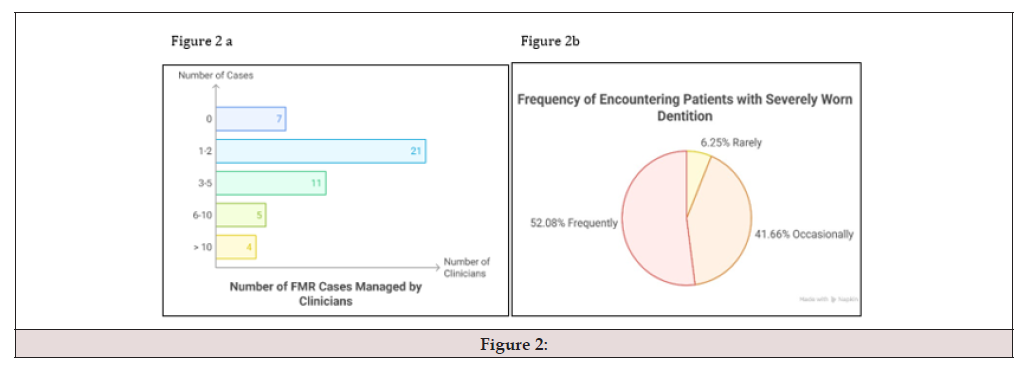
Figure 2:
In terms of the perceived leading cause of tooth wear, a large majority of clinicians (89.6%) identified parafunctional habits such as bruxism as the primary etiological factor. In contrast, 10.4% of respondents attributed tooth wear mainly to dietary factors, particularly the consumption of acidic foods and beverages (Figure 3).
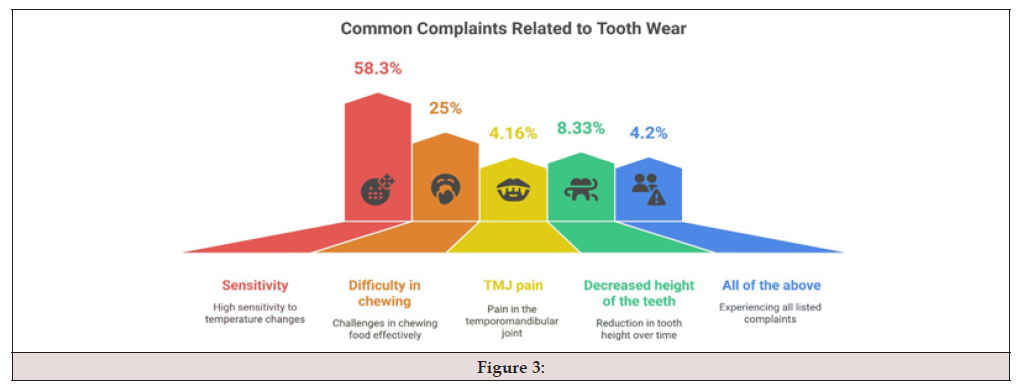
Figure 3:
Use of Occlusal Splints in Treatment Planning
When clinicians were asked whether they had used an occlusal splint during the diagnostic or treatment planning phase of FMR involving severely worn dentition, 75% of respondents reported using splints, while 25% indicated that they had not used them in such cases (Figure 4).
Among clinicians who reported using occlusal splints, the frequency of splint uses for establishing a proposed new VDO varied. The largest group (37.5%) reported using splints sometimes (in 25–50% of cases). 22.9% reported using splints rarely (less than 25% of cases), whereas 14.6% reported almost always using them (more than 75% of cases). Additionally, 12.5% reported frequent use (51–75% of cases) and 12.5% reported never using them specifically for VDO determination, suggesting variability in clinical protocols among practitioners.
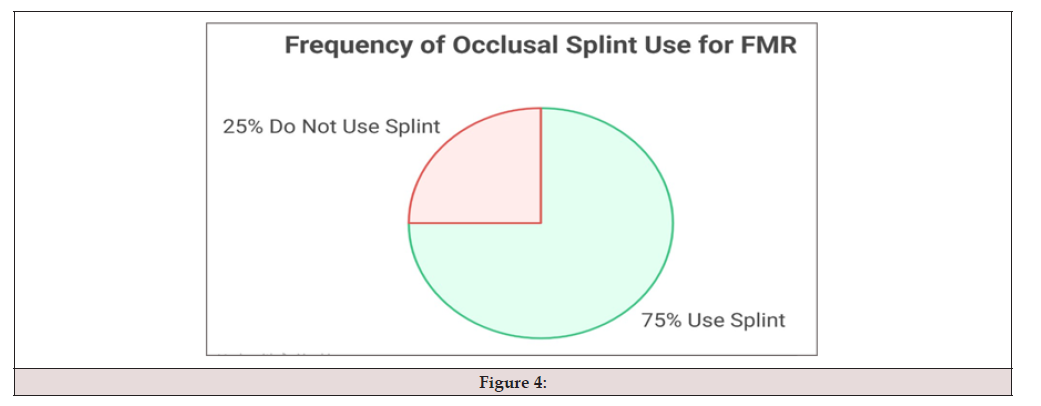
Figure 4:
Methods Used for Recording Vertical Dimension of Occlusion
Before initiating splint therapy, clinicians used different methods to record the vertical dimension of occlusion. The majority of respondents (58.3%) reported relying on a combination of phonetics and aesthetics to determine VDO, while 41.7% reported using direct measurement techniques, such as measuring the distance between the nose and chin.
Preferred Materials for Definitive Restoration
The study found that Porcelain-Fused-to-Metal (PFM) crowns are the most preferred material, accounting for 54% of choices. All-Ceramic crowns followed at 31%, while Composite Resin and other materials represented smaller shares at 9% and 6%, respectively, indicating a continued clinical reliance on metalceramic restorations (Figure 5).
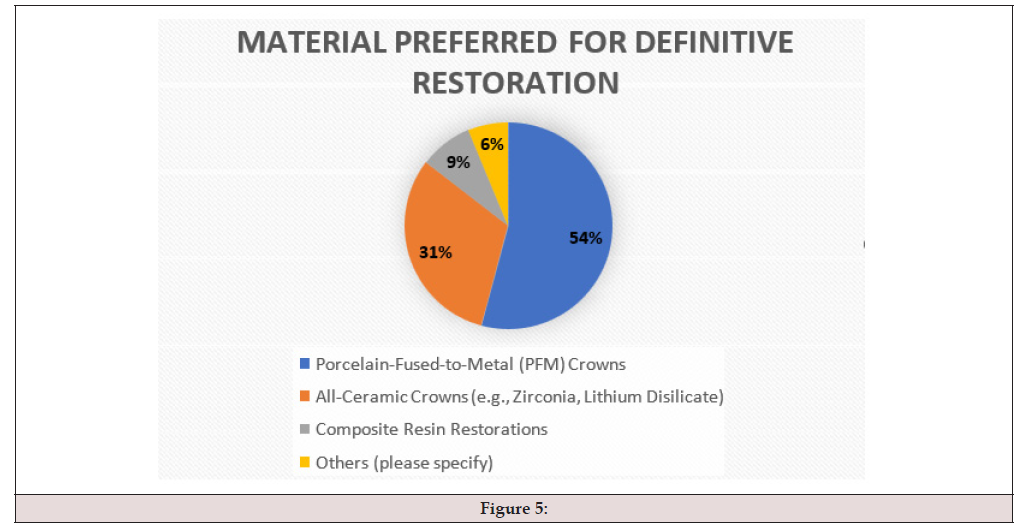
Figure 5:
Types of Occlusal Splints Used
Various types of occlusal splints were reported for testing or verifying the proposed VDO during FMR planning. The most frequently used appliance was the anterior deprogrammer (e.g., Lucia jig or Kois deprogrammer), used by 29.2% of clinicians. This was followed by mandibular full-coverage stabilization splints (22.9%) and full-coverage stabilization splints involving both arches (20.8%). Other appliances included maxillary full-coverage stabilization splints (12.5%), posterior bite planes (8.3%), and isolated responses indicating the use of verticalization splints or anterior bite planes (Figure 6).
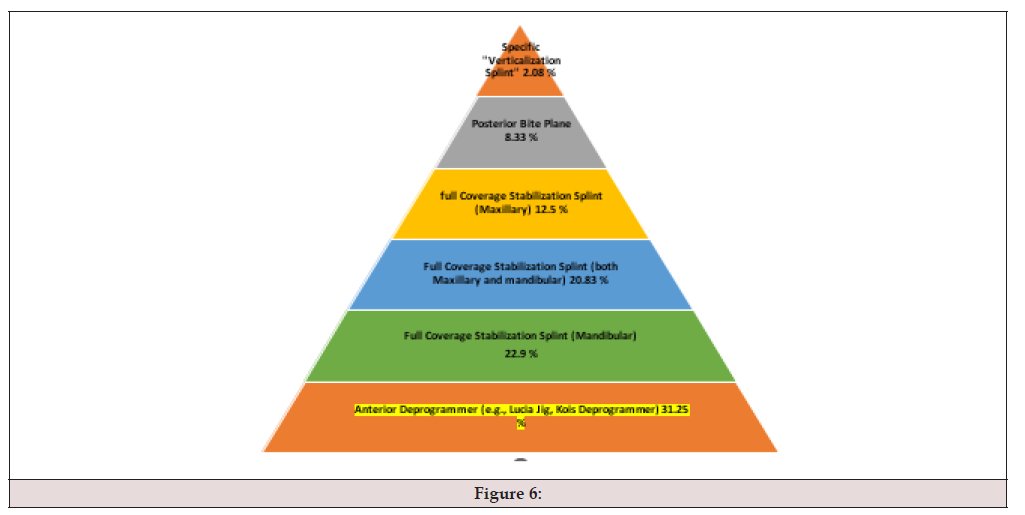
Figure 6:
Duration of Splint Therapy
The duration for which patients were advised to wear the splint before confirming the proposed VDO varied among clinicians. The most commonly reported duration was 4 weeks (43.8%), followed by 6–8 weeks (29.2%). A smaller proportion recommended 8–10 weeks (12.5%), while 14.6% indicated that the duration was highly variable and dependent on individual case requirements (Figure 7).
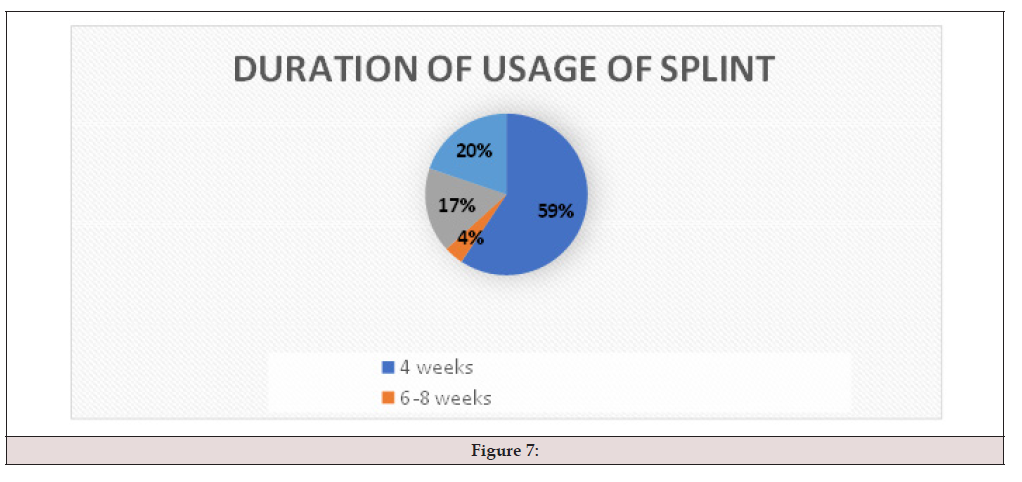
Figure 7:
Clinician Perceptions of Diagnostic Splints
Respondents were asked to rate several statements regarding the clinical usefulness of occlusal splints in VDO determination using a Likert scale. Most clinicians agreed that occlusal splints are a reliable method for assessing patient adaptation to a new VDO, with 60.4% agreeing and 20.8% strongly agreeing. Only 14.6% remained neutral, while 4.2% expressed strong disagreement.
Similarly, a large proportion of respondents believed that diagnostic splints improve the predictability of the final FMR outcome, with 64.6% agreeing and 12.5% strongly agreeing. Neutral responses were recorded in 18.8% of cases, while 4.2% expressed disagreement or strong disagreement. Regarding the ability of splints to evaluate temporomandibular joint and muscular responses to changes in VDO, 56.3% agreed and 18.8% strongly agreed, whereas 12.5% were neutral. A small proportion of clinicians (approximately 10%) disagreed with this statement.
With respect to the role of splints in confirming centric relation, 52.1% agreed and 8.3% strongly agreed, while 31.3% remained neutral and 8.3% expressed disagreement or strong disagreement. A majority of respondents also felt that using splints simplifies the process of determining VDO compared with relying solely on traditional methods such as phonetics, esthetics, or anthropometric measurements, with 68.8% agreeing and 6.3% strongly agreeing. Only 4.2% disagreed with this statement, while 20.8% remained neutral.
However, responses regarding patient compliance with diagnostic splints were more varied. While 37.5% of clinicians agreed and 6.3% strongly agreed that patient compliance is generally good, 33.3% were neutral, and approximately 18.8% reported disagreement, indicating that patient acceptance may present a challenge in some cases (Figure 8).
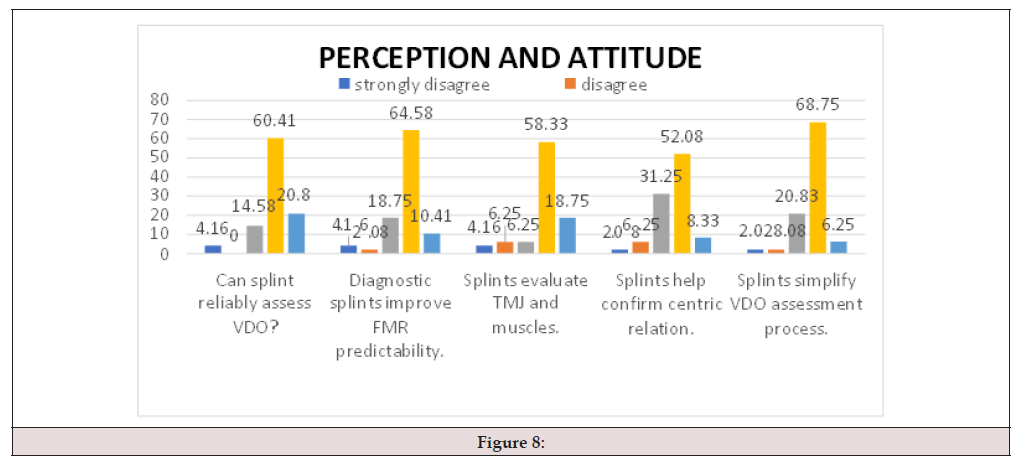
Figure 8:
Overall Attitude Toward Diagnostic Splints
When clinicians were asked to provide their overall attitude toward incorporating diagnostic occlusal splints into treatment planning for FMR involving severe tooth wear, the majority expressed a positive outlook. 70.8% described their attitude as favourable, while 10.4% reported a very favourable attitude. 14.6% of respondents remained neutral, whereas only 4.2% expressed unfavourable or very un- favourable opinions.
Discussion
The rehabilitation of the severely worn dentition presents one of the most complex challenges in restorative dentistry, primarily due to the loss of Vertical Dimension of Occlusion (VDO) and the subsequent need for spatial reorganization of the occlusion. This survey aimed to evaluate how clinicians utilize and perceive occlusal splints in this process. Our results indicate a strong professional consensus that splint therapy is a vital intermediary step in Full Mouth Rehabilitation (FMR), serving as a “reversible trial” for a proposed irreversible change. The most significant finding of this study is that nearly 75% of clinicians utilize occlusal splints diagnostically. This aligns with the “Trial VDO” concept advocated by Dawson and Spear, which emphasizes that any increase in VDO should be tested biologically before definitive restorations are placed. Our data shows that 41.9% of clinicians favor a 4-6 week trial period. This duration is clinically significant; literature suggests that the neuromuscular typically requires 4 to 8 weeks to adapt to a new vertical position. The high agreement (83.7%) that splints are reliable for assessing adaptation suggests that clinicians view the splint as a safety mechanism to prevent “restorative failure” caused by patient intolerance to a new VDO.
While parafunctional habits were identified as the leading cause of wear (58.1%), the diagnosis of the need for FMR remains largely based on the pattern of tooth wear (72.1%). The preference for using both phonetics and esthetics to establish VDO reflects a holistic clinical approach. However, the reliance on PFM as a definitive material (44.2%) despite the rise of digital dentistry and highstrength ceramics like Zirconia (27.9%) suggests a traditionalist trend in material selection among the surveyed group, possibly due to the proven track record of PFM in maintaining occlusal stability over long periods.
A critical aspect of FMR is the stabilization of the Temporomandibular Joint (TMJ) and the muscles of mastication. Our survey showed that 81.4% of clinicians believe splints allow for effective evaluation of the muscular response. This is particularly important in worn dentition cases where the patient may have developed a “convenience occlusion” or “habitual bite.” By using a stabilization splint (preferred by the majority of our respondents), the clinician can deprogram the musculature and guide the mandible into Centric Relation (CR). This facilitates a more accurate recording of the maxillomandibular relationship at the increased VDO, thereby improving the predictability of the final outcome—a sentiment echoed by 86% of the participants.
Despite the perceived benefits, a significant portion of clinicians (32.6%) remained neutral regarding whether splints simplify the FMR process. This highlights the inherent complexity of splint fabrication, adjustment, and the subsequent transfer of the verified VDO to the final restorations. The “transfer gap”— the difficulty in maintaining the exact vertical and horizontal relationship from the splint to the provisional and then definitive phase—remains a technical hurdle.
Furthermore, the variation in splint types (Maxillary vs. Mandibular vs. Deprogrammers) indicates that while the goal is the same, the clinical pathway varies. The preference for Maxillary Stabilization Splints in our study may be attributed to their perceived superior stability and the ability to provide a more controlled occlusal scheme (canine guidance/mutual protection) during the trial phase. The overall attitude of clinicians toward the use of occlusal splints in treatment planning was largely positive. The majority of respondents reported a favorable or very favorable attitude toward incorporating diagnostic splints into the rehabilitation process.
This positive perception may be attributed to the advantages associated with splint therapy. Occlusal splints provide a reversible and non-invasive method for testing proposed changes in vertical dimension. They also allow clinicians to evaluate patient adaptation, detect potential complications, and modify the treatment plan before performing irreversible restorative procedures. Previous studies have similarly emphasized the importance of reversible diagnostic approaches in complex restorative treatment. Dawson highlighted that reversible procedures, such as splint therapy, provide valuable information regarding neuromuscular adaptation and occlusal stability.
The findings of the present survey suggest that occlusal splints are widely regarded as a useful diagnostic aid in the management of severely worn dentition. The results indicate that most clinicians recognize the importance of evaluating patient adaptation to a proposed vertical dimension prior to initiating definitive restorative procedures. However, the study also revealed variability in clinical practices, particularly with regard to the frequency of splint use, the type of appliance selected, and the duration of splint therapy. These variations may reflect differences in clinical training, treatment philosophy, and individual patient factors.
Further research, including controlled clinical studies, may help establish clearer guidelines regarding the optimal use of occlusal splints for evaluating vertical dimension in patients undergoing full mouth rehabilitation. Certain limitations of the present study should be considered while interpreting the results. The survey relied on self-reported responses from clinicians, which may be influenced by recall bias or personal interpretation of the questions. Additionally, the sample size was relatively limited, and the respondents represented a specific group of practitioners. Therefore, the findings may not fully represent the practices of all clinicians involved in restorative dentistry. Despite these limitations, the study provides useful insights into contemporary clinical practices and highlights the growing acceptance of occlusal splints as a diagnostic tool in prosthodontic rehabilitation.
Conclusion
Within the limitations of this survey, the results indicate that clinicians commonly encounter patients with severely worn dentition requiring full mouth rehabilitation. Parafunctional habits were identified as the most common etiological factor for tooth wear. most clinicians recognize the clinical value of occlusal splints as a diagnostic tool in establishing vertical dimension of occlusion during full mouth rehabilitation, and most expressed a favorable attitude toward their use. Variations in splint design, duration of therapy, and frequency of use reflect differences in clinical philosophy and individual case requirements. Further it collectively demonstrates the important role of occlusal splints in contemporary prosthodontic treatment planning. Nevertheless, the generally favorable perception among practitioners highlights the growing acceptance of splint therapy as an adjunct in the management of severely worn dentition. Future research should focus on digital workflows in splint therapy to see if CAD/CAM solutions can simplify the “neutral” perception of the process’s complexity.
Conflict of Interest
None.
Acknowledgements
None.
References
- Singhal MK, Pandey B, Bankoti P, Billing RK (2016) Sectional Occlusal Splint in Mouth Rehabilitation: An Update. J Dent Sci Oral Rehab 7(4): 187-190.
- Bartlett DW, Shah P (2006) A critical review of non-carious cervical (wear) lesions and the role of abfraction, erosion and abrasion. J Dent Res 85(4): 306-312.
- Gopi CN, Venkat R (2011) An appraisal on increasing the occlusal vertical dimension in full occlusal rehabilitation and its outcome. J Indian Prosthodont Soc 11(2): 77-81.
- Yadav S, Karani JT (2011) The Essentials of Occlusal Splint Therapy. Int J Prosthet Dent 2(1): 12-21.
- Capp NJ (1999) occlusion and splint therapy. Br Dent J 186(5): 217-222.
- Dawson PE (2008) Functional Occlusion: From TMJ to Smile Design. 1st ed. New York: Elsevier. https://journals.sagepub.com/doi/10.1177/154405910608500405
- Mohapatra A, Das SS, Srivastava G, Sahoo PK, Dhar U (2014) A Full Mouth Rehabilitation of a Patient with Uneven Occlusal Plane and Severe Attrition: A Clinical Report. Int J Adv Dent Spec Res 1: 70-73.
- Nelson SJ (1995) Principles of stabilization bite splint theory. Dent Clin North Am 39(2): 403-421.
- Sato S, Hotta TH, Pedrazzi V (2000) Removable occlusal overlay splint in the management of tooth wear: a clinical report. J Prosthet Dent 83(4): 392-395.
- Okeson JP (2013) Management of Temporomandibular Disorders and Occlusion. 7th ed. St. Louis: Mosby; 2013.
- https://journals.sagepub.com/doi/10.1177/154405910608500405
- Verma S, Garg C, Malathi H (2023) Use of occlusal splint in subjects with TMJ disorders by general dental practitioners in Indian scenario. Multidiscip Sci J 5: e2023550412.
- Rathi N, Mattoo K, Bhatnagar S (2014) Extending the use of a diagnostic occlusal splint to overcome existing lacunae of vertical dimension transfer in full mouth rehabilitation cases. Am. J. Med. Case Rep 2(12):291-297.
- Singh R, Dua P, Prakash P, Bhandari SK (2019) Occlusal Splint: A Vital Adjunct in Full Mouth Rehabilitation for Cases of Severely Worn Dentition. Journal of Contemporary Medical Research 6(11): K20-24.




 We use cookies to ensure you get the best experience on our website.