
Research Article 
 Creative Commons, CC-BY
Evaluation of Pharmacological Properties of Premna Serratifolia L. Seed Extract
*Corresponding author:Rama Bhat P, Dept of PG Studies and Research in Biotechnology, Alva’s College (Autonomous), Moodbidri-574 227, Karnataka, India.
Received:March 19, 2026; Published:April 02, 2026
DOI: 10.34297/AJBSR.2026.30.003963
Abstract
Premna serratifolia L., a pharmacologically significant species within the Lamiaceae family, exhibits a broad spectrum of bioactivities including anti-inflammatory, antioxidant, antimicrobial, and hepatoprotective effects. While its aerial and root parts have been extensively characterized, the seeds remain under-investigated despite their potential as a reservoir of bioactive metabolites. This study presents a rigorous phytochemical profiling and comprehensive bioactivity evaluation of ethanolic and aqueous seed extracts of P. serratifolia. Advanced qualitative and quantitative phytochemical analyses identified a diverse array of secondary metabolites, prominently alkaloids, flavonoids, phenolic compounds, tannins, and steroids. Spectroscopic investigation via FTIR delineated functional group signatures corroborative of these compounds. Functional assays demonstrated pronounced free radical scavenging activity, robust inhibition of protein denaturation and α-amylase enzyme, reflecting significant antioxidant, anti-inflammatory, and antidiabetic potentials. Furthermore, the extracts exhibited potent antimicrobial efficacy against multiple pathogenic strains, encompassing both bacterial (Escherichia coli, Staphylococcus aureus) and fungal (Aspergillus niger) species. The integrative biochemical and pharmacological findings underscore the therapeutic promise of P. serratifolia seeds and advocate their strategic incorporation into drug discovery and nutraceutical formulations. This work not only delineates the phytochemical complexity of these seeds but also contributes to the valorization of an underutilized botanical resource with substantial clinical relevance.
Keywords: Premna serratifolia, Seed extract, Phytochemicals, Antioxidant, Anti-inflammatory, Antidiabetic
Introduction
Medicinal plants have been central to traditional medicine across cultures, offering therapeutic potential through their bioactive compounds. Premna serratifolia L. (Lamiaceae), native to tropical and subtropical regions such as India, Sri Lanka, and Southeast Asia, is a widely used medicinal plant valued for its anti-inflammatory, antimicrobial, antioxidant, and hepatoprotective properties [1,2]. The genus Premna, which includes over 200 species distributed across Asia, Africa, and Oceania, is an important source of phytochemicals with diverse pharmacological applications [3]. Traditionally, different parts of P. serratifolia roots, leaves, bark, and fruits have been used to treat fever, inflammation, liver disor ders, respiratory issues, and wound infections [4,5]. Phytochemical studies have revealed the presence of flavonoids, tannins, alkaloids, glycosides, and phenolic compounds contributing to its therapeutic efficacy [6]. Despite extensive research on its roots and leaves, scientific studies on its seeds remain limited, although they may hold unexplored pharmacological potential [7]. Given the rising interest in plant-derived anticancer agents and the traditional reputation of P. serratifolia, its seeds may represent a novel source of bioactive compounds with hepatoprotective and anticancer activity [8, 9]. There are few earlier reports on antibacterial, antioxidant and antidiabetic studies on leaf and roots of Premna species [10-14] Based on the above literature an investigation was carried out on seed extracts of Premna serratifolia with the objectives: i) qualitative and quantitative analysis of seed extracts, ii) identification and characterization of the phytochemical constituents of seed extract using FTIR spectroscopy, iii) evaluation of in vitro antioxidant, anti-inflammatory, antidiabetic, and antimicrobial activity of seed extracts.
Materials and Methods
Sample Collection
Seeds of Premna serratifolia were collected from Mangalore, Karnataka, India. The seeds were shade-dried for one week and then ground into a coarse powder for further use.
Extract Preparation
Aqueous Extract: 10 g of seed powder was mixed with 200 mL of distilled water and heated at 90°C for 1 h. The volume was reduced to 100 mL, filtered through Whatman No. 1 filter paper, evaporated, dried at 40°C, and stored at 4°C for subsequent analysis [15].
Ethanolic Extract: 10 g of seed powder was soaked in 100 mL of ethanol and kept at room temperature in the dark for three days. The mixture was filtered, dried at 50°C, and stored at 4°C [15].
Preliminary Phytochemical Screening
Qualitative analysis of bioactive compounds including alkaloids, phenolics, proteins, flavonoids, tannins, terpenoids, saponins, and steroids was performed using standard protocols and specific reagents (Mayer’s for alkaloids, Molisch’s for glycosides, Biuret for proteins, etc.) as described by Kancherla et al., [7].
Quantitative Analysis
a. Protein Content: Determined using the Biuret method with
Bovine Serum Albumin (BSA) as standard; absorbance measured
at 520 nm [16].
b. Total Phenolics: Estimated using Folin-Ciocalteu colorimetric
method with gallic acid as standard; absorbance recorded at
760 nm [17].
c. Total Flavonoids: Measured using aluminium chloride colorimetric
assay with rutin as standard; absorbance recorded at
510 nm [18].
FTIR Spectroscopy: Dried extracts were analyzed using a Bruker OPUS 8.7.14 spectrophotometer in the range of 4000–500 cm⁻¹ to identify functional groups such as O–H, C–H, C=O, and C–O [19].
Biological Assays
a. Antioxidant Activity: DPPH radical scavenging assay was
performed, absorbance measured at 517 nm, and IC₅₀ values
determined [15].
b. Reducing Power Assay: Conducted using ferricyanide-phosphate
buffer method; absorbance measured at 700 nm [20].
c. Anti-Inflammatory Activity: Protein denaturation assay using
Bovine Serum Albumin (BSA); absorbance measured at
660 nm and % inhibition calculated with aspirin as standard
[21].
d. Antidiabetic Activity: α-Amylase inhibition assay; absorbance
measured at 540 nm and % inhibition calculated using
acarbose as standard [22].
e. Antibacterial Activity: Agar well diffusion method against
Escherichia coli and Staphylococcus aureus; zones of inhibition
compared with streptomycin control [23].
f. Antifungal Activity: Poison bait method using Aspergillus niger;
dry biomass measured with Bavistin as control [24].
Statistical Analysis: All experiments were performed in triplicate.
Results are expressed as mean ± Standard Deviation (SD).
Results and Discussion
Extraction Yield of Seed Extracts
The extraction yield of Premna serratifolia seed extracts varied depending on the solvent used. The aqueous extract (10%) exhibited a higher yield than the ethanolic extract (2.7%), indicating that water efficiently extracted more soluble polar constituents such as proteins, flavonoids, and phenolic acids (Figure 1). Similar observations were made by Singh et al., [25], who reported higher yields in water-based extractions of P. serratifolia roots. The brownish semisolid appearance of both extracts signifies the presence of diverse phytoconstituents, irrespective of solvent polarity.
Qualitative Phytochemical Screening
The preliminary phytochemical screening confirmed the presence of several major bioactive compounds in both seed extracts (Table 1). Alkaloids, phenolics, flavonoids, tannins, terpenoids, saponins, and steroids were detected, while glycosides were absent. These compounds are pharmacologically relevant due to their antioxidant, antimicrobial, and anti-inflammatory roles. The detection of multiple classes of secondary metabolites supports the therapeutic potential of P. serratifolia seeds, aligning with similar findings in Premna latifolia and P. integrifolia [2,5].
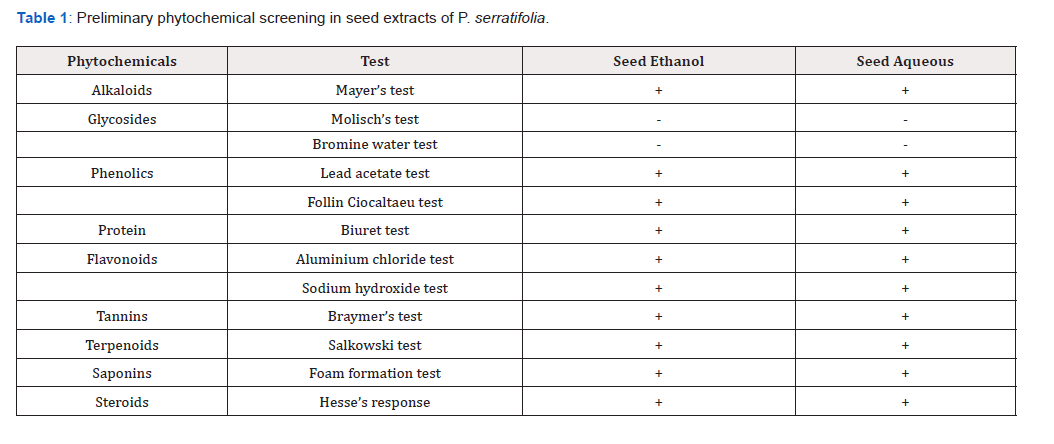
Table 1:Preliminary phytochemical screening in seed extracts of P. serratifolia.
‘+’ = present ‘−’ = absent
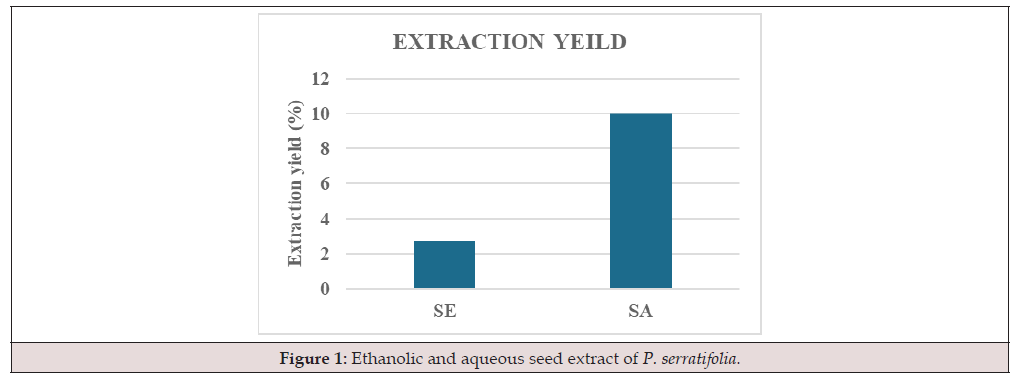
Figure 1:Ethanolic and aqueous seed extract of P. serratifolia.
Quantitative Phytochemical Contents
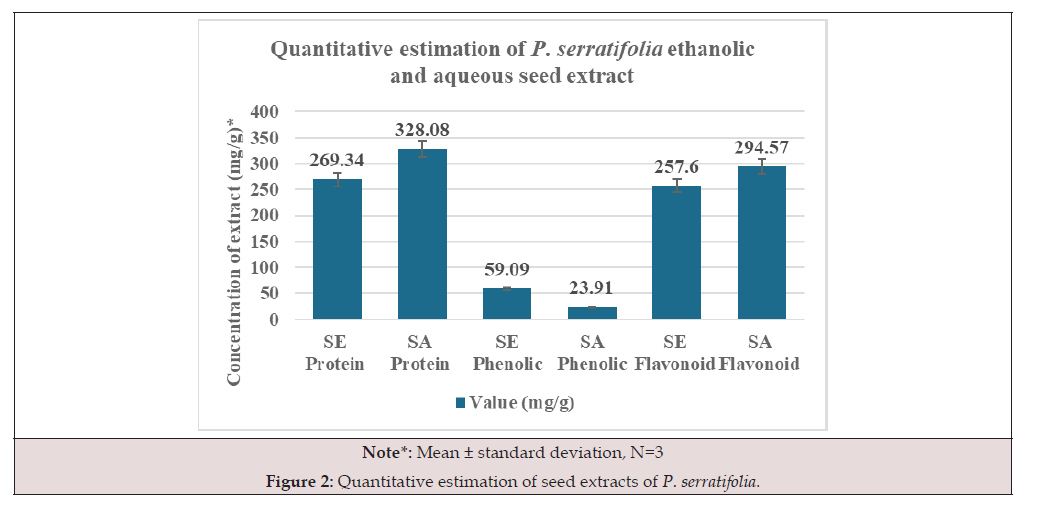
Figure 2:Quantitative estimation of seed extracts of P. serratifolia.
The quantitative analysis revealed that the aqueous extract contained higher levels of proteins (328.08 mg/g) and flavonoids (298.33 mg/g), while the ethanolic extract showed higher phenolic content (59.09 mg/g). This indicates that water is more efficient in extracting hydrophilic compounds such as proteins and flavonoid glycosides, whereas ethanol extracts more semi-polar phenolic constituents (Figure 2). Similar solvent-dependent variations in phenolic and flavonoid content were reported in Premna integrifolia [26] and Premna latifolia [27].
FTIR Spectral Analysis
FTIR spectral analysis of P. serratifolia seed extracts confirmed the presence of diverse functional groups such as hydroxyl (O–H), carbonyl (C=O), and aromatic C=C bonds, suggesting the existence of phenolic and flavonoid compounds (Figure 3,4).
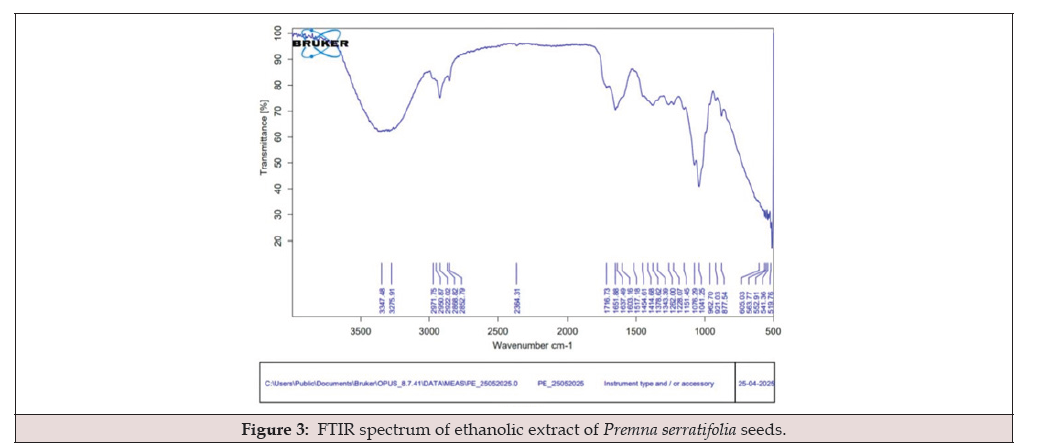
Figure 3:FTIR spectrum of ethanolic extract of Premna serratifolia seeds.
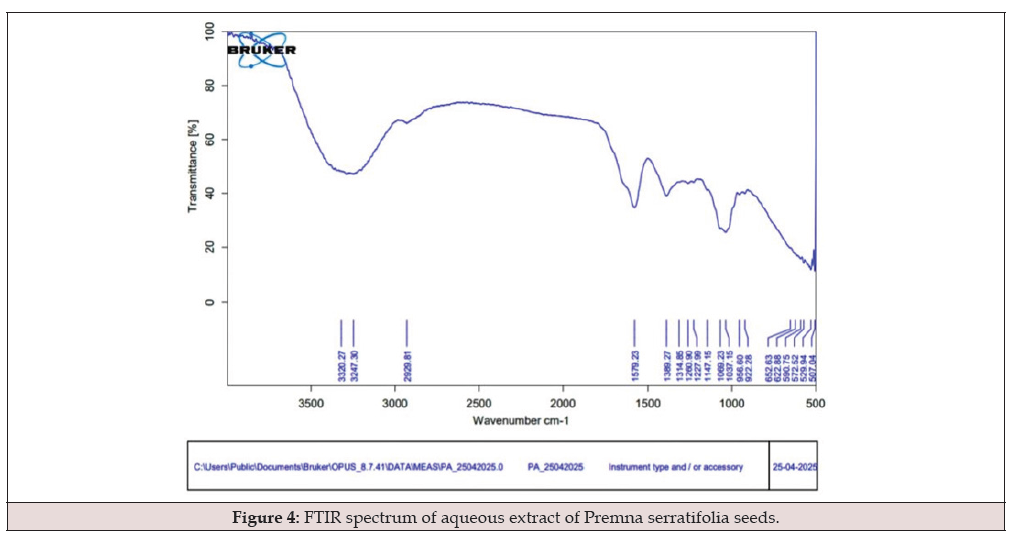
Figure 4:FTIR spectrum of aqueous extract of Premna serratifolia seeds
The ethanol extract exhibited stronger peaks for C–O and C=C stretching, which correlate with high phenolic content, while the aqueous extract showed a prominent C=O band unique to carbonyl compounds (Table 2). Comparable FTIR profiles were documented for Premna integrifolia leaves and bark extracts by Kumar et al. [19] and Singh and Devi [28], emphasizing the consistency in phytochemical structure among Premna species.
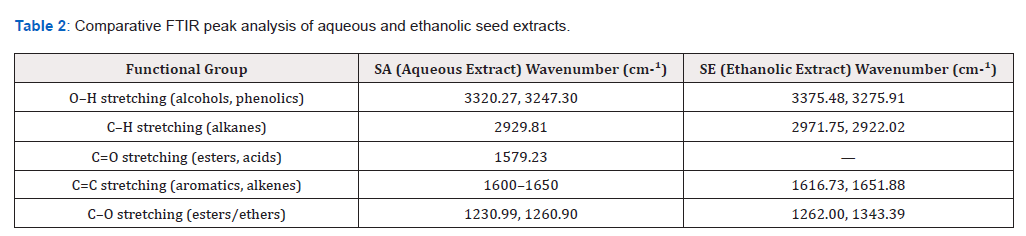
Table 2:Comparative FTIR peak analysis of aqueous and ethanolic seed extracts.
Antioxidant Assay
DPPH Radical Scavenging Activity: Both seed extracts exhibited concentration-dependent DPPH radical scavenging activity (Figure 5). The ethanolic extract demonstrated greater antioxidant potential (IC₅₀ = 57 μg/mL) than the aqueous extract (IC₅₀ = 65 μg/mL), although both were less potent than ascorbic acid (31 μg/mL) (Table 3). This difference may be attributed to the higher phenolic content in ethanol extracts, which enhances hydrogen-donating ability. Comparable findings were reported previously by in ethanol-based Premna leaf extracts [9,15].

Table 3:IC50 values of DPPH radical scavenging activity.
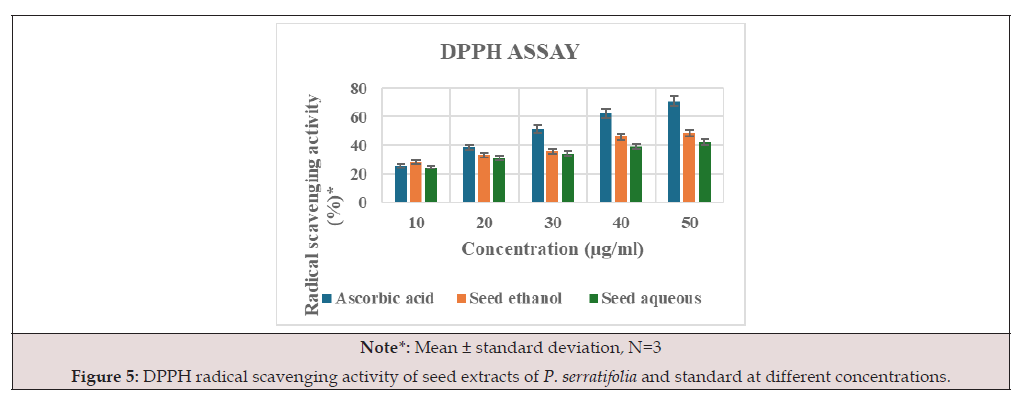
Figure 5:DPPH radical scavenging activity of seed extracts of P. serratifolia and standard at different concentrations
Reducing Power Assay: The reducing power assay of Premna serratifolia seed extracts showed a concentration-dependent increase in antioxidant activity, with higher absorbance values at 700 nm from 100 to 500 μg/mL. The ethanol extract exhibited greater reducing potential (0.02 ± 0.001 to 0.09 ± 0.001) than the aqueous extract (0.01 ± 0.001 to 0.08 ± 0.001), while ascorbic acid showed the highest activity (0.20 ± 0.01 to 0.60 ± 0.01) (Figure 6). These results indicate that ethanol effectively extracts antioxidant compounds such as phenolics and flavonoids, aligning with previous findings by Sharma et al., [29] and Raju and Suresh [30], and confirm the presence of bioactive constituents responsible for the plant’s antioxidant potential.
Anti-Inflammatory Assay
Protein Denaturation Assay: The results revealed a concentration- dependent anti-inflammatory response, with the ethanolic extract showing superior protein denaturation inhibition (80.5% at 1000 μg/mL) compared to the aqueous extract (68.8% at 1000 μg/mL) (Figure 7). This significant inhibition implies that bioactive molecules such as flavonoids and terpenoids are responsible for membrane stabilization and anti-inflammatory effects, corroborating the findings of Meena et al., [31]. in P. corymbosa extracts.
Antidiabetic Assay
α -Amylase Inhibitory Activity: Both extracts exhibited α-amylase inhibitory potential in a dose-dependent manner. The ethanolic extract showed the highest inhibition (82.4% at 1000 μg/mL), closely approaching the standard drug acarbose (Figure 8). These results suggest the presence of flavonoids, tannins, and polyphenols capable of modulating carbohydrate digestion. Similar inhibitory patterns were reported earlier in other medicinal plant extracts [22,32].
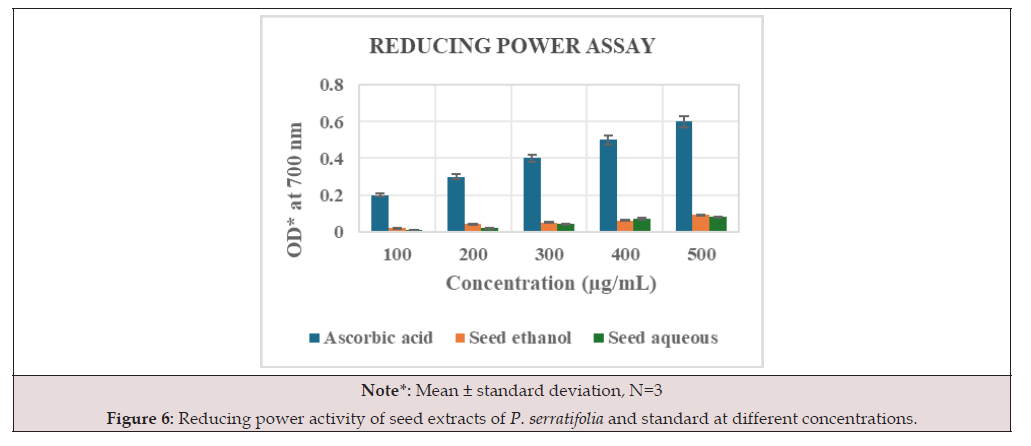
Figure 6:Reducing power activity of seed extracts of P. serratifolia and standard at different concentrations.
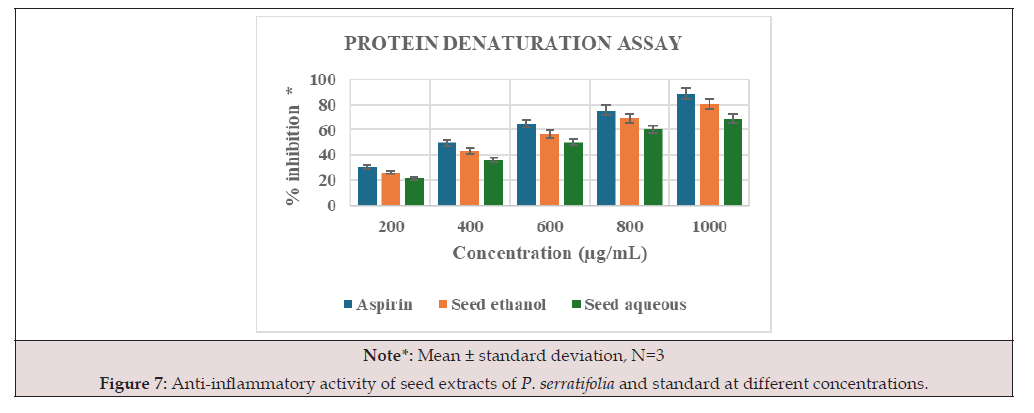
Figure 7:Anti-inflammatory activity of seed extracts of P. serratifolia and standard at different concentrations/p>
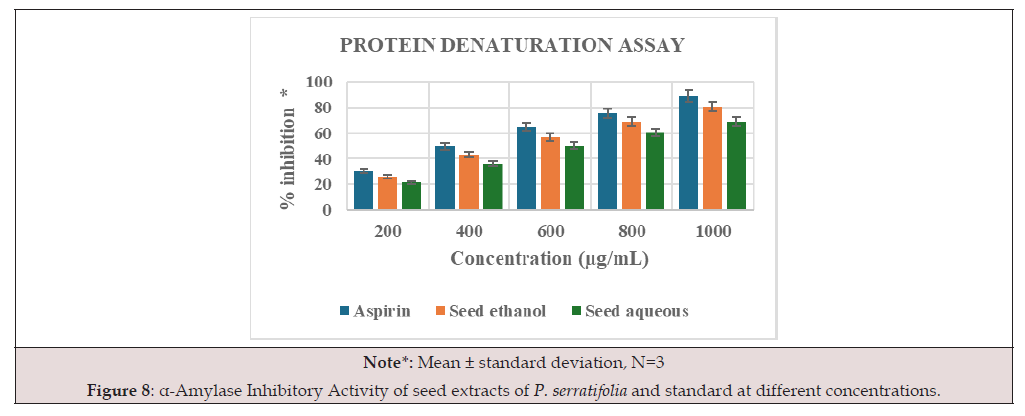
Figure 8:α-Amylase Inhibitory Activity of seed extracts of P. serratifolia and standard at different concentrations
Antibacterial Activity- Agar Well Diffusion
The ethanol and aqueous seed extracts of Premna serratifolia showed dose-dependent antibacterial activity against Escherichia coli and Staphylococcus aureus. The ethanol extract exhibited larger inhibition zones (12.25–18.25 mm for E. coli; 8.5–11.75 mm for S. aureus) than the aqueous extract (9.0–14.5 mm and 7.0–10.0 mm, respectively), while Streptomycin showed the highest activity (Table 4 and Figures 9,10). The ethanol extract also showed lower IC₅₀ values (140.2 μg/mL for E. coli) compared to the aqueous extract (175.4 μg/mL), indicating higher potency. These findings agree with Singh [33], Bhalerao et al., [34] and Kumar [35], confirming the superior antibacterial efficiency of ethanol-based extracts. In a recent study by Saptu et al [36] indicated the good antibacterial and antioxidant activity in the extract of P. serratifolia leaf obtained by cold extraction method.

Table 4:IC50 values of seed extracts against bacterial strains.
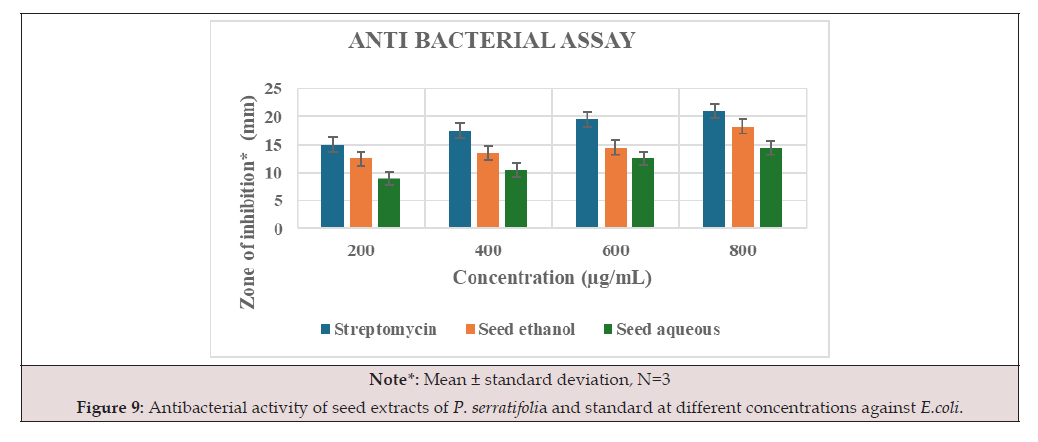
Figure 9:Antibacterial activity of seed extracts of P. serratifolia and standard at different concentrations against E.coli.
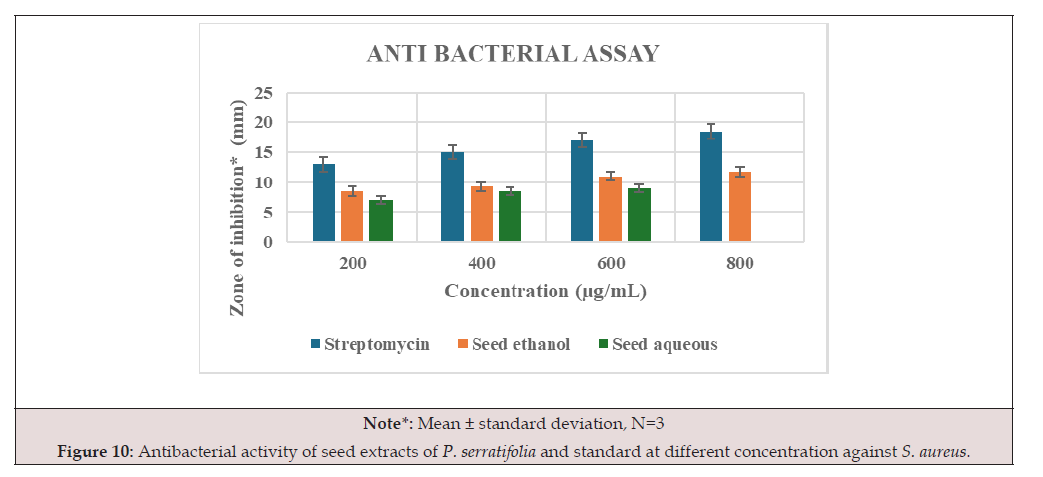
Figure 10:Antibacterial activity of seed extracts of P. serratifolia and standard at different concentration against S. aureus.
Antifungal Activity
The antifungal activity of Premna serratifolia seed extracts against Aspergillus niger was evaluated using the poison bait method. Both extracts showed concentration-dependent inhibition, with the highest activity at 800 μg/mL (Figure 11).
The of P. serratifolia seed extracts as effective natural antifungal agents. ethanolic extract exhibited stronger antifungal effects (0.02 0.002 g to 0.19 ± 0.006 g) compared to the aqueous extract (0.02 ± 0.003 g to 0.09 ± 0.005 g), while Bavistin showed moderate inhibition. These findings align with Ginthujah et al., [3], confirming the potential.
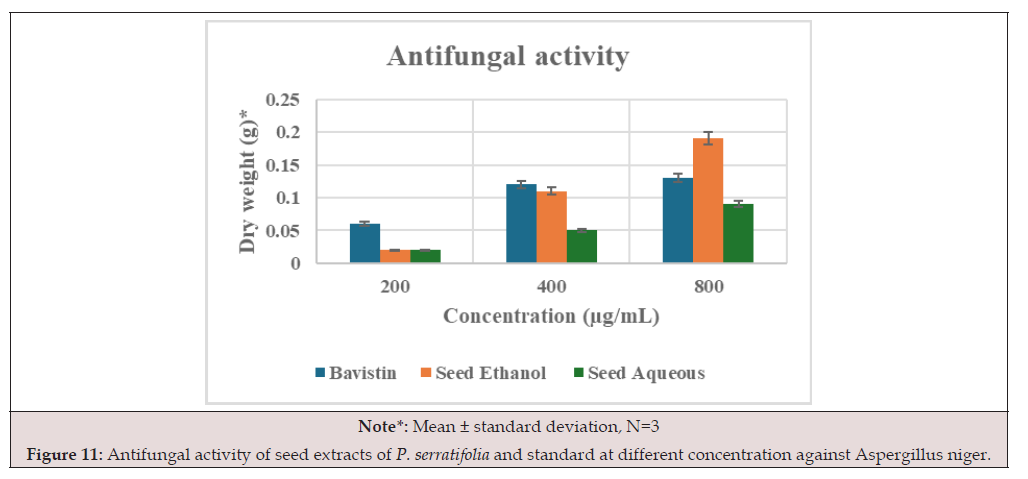
Figure 11:Antifungal activity of seed extracts of P. serratifolia and standard at different concentration against Aspergillus niger
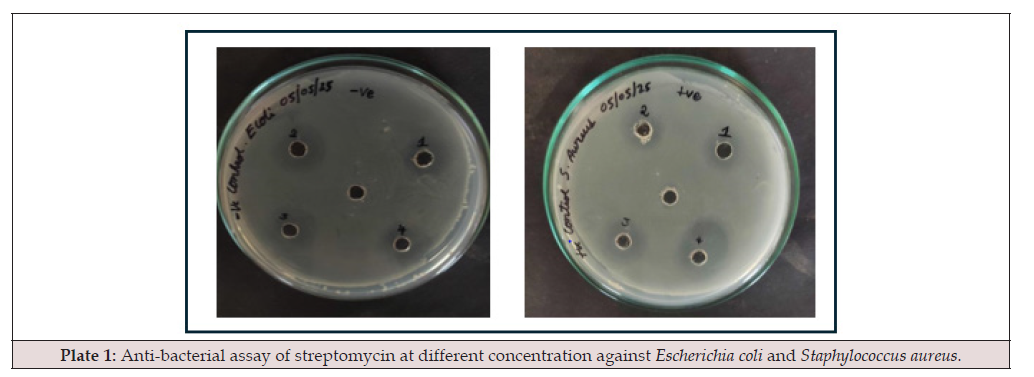
Plate 1:Anti-bacterial assay of streptomycin at different concentration against Escherichia coli and Staphylococcus aureus.
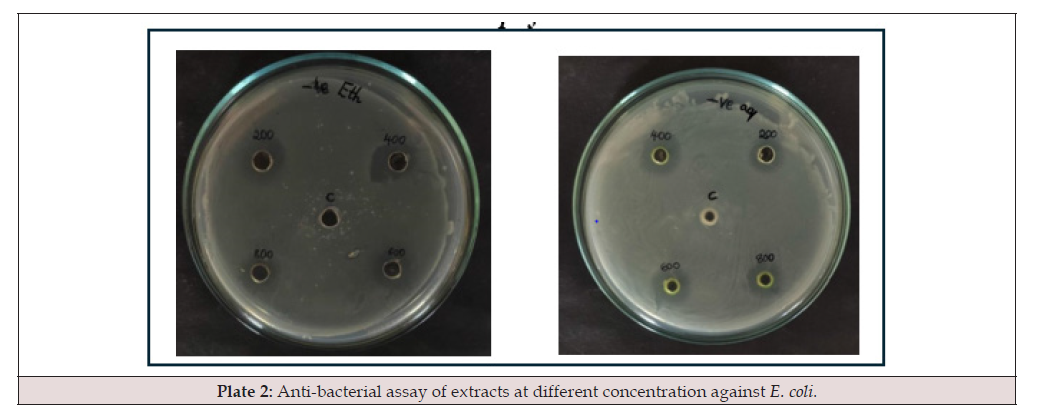
Plate 2:Anti-bacterial assay of extracts at different concentration against E. coli
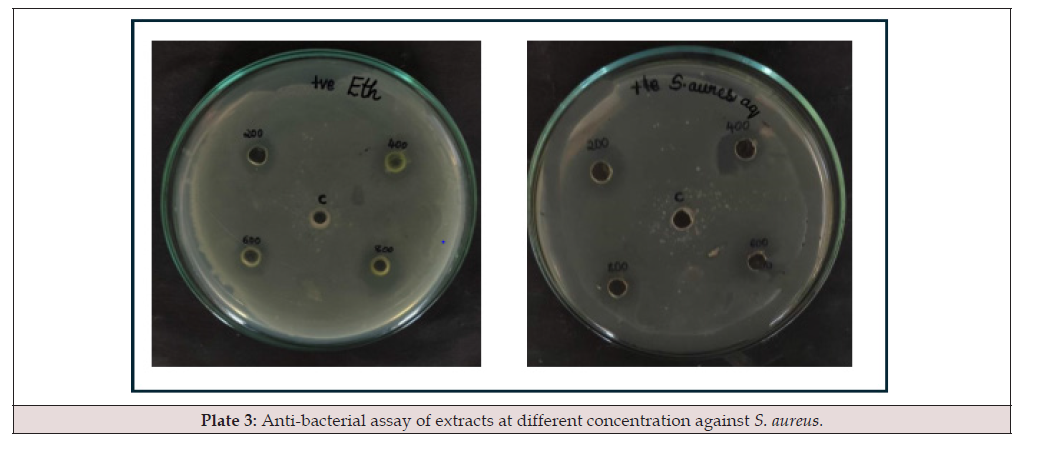
Plate 3:Anti-bacterial assay of extracts at different concentration against S. aureus.
Conclusions
Premna serratifolia seed extracts exhibited diverse bioactive compounds with notable pharmacological activities. The ethanolic extract demonstrated superior antioxidant, anti-inflammatory, antidiabetic, and antibacterial properties compared to the aqueous extract, suggesting its greater therapeutic potential. These findings support the use of P. serratifolia seeds as a promising source of natural bioactive agents for pharmaceutical applications.
Acknowledgement
None.
Competing of Interest
None.
References
- Rajendran R, Basha NS (2010) Antimicrobial activity of crude extracts and fractions of Premna serratifolia root. Medicinal Plants - International Journal of Phytomedicines and Related Industries 2(1): 33.
- Harikrishnan MH, Beevy SS (2023) Phytochemical analysis and in vitro antioxidant activities of three species of Premna from Kerala. Asian Journal of Biological and Life Sciences 12(3): 530-540.
- Ginthujah V, Jayapria S, Sivasinthujah S, Tharmila CJ, Srithevi S, et al. (2024) Antibacterial activity of polysaccharides extracted from the root Premna serratifolia (Wind killer).
- Govindarajan M, Sivakumar R, Rajeswari M, Yogalakshmi K (2005) Chemical composition and larvicidal activity of essential oils from Indian medicinal plants against mosquitoes. Acta Tropica 95(2): 123-129.
- Kalaichelvi K, Dhivya SM (2016) Phytochemical screening and antibacterial activity of leaf extract of Martynia annua, L. and Premna latifolia, Roxb. Journal of Medicinal Plants Studies 4(4): 84-87
- Rajendran R, Basha NS, Ruby S (2009) Evaluation of in vitro antioxidant activity of stem-bark and stem-wood of Premna serratifolia (Verbenaceae). Research Journal of Pharmacognosy and Phytochemistry 2(6): 11-14.
- Kancherla N, Dhakshinamoothi A, Chitra K, Komaram RB (2019) Preliminary analysis of phytoconstituents and evaluation of anthelminthic property of Cayratia auriculata (in vitro). Medica 14(4): 350-356.
- Rahman A, Siddiqui SA, Altun M, Demirtas I (2023) Premna integrifolia : Phytochemical profile and evaluation of antiproliferative effects. Chemistry Select 8(9): e202204854.
- Elmaidomy AH, Mohammed R, Owis AI, Hetta MH, AboulMagd, et al. (2020) Triple-negative breast cancer suppressive activities, antioxidants and pharmacophore model of new acylated rhamnopyranoses from Premna odorata. RSC Advances 10(18): 10584-10598.
- Selvam TN, Venkatakrishnan V, Damodar KS, Elumalai P (2012) Antioxidant and tumor cell suppression potential of Premna serratifolia leaf. Toxicology International 19(1): 31-34.
- Majumder R, Akter S, Naim Z, Alam B (2014) Antioxidant and antidiabetic activities of the methanolic extract of Premna integrifolia Advances in Biological Research 8 (1): 29-36.
- Restuati M, Hidayat U, Pulungan ASS, Pratiwi N, Diningrat DS, et al. (2016) Antibacterial activity of Buasbuas (Premna pubescens Blume) leaf extracts against Bacillus cereus and Escherichia coli. Journal of Plant Sciences 11(4): 81-85.
- Timotius KH, Simamora A, Santoso AW (2018) Chemical characteristics and in vitro antidiabetic and antioxidant activities of Premna serratifolia leaf infusion and decoction. Pharmacognosy Journal 10(6): 1114-1118.
- Puspita W, Puspasari H (2021) Determination of total flavonoid content and SPF value of ethanol extract of buas-buas leaves (Premna serratifolia ) from Melawi Regency, West Kalimantan Province. Journal of Pharmaceutical Sciences and Clinical Pharmacy 18(1): 24-30.
- Simamora A, Santoso AW, Timotius KH, Rahayu I (2020) Antioxidant activity, enzyme inhibition potentials, and phytochemical profiling of Premna serratifolia leaf extracts. International Journal of Food Science (1): 3436940.
- Sadasivam S, Manickam A (2009) Biochemical Methods. New Age International 52-53.
- Singleton VL, Orthofer R, Lamuela-Raventós RM (1999) Analysis of total phenols and other oxidation substrates and antioxidants by means of Folin-ciocalteu reagent. In: Methods in Enzymology 299 152-178 Elsevier.
- Simamora A, Paramita L, Azreen N, Santoso AW, Timotius KH, et al. (2018) In vitro antidiabetic and antioxidant activities of aqueous extract from the leaf and fruit of Psidium guajava The Indonesian Biomedical Journal 10(2): 156-164.
- Kumar P, Sharma N, Singh R (2020) Evaluation of antioxidant and anti-inflammatory activities of selected medicinal plants. Journal of Ethnopharmacology 250: 112473.
- Uppin JB, Chandrasekhar VM, Naik GR (2017) Total phenolic compound and antioxidant properties of Premna integrifolia leaf extracts from Northern Karnataka. International Journal of Advanced Scientific Research and Management 2(6).
- Madhuranga HDT, Samarakoon DNAW (2023) In vitro anti-inflammatory egg albumin denaturation assay: An enhanced approach. Journal of Natural & Ayurvedic Medicine 7(3).
- Kadali SLDVRM, Das MC, Vijayaraghavan R, Shanmukha I (2017) In vitro evaluation of antidiabetic activity of aqueous and ethanolic leaves extracts of Chloroxylon swietenia. National Journal of Physiology, Pharmacy and Pharmacology 7(5): 486-490.
- Singh CR (2011) Antimicrobial effect of callus and natural plant extracts of Premna serratifolia International Journal of Pharmaceutical and Biological Research 2.
- Pakdaman B, Mohammadi M (2018) Evaluation of antifungal activity of plant extracts using the poison food technique. Journal of Medicinal Plants Studies 6(2): 40-44.
- Singh C, Tiwari KN, Kumar P, Kumar A, Dixit J, et al. (2021) Toxicity profiling and antioxidant activity of ethyl acetate extract of leaves of Premna integrifolia for its application as protective agent against xenobiotics. Toxicology Reports 8 196-205.
- Kumar S, Patel V, Das, R (2022) Phytochemical screening and biological activity of Indian herbal extracts. Pharmacognosy Research 14(3): 225-232.
- Palariya D, Singh A, Dhami A, Pant AK, Kumar R, et al. (2019) Phytochemical analysis and screening of antioxidant, antibacterial and anti-inflammatory activity of essential oil of Premna mucronata Roxb Leaves. Trends in Phytochemical Research, 4(4): 275.
- Singh A, Devi S (2019) FTIR and GC-MS analysis of bioactive components in medicinal plants. Journal of Medicinal Plants Studies 7(5): 45-50.
- Sharma P, Verma K, Gupta S (2014) Antioxidant and antimicrobial activity of medicinal plant extracts. International Journal of Pharmaceutical Sciences Review and Research, 28(1): 45-49.
- Raju K, Suresh B (2018) Evaluation of antioxidant properties of herbal plant extracts. Asian Journal of Pharmaceutical and Clinical Research 11(10): 268-273.
- Meena V, Kumar D, Raj N (2016) Anti-inflammatory potential of leaf extracts of Indian medicinal plants. Journal of Applied Pharmaceutical Science 6(2): 57-63.
- Mishra P, Tiwari V (2020) Antidiabetic and antioxidant potential of polyherbal extracts. Plant Science Today 7(4): 544-551.
- Singh C, Kumar J, Kumar P, Chauhan BS, Tiwari KN, et al. (2019) Green synthesis of silver nanoparticles using aqueous leaf extract of Premna integrifolia rich in polyphenols and evaluation of their antioxidant, antibacterial and cytotoxic activity. Biotechnology and Biotechnological Equipment 33(1): 359-371.
- Bhalerao S, Patil A, Deshmukh P (2013) In vitro antibacterial activity of selected medicinal plant extracts. Asian Journal of Plant Science and Research 3(1): 1-6.
- Kumar M (2018) Antimicrobial efficacy of medicinal plants used in traditional medicine. Journal of Pharmacognosy and Phytochemistry 7(2): 120-125.
- Saptu T, Tan LL, Saupi N, Awang Husaini AAS, Ramaiya SD, et al. (2025) Physicochemical properties, antioxidant, and antibacterial activities of Premna serratifolia extract via cold extraction method. IOP Conf. Series: Earth and Environmental Science 1476: 012097IOP.




 We use cookies to ensure you get the best experience on our website.