
Research Article 
 Creative Commons, CC-BY
Association of the Neutrophil to High-Density Lipoprotein Cholesterol Ratio with The Risk of Subclinical Renal Damage
*Corresponding author:Yanping Ren, Department of Geriatrics Medicine, First Affiliated Hospital of Xi’an Jiaotong University, Xi’an, PR China, No.277, Yanta West Road, Xi’an 710061, P.R China.
Received:February 22, 2026; Published:March 02, 2026
DOI: 10.34297/AJBSR.2026.30.003917
Abstract
Background: The neutrophil to High-Density Lipoprotein Cholesterol (HDL-C) ratio (NHR) has been identified as a novel biomarker reflecting inflammatory status and lipid metabolism disorders. The aim of the present study was to investigate the association between the NHR and the Urinary Albumin-to-Creatinine Ratio (uACR) as well as the effect of risk prediction on Subclinical Renal Damage (SRD) in adults.
Methods: A total of 36640 eligible adult participants were recruited from 2005 to 2018 from the NHANES survey and were included in this cross-sectional study. The NHR was evaluated by the blood neutrophil-to-HDL-C concentration ratio. Correlation analysis was applied when the NHR and uACR were considered as continuous variables. In addition, the relationship between the NHR and SRD was further explored using logistic regression analysis.
Results: The uACR was positively correlated with the NHR (r=0.173, P<0.001). A total of 5007 individuals developed SRD, and the incidence of SRD increased from 10.07% in the first quartile to 18.04% in the fourth quartile of the NHR. Compared with those in the NHR first quartile group, subjects in the other groups had increasingly greater odds of suffering from SRD. This relationship held even after adjusting for multiple confounding factors. The area under the receiver operating characteristic curve of the NHR for predicting SRD was 0.572 (95% CI: 0.563–0.580, P<0.001), and the cutoff point was 3.129×10⁹/mmol, with a sensitivity of 56.92% and a specificity of 53.40%.
Conclusion: Our study was the first to employ the inflammatory marker NHR to assess kidney function. We found that the NHR was positively correlated with the uACR and associated with the occurrence of SRD in adults. We believe that the NHR is an effective indicator for assisting in the screening of individuals with SRD in the general population.
Keywords: Neutrophil to high-density lipoprotein cholesterol ratio, Subclinical renal damage, Urinary albumin-to-creatinine ratio, National Health and Nutrition Examination Survey (NHANES)
Abbreviations:NHR: Neutrophil to High-Density Lipoprotein Cholesterol Ratio; SRD: Subclinical Renal damage; uACR: urinary Albumin-to-Creatinine Ratio; CVD: Cardiovascular Diseases; HDL-C: High-Density Lipoprotein Cholesterol; LDL-C: Low-Density Lipoprotein Cholesterol; NHANES: National Health and Nutrition Examination Survey; CKD: Chronic Kidney Disease; BMI: Body Mass Index; ROC: Receiver Operating Characteristic.
Introduction
Chronic Kidney Disease (CKD) is a progressive disease that affects at least 10% of the global population, and it is estimated that more than 800 million people suffer from CKD worldwide [1,2]. Specifically, it was shown that the incidence of CKD was 10.8% in China [3] and 13.0% in the United States [4] among adults. Moreover, CKD has been considered one of the most important causes of suffering and death in recent years [5]. It was reported that CKD has been the leading cause of worldwide mortality in Global Burden of Disease (GBD) studies [6]. Individuals with a number of risk factors for CKD may benefit most from preventive measures. Therefore, early identification, diagnosis and preventative intervention are urgently needed in populations at high risk of renal damage because these interventions are systematically implemented worldwide.
Inflammation plays a prominent role in promoting the development and progression of CKD through various mechanisms, including increased activation of the innate immune system, increased production of reactive oxygen species, dysregulation of the anti-inflammatory system and dysbiosis of the intestinal flora [7]. Neutrophils are a type of white blood cell that play vital roles in acute and chronic inflammation [8,9]. Dyslipidemia is a typical characteristic among CKD patients and is characterized by a decreased High-Density Lipoprotein Cholesterol (HDL-C) concentration [10]. HDL-C has natural anti-inflammatory and antioxidant effects [10,11] and may have potential benefits for renal health.
The Neutrophil-to-HDL-C Ratio (NHR) is a marker that combines information about inflammation and lipid metabolism. Previous studies have identified the role of the NHR in the context of inflammatory and Cardiovascular Diseases (CVDs) [12,13]. However, few studies have revealed the relationship between the NHR and kidney disease. It is still unknown whether the NHR is predictive of Subclinical Renal Damage (SRD) in the general population. Consequently, the aim of this study was to investigate the association between the NHR and the Urinary Albumin-To- Creatinine Ratio (uACR) and the risk of SRD in adults via a large study population and the nationally representative National Health and Nutrition Examination Survey (NHANES) in the United States.
Materials and Methods
Study Population
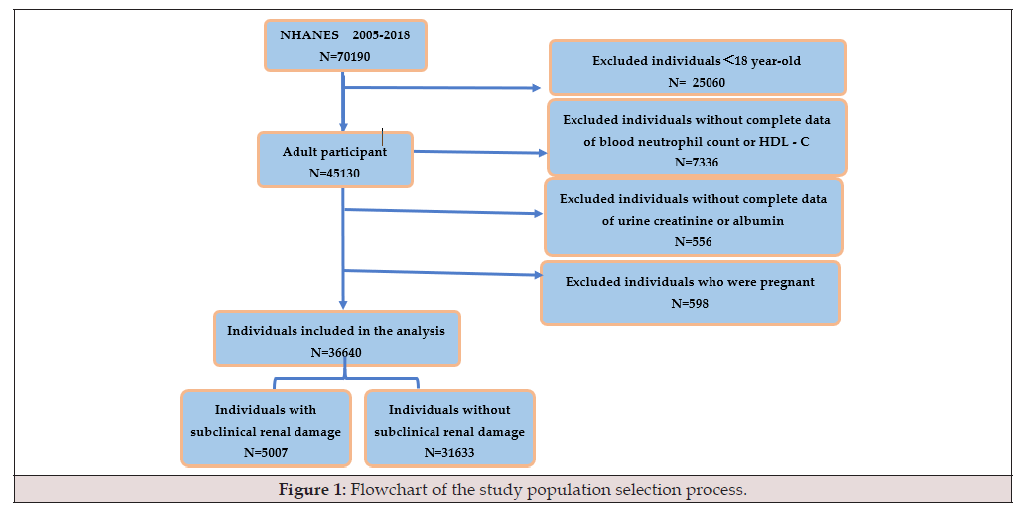
Figure 1:Flowchart of the study population selection process.
In this study, data were acquired from the NHANES, which is an ongoing continuous cross-sectional survey focused on evaluating the prevalence of disease and identifying disease-specific risk factors in civilian populations in the United States population, as previously described [14,15]. A detailed description of the publicly available datasets can be found at https://www.cdc.gov/ nchs/nhanes/. This investigation was devoted to estimating the relationship between the NHR and the risk of SRD in adults. Eligible data in this analysis were obtained from NHANES waves spanning 2005-2006 to 2017-2018, and the study sample screening process is shown in Figure 1. Briefly, we selected participants who were aged at least 18 years, excluding individuals aged <18 years (n=25060), excluding those with missing neutrophil count or HDL-C data (n=7336), or missing urine creatinine or albumin data (n=556). Due to the possible effect of urine albumin or urine creatinine assessing renal function, 598 pregnant women were also excluded from this study. As a result, 33550 individuals who did not meet the inclusion criteria were excluded from among the 70190 participants in the 2005 to 2018 NHANES cycle, and a total of 36640 subjects aged ≥18 years were eventually involved in the present study. The research was conducted following the ethical principles outlined in the Declaration of Helsinki. As all data from the NHANES survey is publicly available, no additional medical ethics committee board approval was required in accordance with the international practice. The study protocols for NHANES program were approved by the NCHS ethics review board (protocol number 2011-17, https://www.cdc.gov/nchs/nhanes/). Written informed consent was collected from all adult participants (Figure 1).
Demographic Characteristics
Trained interviewers participated in the home interview session to collect demographic information through questionnaires. The participants were divided into five race and ethnicity groups: Mexican American, other Hispanic, non-Hispanic White, non- Hispanic Black, and other races. Other covariates, including age, sex, marital status and education background, were obtained via a self-reported method. Bodyweight and height were measured by a trained examiner at the mobile examination center, and Body Mass Index (BMI) was calculated as weight (kg)/height (m2).
Definitions
Cigarette smoking status was obtained by the survey questions “Have you smoked at least 100 cigarettes in your life?” and “Do you currently smoke cigarettes?”. The participants were subsequently classified into three categories: never smokers, former smokers and current smokers [16]. A history of alcohol consumption was determined by the survey question “In any 1 year, have you had at least 12 drinks of any type of alcoholic beverage?”. Individuals who answered “yes” were classified as drinkers [17]. Hypertension was defined as a mean blood pressure ≥140/90 mmHg or self-reported diagnosis of hypertension or prescription for hypertension. Diabetes status was determined by self-reported diagnosis of diabetes by a medical professional previously [18].
Exposure and Outcome
A complete blood analysis was performed on a Beckman Coulter MAXM analyzer using the phlebotomy component. HDL-C was detected by immunoassay procedures or precipitation methods. The NHR was calculated by the following formula: NHR= neutrophil count (109cell/L)/HDL-C concentration (mmol/L). Other biomarkers, including fasting blood glucose, Total Cholesterol (TC), triglycerides and Low-Density Lipoprotein Cholesterol (LDL-C), were evaluated in venous plasma or serum samples. In the NHANES cycles from 2005 to 2018, urinary albumin was detected using a solid-phase fluorescent immunoassay. Urinary creatinine levels were measured with the Jaffé rate reaction from the 2005 to 2008 cycles and via enzymatic methods from the 2009 to 2018 cycles. Renal function was evaluated with the Urine Albumin-To-Creatinine Ratio (uACR). It was calculated by the following formula: uACR= urine albumin (mg/L)/urine creatinine (mmol/L). The presence of SRD was diagnosed on the basis of a uACR≥2.5 mg/mmol in men or a uACR ≥3.5 mg/mmol in women [19].
Statistical Analysis
Normally distributed continuous data are shown as the means ± Standard Deviations (SDs), and nonnormally distributed continuous variables are expressed as medians (25th and 75th percentile ranges). Categorical variables are reported as frequencies and proportions. The differences between continuous variables were Assessed Using One-Way Analysis of Variance (ANOVA) when the distribution and variance met the requirements; otherwise, the Kruskal–Wallis test was applied to three or more groups. The differences between categorical data were analyzed by chi-square (χ2) tests. Correlation analysis of two continuous variables was evaluated by the Pearson correlation coefficient or Spearman correlation coefficient when appropriate. Receiver Operating Characteristic (ROC) curve analysis was also conducted to evaluate the value of the novel predictor NHR for the incidence of SRD. Youden’s index, which was calculated as sensitivity + specificity -1, was used to assess the optimal cutoff NHR value.
Participants were divided into four groups according to the NHR quartile from lowest (Q1<2.1290) to highest (Q4≥4.2857) as an independent variable. Logistic regression analysis was applied to investigate the associations between SRD and NHR quartile groups, with odds ratios (ORs) and 95% Confidence Intervals (CIs) reported in the models. Model 1 was adjusted for no covariates, Model 2 was adjusted for sex, race/ethnicity, education level and marital status, Model 3 was adjusted for all covariates in Model 2 as well as smoking and drinking, and Model 4 was adjusted for all covariates in Model 3 as well as hypertension and diabetes. The statistical analyses were conducted with SPSS software (SPSS, Inc., Chicago, IL). All the statistical tests were two-sided, and a P value < 0.05 was used to indicate statistical significance.
Results
Demographic Characteristics of the Studied Subjects
A total of 36640 individuals were ultimately included in this study. The demographic characteristics and laboratory biomarkers of the studied subjects are shown in Table 1. The median age of the population was 48 (32,63) years, and 18117 (49.45%) subjects were male. Differences in sex, education level, race/ethnicity and marital status were statistically significant (P<0.05) (Table 1). Anthropometric data (including age, body weight and BMI) and biochemical data (fasting blood glucose, TC, triglyceride and LDL-C levels) were also significantly different (P<0.05) (Table 1). In addition, the incidence of current smoking, drinking, hypertension and diabetes increased with increasing NHR quartiles (P<0.05) (Table 1). Patients in the higher quartile groups were more likely to be male with greater body weight, greater BMI, and higher levels of current smoking, drinking, hypertension and diabetes (P<0.05).
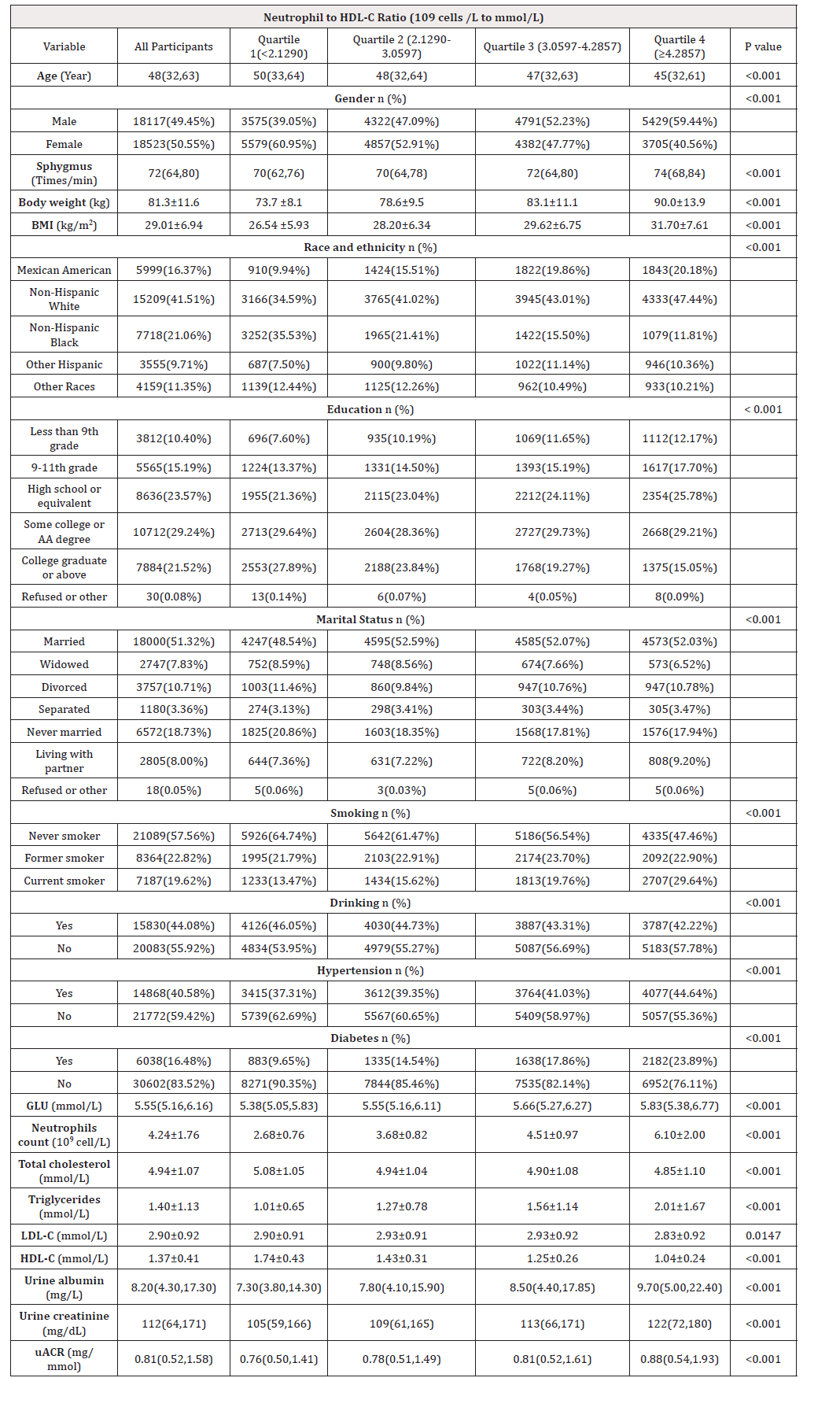
Table 1:Demographic characteristics by quartiles of NHR.
Associations Between the NHR and the uACR
To evaluate the relationship between the NHR and the uACR, these two variables were included in the correlation analysis as continuous variables. As a result, the uACR was positively correlated with the NHR (r=0.173, P<0.001) (Figure 2). Then, we classified the NHRs into quartiles to further investigate the distribution of the uACR among the NHRs in the quartile groups (Table 1, Figure 3). Interestingly, compared with those in the NHR Q1 group (0.76 [0.50, 1.41] mg/mmol), the uACR levels were significantly greater in the NHR Q3 (0.81 [0.52, 1.61] mg/mmol, P=0.012) and NHR Q4 (0.88 [0.54, 1.93] mg/mmol, P<0.001) groups..
Risk of NHR Quartile Groups for SRD
Among the 36640 participants who were included in this study, 5007 developed SRD as assessed by the uACR. The incidence of SRD was 10.07% in the lowest NHR quartile 1 group and increased to 18.04% in the highest NHR quartile 4 group (Figure 4). To estimate the relationship between the NHR quartile groups and SRD, binomial logistic regression analysis was performed, and the lowest NHR quartile 1 (NHR Q1) group was identified as the control group (Table 2). Compared with those in the NHR Q1 group, subjects in the NHR Q2, NHR Q3 and NHR Q4 quartiles had 1.28-, 1.47- and 1.97-fold greater risks of suffering from SRD, respectively (P<0.05) (Table 2, Model 1). After gradual adjustment for sex, race/ ethnicity, education level and marital status in Model 2, additional adjustment for smoking and drinking status in Model 3, and further adjustment for hypertension and diabetes in Model 4, the results also showed that higher NHRs were associated with an increased risk of SRD.
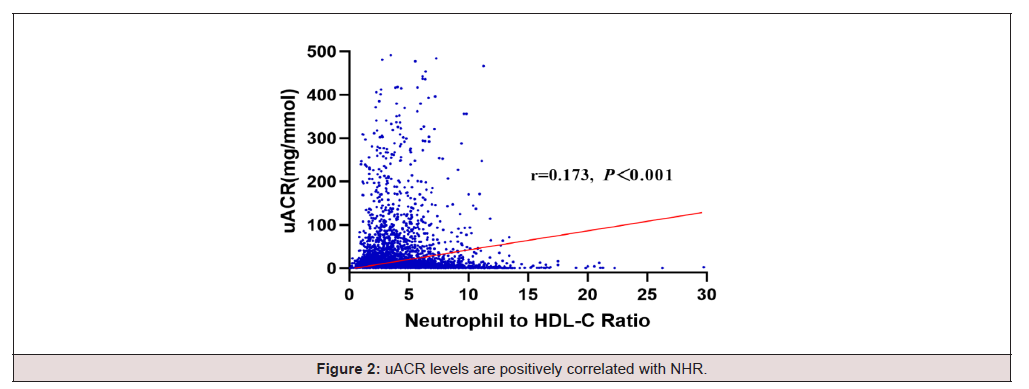
Figure 2:uACR levels are positively correlated with NHR.
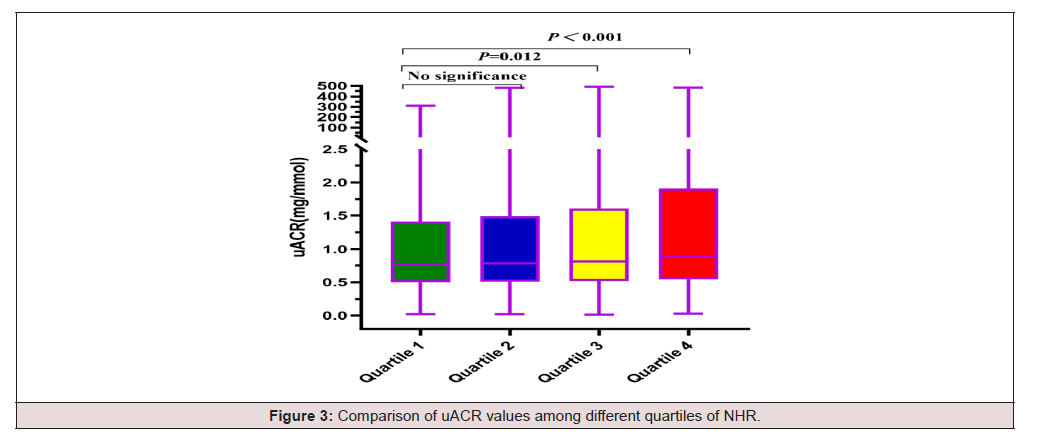
Figure 3:Comparison of uACR values among different quartiles of NHR.

Table 2:Adjusted ORs and 95% CI of the association between NHR quartiles and SRD.
The Utility of the NHR in Distinguishing the Occurrence of SRD
In this study, the NHR was positively correlated with the uACR, and the NHR was greater in patients with SRD than in those who were SRD free. Receiver operating characteristic (ROC) curve analysis was used to estimate the cutoff NHR value for indicating the incidence of SRD. The area under the ROC curve (AUC) of the NHR for predicting SRD was 0.572 (95% CI: 0.563-0.580, P<0.001), and the cutoff point was 3.129× 10⁹/mmol, with a sensitivity of 56.92% and a specificity of 53.40% (Figure 5).
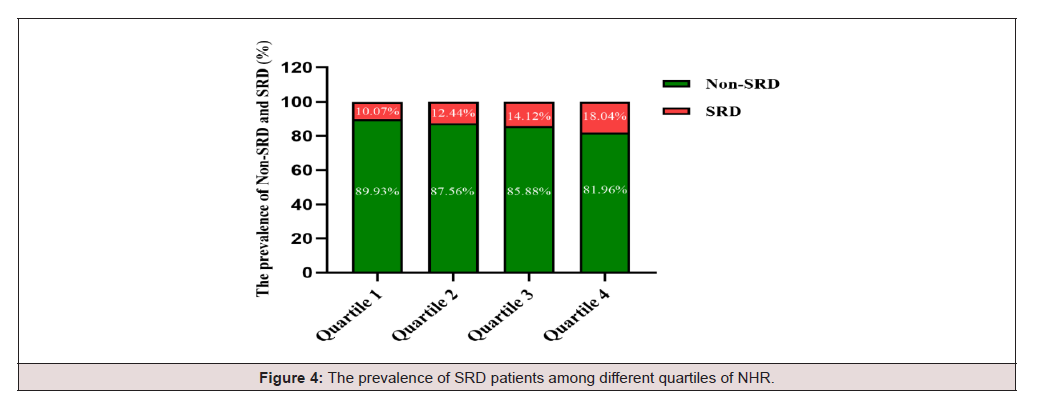
Figure 4:The prevalence of SRD patients among different quartiles of NHR.
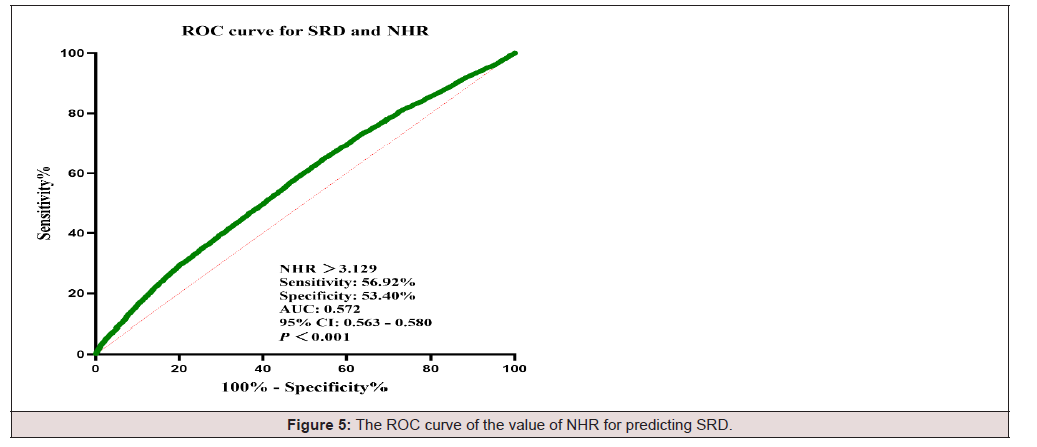
Figure 5:The ROC curve of the value of NHR for predicting SRD.
Discussion
The present study investigated the relationship between the NHR and the incidence of SRD among adult subjects. Our findings determined that the NHR was positively correlated with the uACR. In addition, the NHR quartiles were significantly related to the presence of SRD; that is, the higher the quartile of the NHR was, the higher the uACR and the greater the risk of SRD in adults. To the best of our knowledge, this cross-sectional study was the first to evaluate the relationship between the NHR and the uACR as well as to reveal the NHR as a novel marker for predicting SRD in the general population.
Several studies have confirmed that the NHR is predictive of the incidence, progression and severity of coronary artery disease and Acute Ischemic Stroke (AIS) [20,21]. The NHR is a useful indicator for the early diagnosis and treatment of CVD [12] as well as for cardiovascular and all-cause mortality [13] in the general population. An elevated NHR was independently related to a higher risk of adverse cardiovascular events, including myocardial infarction and stroke, among normoglycemic subjects in the Kailuan study [22]. The NHR is practicable for in-hospital risk classification of ST-Segment Elevation Myocardial Infarction (STEMI) patients receiving primary Percutaneous Coronary Intervention (PCI) [23] and is a superior indicator of major adverse cardiovascular events and the degree of coronary artery stenosis among STEMI individuals after PCI during hospitalization [24]. A study revealed a nonlinear association between the NHR and atherosclerosis with a certain saturation effect in a healthy population [25]. In addition, the NHR has become a valuable biomarker for predicting Metabolic Syndrome (MetS) in the population, especially in females [26]. The above reviewed studies have indicated that the NHR is increased in patients with many disease states, including CVD, atherosclerosis, AIS and MetS. Inflammation and dyslipidemia are commonly involved in the pathogenesis of these diseases. Consistent with these reports, we found a significantly greater NHR in SRD patients than in SRD-free participants, possibly because of these factors.
The NHR was calculated as the ratio of the neutrophil count to the HDL-C concentration. The neutrophil count, a marker of proinflammatory states, was confirmed to be an independent risk factor for the progression of CKD [27] and was found to be responsible for the prediction of surgery-related acute kidney injury in CKD patients [28]. Furthermore, a bidirectional relationship was discovered between HDL-C and kidney disease [10]. On the one hand, CKD may result in disorders of blood HDL-C levels, structure and functionality [10]; on the other hand, HDL-C is valuable for preventing oxidation, promoting the production of nitric oxide, preventing the adverse effects of oxidation on endothelial cells, and exerting anti-inflammatory and antiapoptotic effects [29], which may play a role in slowing the progression of CKD.
It is well established that inflammatory and lipid metabolism disorders are involved in the occurrence and progression of kidney disease. The NHR provides information about the interaction between inflammation and lipid metabolism. To the best of our knowledge, the direct risk prediction value of the NHR for kidney disease has not yet been evaluated. A previous study showed that urine albumin concentrations differed among NHR tertile groups [13], which provided us with insight into the relationship between the NHR and renal function. In this study, we estimated renal function based on uACR data and investigated the association between the uACR and the NHR. We observed a positive correlation between the two variables (r=0.173, P<0.001). The participants were further divided into four groups based on the NHR quartile, and the uACR levels and the incidence of SRD were greater in the higher-NHR quartile groups. This is the first study to examine the relationship between the NHR and renal function.
The NHR is now well established as a hot research predictor for CVD, atherosclerosis and AIS. For the first time, we found that the NHR has predictive value for SRD. The pathogenesis of these diseases is characterized by inflammation and lipid metabolism disorders. Accumulating evidence indicates that the extraordinary physiology of kidneys results in increased risk of injury and renders them vulnerable targets for inflammation-related injuries [30]. Persistent low-grade systemic inflammation contributes to the development and acceleration of renal function exacerbation through various mechanisms, such as increased production of proinflammatory cytokines and activation of oxidative stress [7]. Most CKD patients face lipid metabolism disorders, and the relationship between blood lipid levels and the kidney is bidirectional [10]. Currently, CKD is rarely diagnosed in the early phase due to its insidious nature, and its progression is unfortunately irreversible once it develops [30]. Therefore, identifying biomarkers useful for the early identification and diagnosis of CKD is crucial. In this study, we revealed that the NHR was independently associated with SRD. The NHR contains comprehensive information on inflammation and lipid metabolism and provides an advantage in the early identification and screening of individuals with kidney disease.
Although the present study included a representative and large sample, the general population was natural, was rigorously designed, and extensively controlled for confounding factors, several limitations should be taken into account. First, partial variables such as smoking status, drinking status, and medication use were collected in a self-reported way that could not be validated empirically, which could result in information and recall bias and misclassification of exposures. However, the NHANES survey applied strict quality control protocols to guarantee the quality and authenticity of the values, which may have contributed to reducing these biases. Second, although many confounders were adjusted appropriately, several variables that were not included may have contributed to other unavoidable biases. Third, an imperfection that was inevitable in the cross-sectional design was that we cannot establish a direct causal relationship between two variables. Finally, the individuals included in this study were limited to American residents; therefore, the generalizability of these findings to individuals of other ethnic backgrounds is unclear. Despite the above limitations, the multiangle analyses in this study provided us with the opportunity to understand the relationship between the NHR and SRD.
Conclusions
Taking the large-scale and representative general population into account, the present study was the first to apply the novel predictor NHR to estimate kidney function. The NHR was positively correlated with the uACR and independently related to the SRD among adult subjects. These findings suggested that the NHR may be an effective indicator for identifying and screening individuals with early-stage kidney disease.
Acknowledgements
We are grateful to all NHANES participants and the NHANES team for their outstanding efforts and making their delightful data publicly available.
Author’ Contributions
W.L.Z. and Y.P.R. contributed to the conceptualization and design. Z.Y.M. was responsible for the acquisition of data. W.L.Z., Z.Y.M., and Y.W. were in charge of the analysis of data and preparing original draft. W.L.Z. and Y.P.R. provided financial support. All authors critically revised the manuscript and approved the final version prior to publication.
Funding
This study was supported by the National Natural Science Foundation of China No. 82200472(W.L.Z.) and Life Cycle Health Research Institute of Xi’an Jiaotong University No.QSMZQJKYJY-2 (Y.P.R.). Data Availability Statement Publicly available datasets were used in the present analysis. Data are publicly available at https:// www.cdc.gov/nchs/nhanes/.
Declarations
Ethics Approval and Consent to Participate
The initial investigation was approved by NCHS Research Ethics Review Board (https://www.cdc.gov/nchs/nhanes/about/ erb.html). According to international practice and the policy of NHANES, an individual investigator using the publicly available NHANES data does not need to file the institution Internal Review Board (IRB). All subjects in the survey provided written informed permission.
Consent for Publication
Not applicable.
Competing Interests
The authors declare no competing interests.
References
- Jager KJ, Kovesdy C, Langham R, Rosenberg M, Jha V, et al. (2019) A single number for advocacy and communication-worldwide more than 850 million individuals have kidney diseases. Kidney Int 96(5): 1048-1050.
- Eckardt KU, Coresh J, Devuyst O, Johnson RJ, Köttgen A, et al. (2013) Evolving importance of kidney disease: from subspecialty to global health burden. Lancet 382(9887): 158-1569.
- Luxia Zhang, Fang Wang, Li Wang, Wenke Wang, Bicheng Liuet al. (2012) Prevalence of chronic kidney disease in China: a cross-sectional survey. Lancet 379 (9818): 815-822.
- Josef Coresh, Elizabeth Selvin, Lesley A Stevens, Jane Manzi, John W Kusek, et al. (2007) Prevalence of chronic kidney disease in the United States. JAMA 298(17): 2038-2047.
- Kovesdy CP (2022) Epidemiology of chronic kidney disease: an update 2022. Kidney Int Suppl (2011) 12(1): 7-11.
- GBD 2013 Mortality and Causes of Death Collaborators. (2015) Global, regional, and national age-sex specific all-cause and cause-specific mortality for 240 causes of death, 1990-2013: a systematic analysis for the Global Burden of Disease Study 2013. Lancet 385(9963): 117-171.
- Saurav Prashant Kadatane, Matthew Satariano, Michael Massey, Kai Mongan, Rupesh Raina, et al. (2023) The Role of Inflammation in CKD. Cells 12(12): 1581.
- Andrea Herrero Cervera, Oliver Soehnlein, Ellinor Kenne (2022) Neutrophils in chronic inflammatory diseases. Cell Mol Immunol 19(2): 177-191.
- Singhal A, Kumar S (2022) Neutrophil and remnant clearance in immunity and inflammation. Immunology 165(1): 22-43.
- Arianna Strazzella, Alice Ossoli, Laura Calabresi (2021) High-Density Lipoproteins and the Kidney. Cells 10(4): 764.
- Thomas Weichhart, Chantal Kopecky, Markus Kubicek, Michael Haidinger, Dominik Döller, et al. (2012) Serum amyloid A in uremic HDL promotes inflammation. J Am Soc Nephrol 23(5): 934-947.
- Pan X, Zhang X, Ban J, Yue L, Ren L, et al. (2023) Association of Neutrophil to High-Density Lipoprotein Cholesterol Ratio with Cardiac Ultrasound Parameters and Cardiovascular Risk: A Cross-Sectional Study Based on Healthy Populations. J Inflamm Res 16: 1853-1865.
- Ming Jiang, Jinyu Sun, Huayiyang Zou, Menghuan Li, Zhenyang Su, et al. (2022) Prognostic Role of Neutrophil to High-Density Lipoprotein Cholesterol Ratio for All-Cause and Cardiovascular Mortality in the General Population. Front Cardiovasc Med 9: 807339.
- Cheng TD, Ferderber C, Kinder B, Wei YJ (2023) Trends in Dietary Vitamin A Intake Among US Adults by Race and Ethnicity, 2003-2018. JAMA 329(12): 10261029.
- Nayili Mahemuti, Xiyue Jing, Naijian Zhang, Chuanlang Liu, Changping Li, et al. (2023) Association between Systemic Immunity-Inflammation Index and Hyperlipidemia: A Population-Based Study from the NHANES (2015-2020). Nutrients 15(5): 1177.
- Run Min Li, Guo Hua Dai, Hui Guan, Wu Lin Gao, Li Li Ren, et al. (2023) Association between handgrip strength and heart failure in adults aged 45 years and older from NHANES 2011-2014. Sci Rep 13(1): 4551.
- Zhijie Ruan, Tao Lu, Yanxia Chen, Mengsi Yuan, Haoyang Yu, et al. (2022) Association Between Psoriasis and Nonalcoholic Fatty Liver Disease Among Outpatient US Adults. JAMA Dermatol 158(7): 745-753.
- Li Wang, Xiaoguang Li, Zhaoxin Wang, Michael P Bancks, Mercedes R Carnethon, et al. (2021) Trends in Prevalence of Diabetes and Control of Risk Factors in Diabetes Among US Adults, 1999-2018. JAMA 326(8): 1-13.
- Wenling Zheng, Jianjun Mu, Chao Chu, Jiawen Hu, Yu Yan, et al. (2018) Association of Blood Pressure Trajectories in Early Life with Subclinical Renal Damage in Middle Age. J Am Soc Nephrol 29(12): 2835-2846.
- Jie Gao, Jun Lu, Wenjun Sha, Bilin Xu, Cuiping Zhang, et al. (2022) Relationship between the neutrophil to high-density lipoprotein cholesterol ratio and severity of coronary artery disease in patients with stable coronary artery disease. Front Cardiovasc Med 9: 1015398.
- Lina Yu, Ke Ma, Jian Hao, Bin Zhang (2023) Neutrophil to high-density lipoprotein cholesterol ratio, a novel risk factor associated with acute ischemic stroke. Medicine (Baltimore) 102(26): e34173.
- Shuo Lin Liu, Bao Yu Feng, Qi Rui Song, Ying Mei Zhang, Shuo Ling Wu, et al. (2022) Neutrophil to high-density lipoprotein cholesterol ratio predicts adverse cardiovascular outcomes in subjects with pre-diabetes: a large cohort study from China. Lipids Health Dis 21(1):86.
- Yun Chen, Dan Jiang, Hongmei Tao, Ping Ge, Qin Duan, et al. (2022) Neutrophils to high-density lipoprotein cholesterol ratio as a new prognostic marker in patients with ST-segment elevation myocardial infarction undergoing primary percutaneous coronary intervention: a retrospective study. BMC Cardiovasc Disord 22(1): 434.
- Jiongchao Guo, Min Chen, Yu Hong, Yating Huang, Haiyan Zhang, et al. (2023) Comparison of the Predicting Value of Neutrophil to high-Density Lipoprotein Cholesterol Ratio and Monocyte to high-Density Lipoprotein Cholesterol Ratio for in-Hospital Prognosis and Severe Coronary Artery Stenosis in Patients with ST-Segment Elevation Acute Myocardial Infarction Following Percutaneous Coronary Intervention: A Retrospective Study. J Inflamm Res 16: 4541-4557.
- Yaqing Zhou, Haijun Dan, Long Bai, Limei Jia, Baojin Lu, et al. (2022) Nonlinear relationship with saturation effect observed between neutrophil to high-density lipoprotein cholesterol ratio and atherosclerosis in a health examination population: a cross-sectional study. BMC Cardiovasc Disord 22(1): 424.
- Tong Chen, Haishan Chen, Hua Xiao, Hongjuan Tang, Zhicong Xiang, et al. (2020) Comparison of the Value of Neutrophil to High-Density Lipoprotein Cholesterol Ratio and Lymphocyte to High-Density Lipoprotein Cholesterol Ratio for Predicting Metabolic Syndrome Among a Population in the Southern Coast of China. Diabetes Metab Syndr Obes 13: 597-605.
- Rui Zhang, Jin Chen, Yanqin Xiong, Lihong Wang, Xinmei Huang, et al. (2022) Increased neutrophil count Is associated with the development of chronic kidney disease in patients with diabetes. J Diabetes 14(7): 442-454.
- Wei Huang, Xing Liu, Xin Yao Liu, Yao Lu, Ying Li, et al. (2015) Value of Neutrophil Counts in Predicting Surgery-Related Acute Kidney Injury and the Interaction of These Counts with Diabetes in Chronic Kidney Disease Patients with Hypertension: A Cohort Study. Medicine (Baltimore) 94(47): e1780.
- Rysz J, Gluba Brzózka A, Rysz Górzyńska M, Franczyk B (2020) The Role and Function of HDL in Patients with Chronic Kidney Disease and the Risk of Cardiovascular Disease. Int J Mol Sci 21(2): 601.
- Simona Mihai, Elena Codrici, Ionela Daniela Popescu, Ana Maria Enciu, Lucian Albulescu , et al. (2018) Inflammation-Related Mechanisms in Chronic Kidney Disease Prediction, Progression, and Outcome. J Immunol Res 2018: 2180373.




 We use cookies to ensure you get the best experience on our website.