
Research Article 
 Creative Commons, CC-BY
Assessment of Knowledge and Practice of Water Treatment Among Rural Women in Ilesa East Local Government, Osun State
*Corresponding author:Oladiran Isaiah Olagunju*, Department of School of Community Health, Obafemi Awolowo University Teaching Hospital Complex (OAUTHC), Ile-Ife, Osun State, Nigeria, ORCID iD: 0009-0007-3305-168X, Email: oladiranisaiah1975@oauthc.gov.ng
Received:March 27, 2026; Published:April 09, 2026
DOI: 10.34297/AJBSR.2026.30.003973
Abstract
Safe drinking water access remains a critical public health challenge in rural Nigeria. Rural women, as primary household water managers, are central to preventing waterborne disease, yet their knowledge and practice of water treatment are insufficiently documented.
Aim: This study assessed the knowledge and practice of water treatment among rural women in Ilesa East Local Government Area (LGA), Osun State.
Methods: A community-based cross-sectional descriptive design was used. Structured questionnaires were administered to 178 rural women selected through multistage sampling. Data were analysed with IBM SPSS version 26.0 using descriptive and inferential statistics.
Results: A large majority (84.3%) had heard of water treatment and were aware of health risks from untreated water; however, only 47.2% self-rated their knowledge as “fair” and 10.1% as “very good.” The predominant treatment methods were filtration (43.3%), solar disinfection (21.3%), and boiling (20.2%). Although 67.4% practised water treatment, only 39.9% did so consistently. Key influencing factors included treatment affordability (84.3%), time constraints (78.7%), and seasonal variation (68.0%). Common challenges included perceptions of treatment ineffectiveness (28.7%) and method complexity (28.1%).
Conclusion: A significant knowledge-practice gap persists among rural women in the study area. Targeted community health education, improved access to affordable treatment materials, and sustained policy investment in rural WASH infrastructure are urgently recommended.
Keywords:Water Treatment, Rural Women, Household Water Safety, Waterborne Diseases, Osun State, WASH
Introduction
Access to safe drinking water is a fundamental human right and an indispensable determinant of public health, yet it remains one of the most intractable challenges confronting rural communities globally [18,20]. The World Health Organization estimates that approximately 2.2 billion people worldwide lack access to safely managed drinking water services, with the greatest burden concentrated among rural populations in low- and middle-income countries [18]. In Nigeria, rural communities disproportionately rely on unimproved water sources including rivers, ponds, open wells, and unprotected springs which are inherently vulnerable to microbiological and chemical contamination [19,26]. Such dependence on unsafe water sources sustains an unacceptably high burden of waterborne and water-related diseases, including cholera, typhoid fever, diarrhoea, and dysentery, which together account for a disproportionate share of morbidity and premature mortality in rural Nigerian communities [26,27].
Osun State, situated in the south-western geopolitical zone of Nigeria, is characterised by a predominantly rural population engaged in subsistence farming and informal economic activities, with substantial water access deficits across its local government areas [19]. Ilesa East Local Government Area (LGA) is one of several administrative units within the state where rural water supply infrastructure remains critically underdeveloped, leaving communities dependent on unsafe and unreliable water sources [4]. The majority of households in such communities depend on unprotected surface water sources, particularly during dry seasons when shallow wells and boreholes become dysfunctional, significantly elevating contamination risks [16]. Although a range of low-cost Household Water Treatment (HWT) technologies exists, including boiling, chlorination, solar disinfection, ceramic filtration, and bio-sand filtration, the uptake and sustained practice of these interventions in rural settings remain critically limited [8,16].
Rural women occupy a central and indispensable role in household water management across sub-Saharan Africa, serving as the primary collectors, storers, and users of water for drinking, cooking, and personal hygiene [14]. In the context of Ilesa East LGA, women shoulder the dual responsibility of maintaining household water security and ensuring the nutritional and health well-being of all family members, positioning them as pivotal agents in the adoption and scale-up of water treatment practices [25]. However, their capacity to fulfil this role is frequently undermined by structural inequalities, including limited educational attainment, restricted access to health information, economic marginalisation, and the time poverty generated by multiple concurrent domestic and productive obligations [7,14]. These intersecting vulnerabilities simultaneously constrain women’s knowledge of safe water treatment procedures and impede their consistent, effective application of those procedures at the household level [8,25].
Women and children disproportionately bear the global burden of waterborne disease in resource-constrained rural settings, where inadequate water treatment directly translates into preventable morbidity and mortality [7,26]. UNICEF estimates that approximately 297,000 children under the age of five die annually from diarrhoeal diseases attributable to unsafe water, poor sanitation, and inadequate hygiene practices [26]. In Nigeria, waterborne pathogens, including Giardia lamblia and enteric bacteria, account for a substantial proportion of childhood illness, with rural communities recording disease incidence rates that substantially exceed urban benchmarks [17,31]. Rural communities specifically record diarrhoeal disease incidence rates two to three times higher than their urban counterparts due to compounded deficits in water quality, sanitation infrastructure, and hygiene education [16,31]. These epidemiological realities underscore the urgency of addressing knowledge and practice deficits related to household water treatment, particularly among rural women who serve as the principal safeguards of family water safety [26,31].
Despite the recognised importance of household water treatment, research in Nigeria has disproportionately focused on urban and peri-urban settings, leaving the specific knowledge and practice profiles of rural women in south-western states significantly under-documented [1]. Studies from Ethiopia have consistently documented significant gaps between water treatment awareness and practice in rural communities, with structural and socio-economic factors emerging as the primary mediators of this divide [1,16]. Comparable evidence from South Africa, Uganda, and Bangladesh has similarly confirmed that rural women’s water treatment knowledge and practice are shaped by education, economic access, social norms, and institutional support [21,24,31]. However, the unique socio-cultural environment of Osun State, including Yoruba and multi-ethnic cultural frameworks, specific patterns of indigenous ecological knowledge, and locally distinct economic constraints, has not been captured in existing literature [10]. The role of indigenous and local knowledge systems in shaping water management practices in rural African communities, including the communities of Ilesa East LGA, remains insufficiently integrated into WASH programme design [10,32].
Household water treatment technologies have been rigorously demonstrated to reduce microbiological contamination of drinking water and, consequently, diminish diarrhoeal disease burden in low-income communities [8]. Systematic reviews of point-ofuse chlorination evidence show that consistent application can reduce diarrhoeal disease incidence by up to 29% in low-income households [8]. Solar disinfection has been widely documented as a cost-effective, scalable, and resource-appropriate intervention especially suited to tropical and subtropical climate settings [3]. Boiling, while energy-intensive and associated with indoor air pollution risks, remains culturally familiar and widely practised in rural Nigerian communities due to its straightforward application [1,16]. However, the effectiveness of all HWT methods is contingent on women’s precise knowledge of correct procedures, consistency of application, safe post-treatment storage, and avoidance of recontamination, all of which require sustained educational reinforcement [16,22]. Evidence-based behaviour change communication delivered through participatory and communitydriven approaches is the most effective modality for improving sustained HWT adoption [3,28].
The governance and systemic dimensions of water treatment access constitute an equally critical layer of analysis that cannot be subordinated to individual-level explanations [6]. Inadequate WASH infrastructure, insufficient and inequitably distributed government investment in rural water systems, and the absence of functional community water safety plans collectively perpetuate unsafe water conditions in communities like those in Ilesa East LGA [24,27]. The water governance literature from sub-Saharan Africa highlights persistent systemic barriers, including fragmented institutional responsibilities, limited inter-agency coordination, and inadequately trained rural WASH [2,6]. Limited community financial resources and the absence of meaningful community engagement in water governance planning further compound these systemic deficits [2,23]. Addressing household water treatment in Ilesa East LGA, therefore, demands both community-level behavioural interventions and structural reforms in water governance, supply chain management, and institutional accountability [26].
This study was therefore specifically designed to address the critical and locally contextualised evidence gap regarding the knowledge and practice of household water treatment among rural women in Ilesa East LGA, Osun State, Nigeria [18,26]. The study drew on a conceptual framework that integrates the Health Belief Model and the Knowledge-Attitude-Practice model, both of which have been validated in comparable community health research contexts [5,22]. These frameworks enable systematic examination of how perceived susceptibility, perceived severity, perceived benefits and barriers, and cues to action interact with sociodemographic and environmental factors to shape water treatment behaviour [13,22]. By generating locally contextualised evidence, this study contributes to the growing body of knowledge on rural water safety in West Africa and provides an empirical foundation for the design of targeted, gender-responsive water treatment promotion interventions [15,32]. Despite the alarming burden of waterborne diseases in rural Nigeria, where an estimated 60 million people lack access to safe drinking water, diarrhoeal diseases account for 16% of under-five deaths. Rural women in communities such as those in Ilesa East LGA, Osun State, continue to depend on untreated, microbiologically contaminated surface and groundwater sources for daily household consumption. There exists a profound and largely unaddressed gap in documented evidence on the specific levels of knowledge and the actual practice of household water treatment among these women, as well as the structural, socio-economic, cultural, and informational factors that sustain this knowledge-practice divide, thereby perpetuating cycles of preventable disease, maternal and child morbidity, and inequitable health outcomes in one of Nigeria’s most vulnerable rural populations.
To appreciate the gravity of this problem, it is essential to situate it within both global and national epidemiological contexts. The United Nations SDG 6 commits nations to ensuring universal access to safe and affordable drinking water by 2030, yet Nigeria remains critically off-track, with only approximately 28.7% of its rural population having access to basic drinking water services. In Osun State, over 55% of rural households rely on unimproved water sources, and waterborne disease outbreaks continue to be recorded with disturbing regularity [26]. Households without consistent water treatment practices face two to four times higher risk of diarrhoeal disease episodes compared to those with sustained practices [1,16]. The specific situation of rural women in Ilesa East LGA, simultaneously primary water managers, primary caregivers, and the demographic most constrained in their capacity to adopt improved practices makes locally validated evidence an absolute prerequisite for effective intervention design [14,24].
Research Questions
a) What is the level of knowledge of rural women in Ilesa East
LGA regarding water treatment?
b) What are the common water treatment practices among rural
women in Ilesa East LGA?
c) What factors influence the knowledge and practice of water
treatment in the study area?
d) What challenges do rural women face in practising water
treatment methods?
Objectives of the Study
General Objective: To assess the knowledge and practice of
water treatment among rural women in Ilesa East Local Government
Area, Osun State, Nigeria.
Specific Objectives
a) To determine the level of knowledge of water treatment among
rural women in Ilesa East LGA.
b) To examine different water treatment practices used by rural
women.
c) To identify the factors influencing knowledge and practice of
water treatment.
d) To explore the challenges affecting the adoption of water
treatment methods.
Methodology
Study Area
The study was conducted in Ilesa East Local Government Area, located in Osun State, south-western Nigeria. Ilesa East LGA has an estimated population of approximately 120,000 persons, with a significant proportion residing in rural communities characterised by subsistence farming, limited access to piped water, and inadequate WASH infrastructure. The area is defined by a tropical climate with distinct wet and dry seasons, which significantly affect water availability and the types of water sources utilised by households.
Study Design
This study adopted a community-based cross-sectional descriptive design, which is appropriate for assessing the prevalence of knowledge and practice at a specific point in time across a defined population. Cross-sectional surveys have been widely used in public health research to assess household water treatment knowledge, attitudes, and practices in sub-Saharan African contexts.
Study Population and Sample
The target population comprised rural women aged 18 years and above who had been residing in Ilesa East LGA for at least six months before data collection and who were the primary water managers in their households. Women who were critically ill or otherwise unable to participate in the survey were excluded. A sample size of 210 was calculated using the Kish-Leslie formula for cross-sectional studies, based on a 50% estimated proportion of women with adequate knowledge of water treatment, a 5% margin of error at a 95% confidence interval, and a 10% attrition allowance. Multistage sampling was employed, involving the purposive selection of five rural communities, followed by systematic random sampling of households within each community, and the selection of the primary female water manager from each eligible household.
Sample and Sampling Technique
The sample size was determined using Cochran’s formula for cross-sectional studies:
The sample size for the study was determined based on the prevalence of knowledge or practice estimated at 12% Idigbe, et al., (2024). Cochran’s Formula for sample size calculation.
Formula:
n=Z2*p*(1−p)e2
Calculation:
a) Substitute Values
Z=1.96Z=1.96 (for 95% confidence)
p=0.12% (prevalence)
e=0.05 (margin of error)
b) Compute
n= (1.96)2*0.12× (1−0.12) = 0.12×0.88 = 0.1056
(0.05)2
= 3.8416×0.1056=0.4057
0.0025
= 0.04057
0.0025≈162.27
12% Prevalence: 163 respondents (rounded up).
So, 10% of 163 respondents is approximately 16 respondents
(rounded).
The total of 178 rural women.
Data Collection Instrument
A structured, pre-tested interviewer-administered questionnaire was the primary data collection instrument. The questionnaire was developed by the researchers based on a thorough review of published instruments used in comparable studies and was adapted to the local cultural and linguistic context of Ilesa East LGA. The instrument comprised four sections: (i) Sociodemographic characteristics; (ii) Knowledge of water treatment (18 items, scoring range 0-18, with a score ≥9 [50%] classified as adequate knowledge); (iii) Water treatment practice (including sources of water, treatment methods used, frequency of treatment, and water storage practices); and (iv) Factors influencing knowledge and practice, and challenges facing water treatment adoption. The questionnaire was translated into Yoruba and back-translated to ensure conceptual equivalence. A pilot test was conducted with 21 women in a neighbouring community, and the instrument demonstrated a Cronbach’s alpha reliability coefficient of 0.82, indicating strong internal consistency.
Data Collection Procedure and Ethical Considerations
Data collection was conducted by the researcher and six trained research assistants over three months (August-December 2025). Training of assistants ensured standardised administration of questionnaires and accurate clarification of participants’ queries.
Permission to conduct the study was obtained from the relevant Rural Women in Ilesa East Local Government, Osun State, a formal letter of introduction, and ethical clearance from the appropriate ethics committee. Participants were briefed on the study’s objectives, assured of confidentiality, and informed that participation was voluntary. Questionnaires were administered in participants’ clinics, lounges, or rest areas, and retrieved immediately or at a pre-agreed time. Field editing was conducted immediately after retrieval to ensure completeness and accuracy.
Data Analysis
Data were entered into IBM SPSS Statistics version 26.0 and cleaned before analysis. Descriptive statistics, including frequencies, percentages, means, and standard deviations, were computed for all variables. Bivariate analysis using Chi-square tests (for categorical variables) and independent t-tests (for continuous variables) was applied to examine associations between sociodemographic factors and knowledge/practice scores. Logistic regression analysis was performed to identify independent predictors of adequate knowledge and practice of water treatment, controlling for potential confounders. Statistical significance was set at p < 0.05 throughout.
Results
This chapter presents the analysis and results of the study in four parts corresponding to the specific objectives: knowledge of water treatment, practice of water treatment, factors influencing practice, and challenges affecting adoption. Each results section is immediately followed by a thematic discussion situating the findings within the existing literature. A total of 178 rural women participated in this study (Table 1).
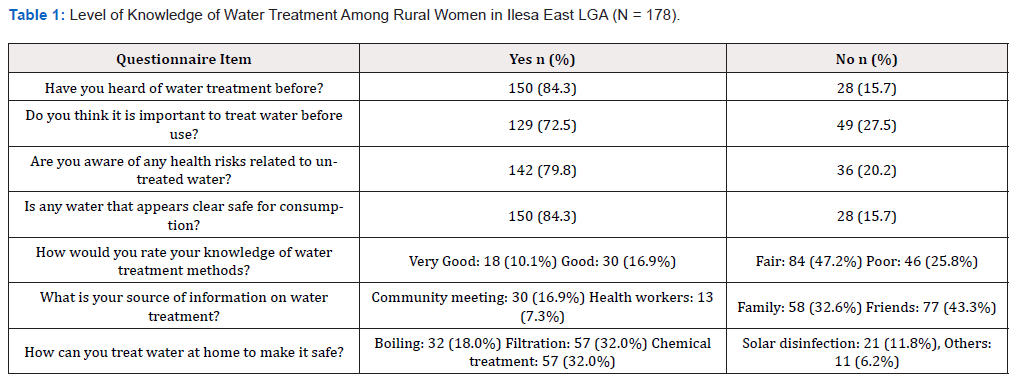
Table 1:Level of Knowledge of Water Treatment Among Rural Women in Ilesa East LGA (N = 178).
A significant proportion (84.3%) of respondents were aware of water treatment, and 72.5% acknowledged its importance before consumption. Furthermore, 79.8% recognised health risks linked to untreated water. However, paradoxically, 84.3% also incorrectly believed that water that appears clear is automatically safe to drink, a dangerous misconception that has direct public health implications, as many pathogenic micro-organisms are invisible to the naked eye. This finding is consistent with Khaliq, et al., (2022), who documented similar misconceptions about water clarity as a safety indicator among women in Karachi, Pakistan, and underscores the critical importance of targeted health literacy programmes that go beyond basic awareness to correct specific misconceptions.
Self-rated knowledge showed that 47.2% of respondents rated their knowledge of water treatment as only “fair,” while a mere 10.1% rated theirs as “very good.” This reflects a significant subjective knowledge deficit, despite relatively high awareness rates. Friends (43.3%) and family (32.6%) were the predominant sources of information, while health workers accounted for only 7.3%, an alarmingly low proportion that reflects the inadequate reach of formal health extension services in the study community. These findings align with Admasie, et al., (2022), who identified limited access to health worker education as a key contributor to knowledge gaps in rural Ethiopian communities, and reinforce the urgent need to strengthen community health worker deployment and WASH education programming in Ilesa East LGA. Regarding specific treatment methods, filtration and chemical treatment were equally recognised (32.0% each), followed by boiling (18.0%) and solar disinfection (11.8%) (Table 2).
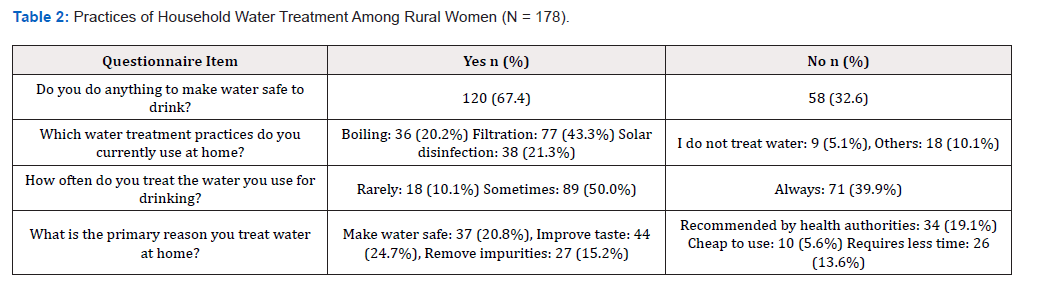
Table 2:Practices of Household Water Treatment Among Rural Women (N = 178).
About 67.4% of respondents reported practising some form of water treatment, while 32.6% did not treat their drinking water at all. Among those who treated water, filtration (43.3%) was the most commonly practised method, followed by solar disinfection (21.3%) and boiling (20.2%). Notably, 5.1% explicitly reported not treating water. The predominance of filtration over boiling in this study contrasts with findings from some Ethiopian studies where boiling predominated [1,16], potentially reflecting local variations in available technologies, cultural preferences, and energy access. Solar disinfection’s relatively higher uptake (21.3%) compared to some comparable studies suggests some community-level penetration of this low-cost technology, which holds promise for scale-up given the tropical climate of Osun State.
A critical finding is that only 39.9% of respondents treated their drinking water consistently (“always”), while 50.0% did so only “sometimes” and 10.1% “rarely.” This 60.1% rate of inconsistent or absent practice among all respondents, including those who are aware of water treatment, powerfully illustrates the knowledgepractice gap and confirms the theoretical predictions of the KAP model. Regarding motivations for treatment, improving taste (24.7%) was the most frequently cited primary reason, followed by making water safe for drinking (20.8%), health authority recommendation (19.1%), and impurity removal (15.2%). The primacy of taste improvement over safety as a motivation is a particularly significant behavioural insight, suggesting that health communication strategies should emphasise both safety and sensory quality benefits to maximise uptake. These findings are consistent with Crider, et al., (2023), who identified taste and smell preferences as important drivers of water treatment behaviour in low-income settings (Table 3).
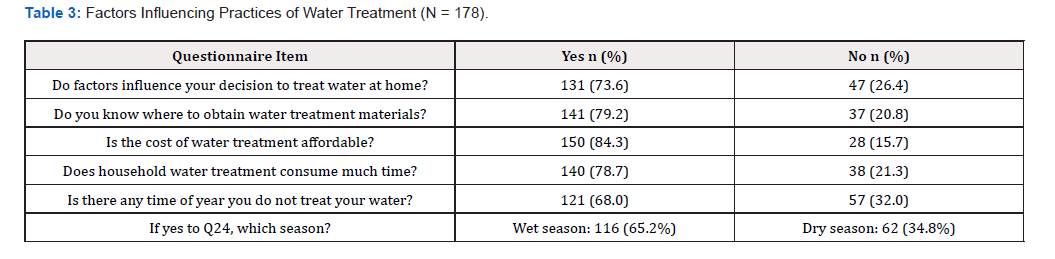
Table 3:Factors Influencing Practices of Water Treatment (N = 178).
A substantial majority (73.6%) acknowledged that specific factors influence their decision to treat water at home. Most respondents (84.3%) perceived water treatment as affordable, and 79.2% knew where to obtain treatment materials, suggesting that material access and cost may be less prohibitive in this community than in some comparable studies [8]. However, 78.7% reported that water treatment consumed considerable time, reflecting the time-poverty characteristic of rural women documented across the African WASH literature [14,25]. This time burden is particularly significant given that 50.0% of respondents were traders and 17.4% housewives, both groups managing multiple concurrent responsibilities.
A notable finding is that 68.0% of respondents reported seasonal variations in water treatment behaviour, with 65.2% specifically discontinuing treatment during the wet season. This counterintuitive finding, treating water less during the rainy season when surface water contamination risk typically increases due to agricultural runoff and flooding, may reflect the widely documented misperception that rainwater and visually turbid water are more dangerous, while the relatively clear appearance of surface water during early wet season rainfall lulls communities into a false sense of security. This seasonal pattern has important implications for the timing and targeting of health communication campaigns and reinforces the need for year-round, not seasonal, water treatment promotion. These findings are partially consistent with those of Das, et al., (2022), who identified indigenous ecological perceptions of water quality as important mediators of water management behaviour in rural communities (Table 4).
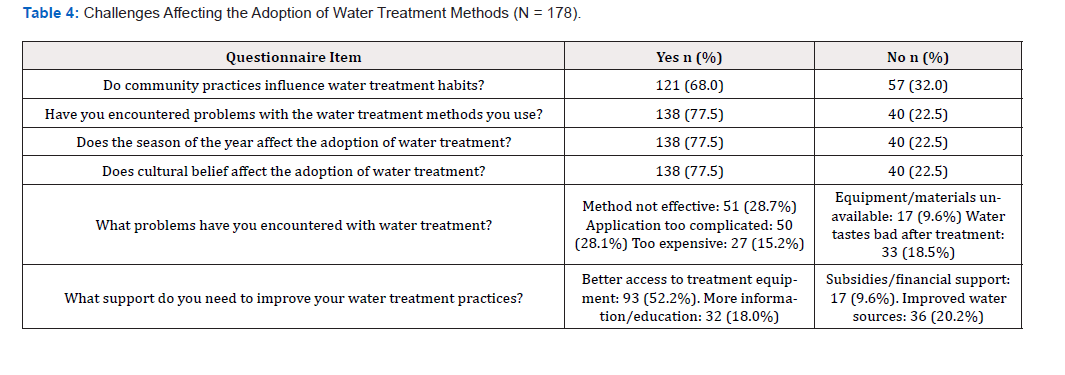
Table 4:Challenges Affecting the Adoption of Water Treatment Methods (N = 178).
The data reveal that challenges to water treatment adoption are widespread and multifaceted. Community practices were identified as influential in water treatment habits by 68.0% of respondents, highlighting the powerful role of social norms and peer influence in shaping individual behaviour. A striking 77.5% reported encountering problems with their water treatment methods, underscoring the inadequacy of current access to effective, user-friendly water treatment technologies in the study community. Equally, 77.5% reported that both seasonal factors and cultural beliefs affected their adoption of water treatment, findings that simultaneously implicate environmental determinism and deeply embedded cultural frameworks in perpetuating inadequate treatment practices.
Among specific problems encountered, perceived ineffectiveness of treatment methods (28.7%) and perceived complexity of application (28.1%) were the most frequently reported barriers, followed by post-treatment taste problems (18.5%) and cost (15.2%). These findings are particularly instructive for programme design: the perception that treatment methods are ineffective, whether or not this reflects actual product failure or unrealistic expectations, points to the need for quality assurance of distributed water treatment products, clear communication of their correct application, and real-time feedback mechanisms for communities to report product concerns. The complexity concern reinforces the need for technologies that are intuitive, culturally familiar, and compatible with existing household practices, consistent with the recommendations of Ajith, et al., (2022) and Crider, et al., (2023).
Regarding support needs, better access to treatment equipment and materials (52.2%) was the most frequently cited priority, followed by improved water sources in the community (20.2%) and more information and education (18.0%). Only 9.6% specifically requested financial subsidies, suggesting that material access rather than affordability per se is the primary barrier in this community, a finding that has direct implications for supply chain and distribution strategies. The strong demand for improved information and education (18.0%) aligns with the identified knowledge deficit and underscores respondents’ own recognition of the importance of health literacy in improving practice. These findings collectively confirm the multi-dimensional nature of the challenge and the necessity of comprehensive, integrated WASH programmes that simultaneously address supply, demand, knowledge, and structural barriers [26,24].
Discussion
Level of Knowledge of Water Treatment
A large majority (84.3%) of respondents had heard of water treatment, and 79.8% were aware of health risks associated with untreated water, findings that are broadly consistent with reported awareness levels in comparable rural communities across sub- Saharan Africa [1,16]. Admasie, et al., (2022) reported similarly high awareness rates among rural women in southern Ethiopia, yet observed that awareness did not translate into consistent practice a pattern replicated with striking accuracy in the current study [1]. However, only 10.1% of respondents rated their knowledge as “very good,” with 47.2% self-rating as only “fair,” revealing a critical qualitative deficit beneath the surface of relatively high awareness indicators [22]. Most alarmingly, 84.3% of respondents incorrectly believed that water which appears visually clear is automatically safe for human consumption, a pervasive and epidemiologically dangerous misconception that has been documented in similar low-income community settings [22,8]. This finding is particularly critical because many waterborne pathogens, including Vibrio cholerae, Salmonella typhi, and Giardia lamblia, are invisible to the naked eye and do not alter water’s appearance, meaning that this misconception directly negates any motivation to treat water that appears clear [16,31]. The dangerous convergence of nominal awareness with fundamental misconceptions about water safety underscores that awareness campaigns alone are wholly insufficient, and that depth-oriented, misconception-targeted health education is urgently needed [26].
Friends (43.3%) and family (32.6%) were identified as the dominant sources of water treatment information, reflecting the pervasive role of informal social networks in shaping health knowledge in rural communities [28,5]. Critically, only 7.3% of respondents cited health workers as a source of water treatment information an alarmingly low proportion that reflects the severely limited reach of formal health extension services in the study community and mirrors deficits documented in rural Ethiopian WASH contexts [1,3]. Admasie, et al., (2022) specifically identified access to health extension worker education as one of the strongest independent predictors of adequate household water treatment knowledge, making the 7.3% figure in the current study a critical programme target [1]. The preponderance of friends and family as information sources simultaneously confirms the influence of social norms on water treatment knowledge and suggests that peer education and community champion models could be highly effective vehicles for knowledge improvement [3,15]. Dutta (2024), in a comparable study of hygiene knowledge among communities in Bangladesh, demonstrated that targeted, community-embedded educational interventions significantly improved both the accuracy and depth of hygiene-related knowledge beyond what informal social transmission could achieve [11]. These findings collectively justify priority investment in deploying and training community health extension workers with specific WASH mandates in Ilesa East LGA, supported by structured community education programmes that explicitly correct documented misconceptions [26,28].
Water Treatment Practices
Filtration (43.3%) was the most commonly practised water treatment method among respondents, followed by solar disinfection (21.3%) and boiling (20.2%), while 5.1% reported no treatment at all [16,8]. The predominance of filtration over boiling in this study marks a notable departure from Ethiopian studies, where boiling consistently emerges as the primary household water treatment method, suggesting context-specific differences in technology availability, cultural preference, and energy access that warrant further investigation [1,16]. The relatively high uptake of solar disinfection (21.3%) is a particularly noteworthy finding that signals some community-level penetration of this low-cost, environmentally sustainable HWT technology [8,3]. The suitability of SODIS for the tropical climate conditions of Osun State, where solar radiation is abundant and consistent throughout most of the year, has been well documented, and this existing uptake provides a strong foundation for scale-up through community-based promotion programmes [3]. The finding that 5.1% of respondents reported no water treatment whatsoever constitutes a direct and preventable public health risk, particularly given the documented contamination levels in the unimproved water sources utilised by a significant proportion of the study community [26,24]. Walekhwa, et al., (2022) from Uganda specifically documented that even water from improved sources routinely fails microbiological safety standards at the point of consumption due to inadequate treatment and storage practices, a finding that emphasises the critical importance of consistent HWT even when water sources appear improved [31,17].
Only 39.9% of respondents treated their drinking water consistently (“always”), while 50.0% did so only “sometimes” and 10.1% “rarely” meaning that 60.1% of all respondents, including many who practise water treatment, do so inconsistently [8,1]. This finding powerfully illustrates the knowledge-practice gap and confirms the theoretical predictions of the KAP model, wherein awareness and even nominal practice do not guarantee the sustained, consistent behaviour required to realise public health benefits [22,21]. Critically, improving taste (24.7%) was the most frequently cited primary motivation for water treatment, outranking making water safe for drinking (20.8%) a finding that reveals the importance of sensory motivations in driving HWT behaviour in this community [8]. Crider, et al., (2023) in their systematic review specifically documented taste and odour preferences as underappreciated but highly influential drivers of water treatment adoption and consistency in low-income settings, particularly for chemical disinfection methods [8,9]. This has direct and actionable implications for health communication strategy: messaging that simultaneously emphasises both the safety benefits and the taste and aesthetic benefits of treated water is likely to achieve significantly higher adoption and consistency rates than safetyonly communication [3,23]. Integrating multi-benefit messaging, including taste, odour, and safety, has been demonstrated to improve treatment adoption in comparable community settings and should be systematically incorporated into water treatment promotion programmes in Ilesa East LGA [8,28].
Factors Influencing Knowledge and Practice
Treatment affordability was perceived positively by 84.3% of respondents, and material availability was reported by 79.2%, suggesting that in this particular community, cost and access, while still important, may be less prohibitive than in some comparable contexts documented in the literature [6]. However, 78.7% of respondents reported that water treatment consumed considerable time, directly implicating the well-documented phenomenon of rural women’s “time poverty” as a structural determinant of inconsistent water treatment practice [14]. Fonjong and Zama (2023) from Cameroon systematically demonstrated that rural women’s multiple concurrent responsibilities, water collection, childcare, food preparation, and agricultural and trading activities, leave minimal time for the labour-intensive demands of water treatment, especially boiling [14,25]. The fact that 50.0% of respondents in this study were traders, a livelihood that demands extended hours outside the household, compounds the time-poverty dynamic and further constrains the frequency with which water treatment can be practised consistently [19]. Educational attainment is a critical structural factor that was not directly measured in this instrument but is strongly implicated through the knowledge differentials observed: across multiple comparable studies, women with higher educational attainment consistently demonstrate superior water treatment knowledge and more consistent practice [1,21]. Gizaw, et al., (2022), in their study of rural northwest Ethiopia, confirmed that educational level was among the strongest independent predictors of consistent household water treatment practice, reinforcing the long-term importance of girls’ education as a structural driver of household health behaviour [16,21].
A striking and epidemiologically significant finding was that 68.0% of respondents reported seasonal variations in their water treatment behaviour, with 65.2% specifically reducing treatment during the wet season, paradoxically, the period of highest waterborne contamination risk [10,32]. This counter-intuitive pattern is consistent with evidence on the role of indigenous ecological knowledge systems in shaping environmental health behaviour, where rainfall is often perceived as a natural purification process that renders water safe without treatment [15]. Das, et al., (2022) specifically documented in their analysis of indigenous ecological knowledge and ecosystem services that local communities often rely on traditional perceptions of water quality, including rainfall-sourced water, that may be ecologically informed but contradict microbiological safety evidence [10]. Zvobgo, et al., (2022), in their structured assessment of indigenous and local knowledge in the African water sector adaptation, found that these knowledge systems, while valuable for many aspects of water management, may create specific safety blind spots where scientific and indigenous frameworks diverge most sharply [32]. Galappaththi and Schlingmann (2023) recommend integrating scientific water safety evidence with existing local knowledge frameworks rather than dismissing indigenous knowledge, as the latter approach has been shown to improve community acceptance and sustain behaviour change [10,15]. Environmental knowledge, attitudes toward sustainable consumption, and policy awareness have also been shown to be systematically linked to household water management decisions, suggesting the importance of comprehensive environmental health literacy programmes alongside specific water treatment [23,30].
Challenges Affecting the Adoption of Water Treatment Methods
Community practices were identified as influential on individual water treatment habits by 68.0% of respondents, underscoring the powerful normative and social dimensions of health behaviour in rural communities where communal norms often exert stronger influence than individual knowledge [24,26]. This finding aligns with social norm theory and has been specifically documented in rural African WASH contexts, where the practice or non-practice of community members functions as a powerful positive or negative cue to action [5,13]. A striking 77.5% of respondents reported having encountered problems with water treatment methods, indicating widespread dissatisfaction with current treatment technologies and processes that directly impede consistent adoption [8,24]. Perceived ineffectiveness (28.7%) and perceived complexity of application (28.1%) were the most commonly reported specific problems, barriers that have been consistently documented across rural African WASH literature as primary drivers of treatment discontinuation [4,24]. Post-treatment taste deterioration was reported by 18.5% of respondents, a finding with particular salience given that improving taste was simultaneously the most frequently cited motivation for treatment (24.7%), creating a direct contradiction between motivation and experience that may explain inconsistent practice [8]. Cultural beliefs were acknowledged by 77.5% as affecting water treatment adoption, a rate reflecting deeply embedded cultural frameworks that require culturally sensitive programme design approaches, rather than purely technical or educational interventions [10,32]. The convergence of cultural, seasonal, structural, and technological barriers observed in this study creates a complex, multi-layered challenge that demands comprehensive, integrated responses combining technology quality improvement, cultural adaptation, and sustained community engagement [12,27].
Better access to water treatment equipment and materials was identified as the highest-priority support need by 52.2% of respondents, a finding that positions supply chain infrastructure as a critical programmatic priority for improving water treatment practice in the study community [2,24]. The primacy of material access over cost as the dominant barrier, evidenced by only 9.6% specifically requesting financial subsidies, suggests that distribution infrastructure and supply chain reliability, rather than price, are the binding constraints in this community, a finding with important programmatic implications [4,6]. Improved water sources in the community were demanded by 20.2% of respondents, confirming that infrastructural investment in source water quality improvement, not only point-of-use treatment promotion, is a necessary component of a comprehensive WASH strategy for Ilesa East LGA [18,19]. The explicit demand for more information and education by 18.0% of respondents is itself a significant finding women’s self-identification of their knowledge deficits demonstrates health literacy motivation that programmes should immediately capitalise upon [3,28]. Dutta (2024) and Sharmin, et al., (2025) both found in Bangladesh that women who recognised and expressed their own knowledge gaps were significantly more receptive to community health education interventions and demonstrated higher post-education practice improvement rates [11,29]. Comprehensive, integrated WASH programmes that simultaneously address supply chain access, health education, cultural competence, and community governance structures are therefore the evidence-based imperative for Ilesa East LGA [26,27]. Future programmes must be explicitly gender-responsive, designed in partnership with rural women themselves, and rooted in community participatory approaches that treat women as agents of change rather than passive beneficiaries of externally designed interventions [2,14].
Conclusion
This study provides original, locally contextualised evidence on the knowledge and practice of household water treatment among rural women in Ilesa East Local Government Area, Osun State, Nigeria. Drawing on field survey data from 178 rural women, the study reveals a substantial and multi-layered knowledge-practice gap with direct implications for household water safety and the burden of waterborne disease in the study community. While 84.3% had nominal awareness of water treatment and 79.8% recognised health risks from untreated water, only 39.9% practised water treatment consistently, and 84.3% held the dangerous misconception that visually clear water is inherently safe, a belief that fundamentally undermines the public health rationale for water treatment [22,8]. The 60.1% rate of inconsistent or absent practice among all respondents confirms the theoretical predictions of the KAP model and the Health Belief Model, wherein awareness alone is insufficient to drive behaviour change in the absence of enabling structural conditions [1,16].
Filtration (43.3%) and solar disinfection (21.3%) were the predominant treatment methods, with important implications for scale-up given the favourable tropical climate conditions of Osun State [3]. Key determinants of practice included time constraints (78.7%), seasonal behavioural patterns driven by indigenous ecological perceptions [10,32], and cultural beliefs (77.5%), all of which interact with structural deficits in water treatment equipment access and health information delivery to sustain inadequate practice. The challenges documented, perceived ineffectiveness (28.7%), application complexity (28.1%), and post-treatment taste deterioration (18.5%), point to the need for improved technology quality, user-centred design, and multi-benefit health communication strategies [8,24]. This study contributes a critically needed evidence base for gender-responsive, context-specific WASH interventions in rural Osun State and offers generalisable insights for comparable communities across south-western Nigeria and the broader West African region. Achieving SDG 6 in this context requires sustained, coordinated action across health, education, infrastructure, and social protection sectors [18,26].
Recommendations
Based on the findings of this study, the following evidencebased recommendations are advanced for policy makers, health programme designers, community health practitioners, and researchers:
For Government and Health Policy Makers
The Osun State Ministry of Health should integrate targeted water treatment education into existing Community Health Extension Worker (CHEW) training curricula, given that only 7.3% of respondents cited health workers as information sources [1,3].
Government should invest in the subsidised community-level distribution of affordable water treatment products, particularly filtration devices and SODIS materials, through established community health and social protection programmes, addressing the 52.2% who cited material access as their primary support need [24,4].
Community Health Practitioners and NGOs
Community health education sessions must explicitly correct the documented misconception that clear water is always safe to drink, held by 84.3% of respondents, using locally adapted, participatory visual demonstration approaches [22,28].
Peer education platforms led by market traders, who constitute 50.0% of the study population, should be established to leverage the dominant role of friends (43.3%) and family (32.6%) as information sources [15,5].
Researchers
Longitudinal studies should assess the sustainability of water treatment behaviour change following community health education interventions in Ilesa East LGA.
Conflicts of interest
None.
Acknowledgments
None.
References
- Amha Admasie, Kefelegn Abera, Fentaw Wassie Feleke (2022) Household water treatment practice and associated factors in rural households of Sodo Zuria District, southern Ethiopia: Community-based cross-sectional study. Environmental Health Insights 16: 11786302221095000.
- Adom R K, Simatele M D (2022) The role of stakeholder engagement in sustainable water resource management in South Africa. Natural Resources Forum 46(4): 410-427.
- Ajith V, Reshma AS, Mohan R, Ramesh M V (2022) Empowering communities in addressing drinking water challenges using a systematic, participatory, and adaptive approach and sustainable PPP model. Technological Forecasting and Social Change 185: 121970.
- Bazaanah P, Mothapo R A (2024) Sustainability of drinking water and sanitation delivery systems in rural communities of the Lepelle Nkumpi Local Municipality, South Africa. Environment, Development and Sustainability 26(6): 14223-14255.
- Boateng K O, Dankyi E, Amponsah I K, Awudzi G K, Amponsah E, et al. (2023) Knowledge, perception, and pesticide application practices among smallholder cocoa farmers in four Ghanaian cocoa-growing regions. Toxicology Reports 10: 46-55.
- Breitenmoser L, Quesada G C, Bassi N, Dkhar N B, Phukan M, et al. (2022) Perceived drivers and barriers in the governance of wastewater treatment and reuse in India: Insights from a two-round Delphi study. Resources, Conservation and Recycling 182: 106285.
- Calderón Villarreal A, Schweitzer R, Kayser G (2022) Social and geographic inequalities in water, sanitation, and hygiene access in 21 refugee camps and settlements in Bangladesh, Kenya, Uganda, South Sudan, and Zimbabwe. International Journal for Equity in Health 21(1): 27.
- Yoshika S Crider, Miki Tsuchiya, Magnifique Mukundwa, Isha Ray, Amy J Pickering, et al. (2023) Adoption of point-of-use chlorination for household drinking water treatment: A systematic review. Environmental Health Perspectives 131(1): 16001.
- Dare A, Mohtar R H (2022) Farmer perceptions regarding irrigation with treated wastewater in the West Bank, Tunisia, and Qatar. In Wicked Problems of Water Quality Governance 241-252.
- Manob Das, Arijit Das, Selim Seikh, Rajiv Pandey (2022) Nexus between indigenous ecological knowledge and ecosystem services: A socio-ecological analysis for sustainable ecosystem management. Environmental Science and Pollution Research 29(41): 61561-61578.
- Dutta S (2024) Knowledge & practice about personal hygiene among primary school students in rural Chattogram, Bangladesh. Dinkum Journal of Medical Innovations 3(2): 72-88.
- Ejairu U, Aderamo A T, Olisakwe H C, Esiri A E, Adanma U M, et al. (2024) Eco-friendly wastewater treatment technologies (concept): Conceptualizing advanced, sustainable wastewater treatment designs for industrial and municipal applications. Comprehensive Research and Reviews in Engineering and Technology 2(1): 083-104.
- Mastewal Endalew, Mulat Gebrehiwot, Awrajaw Dessie (2022) Pesticide use knowledge, attitude, practices, and associated factors among floriculture workers in Bahirdar City, North West, Ethiopia, 2020. Environmental Health Insights 16: 11786302221076200.
- Fonjong L, Zama R N (2023) Climate change, water availability, and the burden of rural women's triple role in Muyuka, Cameroon. Global Environmental Change 82: 102709.
- Galappaththi E K, Schlingmann A (2023) The sustainability assessment of indigenous and local knowledge-based climate adaptation responses in agricultural and aquatic food systems. Current Opinion in Environmental Sustainability 62: 101276.
- Gizaw Z, Gebrehiwot M, Destaw B, Nigusie A (2022) Access to basic drinking water services, safe water storage, and household water treatment practices in rural communities of northwest Ethiopia. Scientific Reports 12(1): 20623.
- Sunil Tulshiram Hajare, Yeinewub Chekol, Nitin Mahendra Chauhan (2022) Assessment of prevalence of Giardia lamblia infection and its associated factors among government elementary school children from Sidama zone, SNNPR, Ethiopia. PLoS ONE 17(3): e0264812.
- Hasan N, Pushpalatha R, Manivasagam V S, Arlikatti S, Cibin R, et al. (2023) Global sustainable water management: A systematic qualitative review. Water Resources Management 37(13): 5255-5272.
- Iyiola A O, Kolawole A S, Ajayi F O, Ogidi O I, Ogwu M C, et al. (2024) Sustainable water use and management for agricultural transformation in Africa. In Water Resources Management for Rural Development 287-300.
- Shubham Jain, Aman Srivastava, Leena Khadke, Uday Chatterjee, Ahmed Elbeltagi, et al. (2024) Global-scale water security and desertification management amidst climate change. Environmental Science and Pollution Research 31(49): 58720-58744.
- Khan M S, Paul S K (2023) Sanitation-hygiene knowledge, practices, and human health impacts: Insights from coastal Bangladesh. Geosfera Indonesia 8(2): 133-151.
- Asif Khaliq, Amreen, Nazia Jameel, Stefanie J Krauth (2022) Knowledge and practices on the prevention and management of diarrhea in children under-2 years among women dwelling in urban slums of Karachi, Pakistan. Maternal and Child Health Journal 26(7): 1442-1452.
- Kherazi FZ, Sun D, Sohu J M, Junejo I, Naveed H M, et al. (2024) The role of environmental knowledge, policies, and regulations toward water resource management: A mediated-moderation of attitudes, perception, and sustainable consumption patterns. Sustainable Development 32(5): 5719-5741.
- Murei A, Mogane B, Mothiba D P, Mochware O T W, Sekgobela J M, et al. (2022) Barriers to water and sanitation safety plans in rural areas of South Africa—a case study in the Vhembe District, Limpopo Province. Water 14(8): 1244.
- Nyahunda L, Tirivangasi H M (2022) Adaptation strategies employed by rural women in the face of climate change impacts in Vhembe District, Limpopo Province, South Africa. Management of Environmental Quality: An International Journal 33(4): 1061-1075.
- Olalekan John Okesanya, Gilbert Eshun, Bonaventure Michael Ukoaka, Emery Manirambona, Olaleke Noah Olabode, et al. (2024) Water, sanitation, and hygiene (WASH) practices in Africa: Exploring the effects on public health and sustainable development plans. Tropical Medicine and Health 52(1): 68.
- Ejovwokeoghene Joseph Omohwovo (2024) Wastewater management in Africa: Challenges and recommendations. Environmental Health Insights 18: 11786302241289600.
- Prajapati C S, Priya N K, Bishnoi S, Vishwakarma S K, Buvaneswari K, et al. (2025) The role of participatory approaches in modern agricultural extension: Bridging knowledge gaps for sustainable farming practices. Journal of Experimental Agriculture International 47(2): 204-222.
- Sharmin Z, Mumu K F, Tura F A, Huda S M A, Dutta S, et al. (2025). Influence of food hygiene practices on diarrheal incidence among children of working mothers in Gazipur District, Bangladesh. Asia Pacific Journal of Surgical Advances 2(1): 63-71.
- Sikka A K, Alam M F, Mandave V (2022) Agricultural water management practices to improve the climate resilience of irrigated agriculture in India. Irrigation and Drainage 71: 7-26.
- Abel Wilson Walekhwa, Moses Ntaro, Peter Kawungezi, Evas Nimusiima, Chiara Achangwa (2022) Water quality of improved water sources and associated factors in Kibuku District, Eastern Uganda. Sustainable Water Resources Management 8(2): 50.
- Zvobgo L, Johnston P, Williams P A, Trisos C H, Simpson N P, et al. (2022) The role of indigenous knowledge and local knowledge in water sector adaptation to climate change in Africa: A structured assessment. Sustainability Science 17(5): 2077-2092.




 We use cookies to ensure you get the best experience on our website.