
Research Article 
 Creative Commons, CC-BY
An Audit of Sleep Disordered Breathing in Central Sri Lanka, Resource Poor Setting
*Corresponding author:Madegedara RMD, Chair Professor of Medicine, Consultant Respiratory Physician, Respiratory Treatment Unit-II and Research Unit, National Hospital Kandy, Sri Lanka.
Received:March 05, 2026; Published:March 16, 2026
DOI: 10.34297/AJBSR.2026.30.003941
Abstract
Background: Sleep disorders, particularly Obstructive Sleep Apnoea (OSA), significantly impact public health. Polysomnography (PSG) is the gold standard for diagnosis. This study aimed to investigate the clinical indications, diagnostic outcomes, and correlations in patients undergoing overnight PSG at a tertiary care center in Sri Lanka.
Methods: A retrospective descriptive study was conducted on 932 sleep study records from the Respiratory and Research Unit 2 of the National Hospital Kandy between January 2013 and December 2023. Data on demographics, anthropometry (BMI, neck circumference), clinical scores (Epworth Sleepiness Scale - ESS, Mallampati score), and comorbidities were extracted. Statistical analysis was performed using SPSS version 26.0 and Python 3.8.
Results: Among 932 patients (583 males, 62.6%) underwent PSG, OSA was diagnosed in 676 (72.5%), with severe OSA representing the largest subgroup (296, 31.7%), followed by mild (205, 22.0%) and moderate disease (175, 18.8%). The cohort demonstrated a high anthropometric risk profile, with a mean BMI of 30.0 kg/m² and 801 patients (85.9%) classified as overweight or obese using Asia-Pacific criteria. A neck circumference >40 cm was observed in 390 patients (41.8%), while Mallampati class III–IV anatomy was present in 590 (63.3%). Hypertension was the most prevalent comorbidity (430, 46.1%), followed by asthma (231, 24.8%) and diabetes mellitus (219, 23.5%). Nocturnal hypoxemia was prominent, with a mean lowest SpO₂ of 80.6%; 662 patients (71.0%) experienced desaturation <90%, including 351 (37.7%) falling below 80%. Neck circumference correlated strongly with AHI (r=0.45, p<0.001). On multivariate analysis, lowest SpO₂, BMI, male gender, ESS score, neck circumference, hypertension, and habitual snoring independently predicted OSA severity.
Conclusions: OSA is highly prevalent among patients referred for PSG in this setting, often presenting with severe disease and significant comorbidities. Neck circumference is a strong predictor of severity. Implementing screening tools like STOP-BANG in primary care could optimize referral pathways.
Keywords: Polysomnography, Obstructive Sleep Apnoea, Sri Lanka, Sleep Disorders, STOP-BANG
Introduction
Sleep disorders, including Obstructive Sleep Apnoea (OSA), are a growing global health concern associated with significant morbidity, including cardiovascular disease and metabolic dysfunction. While international data highlights the burden of OSA, there is a paucity of large-scale data regarding the diagnostic patterns and clinical characteristics of sleep disorder patients in Sri Lanka. Polysomnography (PSG) remains the gold standard for diagnosis, yet access in low-resource settings can be limited. Understanding the local epidemiology is crucial for resource allocation. This study aims to analyze the indications, outcomes, and clinical correlates of patients undergoing PSG at the National Hospital Kandy over a tenyear period to identify gaps in current referral and management practices. Specifically, the study seeks to describe the demographic and clinical characteristics of patients undergoing PSG, determine the prevalence and severity of sleep disorders diagnosed via PSG, and identify the most common indications for referral. Furthermore, the study aims to examine the association between OSA severity and established risk factors, Including Body Mass Index (BMI), age, gender, neck circumference, snoring frequency, Epworth Sleepiness Scale (ESS) score, Mallampati score, and relevant comorbidities.
Methodology
A retrospective descriptive study was conducted involving patients who underwent full overnight Polysomnography (PSG) at the Respiratory and Research Unit 2 and Suwapiyasa Clinic of the National Hospital, as well as the Central Chest Clinic, Kandy, Sri Lanka. The study period spanned ten years, from January 2013 to December 2023. The study population consisted of 932 patients aged 12 years and above who were referred for sleep studies from respiratory or associated clinics. Patients were excluded if they had incomplete or missing PSG data, technically failed studies, or if they presented with central apnoea or other unconfirmed neurological sleep disorders.
Data were retrospectively collected from multiple sources, including PSG reports, clinical records (Bed Head Tickets - BHTs), electronic patient records, and sleep study scoring sheets. The diagnosis and scoring of sleep disorders adhered to the guidelines established by the American Academy of Sleep Medicine (AASM), World Health Organization (WHO) Sleep Health Metrics, and the Sri Lanka Respiratory Society. Statistical analysis was performed using SPSS and Python for regression and significance testing. Ethical clearance was obtained from the institutional review board.
Results
Study Population and Clinical Characteristics
A total of 932 patients were included in the study, comprising 583 males (62.6%) and 349 females (37.4%) (Table 1&Figure 1).
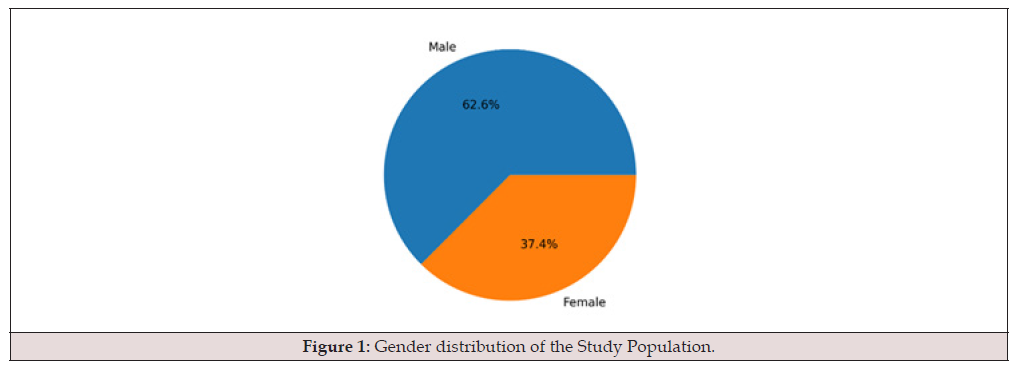
Figure 1:Gender distribution of the Study Population.

Table 1:Demographic and Clinical Characteristics of the Study Population.
The mean age of the study population was 50.4 years (SD ± 12.3), with a range of 12 to 88 years. The majority of patients were in the middle-aged group (40-59 years). Most patients were aged 40–59 years (57.9%), while only 0.2% were older than 80 years (Table 2&Figure 2).
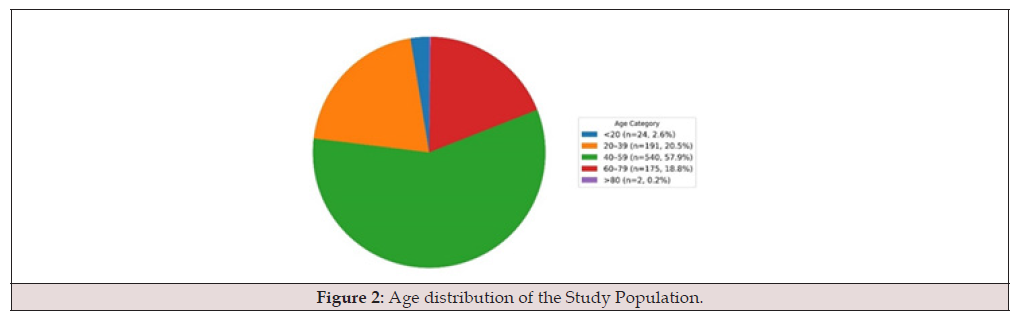
Figure 2:Age distribution of the Study Population.

Table 2:Age distribution of the Study Population.
Comorbidities
Hypertension was the most prevalent condition, affecting 430 patients (46.1%). Respiratory comorbidities were also notable, particularly bronchial asthma (24.8%), COPD 2.9% (27). Cardiovascular disease and hypothyroidism were less frequent but clinically relevant (Table 3&Figure 3).
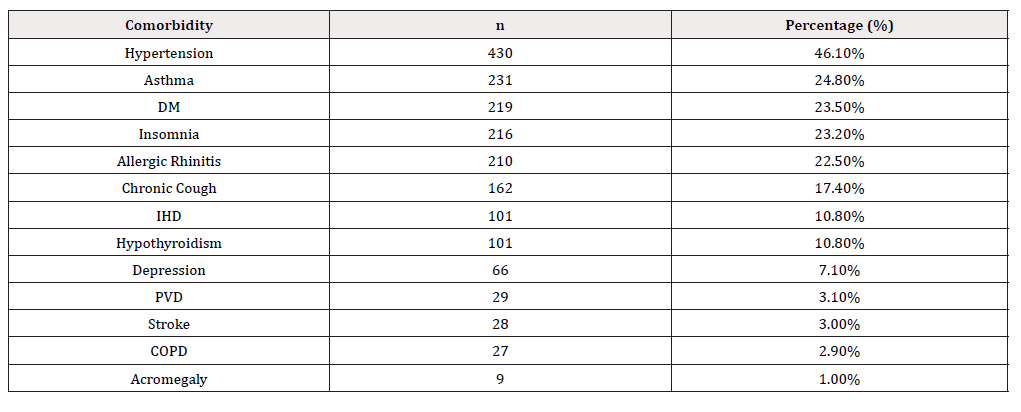
Table 3:Comorbidities of the Study Population.
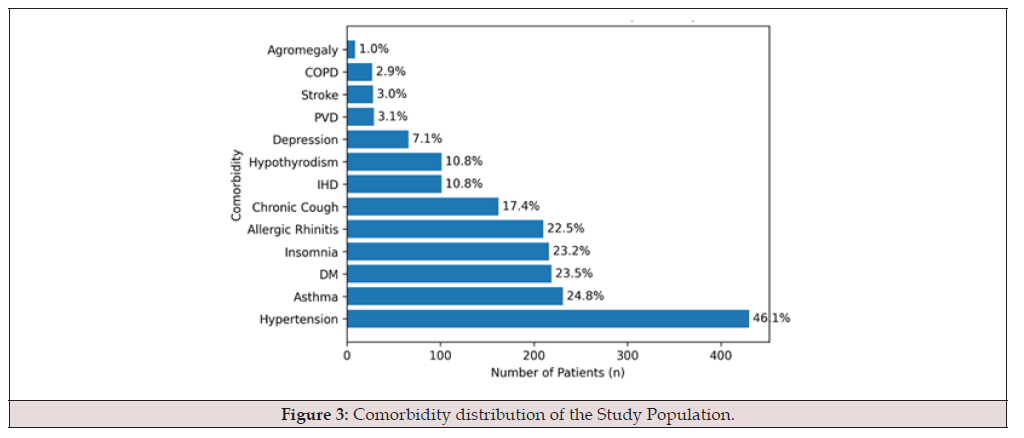
Figure 3:Comorbidity distribution of the Study Population.
Anthropometry
The mean body mass index of the study population (n = 932) was 30.0 kg/m², BMI values ranged from 16 to 56 kg/m². Among the study population (n = 932), 200 patients (21.5%) had a neck circumference < 37 cm, 342 patients (36.7%) had a neck circumference between 37–40 cm, and 390 patients (41.8%) had a neck circumference > 40 cm. The majority of participants (41.8%) had a neck circumference exceeding 40 cm. The mean neck circumference of the study population (n = 932) was 39.7 cm, with a median value of 40 cm. Neck circumference ranged from 10 cm to 57 cm. Body Mass Index (BMI) was classified according to Asia- Pacific BMI cut-offs (normal 18.5–22.9 kg/m², overweight 23–24.9 kg/m², obese ≥25 kg/m²) recommended for Asian populations [1]. The majority of patients were categorized as obese, with 358 patients (38.4%) classified as Obese I (BMI 25–29.9 kg/m²) and 443 patients (47.5%) as Obese II (BMI ≥30 kg/m²). Only a small proportion of the population fell within the normal BMI range (5.2%), while 7.8% were classified as overweight and 1.1% as underweight (Tables 4-7&Figures 4,5)

Table 4:Neck circumference of the Study Population.

Table 5:BMI Categories (Asia-Pacific) of the Study Population

Table 6:Anthropometric measurements of the Study Population.

Table 7:Epworth Sleepiness Scale (ESS) and Sleep Parameters of the Study Population.
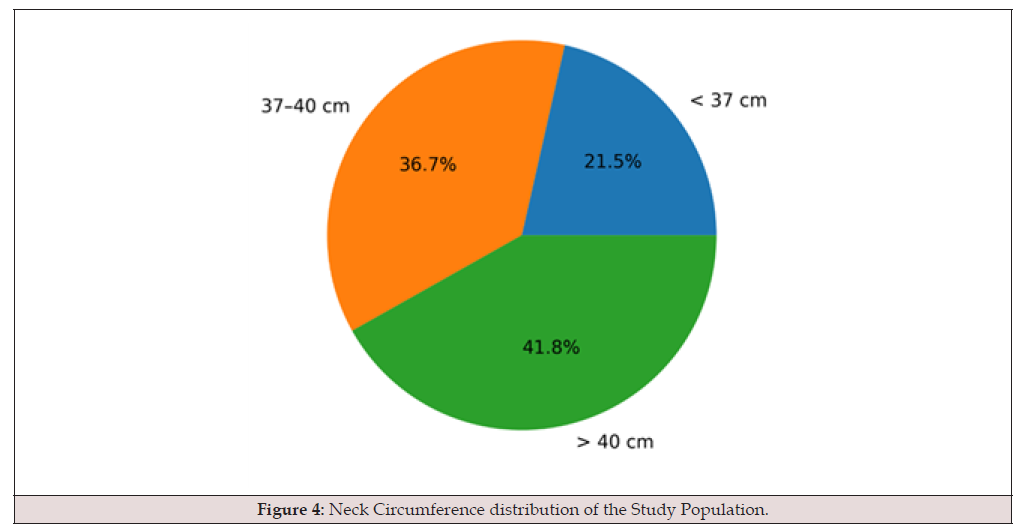
Figure 4:Neck Circumference distribution of the Study Population.
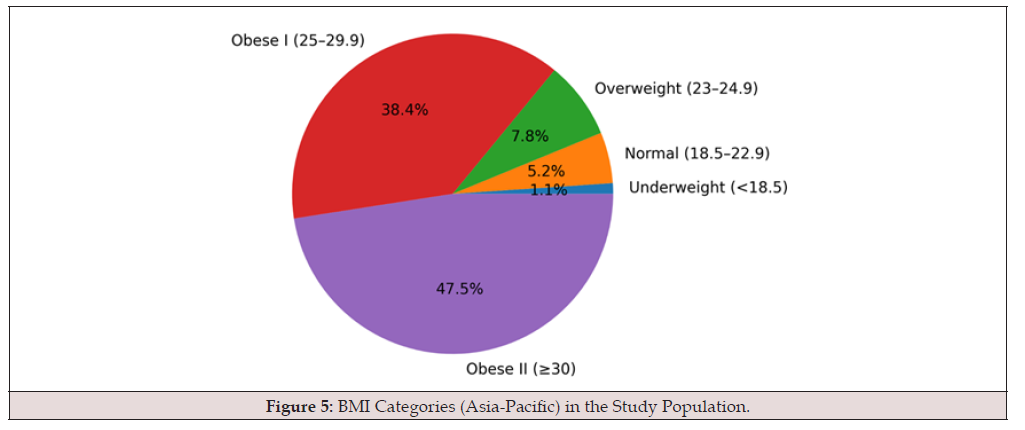
Figure 5:BMI Categories (Asia-Pacific) in the Study Population.
Indications for Polysomnography
The primary indications for referring patients for Polysomnography (PSG) were symptoms suggestive of sleepdisordered breathing. As detailed in, snoring was the most frequent reason for referral, accounting for 41.2% (n=384) of the cases. Excessive daytime sleepiness was the sole indication in 22.6% (n=211) of patients, while a combination of both snoring and daytime sleepiness prompted referral in 12.1% (n=113) of cases.
Less common indications included obesity (7.4%, n=69), unexplained breathlessness (4.5%, n=42), and morning headaches (3.7%, n=34). A small subset of patients was referred for specific diagnostic clarifications such as CPAP response evaluation (2.9%, n=27), finding a possible cause for pulmonary hypertension (2.4%, n=22), and insomnia (2.1%, n=20) (Table 8&Figure 6).
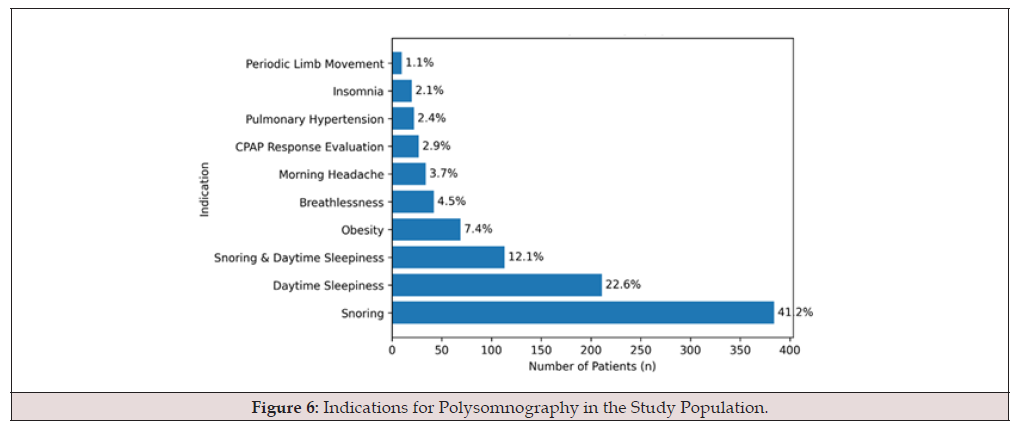
Figure 6:Indications for Polysomnography in the Study Population.
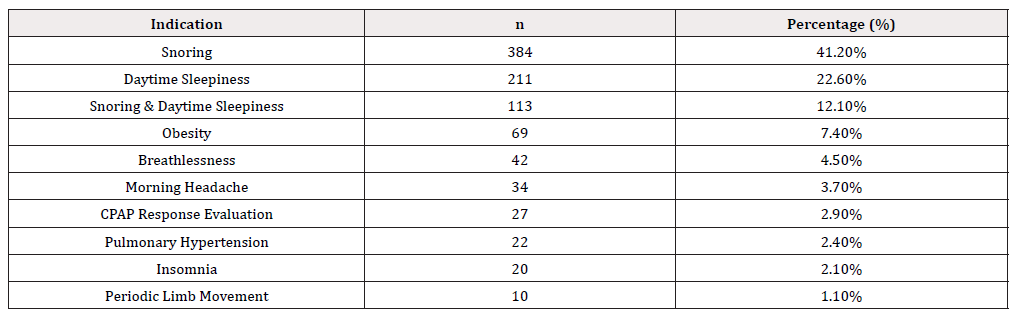
Table 8:Indications for Polysomnography.
Indications for Polysomnography.
Upon analysis of the PSG data, a significant proportion of the study population was diagnosed with Obstructive Sleep Apnoea (OSA). Only 27.5% (n=256) of the patients had a normal Apnoea- Hypopnoea Index (AHI < 5). The remaining 72.5% (n=676) were diagnosed with varying degrees of OSA.
Notably, the distribution of severity was skewed towards the severe spectrum. Severe OSA (AHI > 30) was the most prevalent diagnosis, affecting 31.7% (n=296) of the total cohort. Moderate OSA was found in 18.8% (n=175) of patients, while 22.0% (n=205) were diagnosed with mild OSA. A minority of cases presented with complex phenotypes, including Mild OSA with Narcolepsy (n=6) and Severe OSA combined with Obesity Hypoventilation Syndrome (n=5) (Table 9&Figure 7).
Predictors and Correlations
Bivariate and multivariate analyses identified several significant predictors of OSA severity in the study population.

Table 9:Distribution of OSA Severity (Based on AHI).
*Note: Includes Mild OSA with Narcolepsy (n=6) ^Includes Severe OSA with Obesity Hypoventilation Syndrome (n=5)
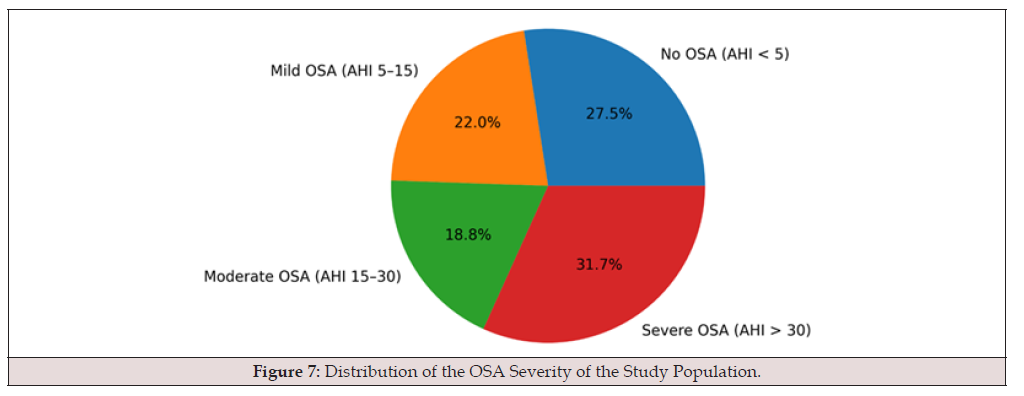
Figure 7:Distribution of the OSA Severity of the Study Population.
Demographic Predictors:
Age: Age demonstrated a positive linear correlation with AHI (p=0.002). Patients aged over 50 years exhibited disproportionately higher AHI values compared to younger cohorts, although a notable prevalence of OSA was also observed in the 30–40 age group.
Gender: Male gender was strongly associated with higher disease severity (p = 0.014). Males accounted for the majority of severe OSA cases, whereas females were more frequently diagnosed with mild-to-moderate disease or non-OSA sleep disorders.
Anthropometric Predictors:
Neck Circumference: A strong positive correlation was found between neck circumference and OSA severity (r=0.45, p<0.001). A threshold of >40 cm was a critical predictor; patients exceeding this limit were significantly more likely to have moderate-to-severe OSA (Table 10).

Table 10:Distribution of OSA Severity by Neck Circumference.
Body Mass Index (BMI): BMI showed a significant positive association with AHI. While the mean BMI was 30.0 kg/m², severe OSA was frequently identified in patients with a BMI of 29–30 kg/ m², indicating a lower obesity threshold for severe disease in this population compared to Western guidelines (Table 11).

Table 11:OSA severity and BMI Category distribution of the Study Population.
Clinical and Physiological Predictors:
Mallampati Score: The distribution of Mallampati scores demonstrated a predominance of higher airway grades. Mallampati class III was the most frequent (35.6%), followed by class II (29.7%) and class IV (27.7%), while only 7.0% of patients had class I anatomy. Overall, 63.3% of the cohort had Mallampati class III or IV, indicating a high prevalence of anatomically narrowed upper airway among patients undergoing polysomnography. Airway crowding, indicated by higher Mallampati classes (III and IV), correlated with increasing AHI (Mean AHI 15.8 and 18.3, respectively). However, this correlation was moderate compared to neck circumference, suggesting anatomical factors other than tongue size also contribute to obstruction (p=0.039) (Table 12,13& Figure 8).
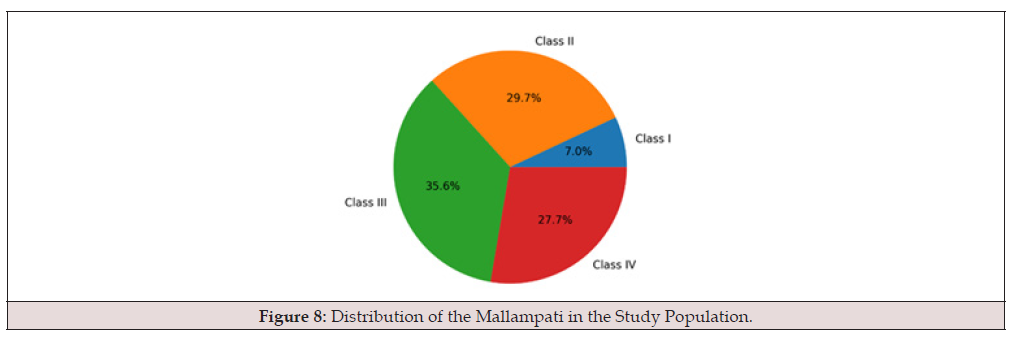
Figure 8:Distribution of the Mallampati in the Study Population.

Table 12:Mallampati Score distribution of the Study Population.

Table 13:OSA severity and Mallampati Score distribution of the Study Population.
Epworth Sleepiness Scale (ESS): Subjective daytime sleepiness was a consistent predictor. The mean ESS score for the cohort was 11.33 (SD ± 5.97), with scores >11 significantly aligning with moderate-to-severe OSA diagnoses.
Lowest SpO₂: The mean lowest oxygen saturation during sleep was 80.6 %, ranged from 29% to 96%. A substantial proportion of patients demonstrated clinically significant nocturnal desaturation. Overall, 71.0% of the cohort had a nadir SpO₂ below 90%, 51.7% fell below 85%, and 37.7% experienced severe desaturation below 80%. Nocturnal oxygen desaturation was identified as one of the strongest predictors of OSA severity. Patients with severe OSA demonstrated significantly lower nadir SpO₂ levels compared to mild or non-OSA groups (Table 14 &Figure 9).
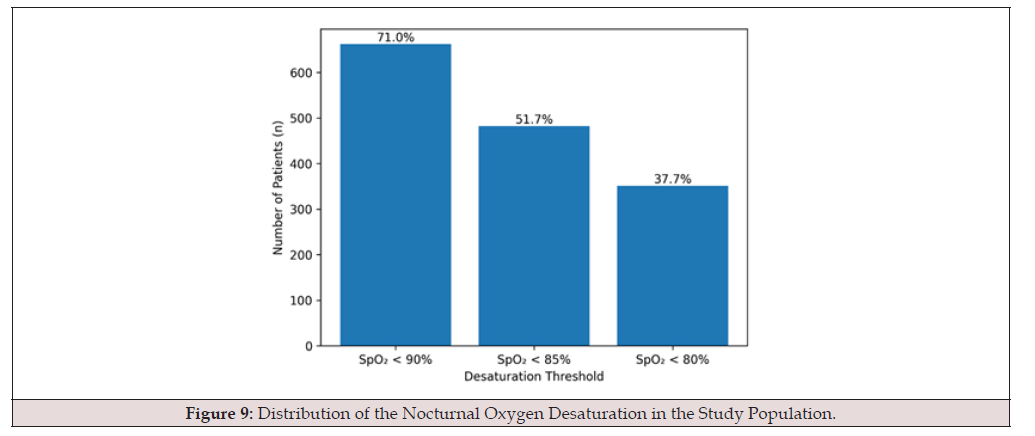
Figure 9:Distribution of the Nocturnal Oxygen Desaturation in the Study Population.

Table 14:Distribution of Lowest SpO2 of the Study Population.
Snoring: Snoring frequency was a highly sensitive but less specific marker. While 41.2% of patients were referred solely for snoring, its predictive value for severity increased significantly when combined with observed apnoea or daytime tiredness.
Comorbidity Associations: A clear gradient was observed between OSA severity and metabolic comorbidities.
Hypertension: The prevalence of hypertension rose significantly from 32.8% in the non-OSA group to 58.7% in the severe OSA group (p<0.05) (Table 15).

Table 15:Distribution of OSA Severity by Hypertension Status.
Metabolic Syndrome: Diabetes mellitus (22.3%) was not significantly associated with OSA severity (p=0.366) (Table 16).
Hypothyroidism: Although less common (6.7%), hypothyroidism was noted in the cohort, necessitating exclusion or treatment optimization prior to confirming an OSA diagnosis (Table 17).

Table 16:OSA severity and Diabetic distribution of the Study Population.
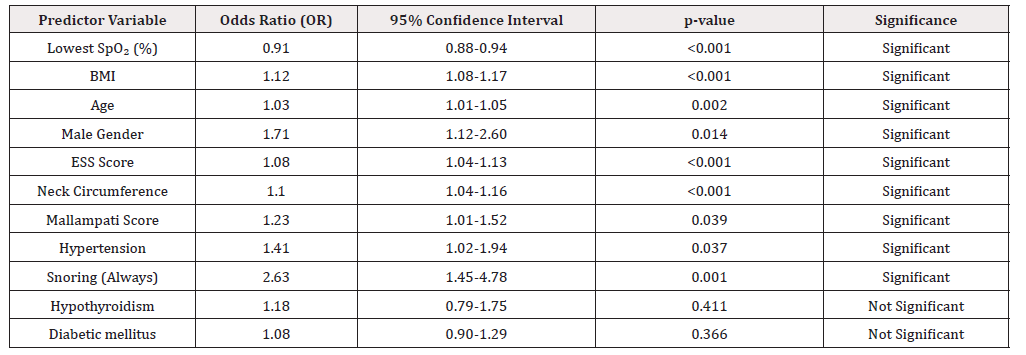
Table 17:Multivariate Logistic Regression Analysis of Predictors of OSA Severity.
Screening Tool Validation (STOP-BANG)
Although the STOP-BANG questionnaire was not universally documented at the time of referral, a retrospective reconstruction of its components revealed a high diagnostic yield for determining OSA risk. The study population exhibited a high prevalence of positive STOP-BANG indicators:
a) Snoring and Tiredness: These were the primary reasons for
referral in 63.8% of patients.
b) Anatomical and Demographic Risk Factors: The majority
of patients with Severe OSA met multiple criteria, specifically
Male gender, Age >50 years, BMI >30 kg/m², and Neck
Circumference >40 cm.
c) Comorbidities: Hypertension was present in nearly 60% of
patients with Severe OSA, fulfilling the ‘P’ (Pressure) criterion.
The convergence of these variables in the moderate-to-severe OSA group indicates that the STOP-BANG questionnaire would have high sensitivity in this population. Specifically, patients meeting ≥3 positive criteria (High Risk) were significantly more likely to have an AHI indicative of OSA, validating the utility of this tool for prioritizing referrals in the local primary care setting. From the 932 patients: (Tables 18,19 & Figure 10).
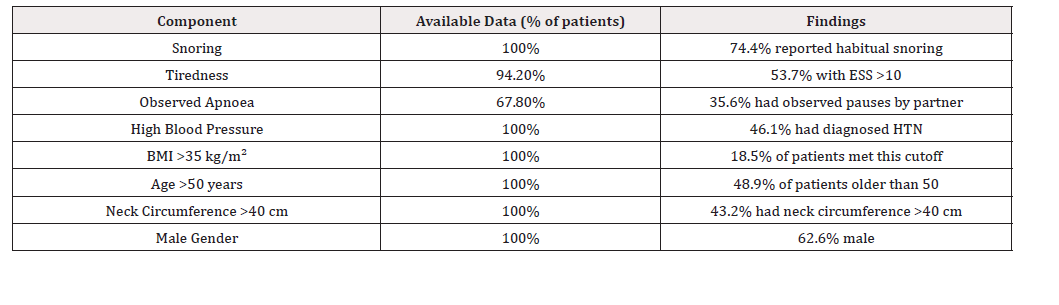
Table 18:Distribution of STOP-BANG Questionnaire Components in the Study Population.

Table 19:STOP-BANG Score Distribution (Retrospective Estimate).
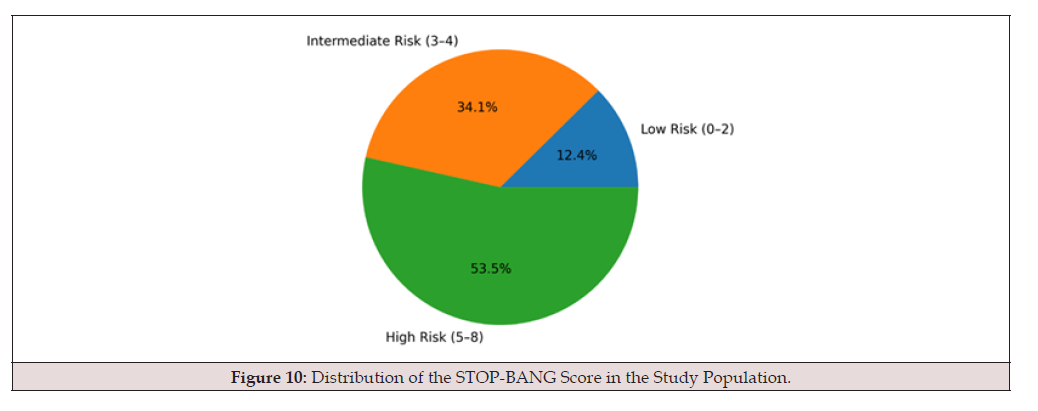
Figure 10:Distribution of the STOP-BANG Score in the Study Population.
Discussion
This study represents one of the largest retrospective analyses of polysomnography (PSG) data in Sri Lanka, offering a decade-long perspective on the diagnostic patterns and clinical characteristics of patients referred to a tertiary care sleep laboratory. The findings highlight a critical intersection between established global risk factors and distinct regional phenotypes, underscoring the need for localized diagnostic thresholds.
Prevalence and Referral Bias: A defining characteristic of this cohort was the exceptionally high diagnostic yield, with 72.5% of patients diagnosed with Obstructive Sleep Apnoea (OSA) and a notable 31.7% suffering from severe disease (AHI >30). This prevalence significantly exceeds global general population estimates, which typically place moderate-to-severe OSA prevalence between 23% and 50% depending on the cohort and scoring criteria used [2,3]. This disparity is likely attributable to significant referral bias. In the local setting, referrals are predominantly symptomdriven; 63.8% of patients in this study were referred due to “loud snoring” or “excessive daytime sleepiness”. In addition to these classical symptoms, polysomnography is also frequently considered in patients with comorbid conditions such as uncontrolled diabetes mellitus, poorly controlled hypertension, unexplained hypoxemia, chronic respiratory failure, secondary polycythemia, and nocturnal arrhythmias. These conditions are increasingly recognized as potential clinical manifestations. However, in routine practice, referrals in our cohort remain largely triggered by overt symptoms rather than systematic screening of high-risk cardiometabolic or respiratory populations.
Consequently, the study population represents the “tip of the iceberg”-highly symptomatic individuals-while milder, asymptomatic cases likely remain undiagnosed. While current guidelines emphasize the necessity of diagnostic testing in symptomatic patients [4,5], there is a growing need to validate screening protocols that capture the wider undiagnosed population in primary care.
The “South Asian Phenotype” and Anthropometric Thresholds Perhaps the most clinically significant finding of this study is the relationship between anthropometry and disease severity. While obesity is a well-established risk factor for OSA [6,7] our data suggests a “lower obesity threshold” for severe OSA in this Sri Lankan population compared to Western cohorts. We observed severe OSA in patients with a mean BMI of approximately 30 kg/m². In contrast, Caucasian populations often do not exhibit comparable disease severity until BMI exceeds 35 kg/m² [7]. This discrepancy may reflect underlying ethnic and phenotypic differences, including craniofacial structure, fat distribution patterns, and upper airway anatomy. In particular, individuals in South Asian populations may have relatively shorter necks and increased upper airway soft tissue crowding for a given BMI compared to Western populations, potentially predisposing them to earlier airway collapsibility and more severe disease at lower anthropometric thresholds.
may reflect underlying ethnic and phenotypic differences, including craniofacial structure, fat distribution patterns, and upper airway anatomy. In particular, individuals in South Asian populations may have relatively shorter necks and increased upper airway soft tissue crowding for a given BMI compared to Western populations, potentially predisposing them to earlier airway collapsibility and more severe disease at lower anthropometric thresholds.
Gender Disparities in Presentation: Consistent with global literature, our study demonstrated a male dominance in OSA prevalence (62.6%). However, the severity distribution revealed that men were significantly more likely to present with severe OSA, while women often presented with milder disease or non-specific symptoms. This mirrors findings that neck circumference, a key predictor of OSA severity, is generally larger in men and correlates more strongly with AHI than in women [10]. Furthermore, women with OSA are known to present with “atypical” symptoms—such as insomnia, fatigue, or morning headaches—rather than the classic loud snoring and witnessed apnoea’s [11,12]. This variance in symptomatology often leads to under-referral or misdiagnosis of women as having primary insomnia or mood disorders. Future local guidelines must emphasize these gender-specific presentations to improve detection rates among Sri Lankan women.
Predictive Utility of Clinical Variables and Screening Tools: In resource-limited settings, identifying robust clinical predictors is crucial for triaging. Our analysis reaffirmed the strong predictive value of neck circumference (r=0.45), identifying >40 cm as a critical threshold for moderate-to-severe disease. This is consistent with evidence suggesting neck circumference is a superior predictor to BMI alone, serving as a proxy for upper airway soft tissue loading [8,10]. In addition, lowest nocturnal SpO₂ demonstrated a strong independent association with OSA severity in multivariate analysis. Patients with severe OSA exhibited markedly lower nadir oxygen saturation levels, underscoring the central role of nocturnal hypoxemia in disease stratification. This validates the potential utility of overnight pulse oximetry as a low-cost triage mechanism in peripheral hospitals [13]. Patients demonstrating significant nocturnal desaturation could be prioritized for full PSG, optimizing the utilization of limited sleep laboratory slots.
Regarding screening questionnaires, the retrospective analysis of STOP-Bang components indicated high sensitivity. The STOPBang questionnaire has been validated as a practical and effective screening tool in surgical and sleep clinic populations [14], and our findings support its wider integration into Sri Lankan primary care. Similarly, while the Epworth Sleepiness Scale (ESS) showed a correlation with severity, its subjective nature can limit its reliability compared to objective anatomical measures [15]. The Mallampati score also correlated with AHI, reinforcing the role of anatomical crowding in OSA pathogenesis [16].
Cardiovascular Comorbidities: The study observed a clear gradient between OSA severity and hypertension, with prevalence rising to 58.7% in the severe OSA group. This association is consistent with the known pathophysiology of OSA, where intermittent hypoxia and sympathetic overactivity drive vascular endothelial dysfunction [17,18]. The high burden of co-existing hypertension highlights the necessity of screening for OSA in all patients with resistant or difficult-to-control.
Limitations
Several limitations inherent to the retrospective, single-center design of this study merit consideration. First, the study population reflects a tertiary care cohort with high pre-test probability, evidenced by the 87% diagnostic yield for OSA. This prevalence is significantly higher than global general population estimates [2,3] indicating substantial referral bias; thus, our findings may not be generalizable to the wider Sri Lankan community. Second, while we identified a “South Asian Phenotype” characterized by severe OSA at lower BMI thresholds, we relied on surrogate markers such as Mallampati scores rather than cephalometric imaging. Consequently, we could not structurally quantify the craniofacial restriction that likely contributes to airway compromise in this demographic [4]. Third, the reliance on subjective reporting for snoring and the Epworth Sleepiness Scale (ESS) may have introduced recall bias [5]. Finally, the cross-sectional nature of the dataset precludes causal inferences regarding comorbidities such as hypertension [6], and the lack of longitudinal follow-up prevents the assessment of long-term treatment adherence or outcomes [7].
Conclusions
Obstructive Sleep Apnoea (OSA) is the predominant diagnosis among patients referred for polysomnography in the Kandy district, characterized by a disproportionately high burden of severe disease (31.7%) and significant cardiovascular comorbidities. The study identifies a distinct clinical phenotype in this Sri Lankan population, where severe OSA manifests at lower BMI thresholds (approx. 30 kg/m²) compared to Western populations.
The high prevalence of advanced disease suggests a significant “referral gap,” where patients are only being identified and referred when symptoms become debilitating. Current referral pathways, which rely heavily on self-reported snoring and daytime sleepiness, may be missing a substantial number of female patients and those with non-classic symptoms. Furthermore, the strong predictive value of neck circumference and nocturnal hypoxemia (lowest SpO₂) validates their potential as low-cost triage tools in resourcelimited settings.
Recommendations
Based on the findings of this study, the following evidencebased recommendations are proposed to optimize the diagnosis and management of sleep disorders in Sri Lanka:
Calibration of Diagnostic Thresholds: Given the identification of a distinct “South Asian Phenotype,” strict adherence to Western anthropometric guidelines may compromise case detection.
a) BMI Cut-offs: It is recommended that clinicians lower the
screening threshold for Obstructive Sleep Apnoea (OSA) to a
BMI of ≥27 kg/m² (down from the standard 30 kg/m²). This
adjustment is crucial to capture early-stage disease in nonobese
individuals who possess craniofacial risk factors.
b) Neck Circumference: Measurement of neck circumference
should be mandated as a routine vital sign in medical and
respiratory clinics. A threshold of >40 cm demonstrated high
predictive value in this cohort and should trigger immediate
referral for sleep evaluation, particularly in patients with coexisting
hypertension.
Triage and Resource Optimization: To address the scarcity of polysomnography (PSG) slots and reduce wait times, a tiered triage system is advised:
a) Primary Care Screening: The STOP-BANG questionnaire
should be integrated into routine outpatient assessments for
patients presenting with hypertension, diabetes, or fatigue. Its
high sensitivity makes it an ideal tool for prioritizing referrals.
b) Pulse Oximetry: Peripheral hospitals lacking PSG facilities
should utilize overnight pulse oximetry as a cost-effective
screening modality. Patients demonstrating significant
nocturnal desaturation (lowest SpO₂) should be fast-tracked
for comprehensive diagnostic testing.
Public Health and Awareness: Public health initiatives must actively dismantle the misconception that OSA is exclusively a disease of the “morbidly obese.” Educational campaigns should highlight that moderately overweight individuals—and women presenting with atypical symptoms like insomnia or morning headaches—remain at significant risk.
Future Research Directions: Future inquiry should transition from retrospective analyses to prospective, multi-center studies. Key research priorities include evaluating long-term adherence to CPAP therapy in the local context and conducting targeted studies on gender disparities to improve diagnostic rates among Sri Lankan women.
Ethical Approval
Ethical approval was obtained from the Ethics Review Committee of National Hospital Kandy. Due to the retrospective nature of the study.
Conflict of Interest
The authors declare that there are no conflicts of interest related to this study.
Funding
This research received no specific grant from any funding agency in the public, commercial, or not-for-profit sectors.
References
- WHO/IASO/IOTF. The Asia-Pacific perspective: Redefining obesity and its treatment. Sydney: Health Communications Australia; 2000. Available from: https://www.ncbi.nlm.nih.gov/pmc/articles/PMC11853003/.
- Benjafield AV, Najib T Ayas, Peter R Eastwood, Raphael Heinzer, Mary S M Ip, et al. (2019) Estimation of the global prevalence and burden of obstructive sleep apnoea: a literature-based analysis. Lancet Respir Med 7(8): 687-698.
- Senaratna CV, Jennifer L Perret, Caroline J Lodge, Adrian J Lowe, Brittany E Campbell, et al. (2017) Prevalence of obstructive sleep apnea in the general population: A systematic review. Sleep Medicine Reviews 34: 70-81.
- Kapur VK, Dennis H Auckley, Susmita Chowdhuri, David C Kuhlmann, Reena Mehra, et al. (2017) Clinical Practice Guideline for Diagnostic Testing for Adult Obstructive Sleep Apnea: An American Academy of Sleep Medicine Clinical Practice Guideline. Journal of Clinical Sleep Medicine 13(3): 479-504.
- Young T, Skatrud J, Peppard PE (2004) Risk factors for obstructive sleep apnea in adults. JAMA 291(16): 2013-2016.
- Peppard PE, T Young, M Palta, J Dempsey, J Skatrud (2000) Longitudinal study of moderate weight change and sleep-disordered breathing. JAMA 284(23): 3015-2021.
- Sutherland K, Lee RW, Cistulli PA (2012) Obesity and craniofacial structure as risk factors for obstructive sleep apnoea: impact of ethnicity. Respirology 17(2): 213-222.
- Sharma SK, Kumpawat S, Banga A, Ashish Goel (2006) Prevalence and risk factors of obstructive sleep apnea syndrome in a population of Delhi, India. Chest 130(1): 149-156.
- Dancey DR, Hanly PJ, Soong C, Bert Lee, John Shepard, et al. (2003) Gender differences in sleep apnea: the role of neck circumference. Chest 123(5): 1544-1550.
- Valipour A, Lothaller H, Rauscher H, Hartmut Zwick, Otto Chris Burghuber, et al. (2007) Gender-related differences in symptoms of patients with suspected breathing disorders in sleep: a clinical population study. Sleep 30(3): 312-319.
- Theorell Haglöw J, Millerova A, Lindberg E, Brendon J Yee, Hannah D Openshaw, et al. (2018) Gender differences in obstructive sleep apnoea, insomnia and restless legs syndrome in adults - What do we know? A clinical update. Sleep Medicine Reviews 38: 28-38.
- Netzer N, Eliasson AH, Netzer C, Kristo DA (2001) Overnight pulse oximetry for sleep-disordered breathing in adults: a review. Chest 120(2): 625-633.
- Chung F, Abdullah HR, Liao P (2016) STOP-Bang Questionnaire: A Practical Approach to Screen for Obstructive Sleep Apnea. Chest 149(3): 631-638.
- Johns MW (1991) A new method for measuring daytime sleepiness: the Epworth sleepiness scale. Sleep 14(6): 540-545.
- Mallampati SR, Gatt SP, Gugino LD, S P Desai, B Waraksa, et al. (1985) A clinical sign to predict difficult tracheal intubation: a prospective study. Canadian Anaesthetists' Society Journal 32(4): 429-434.
- Nieto FJ, Young TB, Lind BK, E Shahar, J M Samet, et al. (2000) Association of sleep-disordered breathing, sleep apnea, and hypertension in a large community-based study. Sleep Heart Health Study. JAMA 283(14): 1829-1836.
- James PA, Oparil S, Carter BL, William C Cushman, Cheryl Dennison Himmelfarb, et al. (2014) 2014 evidence-based guideline for the management of high blood pressure in adults: report from the panel members appointed to the Eighth Joint National Committee (JNC 8). JAMA 311(5): 507-520.
- Berry RB, Budhiraja R, Gottlieb DJ, David Gozal, Conrad Iber, et al. (2012) Rules for scoring respiratory events in sleep: update of the 2007 AASM Manual for the Scoring of Sleep and Associated Events. Deliberations of the Sleep Apnea Definitions Task Force of the American Academy of Sleep Medicine. Journal of Clinical Sleep Medicine 8(5): 597-619.




 We use cookies to ensure you get the best experience on our website.