
Case Report 
 Creative Commons, CC-BY
Absent Left Iliac Arterial System in a Renal Re-Transplant Candidate: Surgical Considerations and Decision-Making
*Corresponding author:Atta Nawabi, MD, MBA, MPH, FACS, FICS, Professor, Department of Surgery, Division of Hepato Pancreato Biliary and Transplant Surgery the University of Kansas Health System, USA.
Received:March 26, 2026; Published:March 30, 2026
DOI: 10.34297/AJBSR.2026.30.003958
Abstract
Background: Congenital anomalies of the iliofemoral arterial system are rare and infrequently encountered in transplant surgery. Their presence introduces significant technical and physiologic challenges in renal transplantation, particularly in the re-transplant setting.
Case: We describe a young patient with complex congenital anomalies, including unilateral absence of the left iliac arterial system, who presented for renal re-transplantation following prior allograft failure. Preoperative imaging demonstrated aberrant pelvic vascular anatomy with cross-pelvic collateralization supplying the left lower extremity image 1,2. Multidisciplinary evaluation revealed a substantial risk of limb ischemia with transplantation.
Outcome: Given the estimated 20–30% risk of lower extremity ischemia and the patient’s preserved quality of life on home hemodialysis, the decision was made to defer transplantation.
Conclusion: Severe iliofemoral vascular anomalies may represent a relative or absolute contraindication to renal transplantation when surgical reconstruction carries unacceptable risk. Careful multidisciplinary assessment is critical in such cases.
Introduction
Congenital anomalies of the iliofemoral arterial system are exceedingly uncommon, with limited cases reported in the literature [1]. According to Greeb (1977), only 6 cases of iliofemoral anomalies were identified by angiography in a cohort of 8000 symptomatic patients [1]. Congenital absence of the common iliac artery can either be due to early bifurcation or true aplasia [2]. In cases of early bifurcation, the internal and external iliac arteries either bifurcate early or take off directly from the abdominal aorta [2]. These anomalies range from early arterial bifurcation to complete aplasia of the common iliac artery, often with compensatory collateral circulation. While many patients remain asymptomatic, such variants may present significant challenges during complex vascular or transplant procedures.
Congenital anomalies of the iliofemoral arterial system are exceedingly uncommon, with limited cases reported in the literature [1]. According to Greeb (1977), only 6 cases of iliofemoral anomalies were identified by angiography in a cohort of 8000 symptomatic patients [1]. Congenital absence of the common iliac artery can either be due to early bifurcation or true aplasia [2]. In cases of early bifurcation, the internal and external iliac arteries either bifurcate early or take off directly from the abdominal aorta [2]. These anomalies range from early arterial bifurcation to complete aplasia of the common iliac artery, often with compensatory collateral circulation. While many patients remain asymptomatic, such variants may present significant challenges during complex vascular or transplant procedures.
Renal transplantation remains the gold standard for the management of end-stage renal disease (ESRD) [4], Renal transplantation is the standard of care for the management of end-stage renal disease (ESRD) [4]. The most common approach is placement of the donor kidney in the right iliac fossa with anastomosis to the right internal or external iliac artery and external iliac vein [4]. The considerations of renal re-transplantation in a patient with iliac vascular anomalies present a unique challenge to transplant surgeons. Many methods of kidney re-transplantation may be considered including extraperitoneal heterotopic transplant in the iliac fossa (ipsilateral or contralateral) with new unused vessels or vessels of the previously transplanted kidney, orthotopic kidney transplant if the iliac vessels are unsuitable for anastomosis, intraperitoneal kidney transplant, and possible allograft nephrectomy if necessary [6].
Typically utilizing the iliac vessels for inflow and outflow. However, aberrant or absent iliac vasculature necessitates alternative strategies, including orthotopic or intraperitoneal transplantation, often with increased technical complexity and risk.
Re-transplantation further compounds these challenges, particularly when prior operations and congenital anomalies limit available vascular targets.
Case Presentation
A 22-year-old female with a complex congenital history— including Tetralogy of Fallot status post repair, genitourinary malformations with bladder agenesis requiring augmentation, von Willebrand disease, and ESRD secondary to renal dysplasia—was evaluated for renal re-transplantation.
Preoperative imaging over the course of her care demonstrated significant vascular and anatomic abnormalities. Computed tomography demonstrated an aberrant aortic bifurcation, with the abdominal aorta continuing into the right common iliac artery and cross-pelvic collateralization supplying the left lower extremity (Image 1,2).
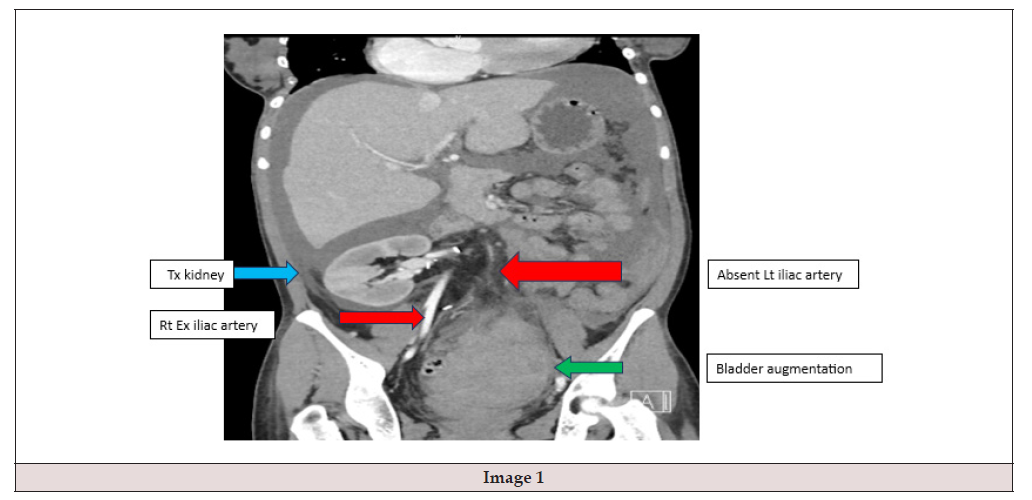
Figure 1:Distribution of clinicians in the survey.
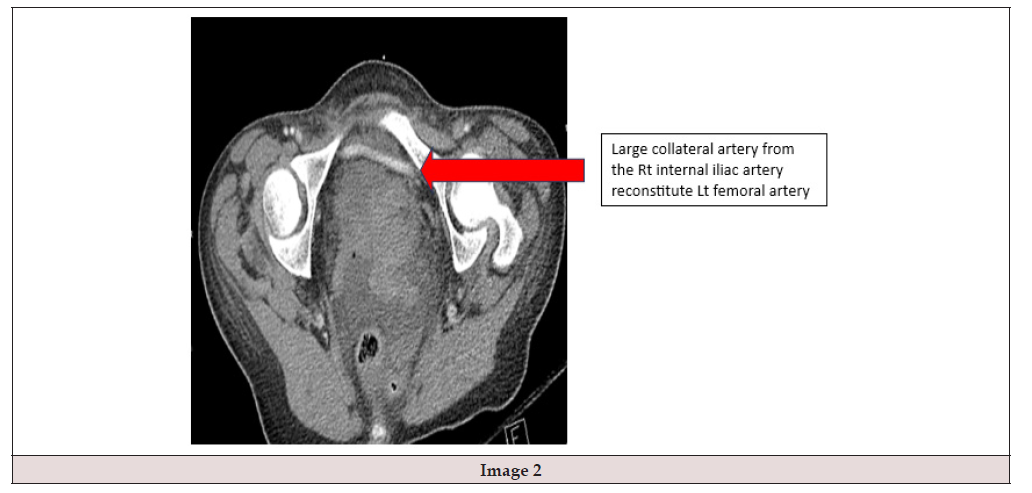
Figure 2:Distribution of clinicians in the survey.
She underwent staged surgical management, including left nephrectomy and urinary diversion with Indiana pouch creation, followed by a right-sided living donor renal transplant. The allograft functioned initially but ultimately failed due to chronic antibodymediated rejection despite aggressive immunomodulatory therapy.
Following graft failure, the patient transitioned to home hemodialysis and maintained an excellent functional status.
At the time of evaluation for deceased donor re-transplantation, repeat imaging confirmed complete absence of a native left iliac arterial system, with the left lower extremity dependent on collateral flow originating from the right-sided circulation. Image 2. Additionally, prior transplant positioning limited available vascular access for re do kidney transplant, with the potentially risk of compromising Lt Lower extremity arterial blood supply.
Multidisciplinary consultation with vascular surgery estimated a 20–30% risk of catastrophic let lower extremity ischemia. Given these findings—and the patient’s stable quality of life on dialysis— the decision was made to defer transplantation [7].
Discussion
Congenital absence of the iliac arterial system is exceptionally rare and poses a formidable challenge in renal transplantation. In standard practice, the iliac vessels provide reliable, accessible targets for vascular anastomosis. Their absence necessitates consideration of alternative inflow sources, including the aorta or visceral branches, often requiring intraperitoneal approaches.
While technically feasible, intraperitoneal transplantation carries well-described drawbacks, including increased operative complexity, challenges with graft surveillance and biopsy, and risk of vascular torsion or graft loss. In the re-operative fields, these risks are further amplified.
In this case, the patient’s unique vascular anatomy created a scenario in which any attempt at transplantation would rely on vessels critical to maintaining perfusion of the left lower extremity. The presence of cross-pelvic collateralization image 2 rendered the right-sided circulation indispensable, and surgical manipulation posed a nontrivial risk of limb-threatening ischemia.
Importantly, transplant candidacy must be considered not only in technical terms but also in the context of patient-centered outcomes. This patient maintained excellent functional status on home hemodialysis, and the marginal benefit of transplantation did not justify the substantial operative risk.
This case underscores a key principle: while surgical innovation can expand transplant candidacy, there remain anatomical scenarios in which restraint is the most appropriate course.
Conclusion
Severe congenital anomalies of the iliofemoral arterial system represent a rare but critical consideration in renal transplantation. In select cases, particularly in re-transplant candidates, these anomalies may constitute a relative or absolute contraindication when operative risk outweighs potential benefit.
Optimal management requires a multidisciplinary approach integrating transplant surgery, vascular surgery, radiology, and nephrology. Careful patient selection and individualized risk assessment remain paramount.
Acknowledgement
None.
Conflict of Interest
None.
References
- Greebe J (1977) Congenital anomalies of the iliofemoral artery. J Cardiovasc Surg (Torino) 18(3): 317-323.
- Gailloud P (2024) Normal, accessory, and aberrant branches of the common iliac artery: angiographic prevalence and clinical implications. Surg Radiol Anat 46(11): 1845-1857.
- Dabydeen DA, Shabashov A, Shaffer K (2015) Congenital Absence of the Right Common Iliac Artery. Radiol Case Rep 3(1): 47.
- Radhakrishnan V, Kumar R, George D, Abraham GP (2015) Absent Right Side Iliac Arterial System, an Intraoperative Surprise during Live Related Recipient Renal Transplantation. Case Rep Transplant 2015: 894786.
- French J, Schmittling Z, Vorhies R, Mullins R, Grant S (2025) Congenital absence of the right iliac system with aneurysmal degeneration of a collateral lumbar artery: Diagnosis and treatment. J Vasc Surg Cases Innov Tech 11(3): 101768.
- Argani H (2024) Second and Third Kidney Transplants. Exp Clin Transplant 22(Suppl 1): 60-65.
- Nourbala MH, Ghaheri H, Kardavani B (2007) Our experience with third renal transplantation: results, surgical techniques and complications. Int J Urol 14(12): 1057-1059.




 We use cookies to ensure you get the best experience on our website.