
Review Article 
 Creative Commons, CC-BY
Endothelial Dysfunction as the Hidden Precursor of Executive Burnout and Cognitive Decline
*Corresponding author: Helen Taylor MSc, Managing Director Evexia Group Limited, Integrative Metabolic Health, UK.
Received: November 17, 2025; Published: November 26, 2025
DOI: 10.34297/AJBSR.2025.29.003787
Abstract
Executive burnout and cognitive fatigue are increasingly recognised as early markers of systemic dysregulation, often preceding overt cardiometabolic disease. Recent advances in vascular biology suggest that the endothelium through its regulation of Nitric Oxide (NO) bioavailability, vascular tone, Blood-Brain Barrier (BBB) integrity and Neurovascular Coupling (NVC) may represent a unifying mechanism linking cardiovascular health to higher-order cognition [22,23,48]. Endothelial Dysfunction (ED) has been associated with impaired executive functions, attentional decline and early small vessel pathology, all of which mirror the cognitive fatigue and decision-making deficits observed in chronically stressed executives. This review synthesises emerging mechanistic and clinical evidence connecting ED to burnout-related neurocognitive decline, proposing an integrated biomarker framework comprising Flow-Mediated Dilation (FMD), NO indices, AGE-RAGE signalling, BBB permeability, and NVC metrics. It further evaluates lifestyle and therapeutic interventions targeting endothelial integrity, including aerobic exercise, Mediterranean style dietary patterns with targeted nitrate intake, L-arginine supplementation, thermal therapies, sleep optimisation, and hyperbaric oxygen therapy.
Evidence indicates that ED precedes cognitive dysfunction independent of amyloid or tau pathology, with BBB breakdown in hippocampal circuits detectable in prodromal stages [30]. FMD correlates strongly with executive function, working memory, and attention [31,27]. Interventions enhancing endothelial health particularly aerobic training and Mediterranean nutrition demonstrate consistent benefits, while dietary nitrate and passive heat exposure improve cerebral perfusion and endothelial responsiveness. Adjunctive therapies such as hyperbaric oxygen have shown potential to enhance regional cerebral blood flow and processing speed. Collectively, these findings support an “endothelium-first” model positioning endothelial integrity as a critical determinant of cognitive resilience. Targeted vascular neurocognitive assessment and multimodal intervention programmes may offer a viable strategy for reversing burnout trajectories in high stress executive populations.
Keywords: Endothelial dysfunction, Nitric oxide, Flow-mediated dilation, Neurovascular coupling, Blood-brain barrier, Executive function, Burnout, Cerebral perfusion, Hyperbaric oxygen, Sauna, Mediterranean diet.
Introduction
Executive burnout typically operationalised as a syndrome of emotional exhaustion, depersonalisation (or cynicism) and a perceived decline in professional efficacy has well-documented cognitive sequelae, most notably in sustained attention, cognitive flexibility and higher-order executive control [10,14]. In practice, these cognitive deficits manifest as decision fatigue, reduced error detection, slower information processing and a lowered capacity for strategic planning outcomes that are especially consequential in high-stakes leadership roles. Despite abundant psychosocial and organisational research into burnout, the proximate biological substrates that precede and potentiate these cognitive changes remain underarticulated within occupational medicine and corporate health practice.
Vascular biology offers a parsimonious mechanistic framework that can integrate disparate observations from epidemiology, neurology and stress physiology. The vascular endothelium is more than a passive lining; it is an active signalling interface that controls vascular tone, haemostasis, leukocyte trafficking, and crucially for cognition, Neurovascular Coupling (NVC) and Blood-Brain Barrier (BBB) integrity. Endothelial health is sustained by intact Nitric Oxide (NO) signalling, adequate antioxidant capacity and metabolic flexibility; disruption of these systems produces a recognisable phenotype of Endothelial Dysfunction (ED) characterised by reduced NO bioavailability, Endothelial Nitric Oxide Synthase (eNOS) uncoupling, increased oxidative stress, arterial stiffening, expression of pro-adhesive molecules (for example, Soluble Intercellular Adhesion Molecule-1 [sICAM-1] and Soluble Vascular Cell Adhesion Molecule-1 [sVCAM-1]) and compromise of BBB permeability [11,48].
There are multiple, plausible causal pathways by which ED may precipitate or amplify executive cognitive impairment. Impaired NO-dependent vasodilation attenuates dynamic cerebrovascular responses required during cognitively demanding tasks; microvascular rarefaction and impaired NVC reduce regional perfusion to prefrontal control networks; BBB disruption permits low-grade neuroinflammation and extracellular accumulation of neurotoxic metabolites; and chronic systemic inflammation and oxidative stress accelerate Cerebral Small Vessel Disease (cSVD), white matter injury and network disconnection. These mechanisms align with neuropathological and imaging observations that implicate vascular contributions to cognitive impairment well before classical neurodegenerative markers emerge [30,22]. Chronic psychosocial stressors that typify executive roles sustained sympathetic activation, circadian disruption, poor sleep, imbalanced nutrition, sedentary behaviour and episodic overconsumption of alcohol are independently linked to endothelial injury, metabolic dysfunction and proinflammatory signalling, thereby providing an ecological bridge from occupational exposures to vascular biology. Importantly, many of these drivers are modifiable, suggesting that an endothelium-centred model is not merely explanatory but also actionable. The central hypothesis of this paper is that ED functions as a hidden, upstream driver of executive burnout and cognitive decline by impairing NVC and perfusion of prefrontal control networks, destabilising BBB integrity and accelerating cSVD. The objectives are fourfold: to synthesize mechanistic and clinical evidence linking ED to executive-level cognitive dysfunction; to propose a pragmatic, translatable biomarker and measurement framework suited to corporate health screening; to review interventions behavioural, nutritional and selected adjunctive therapies that target endothelial integrity; and to outline a testable, prospective research design for corporate cohorts that balances scientific rigour with operational feasibility. Subsequent sections unpack these aims in detail and identify gaps that future empirical work should address.
Conceptual Framework: From Endothelium to Executive Function
This section maps the principal mechanistic pathways that link systemic endothelial health to the neural substrates of executive function. The intent is to move from molecule to network showing how perturbations at the level of the vascular endothelium can propagate to produce impaired neurovascular support, Blood- Brain Barrier (BBB) instability, microvascular structural change and, ultimately, measurable deficits in attention, working memory and cognitive control that characterise executive burnout.
Nitric Oxide as a Neurovascular Integrator
Endothelial Nitric Oxide Synthase (eNOS) is the principal enzymatic source of endothelial-derived Nitric Oxide (NO), and NO is central to both systemic and cerebral vascular homeostasis. Beyond its canonical vasodilatory role, NO inhibits platelet aggregation, limits leukocyte adhesion and modulates local inflammatory signalling; within the central nervous system, NO contributes to synaptic plasticity and has been implicated in anti-amyloidogenic pathways [22,23]. Physiologically appropriate NO bioavailability is therefore a prerequisite for dynamic cerebrovascular responses that match perfusion to transient increases in neuronal metabolic demand.
Loss of NO whether through oxidative inactivation (for example via superoxide), increased levels of endogenous NOS inhibitors such as Asymmetric Dimethylarginine (ADMA), or eNOS “uncoupling” that converts eNOS from a NO-producing to a superoxide-producing enzyme results in impaired endothelial dependent vasodilation and diminished neurovascular coupling [20,51]. In practice, this means that when prefrontal networks are taxed by sustained cognitive effort, the normal upregulation of regional blood flow is blunted; cortical regions therefore experience relative hypoperfusion during cognitive load, compromising information processing and producing subjective and objective signs of fatigue.
BBB Vulnerability as an Early Lesion
Subjective cognitive complaints commonly precede overt structural atrophy on conventional imaging. High resolution studies using dynamic contrast techniques and cerebrospinal fluid markers have demonstrated capillary injury and focal BBB leakage in hippocampal and medial temporal regions of individuals with mild cognitive impairment even when amyloid and tau burdens are low highlighting microvascular compromise as an early pathogenic event [30,19]. Mechanistically, endothelial activation and tight junction disruption permit transendothelial passage of plasma proteins and immune mediators that promote lowgrade neuroinflammation, extracellular matrix remodelling and synaptic dysfunction. In an executive population, such subtle BBB perturbations in frontal-hippocampal circuits may degrade the fidelity of neural signalling long before volumetric loss becomes apparent.
Cerebral Small Vessel Disease as The Brain’s Readout of Systemic ED
Cerebral Small Vessel Disease (cSVD) is a clinicopathological syndrome in which white matter hyperintensities, lacunes, microbleeds and perivascular space enlargement reflect chronic microvascular injury. Authoritative syntheses identify impaired vasodilation, BBB dysfunction, arteriolar stiffening and microvascular rarefaction as core features of cSVD processes that are, at least in part, downstream of systemic endothelial dysfunction [48,36]. From a functional vantage point, cSVD disproportionately affects fronto-subcortical circuits that subserve attention, processing speed and executive control; consequently, systemic drivers of ED (for example hypertension, metabolic dysregulation, chronic inflammation) manifest clinically as the very cognitive deficits seen in burnout syndromes.
Glycoxidative Injury and AGE RAGE Signalling
Glycoxidative stress links metabolic disruption to endothelial activation. Advanced Glycation End-Products (AGEs) modify extracellular proteins and lipids, quench NO bioactivity, and engage the Receptor for AGEs (RAGE) to trigger NF-κB-dependent proinflammatory and pro-oxidant transcriptional programmes. Through these pathways AGE-RAGE signalling increases endothelial permeability, upregulates adhesion molecules and promotes a prothrombotic phenotype; clinical and translational studies associate greater AGE burden with impaired endothelial function and heightened cognitive risk, particularly in the contexts of diabetes and ageing Gryszczyńska, et al., (2019); Yang, et al., (2019); Fewkes, et al., (2024) [1]. For executives, dietary patterns, intermittent hyperglycaemia and metabolic inflexibility can thus be mechanistically linked to cerebrovascular vulnerability via glycoxidative processes.
Neurovascular Coupling and “Decision Fatigue”
Neurovascular Coupling (NVC) is the process by which local increases in neuronal activity evoke proportional elevations in regional blood flow. This precision matching relies on intact endothelial signalling, astrocyte endothelial interactions and microvascular responsiveness. When ED blunts NVC, metabolically demanding prefrontal networks central to working memory, cognitive flexibility and inhibitory control receive inadequate perfusion during sustained tasks. The functional consequence is a progressive decline in signal-to-noise ratio, slowed information processing and an increased subjective sense of effort or “decision fatigue.” Experimental and clinical studies substantiate this link, showing disrupted NVC in vascular cognitive impairment and performance decrements following sleep loss or circadian misalignment factors common in executive populations De Wachter. et al., (2024) [20,34,37,39]. In sum, impaired NVC offers a physiologically plausible account for why otherwise highfunctioning leaders experience episodic or persistent declines in decisional acuity under chronic stress. Taken together, these interlocking pathways form an “endothelium-first” conceptual framework: endothelial injury (via NO depletion, glycoxidation, inflammation and BBB breakdown) precipitates microvascular dysfunction, which manifests as impaired NVC and cSVD, and which in turn undermines the neural circuits that subserve executive function. This framework both integrates extant empirical findings and identifies concrete mechanistic targets for measurement and intervention in high-stress executive cohorts.
Clinical Evidence Linking Endothelial Function and Cognition
A growing clinical literature links peripheral endothelial function most commonly measured by Flow Mediated Dilation (FMD) with cognitive performance, and in particular with domains of executive function, working memory and attention. A systematic review of FMD and neurocognition synthesised data from multiple cohorts and reported consistent associations between impaired FMD and poorer executive performance, with effect sizes for executive and working-memory measures ranging across studies [31].
Subsequent empirical work has reinforced and extended these findings. Recent investigations in early hypertension and at-risk middle-aged cohorts have found significant cross-sectional correlations between FMD and specific cognitive domains (working memory, attention, learning and executive control), and have proposed composite vascular indices (for example FMD: intimamedia thickness ratios) that better discriminate early cognitive change than single measures alone [27]. These data suggest that peripheral endothelial indices capture vascular processes that are behaviourally meaningful even before frank clinical impairment emerges.
Beyond FMD, markers of endothelial activation and inflammation show convergent associations with cognitive outcomes. Elevated circulating soluble adhesion molecules sICAM-1 and sVCAM-have been observed in older adults with vascular cognitive impairment and correlate with cerebrovascular resistance and worse cognitive scores in population and clinic samples [16,45]. Such biomarkers offer mechanistic specificity (endothelial activation and leukocyte recruitment) that complements functional measures like FMD.
Sleep disruption and circadian misalignment ubiquitous occupational stressors in executive populations provide an ecological link between workplace exposures and endothelial injury. Experimental partial sleep restriction produces clinically meaningful reductions in FMD within days, and observational studies link night-shift exposure with diminished endothelial responsiveness, implicating sleep as a modifiable pathway from occupational strain to vascular dysfunction. The balance of experimental and epidemiological evidence therefore supports sleep loss as a plausible mediator of vascular cognitive decline. Crucially, vascular injury within the brain itself appears early in the course of cognitive decline: high-resolution imaging and contrastenhanced studies have demonstrated focal blood-brain barrier breakdown and capillary damage notably in hippocampal regions in individuals with mild cognitive impairment independent of amyloid and tau burden [30]. This finding reinforces the proposition that endothelial and microvascular pathology can precede classical neurodegenerative markers and plausibly initiate a trajectory of executive and mnemonic deterioration.
Collectively, these lines of evidence Functional Endothelial Measures (FMD), circulating activation markers (sICAM-1/ sVCAM-1), experimental manipulations (sleep restriction) and early cerebral microvascular injury (BBB leakage) form a coherent clinical picture in which systemic ED maps onto cognitive vulnerability, especially for the executive domains most relevant to high-stress leaders. Remaining limitations include heterogeneity in cognitive batteries, varying FMD protocols, and a relative paucity of long-term prospective data in younger, occupational cohorts; these gaps motivate the measurement strategy and prospective design proposed later in this paper.
Measurement Strategy for High-Stress Executives
A pragmatic measurement strategy for corporate cohorts must balance physiological fidelity with operational feasibility, minimising participant burden while maximising signal sensitivity to detect early endothelial and neurovascular compromise. The proposed approach combines three complementary domains: macroscopic and microvascular endothelial assessment, brain-direct measures of perfusion and BBB integrity, and sensitive, domain-specific cognitive and symptom endpoints. Each modality is selected for mechanistic relevance, reproducibility, and translational value for workplace screening or targeted intervention trials.
Macro-And Microvascular Assessment
Flow-Mediated Dilation (FMD): FMD of the brachial artery remains the gold-standard, NO dependent, non-invasive surrogate of conduit artery endothelial function. When performed to consensus protocols (fasting state, controlled temperature, standardised cuff placement and operator training), FMD yields high within- and between- subject reliability and is sensitive to shortterm interventions [43]. For corporate studies, we recommend centralised analysis in an accredited vascular laboratory or a mobile vascular ultrasound team using Standard Operating Procedures (SOPs) and blinded readers. Typical scheduling: baseline, 3 months, and 12 months for longitudinal trials; shorter intervals (4-8 weeks) for early-phase mechanistic probes.
Peripheral Arterial Tonometry (Endo PAT/RHI): EndoPAT offers a clinic-friendly, automated digital Reactive Hyperaemia Index (RHI) that is more operator-independent than ultrasoundbased FMD and feasible in field assessments or occupational health clinics [28]. While less specific to NO alone, EndoPAT integrates microvascular and neurogenic influences and has prognostic associations with cardiovascular risk; it is therefore a pragmatic choice for large cohorts or repeated screening where ultrasound resources are limited.
Circulating Endothelial Biomarkers: A limited panel (sICAM-1, sVCAM-1, soluble E-selectin, and plasma ADMA) provides biochemical specificity to endothelial activation, leukocyte recruitment and NOS inhibition. These assays are scalable, have standardised commercial platforms, and complement functional measures particularly when combined into a composite endothelial index to improve signal-to-noise for cognitive associations [2]. Consider simultaneous measurement of inflammatory (hs-CRP) and metabolic markers (HbA1c, fasting insulin) to model confounding pathways.
Pulse Wave Velocity (PWV) and Central Haemodynamics: Inclusion of carotid femoral PWV provides a measure of arterial stiffness that captures chronic vascular remodelling relevant to cerebral haemodynamics. PWV is rapid, reproducible and adds prognostic value for cerebrovascular risk.
Brain-Direct Measures
Arterial Spin Labelling MRI (ASL-MRI): ASL provides noncontrast quantification of resting and task-evoked Cerebral Blood Flow (CBF), with sufficient sensitivity to detect frontal lobe perfusion changes associated with sleep loss and vascular stressors [15]. ASL is preferred for repeated measures and for linking peripheral endothelial indices with regional perfusion in prefrontal networks.
Dynamic Contrast-Enhanced MRI (DCE-MRI) for BBB Integrity: DCE protocols quantify subtle hippocampal and cortical BBB leakage and are among the most direct in vivo measures of microvascular permeability; these are particularly informative in participants with cognitive complaints or early executive decline [30]. Use of standardised acquisition and modelled permeability metrics is essential for comparability.
Functional Near-Infrared Spectroscopy (fNIRS) with Broadband oxCCO: Portable, bedside fNIRS systems that include Oxidised Cytochrome-C-Oxidase (oxCCO) measurements allow real-time monitoring of prefrontal oxygenation and mitochondrial redox during cognitive challenge tasks. This platform is highly feasible for workplace or clinic deployment and offers dynamic NVC readouts that map closely to task performance [26].
Near-Infrared Spectroscopy (NIRS) and Transcranial Doppler (TCD): TCD can be used to assess cerebrovascular reactivity (for example, CO₂ or breath-hold tests) and, when combined with fNIRS, provides convergent measures of dynamic cerebrovascular responsiveness.
Cognitive And Symptom Outcomes
Cognitive Batteries: Employ brief, validated, computerised executive-function batteries that emphasise working memory updating, set-shifting, inhibitory control and processing speed (for example CANTAB or similar), ensuring parallel forms where repeated testing is necessary. Ecological Momentary Assessment (EMA) of decision fatigue and objective measures of sustained attention (continuous performance tests) add granularity.
Burnout and Functional Scales: Standardised instruments Maslach Burnout Inventory (MBI) or occupationally adapted burnout scales should be paired with measures of sleep quality (actigraphy and validated questionnaires), daytime somnolence, and self-reported stress exposure to permit mediation analyses.
Integration And Timing: A minimal pragmatic battery for corporate trials: baseline (FMD or EndoPAT, biomarker panel, ASL/ MRI or fNIRS, cognitive battery, actigraphy for 7-14 days), early follow-up at 8-12 weeks (to detect physiological change), and extended follow-up at 12 months. Hybrid designs can use fNIRS as a repeated, low-burden proxy for regional haemodynamics between MRI assessments.
Practical Considerations and Confounders
Standardise pre-test conditions (fasting, abstention from nicotine, caffeine and vigorous exercise for 12-24 hours), account for circadian influences (morning testing where possible), and record medications, recent infections, alcohol intake and menstrual phase in reproductive-aged participants. Analyses should adjust for age, sex, smoking, blood pressure, glycaemic status and depressive symptoms. Where feasible, use composite vascular indices and multimodal endpoints to improve sensitivity and to triangulate mechanistic pathways from peripheral ED to cerebral function. This measurement strategy emphasises mechanistic relevance, reproducibility and scalability enabling rigorous tests of the endothelium-first hypothesis within operational corporate settings while preserving scientific rigour.
Interventions That Target Endothelial Integrity and Executive Performance
Interventions that preserve or restore endothelial function offer a biologically coherent pathway to protect neurovascular coupling, maintain cerebral perfusion and thereby support executive capacity in high-stress populations. The interventions below are organised by evidence strength and translational readiness, with attention to plausible mechanisms, summary of clinical effects, and practical considerations for implementation in corporate-facing programmes or pragmatic trials.
Aerobic And Resistance Training
Robust meta-analytic evidence shows that aerobic exercise particularly at moderate-vigorous intensities sustained for eight weeks or longer produces clinically meaningful improvements in Flow-Mediated Dilation (FMD) and reduces markers of cardiovascular risk [51,42,32]. Exercise improves endothelial shear stress, upregulates eNOS expression and reduces oxidative stress, thereby restoring NO bioavailability and dynamic vasodilatory responsiveness. From a cerebral perspective, habitual aerobic training enhances resting and task-evoked cerebral haemodynamics and can translate into gains in processing speed and executive tasks in untrained or at-risk adults; however, marginal gains are smaller in already well-trained, younger individuals, suggesting ceiling effects [52]. Resistance training adds complementary benefits improving metabolic health, insulin sensitivity and arterial stiffness which together support endothelial phenotype; combined aerobic resistance programmes are therefore recommended for maximal endothelial and cognitive benefit.
Practical Note: Prescribe progressive, supervised programmes emphasising ≥150 min·wk⁻¹ of moderate-vigorous aerobic activity plus two sessions of resistance training per week, with objective adherence monitoring (heart-rate, wearable data) in corporate trials.
Mediterranean-Style Diet and Dietary Nitrate
The Mediterranean dietary pattern consistently lowers blood pressure and improves endothelial function [8], while prospective and randomised data link adherence to improved cognitive outcomes [46]. Mechanistically, this pattern reduces post-prandial oxidative stress and AGE formation, increases antioxidant and polyphenol intake, and favourably modulates lipid and glycaemic profiles. Dietary inorganic nitrate found in beetroot, leafy greens and other vegetables acutely augments systemic and frontal white matter perfusion and can improve performance on selected cognitive tasks in older adults [35,50,40,]. Nitrate acts via enterosalivary conversion to nitrite and subsequent NO generation, offering a pragmatic pharmacodynamic route to improve NO bioavailability.
Practical Note: Implement Mediterranean dietary counselling with targeted inclusion of nitrate-rich vegetables (for acute and chronic trials), monitor blood pressure and nitrate exposure, and caution regarding concurrent use of medications that interact with nitrate biology.
L-arginine
Oral L-arginine the substrate for NOS has shown promising early signals: in frail hypertensive older adults it improved cognitive scores and attenuated markers of endothelial oxidative stress [29]. Mechanistically, substrate repletion may improve NO production where relative arginine deficiency or competitive inhibition exists. Evidence remains preliminary, heterogenous in dosing and populations, and longer, well powered trials in younger, occupational cohorts are required before routine recommendation.
Practical Note: Consider L-arginine as an investigational adjunct in protocolised studies with safety monitoring (particularly for hypotensive effects), rather than routine clinical use.
Thermal Therapy (Sauna)
Repeated passive heat exposure sauna or ‘Waon’ therapy improves peripheral endothelial measures (including FMD) and arterial stiffness in cardiometabolic populations [3,24,21]. Large Finnish cohort studies report a strong inverse association between frequent sauna use and incident dementia [27], although causal inference from observational cohorts is limited. Heat exposure likely benefits endothelial function via repeated elevations in shear stress, heat-shock protein induction and autonomic modulation.
Practical Note: Sauna protocols should be standardised for duration and temperature; contraindications (unstable cardiovascular disease, volume depletion) require medical screening. Sauna may be a practical, low-behavioural change adjunct in corporate wellness offerings where infrastructure permits.
Sleep Restoration and Circadian Repair
Experimental paradigms demonstrate rapid endothelial impairment (FMD reduction) following partial sleep restriction and circadian disruption [4,38,6,7]. Given the reliance of NVC and prefrontal haemodynamics on restorative sleep, sleep regularisation and circadian realignment are mechanistically central to endothelial and cognitive recovery. Interventions that improve sleep quantity, timing and quality (sleep hygiene, cognitive behavioural therapy for insomnia, circadian light exposure strategies) should be considered foundational.
Practical Note: Incorporate objective sleep monitoring (actigraphy) and targeted behavioural interventions as primary components of multimodal programmes.
Hyperbaric Oxygen Therapy (HBOT) Specialist Supervised Adjunct
Randomised data in older adults indicate that HBOT can improve attention and processing speed, with ASL -MRI evidence of increased regional cerebral blood flow post-treatment [17]. Proposed mechanisms include NO-dependent mobilisation of endothelial progenitor cells, angiogenesis and transient perfusion changes MacLaughlin, et al., (2023) [44]. HBOT remains a specialist intervention requiring rigorous protocols, safety screening (barotrauma, oxygen toxicity), and use only within accredited centres or clinical trials.
Practical Note: Reserve HBOT for research settings or selected clinical cases; ensure informed consent and standardised outcome measures when used.
Cold Exposure and Cryotherapy (Adjunct; Evidence Mixed)
Cold exposure (winter swimming, cold-water immersion) and whole-body cryotherapy may upregulate antioxidant pathways and exert anti-inflammatory effects in small studies [13,49]. However, data on endothelial outcomes are inconsistent; some trials show null or potentially adverse acute vascular responses, particularly when exposure is extreme or uncontrolled Stanek, et al., (2023) [12]. Thus, cold modalities are best considered adjunctive and applied cautiously.
Practical Note: If included, standardise temperature/duration, monitor cardiovascular responses, and avoid adoption as a primary endothelial therapy without further evidence.
Exploratory Adjuncts: NAD⁺ Repletion and Peptide Bioregulators (Research-Grade)
Nicotinamide adenine dinucleotide (NAD⁺) precursors (NMN, NR) reverse aspects of vascular ageing and oxidative stress in preclinical models and show early, encouraging vascular signals in humans; cognitive benefits remain to be established robustly [9,7,5,]. Peptide agents such as BPC-157 have demonstrated angiogenic and NO-modulating effects in animal models but lack high-quality human vascular cognitive trials and present regulatory and safety uncertainties [18,47,39]. These modalities should remain confined to ethically approved clinical research until efficacy, dosing and safety are clarified.
Practical Note: Exploratory agents are appropriate only in controlled, ethics-approved studies with predefined vascular and cognitive endpoints.
Synthesis And Implementation Pathway: A staged, multimodal intervention strategy is recommended for corporate trials: foundation measures (sleep optimisation, Mediterranean style nutrition, structured aerobic and resistance training), targeted adjuncts where appropriate (dietary nitrate, supervised sauna), and specialist therapies reserved for research contexts (HBOT, NAD⁺ precursors, peptide bioregulators). Outcome measurement should include peripheral endothelial indices (FMD/EndoPAT, sICAM-1/sVCAM-1), brain-direct perfusion measures (ASL, fNIRS), and domain-specific cognitive batteries to demonstrate mechanistic mediation and clinical benefit. Cost, scalability and participant safety should guide selection; lifestyle and dietary interventions provide the strongest current evidence base and the most tractable route for workplace implementation (Table 1).
As shown in Table 1, the principal mechanistic pathways by which systemic Endothelial Dysfunction (ED) may give rise to the executive-level cognitive phenotype are summarised in a single, integrative schema. Each row links a vascular pathway (for example, reduced eNOS-derived nitric oxide, BBB breakdown, AGE RAGE signalling, the cSVD cascade, and sleep-restriction effects) to the proximate molecular or physiological disturbance, the cognitive domains most plausibly affected, and representative empirical anchors. This tabulation is intended to translate mechanistic biology into testable, behaviourally meaningful hypotheses: reduced NO bioavailability and impaired neurovascular coupling predict deficits in working memory, set-shifting and sustained attention; BBB compromise and microvascular injury predict impairments in memory encoding and processing speed; glycoxidative signalling maps onto endothelial activation and fatigability; and acute or chronic sleep loss maps onto attenuated FMD and decision fatigue. Beyond organising the evidence, Table 1 serves three practical functions within the present framework. First, it clarifies selection of measurement modalities and cognitive end-points for corporate cohorts: peripheral measures such as FMD and circulating adhesion molecules should be paired with brain-direct measures (ASLMRI, DCE-MRI, fNIRS) and targeted executive-function batteries to increase mechanistic specificity. Second, it provides a rationale for intervention targeting by pathway (for example, dietary nitrate or L-arginine to restore NO bioavailability; thermal therapy and exercise to enhance shear-stress signalling; sleep optimisation to mitigate acute endothelial impairment). Third, the table highlights methodological gaps that require attention in future work heterogeneity in FMD protocols, variability in cognitive batteries, and the paucity of longitudinal data in younger, occupational cohorts thereby setting priorities for the prospective study design proposed later in this paper (Table 2).
Table 2 catalogues a pragmatic, tiered set of translational biomarkers and neurovascular metrics selected for their mechanistic specificity, feasibility in occupational cohorts, and demonstrated signal along the endothelial dysfunction cognition axis. The table is organised to align domain (macrovascular, digital microvascular, circulating activation markers, perfusion, BBB integrity and cortical oxygenation/mitochondrial readouts) with the recommended measure, brief notes on practicality, the expected relevance to the ED cognition pathway and representative sources. This juxtaposition should guide both measurement selection and resource allocation in corporate-facing studies. For implementation we propose a three-tier approach. A core tier (clinic-deployable and cost-sensitive) comprises EndoPAT (RHI) or FMD where ultrasound expertise is available, a small circulating panel (sICAM-1/sVCAM-1/ADMA) and portable fNIRS to capture dynamic prefrontal haemodynamics during cognitive challenge [28,43,26]. An intermediate tier supplements core measures with arterial spin labelling (ASL) to map regional CBF and pulse-wave velocity for arterial stiffness; these add spatial specificity but require MRI access [15]. An advanced tier includes dynamic contrast-enhanced MRI (DCE-MRI) for hippocampal BBB permeability and broader multimodal MRI sequences suitable for mechanistic endpoints in nested subcohorts [30].
Analytically, we recommend (a) Generation of a composite endothelial index that integrates functional (FMD/RHI), biochemical and haemodynamic measures to improve signal-to-noise for cognitive associations; (b) Use of repeated measures (baseline, early follow-up, long-term) to establish temporality and responsiveness; and (c) Pre-analytic standardisation (fasting state, medication and caffeine controls, time-of-day consistency) to reduce measurement variance. Limitations cost, MRI accessibility and heterogeneity in assay platforms should inform sampling strategies (for example, stratified nested designs), and all biomarker choices must be justified a priori in trial protocols to preserve interpretability and translational value (Table 3).
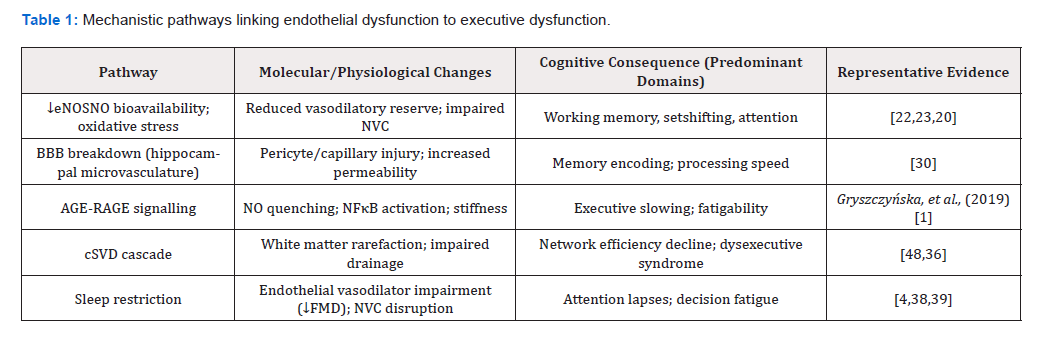
Table 1: Mechanistic pathways linking endothelial dysfunction to executive dysfunction.
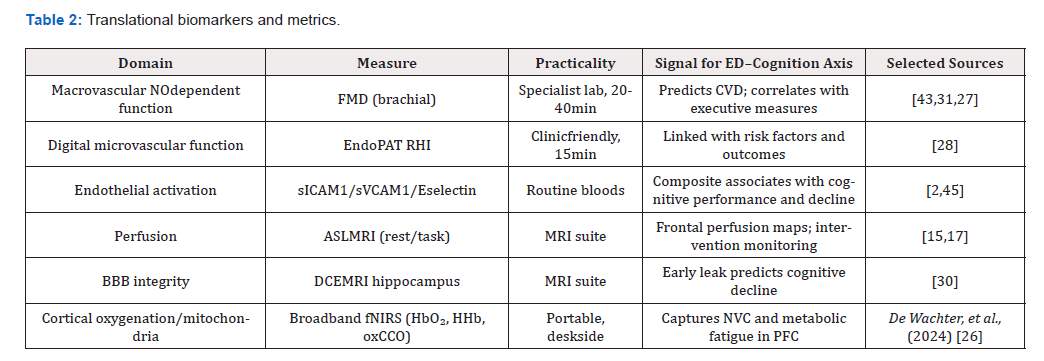
Table 2: Translational biomarkers and metrics.
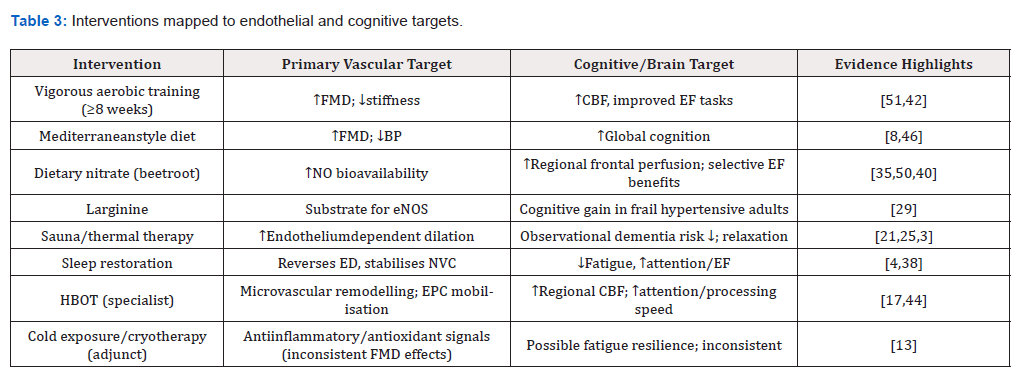
Table 3: Interventions mapped to endothelial and cognitive targets.
Table 3 summarises the principal interventions that target endothelial integrity and their putative cognitive/brain targets, organising modalities by primary vascular mechanism, expected neurocognitive effects and the current evidence highlights. The table is intended to function as a pragmatic implementation map for corporate trials and clinical translation: it distinguishes foundational, evidence-based measures (vigorous aerobic and resistance training; Mediterranean-style diet; sleep restoration) that robustly improve NO-dependent endothelial function and cerebral haemodynamics [51,8,4] from targeted adjuncts (dietary nitrate, L-arginine, repeated passive heat/sauna) that directly augment NO bioavailability or endothelial responsiveness and have preliminary cognitive signals [35,29,25], and from specialist or exploratory therapies (hyperbaric oxygen therapy, cold exposure, NAD⁺ precursors and experimental peptides) that require controlled, research-grade deployment [17,13,9].
Two translational implications follow. First, multimodal, staged programmes that place lifestyle and sleep optimisation as the foundation, layered with targeted adjuncts where indicated, offer the most tractable and scalable route to restore endothelial health and protect executive function. Second, selection of interventions for trials should be guided by mechanistic endpoints (FMD/ EndoPAT, sICAM-1/sVCAM-1), brain-direct perfusion measures (ASL, fNIRS) and domain-specific cognitive batteries so that mediation of cognitive benefit by endothelial change can be tested. Safety and feasibility considerations are critical: sauna and HBOT require medical screening and standardised protocols, L-arginine should be trialled with monitoring for hypotension, and exploratory agents should remain confined to ethics-approved studies. Overall, the table provides a concise decision framework to prioritise interventions for pragmatic trials aimed at reversing the proposed endothelium-first pathway to executive decline (Figure 1).
Figure 1 presents a schematic, linearised cascade linking common occupational exposures in high-stress executive roles to a measurable clinical phenotype of decision fatigue and burnout, with Endothelial Dysfunction (ED) positioned as the central, modifiable mediator. The diagram begins with upstream occupational strain sleep curtailment, circadian disruption, sustained psychosocial stress and dietary/metabolic load which, through enhanced oxidative stress and glycoxidative processes (AGE RAGE signalling), promotes Endothelial Nitric Oxide Synthase (eNOS) uncoupling and a net reduction in Nitric Oxide (NO) bioavailability [22,23].
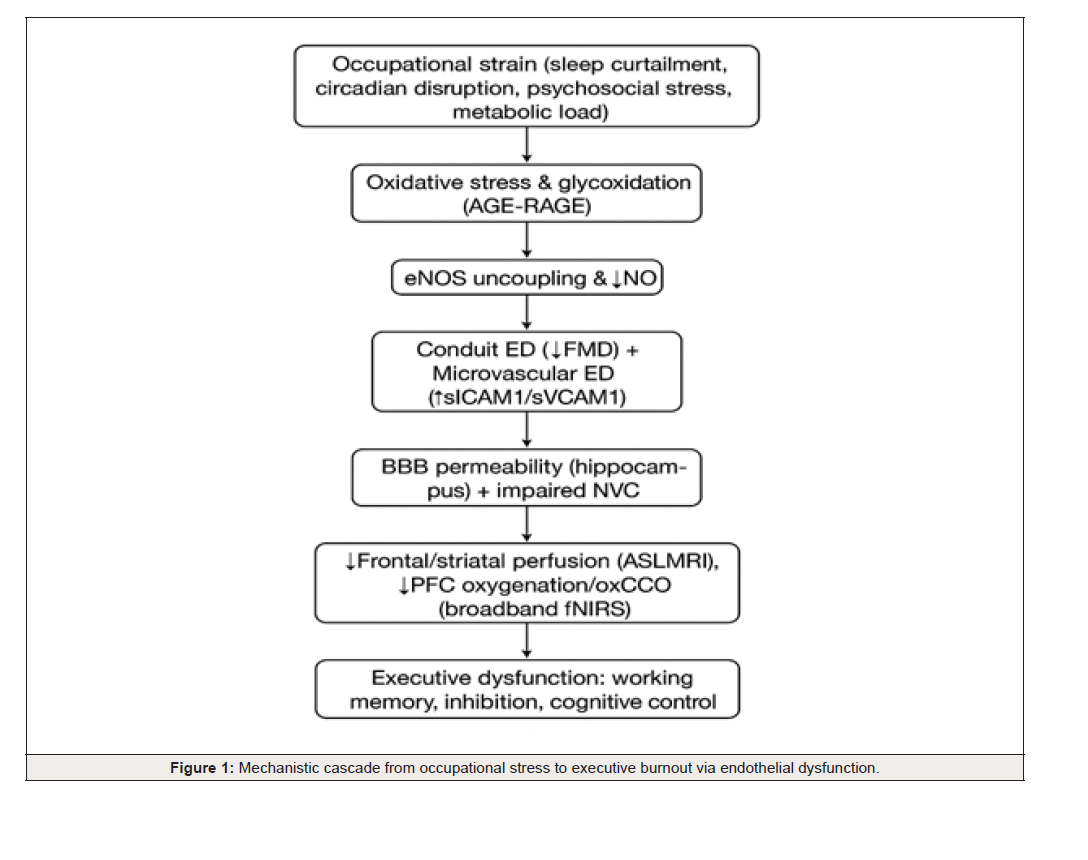
Figure 1: Mechanistic cascade from occupational stress to executive burnout via endothelial dysfunction.
Loss of NO produces a dual vascular signature: impaired conduit artery responsiveness (clinically observable as reduced flow-mediated dilation, FMD) and microvascular endothelial activation (elevated soluble adhesion molecules such as sICAM-1 and sVCAM-1). These peripheral phenomena map onto cerebral microvascular sequelae loss of tight-junction integrity and focal Blood-Brain Barrier (BBB) permeability (notably within hippocampal and medial-temporal capillary beds) and impaired Neurovascular Coupling (NVC) which together reduce regional perfusion and metabolic support to prefrontal and striatal control networks [30,20]. The functional consequence is attenuated frontal perfusion (measurable with arterial spin labelling MRI), reduced prefrontal oxygenation and mitochondrial redox (detectable with broadband fNIRS via HbO₂/HHb and oxCCO metrics), and observable declines in working memory, inhibitory control and processing speed. Clinically, these impairments manifest as progressive decision fatigue, decreased professional efficacy and the behavioural syndrome recognised as executive burnout.
The figure also maps intervention levers to specific nodes in the cascade. Foundational lifestyle interventions structured aerobic and resistance training, sleep and circadian restoration, and Mediterranean-style nutrition (with targeted dietary nitrates) act upstream to restore shear-stress signalling and NO bioavailability; thermal therapies and L-arginine directly augment endothelial responsiveness; and specialist adjuncts such as Hyperbaric Oxygen Therapy (HBOT) may transiently enhance regional cerebral blood flow and progenitor-cell mediated remodelling [17,35,8]. Measurement nodes identified in the schematic (FMD/EndoPAT, circulating adhesion molecules, ASL-MRI, DCE-MRI for BBB integrity, and fNIRS for dynamic NVC) provide a testable biomarker panel for mediation analyses in prospective corporate cohorts [43].
Finally, the figure is deliberately reductionist to aid translational clarity; it does not exclude parallel or interacting pathways (for example, direct neuroimmune signalling, glucocorticoid effects on synaptic function, or amyloid-independent neurodegenerative processes). Rather, it frames an endothelium-centred, falsifiable model that guides selection of mechanistic endpoints, temporal sequencing for longitudinal studies, and prioritisation of interventions most likely to produce measurable vascular and cognitive recovery.
Proposed Research Design for Corporate Cohorts
This section sets out a pragmatic, hypothesis-driven design to test the “endothelium-first” model in occupationally exposed executives. The design balances mechanistic fidelity with operational feasibility in corporate settings: an initial cross-sectional profiling phase to establish associations, followed by a randomised, pragmatic intervention trial testing whether endothelial restoration produces measurable vascular and cognitive benefit.
Design Overview
A two-phase programme is proposed:
Phase A- Cross-Sectional Baseline Profiling (n≈200): Characterise the relationship between endothelial metrics, brain perfusion/NVC and executive function/burnout in a working executive sample.
Phase B- Pragmatic Randomised Controlled Trial (n≈120; 1:1 Allocation): A 12-week, endothelium-focused multimodal intervention versus an active control (standard corporate wellness) to evaluate change in endothelial function and downstream cognitive outcomes.
Population and Eligibility
Inclusion Criteria: Employed executives aged 35-65 years in high-stress roles as defined by validated workload and shift metrics (for example, long hours, frequent travel, evening/overnight duties). Capacity to consent and willingness to participate in intervention procedures.
Exclusion Criteria: Overt cardiovascular disease (history of myocardial infarction, stroke), uncontrolled hypertension (BP >160/100mmHg), major psychiatric illness (active psychosis, severe major depression requiring hospitalisation), contraindications to MRI (implants, claustrophobia) or specific interventions (known contraindications to sauna or HBOT). Medication use that would confound NO biology (for example, phosphodiesterase inhibitors) should be recorded and, where feasible, stable for ≥4 weeks prior to enrolment.
Phase A- Baseline Profiling (n≈200)
Exposures (Primary):
a) Flow-Mediated Dilation (FMD; brachial) as the core NOdependent
functional measure.
b) EndoPAT Reactive Hyperaemia Index (RHI) where FMD is
not feasible.
c) Composite circulating endothelial activation panel:
sICAM-1, sVCAM-1, soluble E-selectin and plasma ADMA.
Brain Measures:
a) Resting and task ASL-MRI for regional cerebral blood flow
(primary focus on dorsolateral prefrontal cortex and striatal
circuits).
b) Dynamic contrast-enhanced MRI (DCE-MRI) for
hippocampal BBB permeability (quantified K^trans).
c) Portable broadband fNIRS during a standardised
20-minute executive task battery to capture PFC HbO₂/HHb
and oxCCO dynamics under cognitive load.
Outcomes:
a) Cognitive: Computerised batteries measuring working
memory, set-shifting, inhibition and processing speed;
composite executive-function z-score.
b) Psychometric: Maslach Burnout Inventory (MBI),
validated fatigue scales, and ecological momentary assessment
(optional).
c) Hypothesis: Lower FMD and higher sICAM-1/sVCAM-1
will correlate with reduced ASL-CBF and attenuated fNIRS
oxCCO responses under load, and with poorer executive
performance.
Phase B- Pragmatic Intervention Trial (n≈120; randomised 1:1)
Participants who meet trial criteria (and consent to randomisation) are allocated to:
Arm 1- Endothelium-Focused Multimodal Programme:
a) Exercise: Supervised vigorous aerobic training ≥3 sessions/week (30-45min), plus resistance training twice weekly. Objective adherence monitoring with wearables.
b) Diet: Mediterranean-style dietary counselling with daily inclusion of nitrate-rich vegetables or beetroot shots (target ~400 mg inorganic nitrate/day).
c) Sleep: Personalised sleep optimisation aiming for ≥7.5h/night with circadian stabilisation cues (light exposure management, sleep hygiene, CBT-I referral where indicated).
d) Heat therapy: Finnish sauna sessions 3-4×/week (15- 20min at ~80-90 °C) for medically eligible participants, following standard cooling protocols.
e) Optional adjunct (substudy): L-arginine 3-6g/day for participants who have a low arginine/NO phenotype (predefined serological criteria).
Arm 2- Active Control: Standard corporate wellness package: generic advice on activity, diet and stress management plus weekly check-ins of equivalent contact time to control for attention.
Primary endpoint (12 weeks): Percent change in FMD. Key secondary endpoints: ASL-CBF in dorsolateral PFC, DCE-MRI hippocampal K^trans, composite endothelial biomarker index, EndoPAT RHI, executive-task composite z-score, and fNIRS oxCCO response during cognitive load. Safety endpoints: adverse events related to exercise, sauna or adjuncts; hypoglycaemia, symptomatic hypotension, etc.
Exploratory substudy (n≈40): Specialist-supervised HBOT versus sham-equivalent control in a nested sample selected for low baseline ASL-CBF to probe perfusion cognition coupling and mechanistic circuitry. Randomisation, Blinding and Contamination Control.
Randomisation: Central computer-generated allocation with stratification by age group (35-49, 50-65) and sex to balance key covariates.
Blinding: Outcome assessors (FMD/ASL readers, neuropsychological test scorers) blinded to allocation. Participant blinding is not feasible for behavioural components; the HBOT substudy should incorporate sham chambers where available.
Contamination: Minimise by scheduling intervention activities outside normal work hours where possible, logging concurrent behaviour change in controls, and using intention-to-treat analysis.
Sample Size and Statistical Analysis
Power Rationale: Assuming SD≈2.5% for FMD and an expected between-group Δ≈1.3-1.5% at 12 weeks, n≈100-120 provides ≥80% power (two-sided α = 0.05) to detect the primary endpoint. Allow for ~15% attrition; therefore, plan to recruit n≈140 for Phase B screening.
Analysis Plan: Cross-sectional associations (Phase A) via multivariable linear regression adjusting for age, sex, BMI, education, smoking and BP. Intervention effects (Phase B) using repeated-measures mixed-effects models with participant as a random effect and time × arm interaction as fixed effect. Mediation analyses (causal mediation framework) to test whether change in FMD and ASL-CBF mediate cognitive improvements. Control for multiplicity using False Discovery Rate (FDR) for secondary/ exploratory outcomes. Pre-specified subgroup analyses (sex, baseline endothelial reserve, sleep quality tertiles).
Data Quality, Monitoring and Safety
Standardisation: Central SOPs for FMD acquisition, EndoPAT, blood assays and MRI sequences; pre-test controls (fasting, caffeine/ tobacco/medication restrictions, morning testing window).
Data Management: Secure Electronic Data Capture (EDC) with audit trail, de-identified imaging stored on encrypted servers, and pre-registered analysis plan.
Monitoring: Independent Data Safety Monitoring Board (DSMB) with interim safety review for sauna/HBOT components; adverse events recorded per CTCAE v5.0.
Feasibility, Retention and Translational Considerations
Recruitment: Via corporate occupational health services, executive health clinics and internal communications; use of brief screening FMD/EndoPAT or a composite biomarker screener can prioritise high-risk recruits.
Retention Strategies: Flexible scheduling, remote coaching, wearable-based feedback, employer support (protected time), and modest participant incentives.
Scalability: The three-tier measurement approach (core: EndoPAT/fNIRS/biochemistry; intermediate: ASL/PWV; advanced: DCE-MRI) enables nested designs that preserve mechanistic inference while controlling cost.
Ethical Considerations
Full ethical review and written informed consent are required. Sauna and HBOT components mandate pre-enrolment medical screening and explicit informed consent for procedure-specific risks (thermal stress, barotrauma, oxygen toxicity). Data protection compliant with relevant national regulations (for example GDPR where applicable). Trial registration prior to initiation is mandatory.
This proposed design is intended to be scientifically rigorous yet operationally pragmatic, capable of testing the central hypothesis that targeted restoration of endothelial function produces measurable improvements in neurovascular coupling and executive performance in high-stress executive populations.
Discussion
“Endothelium-First” Reframes Burnout
The evidence assembled here supports an endothelium-first conceptualisation of executive burnout: chronic occupational strain precipitates vascular injury that, by degrading Nitric Oxide (NO)-dependent vasodilatory reserve and Neurovascular Coupling (NVC), constrains the brain’s ability to meet transient metabolic demand in prefrontal control circuits. When vasodilatory responsiveness is blunted, otherwise high-performing individuals may demonstrate objectively reduced regional perfusion during cognitively demanding tasks and subjectively report increased effort, slowing and decision fatigue. The observation of early Blood- Brain Barrier (BBB) leakage in hippocampal regions [30] lends further support to a model in which microvascular compromise and low-grade neuroinflammation arise before overt structural neurodegeneration, reframing some presentations of cognitive decline in working adults as vascularly mediated and, importantly, potentially reversible.
Biomarker Pragmatics for Corporate Medicine
Translating this model into occupational health practice requires pragmatic biomarker choices that balance mechanistic specificity with feasibility. Flow-Mediated Dilation (FMD) remains the most direct, NO dependent functional assay of conduit endothelial health, but is operator dependent and laboratory intensive [43]. Peripheral arterial tonometry (EndoPAT/RHI) offers a lower-burden alternative suitable for clinic or workplace screening, while circulating adhesion molecules (sICAM-1, sVCAM-1) provide biochemical context on endothelial activation. Brain-direct measures (ASL-MRI for regional cerebral blood flow, DCE-MRI for BBB permeability) deliver mechanistic end-points yet carry cost and access barriers; portable broadband fNIRS affords a scalable, repeatable window on prefrontal haemodynamics and mitochondrial redox (oxCCO) during ecologically valid cognitive tasks [26]. A tiered measurement strategy core (EndoPAT/fNIRS/ biochemistry), intermediate (ASL/PWV), advanced (DCE-MRI) permits nested designs that preserve mechanistic inference while enabling larger, operationally feasible studies.
Intervention Hierarchy and Implementation Implications
Available interventions align coherently with the vascular mechanisms described. The strongest and most readily implementable evidence base supports vigorous aerobic exercise and Mediterranean-style nutritional patterns (with targeted dietary nitrate) as primary anchors; these reliably improve endothelial indices and, in many cohorts, cerebral perfusion and cognitive outcomes [51,8,35]. Sleep restoration and circadian stabilisation are mechanistically central given experimental data linking sleep loss to rapid endothelial impairment [4]. Passive heat exposure (sauna) is an attractive, low-behavioural-change adjunct with consistent endothelial and epidemiological signals [25,3], whereas Hyperbaric Oxygen Therapy (HBOT) and more experimental agents (NAD⁺ precursors, peptide bioregulators) should be retained for specialist or research contexts until efficacy, dosing and safety are established [17,9,18]. Implementation within corporate programmes should therefore prioritise foundational lifestyle and sleep interventions, layer targeted adjuncts for those with demonstrable endothelial deficits, and measure mechanistic endpoints to permit mediation analyses.
Limits And Priorities for Future Research
Several important limitations temper current inference. Much of the extant literature is cross-sectional or derived from older clinical cohorts; causality and temporal sequencing (ED → impaired perfusion/NVC → cognitive decline → burnout) remain to be established in working-age executives. Heterogeneity in FMD acquisition, cognitive batteries and biomarker platforms complicates synthesis and necessitates harmonised protocols. The contribution of glycoxidation and AGE-RAGE signalling in nondiabetic, stress exposed populations is plausible but under-studied and warrants targeted investigation. Finally, adjunctive therapies (cold exposure, NAD⁺ boosters, peptide bioregulators) present mixed or preliminary data and require rigorous, ethics-approved randomised trials before clinical adoption [13,5].
Future research should therefore prioritise: (a) Longitudinal cohort studies in occupational samples with repeated vascular, neuroimaging and cognitive measures to establish temporality and predictive validity; (b) Pragmatic randomised trials with predefined mechanistic mediators and nested imaging substudies; (c) Standardisation of measurement protocols to permit metaanalysis and pooling; and (d) Concurrent assessment of feasibility, acceptability and cost-effectiveness to inform scalable workplace deployment. Ethical considerations data privacy, the risk of coercion in employer-sponsored programmes and equitable access to interventions must be integrated into study design and policy translation.
This discussion positions an endothelium-centred model as both a testable scientific hypothesis and a practical framework for intervention. Confirmatory longitudinal and interventional work in executive cohorts is now required to determine whether endothelial restoration can indeed reverse the early cognitive and functional manifestations of occupational burnout.
Conclusion
Endothelial integrity represents a credible and quantifiable proxy for executive performance capacity. The findings synthesised in this paper suggest that executive burnout and cognitive fatigue may be reconceptualised as early, potentially reversible phenotypes of dysfunction within the Endothelial Neurovascular Coupling- Blood-Brain Barrier (ED-NVC-BBB) axis. This vascular neural continuum provides a mechanistic bridge between occupational stress exposure and executive system fatigue, highlighting the endothelium as both a biomarker and an intervention target. From a translational perspective, the integration of standardised endothelial assessments such as Flow-Mediated Dilation (FMD), EndoPAT, and circulating adhesion molecules with cerebral perfusion metrics obtained via arterial spin labelling MRI or broadband Functional Near-Infrared Spectroscopy (fNIRS) offers a multidimensional framework for evaluating the cognitive and physiological impacts of workplace strain. Interventionally, a multimodal programme centred on vigorous aerobic exercise, a Mediterranean-style dietary pattern with nitrate enrichment, sleep and circadian rhythm restoration, and regular thermal therapy presents a feasible and evidence-based approach for restoring endothelial and neurovascular function. Research-grade adjuncts, including hyperbaric oxygen therapy and targeted nutraceuticals, may be considered within rigorously controlled settings.
A pragmatic corporate trial, as outlined in the proposed research design, would enable direct testing of whether endothelial repair can reverse decision fatigue, preserve executive cognition, and reduce early cardiovascular risk in high-performance occupational populations. Establishing this causal pathway could redefine executive burnout not as a purely psychological condition but as a measurable vascular-neural dysfunction amenable to prevention and intervention.
Acknowledgements
None.
Conflict of Interest
None.
References
- Basta Giuseppina, Lazzerini Guido, Massaro Massaro, Simoncini Tommaso, Tanganelli Piero, et al. (2002) Advanced glycation end products activate endothelium through signal-transduction receptor RAGE. Circulation, 105(7): 816-822.
- Beran M, Patel P, Kim Y, Smith J (2024) Biomarkers of endothelial dysfunction and cognition: A two-step IPD meta-analysis. Alzheimers Dementia 20(12): 8402-8411.
- Vienna E Brunt, Matthew J Howard, Michael A Francisco, Brett R Ely, Christopher T Minson (2016) Passive heat therapy improves endothelial function and arterial stiffness. J Physiol 594(18): 5329-5342.
- Andrew D Calvin, Naima Covassin, Walter K Kremers, Taro Adachi, Paula Macedo, et al. (2014) Experimental sleep restriction causes endothelial dysfunction in healthy humans. J Am Heart Assoc 3(6): e001143.
- Campbell JM, Bell CL, Keane KN (2022) Supplementation with NAD⁺ and its precursors to prevent cognitive decline. Nutr 14(16): 3390.
- Cherubini JM, Baugh LM, Richards G (2024) Acute partial sleep restriction does not impact arterial function in young adults. Exp Physiol 109(9): 1492-1504.
- Csispo T, Lipecz A, Ngo BT, Tarantini S, Ungvari Z (2021) Sleep deprivation impairs neurovascular coupling and alters task-associated cerebral blood flow and decreases cortical neurovascular coupling-related hemodynamic responses. Sci Rep 11(1): 20994.
- Davis CR, Bryan J, Hodgson JM, Murphy KJ, Woodman RJ (2017) Mediterranean diet lowers blood pressure and improves endothelial function: The MedLey randomised controlled trial. Am J Clin Nutr 105(6): 1305-1313.
- De Picciotto NE, Gano LB, Johnson LC, Martens CR, Sindler AL, et al. (2016) NMN supplementation reverses vascular dysfunction and oxidative stress with ageing in mice. Aging Cell 15(3): 522-530.
- Deligkaris P, Panagopoulou E, Montgomery AJ, Masoura E (2014) Job burnout and cognitive functioning: A systematic review. Work Stress 28(2): 107-123.
- Donato AJ, Morgan RG, Walker AE, Lesniewski LA (2015) Cellular and molecular biology of ageing endothelial cells. J Mol Cell Cardiol 89(Pt B): 122-135.
- Eglin CM, Costello JT, House JR (2021) Previous recreational cold exposure does not alter endothelial function or sensory thermal thresholds in the hands or feet. Exp Physiol 106(8): 1897-1913.
- Espeland D, Nilsson H, Thorsson O (2022) Health effects of voluntary exposure to cold water: A review. Int J Circumpolar Health 81(1): 2111789.
- Gavelin HM, Domellöf ME, Eskilsson T (2022) Cognitive function in clinical burnout: A systematic review and meta-analysis. Work Stress 36(1): 1-27.
- Grade M, Hernandez Tamames JA, Pizzini FB, Achten E, Golay X, et al. (2015) ASL MRI: A neuroradiologist’s guide. Am J Neuroradiol 36(4): 623-631.
- Gregory MA, Whitfield TJ, D Souza RA (2019) sICAM1 as a biomarker of vascular cognitive impairment in older adults. Dement Geriatr Cogn Disord 47(4-6):243-253.
- Hadanny A, Golan H, Fishlev G, Bechor Y, Volkov O, et al. (2020) Cognitive enhancement of healthy older adults using hyperbaric oxygen therapy: A randomised controlled trial. Aging (Albany NY) 12(14): 13740-13761.
- Hsieh MJ, Chang JT, Sikiric P (2020) Modulatory effects of BPC-157 on vasomotor tone and nitric oxide. Sci Rep 10(1): 17027.
- Hussain B, Fang C, Li J (2021) Blood-brain barrier breakdown as an emerging biomarker in cognitive impairment. Front Neurosci 15: 688090.
- Iadecola C (2017) The neurovascular unit coming of age: A journey through neurovascular coupling in Health and Disease. Neuron 96(1): 17-42.
- Imamura M, Biro S, Kihara T, Yoshifuku S, Takasaki K, et al. (2001) Repeated thermal therapy improves impaired vascular endothelial function in patients with coronary risk factors. J Am College Cardiol 38(4): 1083-1088.
- Katusic ZS (2014) Endothelial nitric oxide: Protector of a healthy mind. Eur Heart J 35(14): 888-894.
- Katusic ZS, D Uscio LV, He T (2023) Emerging roles of endothelial nitric oxide in preservation of cognitive health. Stroke 54(3): 686-696.
- Kihara T, Biro S, Imamura M, Yoshifuku S, Takasaki K, et al. (2002) Repeated sauna treatment improves vascular endothelial function in chronic heart failure. J Am Coll Cardiol 39(5): 754-759.
- Laukkanen T, Kunutsor SK, Kauhanen J, Laukkanen JA (2017) Sauna bathing is inversely associated with dementia and Alzheimer’s disease in middle-aged Finnish men. Age Ageing 46(2): 245-249.
- Leadley G, Clucas C, Tachtsidis I (2023) Measurement and imaging of oxidised cytochrome-c-oxidase using near-infrared spectroscopy. Neurophotonics 10(4): 046011.
- Majer R, Kovacs T, Csiszar A (2024) Microvascular endothelial function and neurocognition. Aging Clin Exp Res.
- Moerland M, Kales AJ, Schrier L, van Dongen EP (2012) Evaluation of EndoPAT as a tool to assess endothelial function. Vascul Med 17(2): 79-87.
- Mone P, Lombardi A, Pansini A, De Gennaro S, Jankauskas SS (2022) L-Arginine improves cognitive impairment in frail hypertensive older adults. Front Cardiovasc Med 9: 868521.
- Nation DA, Sweeney MD, Montagne A, Sagare AP, D Orazio LM, et al. (2019). Blood-brain barrier breakdown is an early biomarker of human cognitive dysfunction. Nat Med 25(2): 270-276.
- Naiberg MR, Newton DF, Goldstein BI (2016) Flow-mediated dilation and neurocognition: A systematic review and Future Directions. Psychosom Med 78(2): 192-207.
- Paravlić AH, Sorić M, Jelaska P (2025) Effects of aerobic training on flow-mediated dilation: A systematic review and meta-analysis of inter-individual response differences in randomized controlled trials. Sports Med Health Sci 17(1): 72.
- Patterson PD, Wu G, Lin J (2023) Night shift work and endothelial function: A flow-mediated dilation study. J Occupational Environ Med 65(9): e732-e740.
- Phillips AA, Chan FH, Zheng MM, Krassioukov AV, Ainslie PN (2015) Neurovascular coupling in humans: Physiology and methodological considerations. J Cerebral Blood Flow Metab 36(4): 647-661.
- Presley TD, Morgan AR, Bechtold E, Clodfelter W, Dove RW, et al. (2011) Acute high-nitrate diet increases regional cerebral blood flow in older adults. Nitric Oxide 24(1): 34-42.
- Quick S, Moss J, Rajani RM, Williams A (2021) Endothelial dysfunction in cerebral small vessel disease: A systematic review. Trends Neurosci 44(4): 289-305.
- Ruan Z, Zhou M, Xu Y (2023) Altered neurovascular coupling mediates the link between white matter lesions and cognition in vascular cognitive impairment. Front Aging Neurosci 15: 1224525.
- Shah R, Desai N, Patel T (2022) Sleep deprivation impairs vascular function in healthy women. Ann Ame Thoracic Soc 19(12): 2141-2144.
- Sikiric P, Rucman R, Seiwerth S (2025) BPC157: Angiogenesis and nitric oxide system Narrative updates. Pharmaceutical 18(10): 1450
- Stanaway L, Rutherfurd Markwick K, Page R, Ali A (2019) Acute supplementation with nitrate-rich beetroot juice and cognitive function. Nut 11(6) 1202.
- Stephan BCM, Hunter S, Harris D, Llewellyn DJ, Siervo M, et al. (2017) Cardiovascular disease, nitric oxide pathway, and cognitive risk: A review. Curr Cardiol Rep 19(11): 95.
- Tao X, Zhang H, Liu J (2023) Continuous aerobic exercise improves endothelial function: A meta-analysis. Front Physiol 14: 803102.
- Thijssen DHJ, Bruno RM, van Mil A, Holder SM, Faita F, et al. (2019) Expert consensus on flow-mediated dilation assessment. Eur Heart J 40(29): 2534-2547.
- Thom SR (2006) Stem cell mobilisation by hyperbaric oxygen is nitric oxide-dependent. Am J Physiol Heart Circul Physiol 290(4): H1378-H1386.
- Tchalla AE, Wellenius GA, Sorond FA, Travison TG, Dantoine TF, et al. (2017) Elevated sVCAM1 is associated with cognitive impairment and cerebrovascular resistance. J Gerontol Biol Sci Med Sci 72(4): 560-566.
- Valls Pedret C, Sala Vila A, Serra Mir M, Corella D, de la Torre R, et al. (2015) Mediterranean diet supplemented with olive oil or nuts and cognition: The PREDIMED-NAVARRA randomised trial. JAMA Int Med 175(7): 1094-1103.
- Vukojević J, Sikiric P, Rucman R (2022) BPC157 and the central nervous system: Narrative review. Neural Regen Res 17(3): 543-552.
- Wardlaw JM, Smith C, Dichgans M (2019) Small vessel disease: Mechanisms and clinical implications. Lancet Neurol 18(7): 684-696.
- Wesołowski R, Nowacka A, Zieliński M (2023) Influence of winter swimming on oxidative stress. Int J Environ Res Public Health 20(3): 2034.
- Wightman EL, Haskell Ramsay CF, Thompson KG, Blackwell JR, Winyard PG, et al. (2015) Dietary nitrate modulates cerebral blood flow parameters and cognitive performance. Physiol Behavior 149: 149-158.
- You Q, Zhou Y, Tan C (2022) Aerobic exercise intensity and duration on flow-mediated dilation in middle-aged and older adults: A meta-analysis. Front Physiol 12: 803102.
- Zhang Y, Chen H, Xu L (2024) Vascular endothelial function and response to acute exercise. Sci Rep 14: 71471.




 We use cookies to ensure you get the best experience on our website.