
Research Article 
 Creative Commons, CC-BY
Youth Friendly Centres in Higher Education: A Cross-sectional Analysis of Utilization, Barriers, and Enabling Factors at the University of Port Harcourt
*Corresponding author:Emmanuella I Ezebuiro, Department of Obstetrics and Gynaecology, University of Port Harcourt Teaching Hospital, Rivers State, Nigeria.
Received:August 11, 2025; Published:August 20, 2025
DOI: 10.34297/AJBSR.2025.28.003652
Abstract
Background: Youth-Friendly Centres (YFCs) within higher education institutions serve as critical access points for health education, counseling,
and reproductive health services tailored to the unique needs of young adults. Despite their importance, the extent of utilization and the factors influencing
student engagement remain poorly understood in Nigerian universities. This study aimed to assess the utilization, perceived barriers, and
enabling factors associated with Youth-Friendly Centre services among undergraduate students at the University of Port Harcourt.
Methods: A descriptive cross-sectional design was used, involving a mixed-methods approach. Quantitative data were obtained via structured
self-administered questionnaires from a multi-stage sample of 462 undergraduates, with a response rate of 97.6%. Qualitative data were gathered
through in-depth interviews and focus group discussions with purposively selected participants. Data analysis was performed using SPSS version 23
for quantitative analysis and ATLAS.ti for thematic qualitative analysis.
Results: Only 13.5% of respondents had ever used YFC services. Among users, services accessed included counseling (35.3%), health education
(34.4%), and sexual and reproductive health services (30.3%). Barriers to utilization included lack of confidentiality (26.2%), social stigma (15.5%),
lack of information (45.9%), and inconvenient location and operating hours. Facilitating factors identified included staff approachability, confidentiality,
educational value, and service variety. Socio-demographic characteristics such as age, gender, and residence showed no significant association
with YFC utilization (p>0.05).
Conclusion: Utilization of the YFC at the University of Port Harcourt remains low, with key barriers rooted in awareness, confidentiality concerns,
and logistical challenges. Strategic interventions targeting awareness creation, confidentiality assurance, and operational efficiency are necessary
to optimize the use of YFC services.
Keywords:Youth-friendly services, Utilization, Barriers, University of Port Harcourt, Reproductive health
Introduction
Youth-Friendly Centres (YFCs) are pivotal in addressing the unique health needs of adolescents and young adults, particularly within higher education institutions. These centres aim to provide accessible, acceptable, and appropriate health services, including Sexual and Reproductive Health (SRH) education, counseling, and general health care, tailored to the youth population. In Nigeria, the establishment of YFCs is a strategic response to the challenges faced by young people, who constitute a significant portion of the nation’s population and are often vulnerable to health risks due to inadequate access to youth-centered health services [1]. Despite the recognized importance of YFCs, their utilization among university students remains suboptimal. Studies have identified several barriers contributing to this underutilization, including limited awareness of available services, cultural and religious stigmas, concerns about confidentiality, and logistical challenges such as distance and accessibility. For instance, a study conducted at the University of Ibadan revealed that while a majority of students were aware of the existence of a YFC, only a fraction had utilized its services, citing reasons such as lack of awareness about the services offered and perceived inaccessibility [2].
Furthermore, research in Lagos State highlighted that factors such as marital status, school attendance, and perceptions of confidentiality significantly influenced the utilization of youth-friendly health services. The study emphasized the need for both government and private sectors to harmonize resources to encourage the use of these facilities [3]. Similarly, a systematic review across sub-Saharan Africa identified cultural and socio-economic barriers, including traditional beliefs and financial constraints, as significant impediments to accessing YFCs [4]. At the University of Port Harcourt, there is a paucity of data regarding the utilization, and effectiveness of YFCs among students. Given the university’s diverse student population and its strategic location in Nigeria’s Niger Delta region, understanding the factors influencing the use of YFCs is crucial. This research aims to fill this gap by conducting a cross-sectional analysis to assess the level of utilization, identify barriers to utilization, and explore enabling factors that could enhance the effectiveness of YFCs at the University of Port Harcourt.
Research Methodology
Research Design
This study employed a descriptive cross-sectional study to assess the factors affecting the usage of YFC by undergraduate students at the University of Port Harcourt. It was a research design where the investigator secures information from the respondent population through quantitative data collection and analysis, followed by qualitative data collection and analysis for better explanation and interpretation of the results elicited during quantitative collection and analysis.
Study Area
This study was carried in the University of Port Harcourt. The University of Port Harcourt is one of the major federal universities in Nigeria. Situated along Port Harcourt, the capital of Rivers State, this research will be conducted on the campus of the University of Port Harcourt, Choba, a suburb of Port Harcourt. This campus is a beehive of academic and social activities cum cultural activities, with a diverse population constituting both students, faculty, and staff. The basis of this study was the Youth-Friendly Center, a place designated in the university where the particular health and well-being needs of the students enrolled was addressed. Sexual and reproductive health, counselling, information resources that are made available to young people, are but part of the main service provision in the YFC. The YFC was observed for its physical infrastructure made up of counselling rooms, health service units, information kiosks, and waiting areas among others in trying to contextual the setting where students access such facilities. The youth-friendly centre is situated in the same complex with Ecobank Cash Centre and National Agency for Control of AIDS, NACA.
Data Collection Sites
The data was collected from the selected sites within the study area; these included the YFC itself, university health centers, and probably the common areas used by the students. These sites for data collection were important because they have been strategically selected in order.
Population of the Study
The research was also based on the recently updated number of the undergraduate students of the University of Port Harcourt. The population of the study comprised undergraduate students at Abuja, Delta and Choba campuses, with the target population of 33,124. The respondents were persons who were considered knowledgeable on the subject being investigated.
Inclusion and Exclusion criteria
a) Inclusion Criteria: The respondents must be undergraduate students currently enrolled at the University of Port Harcourt. Participants in the study involved students drawn from every academic field and department. Participants were within the age brackets of 18 to 25, considering that most students within this age bracket comprise the undergraduate category. Participation was absolutely voluntary, and they are at liberty to decline participation with no consequence.
b) Exclusion Criteria: It excluded Graduate students, faculty, staffs, and any other group of persons who were not undergraduate students currently in the University of Port Harcourt. Such participants cannot obtain informed consent because they cannot give informed consent.
Instrument for Data Collections
a) Quantitative Phase: A well-structured self-administered
questionnaire was used in this research to obtain data; copies
were allocated to Uniport undergraduate students.
b) Qualitative Phase: In-depth interviews and focus group discussions
to explore knowledge, attitudes, perceptions, and experiences
of University of Port Harcourt undergraduates about
the YFC. A digital audio recorder and a note taker will be used
to record their responses.
Sample Size
The sample size was calculated using the Cochran Formula as outlined by Ezebuiro, et al., [5].
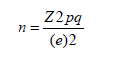
Where;
n = Sample size
p = the fraction of the population (percentage) = 50% = 0.5
q = 1-p
Z = z value at a confidence level of 95% = 1.96
e = desired level of precision, the margin error = 5% = 0.05
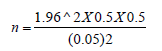
n = 385 (Approximately)
However, for more reliability of the sample mean as the estimator of the population, the sample size was increased by 20% to give 462 which was used for this study to give room for unreturned questionnaires.
Sampling Technique
Multi-Stage sampling technique was adopted. The multi-stage sampling approach involved dividing the population into different stages for a systematic and comprehensive sampling process. First the faculties in the university were listed out. University of Port Harcourt comprises of twelve faculties, out of which 6 faculties were randomly selected. From the 6 selected faculties, the comprising departments in each faculty were listed out, out of which 4 departments were selected from each of the 6 faculties, making a total of 24 departments. Out of the 24 selected departments, 20 students were selected from each department from 100-400 levels. From each department, 5 students were randomly selected from each level using their Matriculation number as a guide; any student whose Matriculation number ends with 0 or 5 was selected to make up the number. The selected students were contacted through their course rep to fill the questionnaire. For the qualitative aspect, purposive sampling method was used to select 7 participants. They were grouped into 2 groups based on their sexes.
Methods of Data Collection/Instrumentation
Data was collected using a structured questionnaire which comprised of two sections, A and B. Section A was used to generate demographic data for the respondents, which includes gender, age, marital status, educational level attained, and other questions. Section B contains factors affecting the utilization of the YFC by undergraduate students using four likert-scales. The respondents were required to tick against each item as it best applied to him or her. The questionnaire was designed to be simple and concise, with written instructions on how to fill each section.
Methods of Data Analysis
The researcher collected all returned questionnaires, separating those that are adequately filled from those that are not. SPSS version 23 was used to code items for analysis. Descriptive statistics by percentage and inferential statistics was used to analyze the data obtained from the field. Regression analysis was also one of the methods of data analysis. Percentage and mean were used to analyse data about socio-demographic data and research questions respectively. Thus, the overall percentage and grand mean was found out and conclusions regarding research questions was drawn.
Results
Out of the 462 questionnaires distributed, 451 were retrieved, yielding a high response rate of 97.6%. The majority of respondents were aged 18–25 years (89.1%), with only 10.9% under 18. Females made up 56.1% of the sample, while males constituted 43.9%. Most respondents were single (93.6%), with a small proportion married (5.8%) or divorced (0.7%). Academic level distribution showed the highest representation from third-year students (25.9%) and the least from first-year students (15.1%). In terms of residence, 37.2% lived off-campus, followed by Abuja campus (28.8%), Delta campus (18.4%), and Choba campus (15.5%). A vast majority (94.7%) had never visited the Youth-Friendly Centre (YFC) (Table 1).
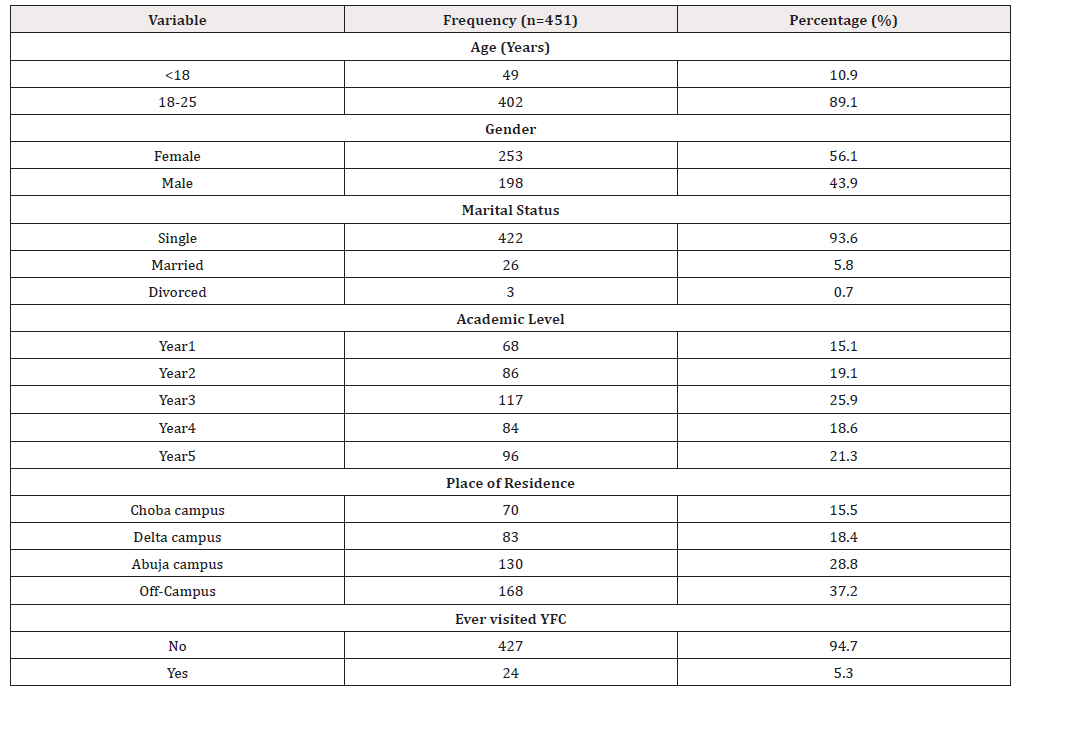
Table 1:Socio-demographic Characteristics of the respondents.
Only 13.5% of respondents had ever used services at the YFC. Among these users, counselling services (35.3%), health education (34.4%), and sexual and reproductive health services (30.3%) were the most utilized. Despite this, 86.3% of all respondents were neutral about satisfaction, with only 6.4% expressing satisfaction and 7.3% dissatisfaction. Major barriers to service use included lack of information (45.9%), lack of confidentiality (26.2%), social stigma (15.5%), financial constraints (11.3%), and cultural norms (11.3%) (Table 2).
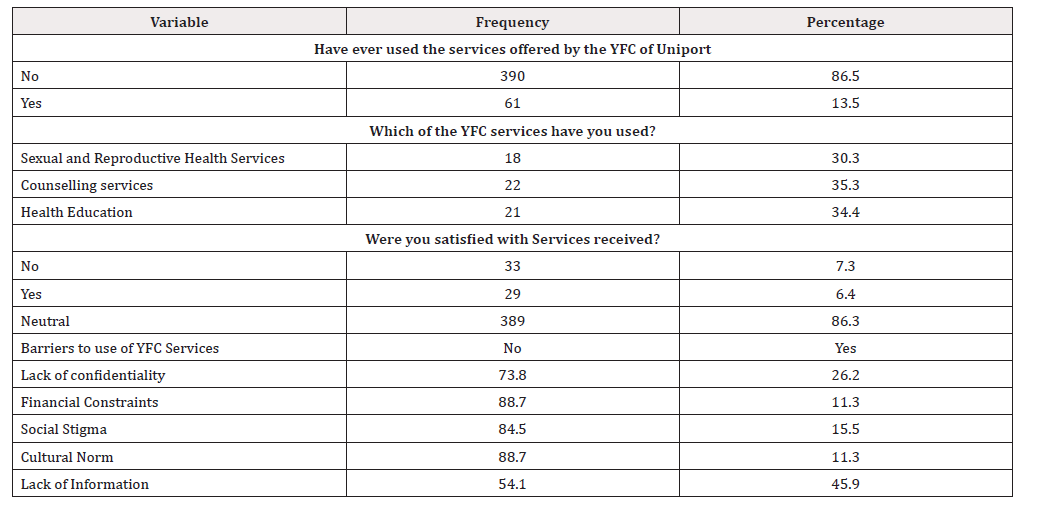
Table 2:Utilization of the YFC of Uniport.
Although a greater number of female students (n=253) utilized the YFC services compared to males (n=198), the difference was not statistically significant (p = 0.38). Academic level also showed no significant association with YFC utilization, though higher academic levels (Years 3-5) showed better engagement. Similarly, place of residence did not significantly affect utilization rates (p = 0.593), although students living off-campus had the highest overall usage (Table 3).
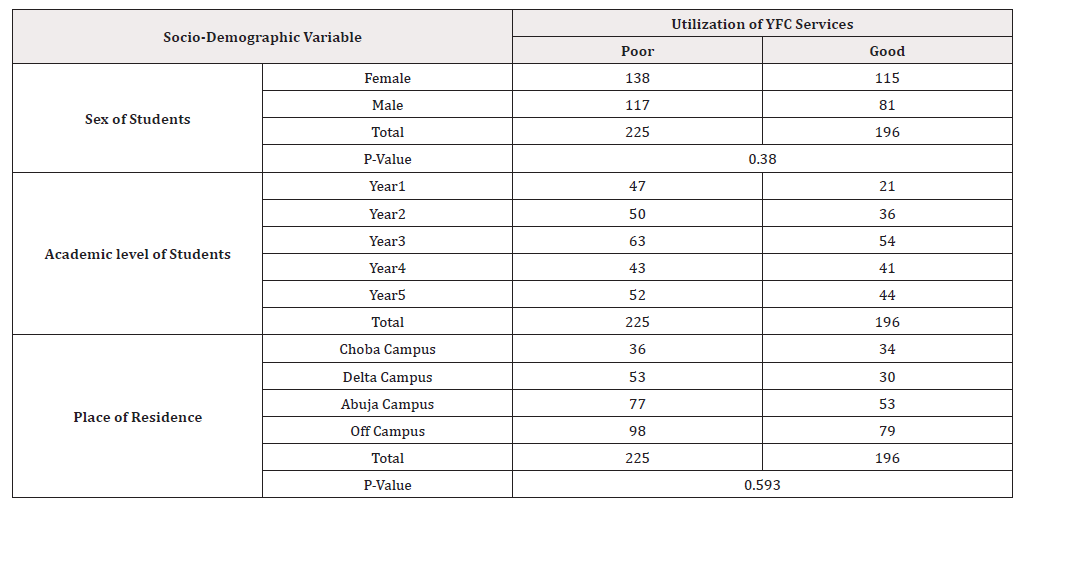
Table 3:Comparison of Socio-demographic of respondents with Utilization of YFC and its services.
Qualitative insights revealed key themes that influenced the utilization of YFC services. Facilitating factors included staff attitude and approachability, confidentiality, service variety, convenient location, and educational value. Conversely, barriers included stigma, inconvenient operating hours, long wait times, distance from faculties, and lack of awareness (Table 4). These themes were substantiated with representative quotes and coded in ATLAS.ti for qualitative analysis (Figure 1).
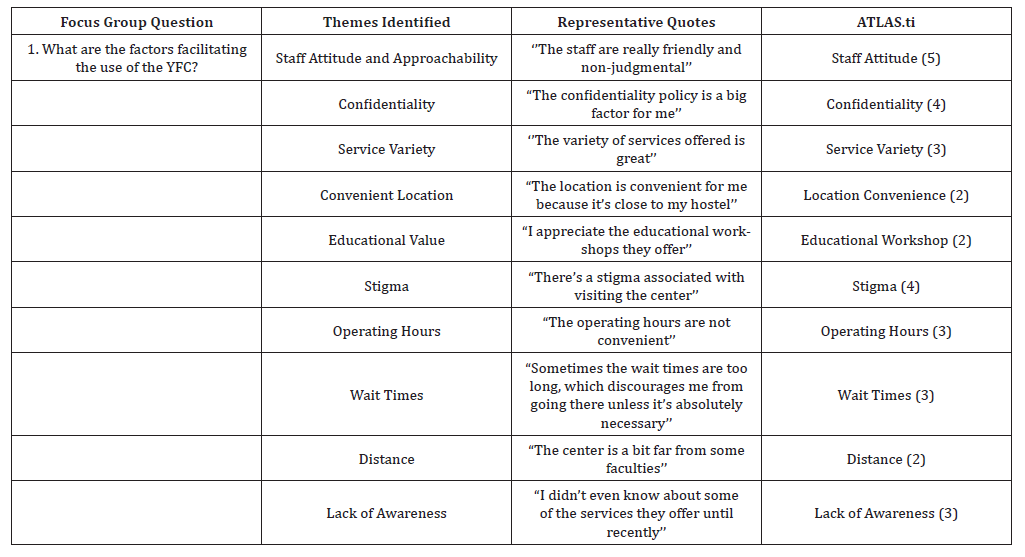
Table 4:Thematic representation of factors facilitating the use of the facility.
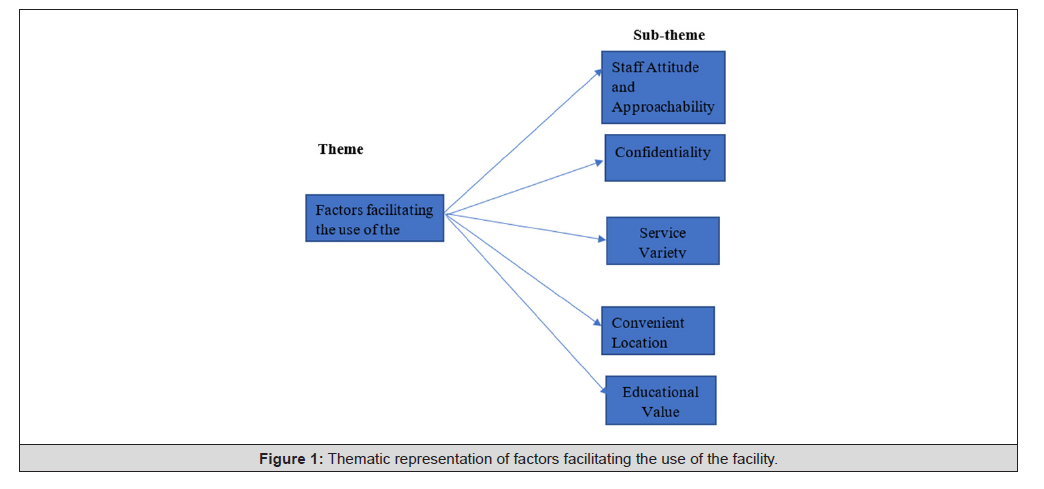
Figure 1:Thematic representation of factors facilitating the use of the facility.
Discussion
Our cross-sectional evaluation yielded a high questionnaire response rate of 97.6%, indicating strong participant engagement. This mirrors recruitment fidelity in similar studies. For example, Ninsiima, et al., [4] in Ethiopia reported high cooperation with response rates above 90%. Valid responses to taled 451 with only 2.4% missing data, affirming the robustness of our findings. The majority of participants (89.1%) were between 18-25 years, aligning with demographic distributions found in university-based youth service utilization studies [4]. Females constituted 56.1% of respondents, an important nuance since gender often influences healthcare seeking behavior. Marital status was predominantly single (93.6%), and distribution across academic levels was even, suggesting that barriers and utilization drivers are pervasive across study years. Notably, the resident distribution showed a considerable proportion (37.2%) living off-campus. Previous Nigerian studies, such as Femi-Adebayo, et al., [3], highlighted accessibility as a key determinant-off-campus students may experience greater physical distance from university centres.
Our data revealed that only 5.3% had ever visited the Youth Friendly Centre (YFC), and a slightly higher 13.5% reported actual utilization of its services. This low uptake is consistent with earlier Nigerian findings by Femi-Adebayo, et al., [3] describing utilization rates around 34.6% in Lagos, with similarly limited-service engagement. Of those who used YFC services, the most accessed were counseling (35.3%), health education (34.4%), and sexual and reproductive health services (30.3%). These patterns are in line with the literature, which shows youth gravitating toward counseling and reproductive health services when available [4,6]. Satisfaction levels were muted: 86.3% were neutral, with only 6.4% expressing satisfaction and 7.3% dissatisfaction. This neutrality may reflect ambiguous perceptions of service quality and effectiveness, suggesting room for quality enhancement. Confidentiality emerged as a major concern, with 26.2% citing it as a barrier. In Lagos, confidentiality was a strong predictor of utilization [3], and consistently appears as a structural barrier across sub-Saharan contexts [4]. Other less prominent barriers included social stigma (15.5%) and lack of information (45.9%). Comparable studies in Debre Tabor and Akure, Nigeria found lack of awareness to be a key impediment, affecting up to 75% of respondents [7].
Financial constraints and cultural norms were less commonly cited (~11%), suggesting somewhat lower structural financial and normative impediments at Uniport-contrasting with community- level findings across Nigeria and Ethiopia where such factors were more dominant [4,6]. In bivariate analyses, no significant differences in utilization were observed across gender (p=0.38), academic level, or place of residence (p=0.593). This deviates from prior evidence: many studies, including those by Ninsiima, et al., [4], reveal structural gender differences in utilization. However, our lack of statistical significance could reflect the uniformly low engagement across subgroups in our sample. Thematic focus group analyses revealed consistent facilitators aligned with international frameworks for youth-friendly services: Friendly, non-judgmental staff, echoing the importance of provider attitude identified in Tanzania, Ethiopia, and Uganda [4]. Confidentiality, which has repeatedly emerged as a cornerstone of youth preference [3]. Service variety and educational workshops, reflecting the multifaceted needs of youth and consistent with systematic review recommendations [4]. Convenient location and operational factors such as operating hours, wait times, and distance, all of which have been highlighted in rural hub and service access literature-including higher education contexts in Australia [8].
Qualitative responses also emphasized persistent barriers such as stigma, long wait times, and lack of awareness, which echo structural and individual obstacles identified in Kogi State [6]. Our findings align with a growing body of evidence underscoring that youth-friendly centers in low- and middle-income settings face similar hurdles-limited awareness, confidentiality concerns, structural accessibility issues, and provider attitudes. Addressing these concerns requires a multi-pronged approach: enhanced promotional efforts within student networks, flexible operating hours, staff training emphasizing confidentiality and youth orientation, and infrastructural modifications to reduce distance and waiting times. Additionally, international perspectives from rural higher-education hubs in places like Australia suggest that designing service models around students’ real-world schedules and providing support resources (such as study hubs) can enhance uptake [8].
Conclusions
The University of Port Harcourt’s YFC exhibits low but comparable utilization levels to other youth-friendly services in sub-Saharan Africa. Barriers including confidentiality, awareness, stigma, and service logistics persist, while facilitators center around staff attitude, service range, and operational accessibility. Our findings underscore the need for tailored interventions in line with best practices from both regional and global contexts.
Acknowledgement
None
Conflict of Interest
None
References
- Ezenwaka U, Mbachu C, Ezumah N, Eze I, Agu C, et al. (2020) Exploring factors constraining utilization of contraceptive services among adolescents in Southeast Nigeria: An application of the socio-ecological model. BMC Public Health 20(1): 1162.
- Okosun OP (2017) Knowledge, perception and utilization of youth friendly centre among undergraduates of the University of Ibadan, Nigeria [Master's thesis, University of Ibadan]. African Digital Health Library.
- Femi Adebayo TT, Kuyinu Y, Adejumo OA, Goodman O (2017) Factors affecting utilization of youth friendly health services in Lagos State, Nigeria. International Journal of Adolescent Medicine and Health 31(2): 20160159.
- Ninsiima LR, Chiumia IK, Ndejjo R (2021) Factors influencing access to and utilisation of youth-friendly sexual and reproductive health services in sub-Saharan Africa: A systematic review. Reproductive Health 18(1): 135.
- Ezebuiro EI, Abali IO, Akenroye SG, Onyemereze CO, Airaodion AI (2025) The Role of Male Involvement in Family Planning and Contraceptive Use in Nigeria. Journal of Counselling and Family Therapy 7(1): 30-37.
- Adione AA, Abamara NC, Vivalya BM (2023) Determinants of the utilization of youth-friendly sexual and reproductive health services in public secondary schools of Kogi State, Nigeria: An explorative study. BMC Public Health 23(1): 1091.
- Elemile MG, Oladapo MM, Ojo IC, Ogunmuyiwa OE, Okhomina FO (2023) Knowledge and utilization of youth friendly services among adolescents in selected secondary schools in Akure, Nigeria. LAUTECH Journal of Nursing 12: 1-11.
- Panagopoulos J (2024) Rural study hubs ‘fundamental’ to growing regional workforce. The Australian.




 We use cookies to ensure you get the best experience on our website.