
Research Article 
 Creative Commons, CC-BY
Impact of Blood Group Variations on Health Outcomes in Abia State, Nigeria
*Corresponding author:Kelechi Chikezie, Department of Haematology and Blood Transfusion, Federal Medical Centre, Umuahia, Abia State, Nigeria and Abia State University, Uturu, Nigeria.
Received:August 13, 2025; Published:August 20, 2025
DOI: 10.34297/AJBSR.2025.28.003654
Abstract
Background: Blood group antigens have been implicated in susceptibility to various diseases and clinical outcomes. Variations in ABO and Rhesus
(Rh) blood groups may influence disease prevalence, transfusion compatibility, and pregnancy outcomes. Despite the clinical relevance, data on the
relationship between blood group variations and health outcomes in Abia State, Nigeria, remain limited. This study assessed the distribution of ABO
and Rh blood groups and examined their associations with selected health outcomes among patients at Federal Medical Centre, Umuahia, Abia State,
Nigeria.
Materials and Methods: A hospital-based descriptive cross-sectional study was conducted among 421 adult patients selected via systematic random
sampling. Data were obtained through structured interviewer-administered questionnaires and review of clinical records. ABO and Rh blood
groups were determined using standard agglutination techniques. Health outcomes assessed included malaria, anemia, hypertension, type 2 diabetes
mellitus, and pregnancy-related complications. Data were analyzed using IBM SPSS version 26.0. Chi-square tests evaluated associations
between categorical variables, while logistic regression controlled for confounders. Statistical significance was set at p < 0.05.
Results: The most prevalent ABO blood group was O (53.68%), followed by A (23.27%), B (17.57%), and AB (5.46%). Rh positivity was observed in
89.07% of participants. Significant associations were found between blood group and malaria (χ² = 9.84, p = 0.020), anemia (χ² = 12.67, p = 0.005),
and pregnancy-related complications (χ² = 8.43, p = 0.038). No statistically significant associations were observed with hypertension (p = 0.232) or
type 2 diabetes mellitus (p = 0.106). Mean hemoglobin concentration was 12.48 ± 1.26 g/dL, and mean BMI was 25.76 ± 4.19 kg/m².
Conclusion: Blood group variations, particularly in the ABO system, showed significant associations with malaria, anemia, and adverse pregnancy
outcomes in this population. These findings underscore the potential role of blood group typing in risk stratification and preventive health strategies.
Further longitudinal studies are warranted to elucidate underlying mechanisms.
Keywords:ABO blood group, Rhesus Factor, Health Outcomes, Malaria, Anemia
Introduction
Human blood group systems, especially the ABO and Rhesus (Rh) systems, represent fundamental inherited markers that influence transfusion compatibility, maternal–fetal haemolytic risk, and a range of disease susceptibilities [1]. The ABO system is defined by carbohydrate antigens on erythrocyte surfaces that differ between A, B, AB and O phenotypes, while the Rhesus system (principally the D antigen) determines Rh-positive or Rh-negative status. These antigenic differences matter clinically because they determine which blood can be safely transfused, the likelihood of Hemolytic Disease of the Newborn (HDN), and they also modulate circulating plasma proteins such as von Willebrand factor and factor VIII that influence haemostasis. Understanding the distribution of these blood groups in a given population is therefore a prerequisite for effective blood-banking, antenatal care and planning for maternal and neonatal services [2,3].
Beyond transfusion and obstetric implications, an expanding body of epidemiologic and mechanistic research links ABO (and, to a lesser extent, Rh) phenotypes with susceptibility to infectious diseases, thrombotic and cardiovascular disorders, and certain cancer risks. For example, multiple studies and systematic reviews have shown that non-O blood groups (A, B, AB) are often associated with higher levels of von Willebrand factor and factor VIII and an increased risk of venous thromboembolism and some arterial events relative to group O. Similarly, meta-analyses and large observational studies have reported associations between ABO phenotypes and susceptibility or severity for infections such as Plasmodium falciparum malaria and viral infections including SARS-CoV-2 (COVID-19), with group O frequently appearing relatively protective in several settings and group A (or non-O) showing higher relative risk in some reports. These biological and epidemiologic links give plausibility to the hypothesis that blood group variation can influence a range of measurable health outcomes at both the individual and population level [4,5] (Figure 1).

Figure 1:The Eight Blood types when ABO and Rh Systems are in Combination.
In the Nigerian context, and West Africa more broadly, several hospital and community studies have documented that blood group O is commonly the predominant ABO phenotype, with A and B less frequent and AB least frequent; Rh D negativity is present but at substantially lower frequencies than in European populations. Local studies from tertiary and university settings have recorded this O-dominant pattern repeatedly, which has direct implications for managing local blood supplies (for example, demand for group O is high and shortages of specific non-O or Rh-negative stocks can be problematic). The specific distribution in communities around Abia State and within health-care seekers at Umuahia is therefore important to document: such local frequency data will inform blood-bank stocking, antenatal antibody screening strategies, and preparedness for HDN or transfusion-dependent clinical services at Federal Medical Centre, Umuahia [6].
Several Nigerian studies have specifically explored relationships between ABO/Rh phenotypes and local health challenges. For infectious diseases, research in Nigeria and nearby countries sug gests ABO phenotype differences in susceptibility and severity of malaria: some studies find higher risk or severe disease in groups A/B/AB and relative protection in group O, consistent with mechanistic work on resetting and erythrocyte–parasite interactions. Other parasitic or enteric infections have produced mixed results, so local, disease-specific inquiry remains necessary. For maternal–child health, Nigerian antenatal series show a measurable prevalence of Rh D negativity and report occurrences of ABO-related HDN; local prevalence estimates help predict the burden of alloimmunization and guide antenatal prophylaxis and resource allocation. Collecting contemporaneous, hospital-based data in Umuahia therefore addresses an actionable gap: how current blood group patterns map onto infectious disease burden, pregnancy outcomes, transfusion use and other clinical endpoints in Abia State [7,8].
Cardiometabolic associations are a further reason to study blood groups locally. Evidence from African and global cohorts indicate non-O phenotypes may be associated with adverse lipid profiles, higher levels of clotting factors, and modestly increased cardiovascular risk; however, findings are heterogeneous and many studies are small or regionally limited. Given rising cardiovascular Disease (CVD) burdens in Nigeria, exploring whether ABO/Rh phenotypes correlate with CVD risk factors or outcomes among patients attending Federal Medical Centre, Umuahia could reveal locally relevant risk stratification insights or generate hypotheses for larger prospective work. Because genetic background, environmental exposures, and comorbidity patterns differ across populations, locally derived evidence is essential rather than extrapolating solely from non-African cohorts [9,10].
Operationally, a focused study at Federal Medical Centre, Umuahia can produce multiple practical benefits. First, it can establish up-to-date ABO and Rh frequency tables for the hospital catchment to support blood-bank inventory management, emergency transfusion planning and targeted donor recruitment. Second, by linking blood group data to clinical records (for example, diagnoses, transfusion events, maternal and neonatal outcomes, infectious disease severity, and selected laboratory markers), the study can empirically assess whether the associations suggested by broader literature hold in this setting. Third, such evidence can inform antenatal screening policies (e.g., allocation for Rh immune prophylaxis), transfusion protocols, and public-health messaging about disease risk. Finally, the study will add to Nigeria’s epidemiologic knowledge base and can act as a foundation for longitudinal or interventional studies (for example, examining whether targeted management changes based on blood group status improve outcomes) [4,6]. ABO and Rh blood group systems are clinically and biologically significant beyond transfusion compatibility; they are implicated in infectious disease susceptibility, haemostatic balance and cardiovascular risk, and they have direct obstetric consequences. Nigeria’s existing but geographically fragmented evidence suggests common regional patterns (predominance of group O, low but important Rh D negativity) and disease-specific associations that merit local verification. A rigorous, hospital-based investigation in Umuahia will therefore produce both practical health-system benefits and generalizable epidemiologic insights about how inherited blood group variation impacts health outcomes in Abia State [11,12].
Materials and Methods
Study Design
This study employed a hospital-based descriptive cross-sectional design to investigate the association between ABO and Rhesus (Rh) blood group variations and selected health outcomes among patients attending Federal Medical Centre, Umuahia, Nigeria. The cross-sectional approach was deemed appropriate for assessing the prevalence of blood group types and evaluating their relationship with various disease conditions within a defined population at a specific point in time.
Study Setting
The research was conducted at Federal Medical Centre (FMC), Umuahia in Abia State, Nigeria. FMC Umuahia is a tertiary healthcare facility and referral center for surrounding communities in Abia State and neighboring states. It provides a wide range of diagnostic, preventive, and curative services, and houses specialized departments such as Hematology, Internal Medicine, Surgery, Obstetrics and Gynecology, and Pediatrics. The hospital also operates a fully functional blood bank and hematology laboratory where routine blood grouping is performed. The hospital’s average patient attendance ranges from 150–300 outpatients daily, with a catchment population representing diverse ethnic and socio-economic backgrounds.
Study Population
The study population comprised patients aged 18 years and above who attended Federal Medical Centre, Umuahia for routine clinical care, laboratory investigations, blood donation, or medical check-up, and whose ABO and Rh blood group profiles had been determined in the hospital’s hematology laboratory. Participants with documented medical histories were included to allow for evaluation of the relationship between blood group types and selected health outcomes.
Inclusion Criteria
Participants were eligible if they:
1) Were aged ≥18 years.
2) Had documented ABO and Rh blood group results from the
Federal Medical Centre, Umuahia Hematology Laboratory.
3) Provided written informed consent to participate in the study.
4) Had accessible clinical records for relevant health outcome assessment.
Exclusion Criteria
Participants were excluded if they:
1) Were below 18 years of age.
2) Had incomplete or missing laboratory data on blood grouping.
3) Declined to participate in the study.
4) Had inconclusive or contradictory medical records that could
affect health outcome analysis.
Sample Size Determination
The sample size was calculated based on Cochran’s formula for population proportion estimation, following the methodology described by Ezebuiro et al. [13]:
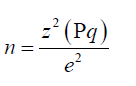
The formula components are defined as follows:
n = represents the minimum required sample size.
Z = is set at 1.96, corresponding to a 95% confidence level.
P = denotes the prevalence of the most common blood
group in Nigeria.
e = signifies the allowable margin of error, fixed at 5%
(0.05).
q = 1 - p
A recent study conducted by Akogu et al. [14] reports the prevalence of the most common blood group (blood group O) in Nigeria as 53.6%
P = 53.6% = 0.536
q = 1 – 0.536
= 0.464
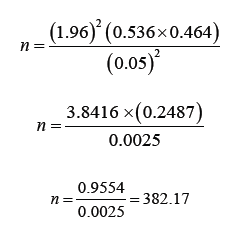
Although the initially calculated minimum sample size was 382, it was increased to 421 to accommodate an anticipated 10% rate of non-response.
Sampling Technique
A systematic random sampling technique was employed. Daily laboratory registers at Federal Medical Centre, Umuahia were used as the sampling frame, and every 3rd eligible participant was selected until the required sample size was achieved. The sampling interval (3) was determined by dividing the average daily number of eligible patients by the daily recruitment target as described by Akwuruoha et al. [15].
Data Collection Instruments and Procedure
Data were collected using a structured interviewer-administered
questionnaire and a data extraction sheet. The questionnaire
captured:
1) Socio-demographic data (age, sex, ethnicity, occupation, education
level).
2) Lifestyle factors (smoking, alcohol consumption, physical activity).
3) Medical history (family history of chronic diseases, previous
hospitalizations).
4) Self-reported health status.
The data extraction sheet was used to obtain:
1) ABO and Rh blood group results from laboratory records.
2) Clinical diagnoses from patient case files.
3) Relevant laboratory results (e.g., hemoglobin levels, fasting
blood glucose, lipid profile).
4) Hospital outcome data (e.g., morbidity patterns, transfusion
history, pregnancy-related outcomes for female patients).
Blood grouping and Rh typing were conducted by qualified laboratory scientists using standard agglutination methods with commercially prepared monoclonal antisera (anti-A, anti-B, and anti-D) following WHO-recommended procedures.
Health Outcomes Assessed
Health outcomes examined included:
1) Incidence of malaria (based on laboratory-confirmed Plasmodium
falciparum infection).
2) Prevalence of anemia (based on WHO hemoglobin thresholds).
3) Occurrence of hypertension (BP ≥140/90 mmHg or documented
diagnosis).
4) Prevalence of type 2 diabetes mellitus (FPG ≥7.0 mmol/L or
documented diagnosis).
5) Maternal outcomes among obstetric patients (e.g., pregnancy-
induced hypertension, haemorrhage, and neonatal outcomes).
Quality Control
To ensure data accuracy:
1) Data collectors were trained prior to fieldwork.
2) Blood group determination was performed in duplicate for all
participants.
3) Questionnaires were pre-tested on 20 patients at a different
health facility (Umuahia General Hospital) and modified based
on feedback.
4) Completed questionnaires and extraction sheets were reviewed
daily by the principal investigator for completeness.
Ethical Considerations
Written informed consent was obtained from all participants after explaining the study objectives, procedures, and confidentiality measures. Participants were informed of their right to withdraw at any stage without any consequence to their medical care. All collected data were coded to protect participant identity.
Data Management and Statistical Analysis
Data were entered into IBM SPSS Statistics version 26.0 for analysis. Descriptive statistics (frequencies, percentages, means, and standard deviations) were computed for socio-demographic variables, blood group distributions, and health outcomes. The Chisquare test was used to assess associations between blood group types and categorical health outcomes, while independent samples t-test or ANOVA was used for continuous variables where applicable. Logistic regression models were applied to control for potential confounders (age, sex, lifestyle factors) in determining the association between blood group variations and specific health outcomes. Statistical significance was set at p < 0.05.
Results
The study included 421 participants, with the largest proportion aged 28–37 years (29.93%), followed by those aged 38–47 years (23.99%). Females constituted 55.11% of the sample. The majority were of Igbo ethnicity (79.81%) and had attained tertiary education (52.73%) (Table 1).
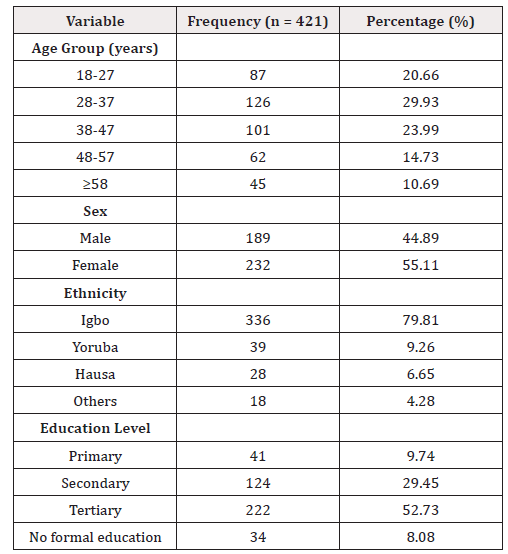
Table 1:Socio-demographic Characteristics of Participants.
The most prevalent ABO blood group was O (53.68%), followed by A (23.27%), B (17.57%), and AB (5.46%). Most participants were Rhesus positive (89.07%) (Table 2). Regarding lifestyle factors, the average frequency of physical activity per week was moderate (3.12 ± 1.08), with relatively low alcohol consumption (2.64 ± 1.21) and cigarette smoking (1.42 ± 0.88). Participants self-rated their diet quality at 3.48 ± 0.97 and sleep quality at 3.22 ± 1.15 (Table 3).
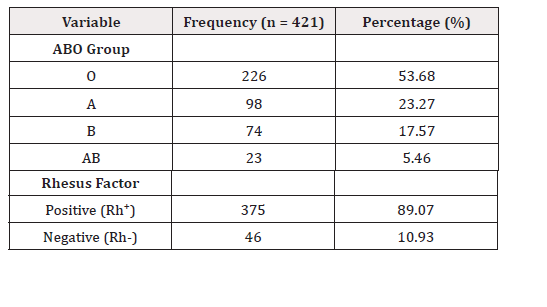
Table 2:Distribution of ABO and Rh Blood Groups.
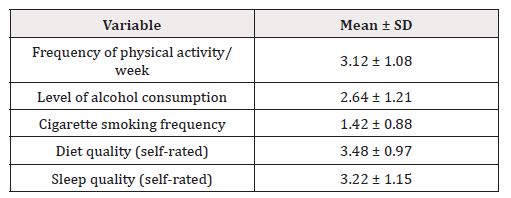
Table 3:Lifestyle Factors (5-Point Likert Scale).
Malaria (43.71%) and anemia (31.35%) were the most common health outcomes, followed by hypertension (23.04%), type 2 diabetes mellitus (14.73%), and pregnancy-related complications (23.28% among females) (Table 4). The mean hemoglobin concentration was 12.48 ± 1.26 g/dL, fasting blood glucose 5.72 ± 1.18 mmol/L, systolic blood pressure 126.38 ± 14.55 mmHg, diastolic blood pressure 82.47 ± 9.88 mmHg, and BMI 25.76 ± 4.19 kg/m² (Table 5).
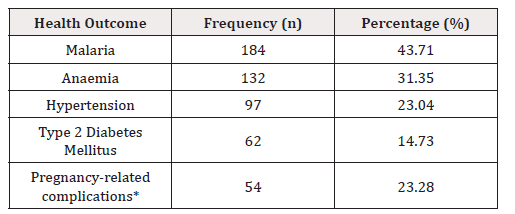
Table 4:Prevalence of Health Outcomes by Blood Group
*Among female obstetric patients only (n = 232)
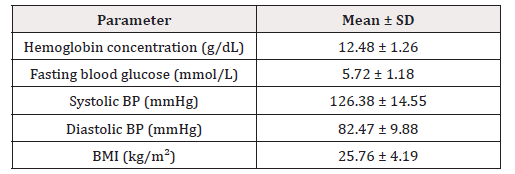
Table 5:Selected Clinical Parameters.
Statistically significant associations were observed between blood group and malaria (p = 0.020), anemia (p = 0.005), and pregnancy complications (p = 0.038), but not with hypertension (p = 0.232) or type 2 diabetes mellitus (p = 0.106) (Table 6). Correlation analysis revealed that age was positively associated with BMI, systolic blood pressure, diastolic blood pressure, and fasting blood glucose, but negatively correlated with hemoglobin concentration. BMI was positively associated with blood pressure measures, while hemoglobin showed weak negative correlations with most parameters (Table 7).
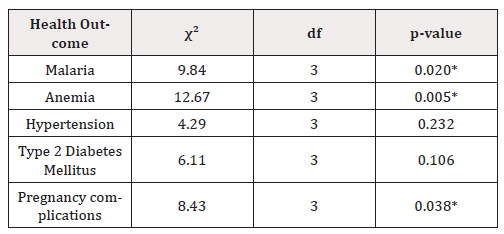
Table 6:Association Between Blood Group and Health Outcomes (n = 421).
*p < 0.05 indicates statistical significance
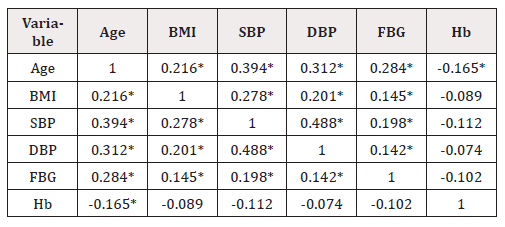
Table 7:Pearson Correlation Matrix of Selected Continuous Variables.
*Correlation significant at p < 0.05
Discussion
The present study investigating blood group variations and associated health outcomes among 421 participants at Federal Medical Centre, Umuahia reveals a distribution that aligns with broader Nigerian and regional trends. We observed that blood group O was the most prevalent (53.68%), followed by A (23.27%), B (17.57%), and AB (5.46%). This mirrors national patterns, where O consistently emerges as the dominant blood group, with AB being least common, as documented across Nigeria’s geopolitical zones, including the South-South region, by Enosolease and Bazuaye [16], Falusi et al. [17], Nwauche & Ejele [18], and Ejele et al. [19].
Our cohort also exhibited high Rh positivity (89.07%), consistent with other African contexts where Rh-positive status dominates the population, a trend repeatedly confirmed in transfusion medicine studies [20-22]. Regarding associations with infectious and non-communicable conditions, our findings demonstrate significant relationships between blood group and several outcomes. Notably, associations were statistically significant (p < 0.05) for malaria, anemia, and pregnancy-related complications, but not for hypertension or type 2 diabetes mellitus.
The link we observed between blood group and malaria/anemia is well supported in the literature. Studies from Taraba State and other parts of Nigeria have reported that individuals with blood group A and B are more susceptible to malaria, while blood group O may confer some protection-a phenomenon attributed to reduced rosette formation and cytoadherence in group O cells [23,24]. A study from Bayelsa State further found that, although group O harbored more parasites, the relationship was not statistically significant, highlighting the complex interplay between host blood groups and malaria infection [25]. Our significant association between blood group and malaria aligns with these findings and possibly reflects the endemic environment in Abia State.
Concerning pregnancy-related complications, our study revealed a significant association (χ² = 8.43; p = 0.038). The literature presents a nuanced picture: some studies, including a cohort in Abuja, reported increased susceptibility among AB individuals to gestational hypertensive disorders [26], while national meta-analyses show inconsistent results-some linking non-O groups with higher risk of preeclampsia but others finding no clear association [27,28]. A recent meta-analysis concluded that blood group O may have a protective role in preeclampsia, whereas AB may elevate risk [28]. These patterns resonate with our findings and underline the potential importance of ABO grouping in obstetric risk assessment.
In contrast, our lack of significant association with hypertension and type 2 diabetes diverges somewhat from broader literature, where non-O blood groups have occasionally been linked with cardiovascular and metabolic disease risk. However, such associations are often inconsistent, context-specific, and influenced by confounders like BMI and ethnicity. Additional local studies would help clarify whether population-specific dynamics are at work. Examining sociodemographic and lifestyle dimensions, the majority of participants were young to middle-aged adults (18–47 years; roughly 75%), predominantly female (55%), and largely of Igbo ethnicity (nearly 80%), with over half holding tertiary education. Self-reported lifestyle scores revealed moderate levels of physical activity and diet quality, low smoking frequency, moderate alcohol use, and average sleep quality. Clinical parameters, mean hemoglobin of 12.48 g/dL, BMI of 25.8 kg/m², fasting glucose of 5.72 mmol/L, and blood pressures around 126/82 mmHg, reflect generally normative values. Our Pearson correlation analysis further confirms expected physiological trends: age positively correlated with BMI, systolic and diastolic blood pressure, and fasting glucose, while inversely correlating with hemoglobin. These age-associated patterns resonate with established epidemiological data on metabolic and hematologic changes across the lifespan.
Conclusion
This study’s findings align substantially with national patterns in blood group distribution and reinforce known associations, particularly between ABO blood groups and malaria or anemia, and suggest possible implications for pregnancy management. The significant relationship between blood group and pregnancy-related complications warrants further focused investigation in larger, prospective cohorts, perhaps incorporating genetic ABO genotyping to refine risk stratification. Moreover, the absence of significant associations with hypertension and diabetes observed here invites further research to delineate potential modifiers in the local context.
Acknowledgement
None.
Conflict of Interest
None
References
- Uche CL, Ugwu NI, Ogbenna AA, Okite UP, Chikezie K, et al. (2024) Abnormal Haematological Profile caused by Potassium Bromate in Wistar Rats is corrected by Parkia biglobosa seed. Nigerian journal of physiological sciences: official publication of the Physiological Society of Nigeria 39(1): 119-124.
- Uche CL, Owojiugbe TO, Abali IO, Eke OK, Ogbenna AA, et al. (2024) Challenges of blood transfusion services in Abia State: A study on infrastructure and manpower. Journal of General Medicine and Clinical Practice 7(18).
- Ugwu NI, Uche CL, Ogbenna AA, Okite UP, Chikezie K, et al. (2023) Blood Coagulation Normalization Effect of Parkia Biglobosa Seed on Potassium Bromate-induced Coagulopathy. West African journal of medicine 40(2): 148-154.
- Liu FH, Guo JK, Xing WY, Bai XL, Chang YJ, et al. (2024) ABO and Rhesus blood groups and multiple health outcomes: an umbrella review of systematic reviews with meta-analyses of observational studies. BMC medicine 22(1): 206.
- Degarege A, Gebrezgi MT, Ibanez G, Wahlgren M, Madhivanan P (2019) Effect of the ABO blood group on susceptibility to severe malaria: A systematic review and meta-analysis. Blood Reviews 33: 53-62.
- Umar H, Isezuo SA, Usman MZ, Adeshina YA, Umar BT, et al. (2020) ABO-Rhesus blood group distribution among peri-partum cardiomyopathy patients: A multi-center study in Sokoto, Nigeria. International Journal of Clinical Cardiology 7(182).
- Afoakwah R, Aubyn E, Prah J, Nwaefuna EK, Boampong JN (2016) Relative Susceptibilities of ABO Blood Groups to Plasmodium falciparum Malaria in Ghana. Advances in hematology 2016: 5368793.
- Okeke TC, Ocheni S, Nwagha UI, Ibegbulam OG (2012) The prevalence of Rhesus negativity among pregnant women in Enugu, Southeast Nigeria. Nigerian Journal of Clinical Practice 15(4): 400-402.
- Ba DM, Sow MS, Diack A, Dia K, Mboup MC, Fall PD, et al. (2017) Cardiovascular disease and ABO blood-groups in Africans. Are blood-group A individuals at higher risk of ischemic disease?: A pilot study. Egypt Heart J 69(4): 229-234.
- Mukhtar IG, Abdullahi AT (2022) Relationship between ABO blood group phenotypes and some cardiovascular risk factors among undergraduate students in Kano, Nigeria. Nigerian Journal of Experimental and Clinical Biosciences 10(4): 116-123.
- Ugwu NI, Uche CL, Airaodion AI, Ogbenna AA, Chikezie K, et al. (2024) Impact of Corchorus olitorius Leaf Extract on Potassium Bromate-Induced Haematological Parameters Derangement in Rats. Tropical Journal of Natural Product Research 8(7): 7786-7792.
- Airaodion AI, Ogbuagu EO (2020) Consumption of Tiger Nut (Cyperus esculentus L.) Improves Haematopoiesis in Wistar Rats. International Journal of Research and Reports in Hematology 3(1): 13-19.
- Ezebuiro EI, Abali IO, Akenroye SG, Onyemereze CO, Airaodion AI (2025) The Role of Male Involvement in Family Planning and Contraceptive Use in Nigeria. Journal of Counselling and Family Therapy 7(1): 30-37.
- Akogu SPO, Olumorin OI, Akor SE (2021) Distribution of ABO, Rhesus factor blood phenotype and haemoglobin genotype among antenatal clinic attendees in Anyigba, North Central Nigeria. European Journal of Medical and Health Sciences 3(6): 11-13.
- Akwuruoha EM, Onwube OC, Akwuruoha CU, Airaodion AI (2025) Prevalence, causes and psychological effects of miscarriage among women in Abia State University Teaching Hospital, Aba, Nigeria. American Journal of Biomedical Science & Research 27(5): 850-856.
- Enosolease ME, Bazuaye GN (2008) Distribution of ABO and Rh-D blood groups in the Benin area of Niger-Delta: Implication for regional blood transfusion. Asian journal of transfusion science 2(1): 3-5.
- Falusi AG, Ademowo OG, Latunji CA, Okeke AC, Olatunji PO, Onyekwere TO, et al. (2000) Distribution of ABO and Rh genes in Nigeria. African Journal of Medicine and Medical Sciences 29(1): 23-26.
- Nwauche CA, Ejele OA (2004) ABO and rhesus antigens in a cosmopolitan Nigeria population. Nigerian journal of medicine: journal of the National Association of Resident Doctors of Nigeria 13(3): 263-266.
- Ejele OA, Nwauche CA, Erhabor O (2004) The prevalence of hepatitis B surface antigenaemia in HIV positive patients in the Niger Delta Nigeria. Nigerian journal of medicine: journal of the National Association of Resident Doctors of Nigeria 13(2): 175-179.
- Tekle E, Adisu Y, Rikitu D, Teferi S, Fikadu A, et al. (2024) ABO and Rh (D) blood group phenotype distribution pattern among blood donors at the Nekemte Blood Bank, Oromia, West Ethiopia: a retrospective cross-sectional study. The Journal of international medical research 52(1): 3000605231223038.
- Sharma DC, Rai S, Iyenger S, Jain B, Sao S (2013) Prevalence and distribution of ABO and Rh-D antigens along with its subgroups and rare types in Greater Gwalior region. Open Journal of Blood Diseases 3(2): 69-73.
- Zaman R, Parvez M, Jakaria Md, Sayeed MA (2015) Study of ABO and Rh-D blood group among the common people of Chittagong city corporation area of Bangladesh. Journal of Public Health and Epidemiology 7(9): 305-310.
- Obisike VU, Makwe TO (2020) Association between ABO blood group and malaria infection and ownership and utilization of long-lasting insecticide-treated nets among school children in North Bank Area of Makurdi, Nigeria. Biomedical Journal of Scientific & Technical Research 31(2): 24036-24039.
- Opi DH, Ndila CM, Uyoga S, Macharia AW, Fennell C, et al. (2023) Non-O ABO blood group genotypes differ in their associations with Plasmodium falciparum rosetting and severe malaria. PLoS Genetics 19(9): e1010910.
- Abah AE, Grey A, Onoja H (2016) Plasmodium malaria and ABO blood group among blood donors in Yenegoa, Bayelsa State, Nigeria. Primary Health Care: Open Access 6(4): 1-4.
- Salihu AI, Adeniran LA, Oladimeji DM, Ajagbonna OP (2023) Correlation between ABO blood group and gestational hypertensive disorder among pregnant women in Abuja, Nigeria. Magna Scientia Advanced Research and Reviews 9(2): 13-21.
- Okechukwu ZC, Eleje GU, Adinma JI, Udigwe GO, Mbachu II, et al. (2025) Association between maternal ABO blood group and preeclampsia: a prospective cohort study. Therapeutic advances in reproductive health 19: 26334941251338621.
- Li T, Wang Y, Wu L, Ling Z, Li C, et al. (2021) The Association Between ABO Blood Group and Preeclampsia: A Systematic Review and Meta-Analysis. Frontiers in Cardiovascular Medicine 8: 665069.




 We use cookies to ensure you get the best experience on our website.