
Research Article 
 Creative Commons, CC-BY
Cardioprotective Benefits of Vaccination for Respiratory Infection and Impact on Incidence of Myocardial Infarction: A Systematic Review
*Corresponding author:Priyadarshi Soumyaranjan Sahu, Faculty of Clinical Medicine and Pre-Clinical Medicine, Medical University of the Americas, Nevis, St. Kitts & Nevis, West Indies.
Received:September 13, 2025; Published:September 24, 2025
DOI: 10.34297/AJBSR.2025.28.003711
Abstract
The incidence rate, global burden, and high degree of mortality associated with Community-Acquired Pneumonia (CAP) and subsequent Myocardial Infarction (MI), prioritizes primary prevention. Prevention by vaccination against respiratory infections has proven to not only reduce the incidence of CAP but is also suggested to reduce the incidence of MI and provide cardioprotective benefits. However, the variability of results warrants further exploration and that is the underlying basis for the current systematic review. A systematic literature search, review, and analysis was completed using the NCBI database. Notable inclusion criteria were studies published no later than 2012, free full-text articles, and studies published in the English language. Most articles were of observational study design with a small proponent of randomized controlled trials and one animal-based study. In total, 21 articles were analyzed in this review. This study showed that vaccination against respiratory infection reduced adverse clinical outcomes including all-cause death, major adverse cardiac events, stroke, and hospitalization rates in those with comorbidities. Efficacious vaccine matching during influenza season demonstrated a reduction in adverse clinical outcomes of patients with comorbidities and a subsequent decreased risk of complications. While cardioprotective mechanisms may be present in vaccine formulations against respiratory pathogens it cannot be demonstrated within this study, however, preliminary results of ongoing studies are promising. Regardless, vaccination against respiratory pathogens is recommended in elderly populations with comorbidities to reduce the incidence of adverse clinical outcomes.
Keywords:Vaccination, Respiratory infection, Cardio protection, Influenza, Pneumococcal, Myocardial infarction
Introduction
The World Health Organization identifies cardiopathy as the leading cause of illness and death worldwide, responsible for approximately 32% of all global deaths in 2019 [1]. Represented by the narrowing of coronary vasculature, Coronary Artery Disease (CAD) is a type of cardiopathy with acute Myocardial Infarction (MI) denoting its most severe manifestation [2,3]. While progressive improvements in acute MI therapies, treatment, and lifestyle modifications have reduced the global burden of disease, MI remains a formidable condition, affecting more than 7 million people worldwide every year and carrying a substantial hospitalization rate and economic impact [3]. Acute MI is described in the Fourth Universal Definition of MI as damage to myocardial cells with evidence of myocardial ischemia, irregular cardiac troponin biomarkers (i.e., one result greater than 99% of the upper range limit), and one of either myocardial ischemic symptoms, alterations demonstrated on Electrocardiogram (ECG), novel pathogenic Q waves on ECG, ischemic abnormalities or myocardial cell loss confirmed via imaging, or evidence of coronary thrombus (type 1 MI only, see below) [4,5]. MI classification distinguishes types 1 through 5 and depends on differences between pathology, clinical features, prognosis, and treatment [5]. MI type 1 occurs in the setting of atherothrombotic CAD and is commonly triggered by atherosclerotic plaque disruption, whereas MI type 2 is characterized by a mismatch in myocardial oxygen supply and demand [4,5]. ST-elevated and non-ST-elevated MI are two clinical settings of MI and refer to ECG changes noted in the setting of type 1 MI and help guide clinical intervention [6]. MI type 3 encompasses individuals suffering cardiac death with an absence of laboratory-confirmed cardiac biomarkers and manifestations suggestive of cardiac hypoperfusion, while MI type 4 and 5 are related to cardiac procedures with type 4, and sub-classifications A-C, occurring in the setting of Percutaneous Coronary Intervention (PCI), and type 5 in circumstances of Coronary Artery Bypass Grafting (CABG) [5].
Risk factors for both type 1 and type 2 MI include antecedent health problems including age, Hypertension (HTN), Diabetes Mellitus (DM), Hyperlipidemia (HLD), impaired renal capacity, and a previous background of CAD, while the strongest predictor of future events is a history of previous type 1 or type 2 MI [7]. Saaby, et al., identified anemia, supraventricular tachyarrhythmias, and respiratory failure as the leading risk factors for type 2 MI [4]. A previous study identified MI as among the most prevalent cardiovascular problems associated with Community-Acquired Pneumonia (CAP), with other associations of Heart Failure (HF) and atrial fibrillation suggestive of frequent cardiac injury in the presence of CAP [8]. Cangemi, et al., demonstrated elevated plasma levels of high-sensitivity cardiac troponin T in>50% of patients (mean age>60 years) with CAP at the time of admission [9]. Mortality rates within 30 days are greater in individuals with CAP that develop cardiac complications, with most cardiac events occurring within the first week of diagnosis and a continued risk for cardiovascular disease extending for several years following serious infection [10,9]. Though there are declining rates of CAP associated with Streptococcus pneumoniae, it remains the most clinically confirmed infectious agent worldwide along with Haemophilus influenzae, while cases involving influenza and non-influenza viruses are steadily on the rise [11]. Pathological mechanisms induced by acute respiratory infection include intraplaque inflammatory activity, plaque disruption, hypercoagulability, endothelial dysfunction, increased metabolic demand, and ventilation-perfusion deficits [8-10,12-15].
The incidence rate, global burden, and high degree of mortality associated with CAP and subsequent MI prioritize primary prevention. Clinical emphasis is placed upon lifestyle modification to establish healthy behavior such as tobacco cessation, balanced nutritional intake, exercise, body weight reduction, and limited alcohol use [16]. Other risk factor mitigation strategies include exercise- based cardiac rehabilitation, management of psychosocial factors (e.g., depression, anxiety, stress), reduction in air pollution and environmental noise, pharmaceutical adherence, and influenza vaccination [16]. Interestingly, vaccination against respiratory infection has proven to not only reduce the incidence of CAP but is also suggested to reduce the incidence of MI and provide cardioprotective benefits [10,15]. However, the variability of results warrants further exploration and will be the underlying basis for this review. The purpose of this research is to explore the question, “What cardioprotective benefits are provided by respiratory vaccination in patients with respiratory infection?”. The goal of this study was to locate original research that discusses cardio protection provided by vaccination against respiratory infection. Analysis of the studies found will provide insight into the impact of vaccination against respiratory infection and its effect on the incidence of MI, thereby guiding vaccination use as the primary prevention of MI in the presence of community-acquired respiratory infection.
Methods
Database
A literature review was completed using the National Centre for Biotechnology Information (NCBI) database and all articles were accessed using PubMed.gov. Different terms used for searches were, “Myocardial Infarction and Vaccination”, “Cardioprotective Effects and Vaccination”, “Atherosclerosis and Vaccination”, “Respiratory Infection and Vaccination and Myocardial Infarction”, “Community- Acquired Pneumonia and Vaccination and Myocardial Infarction”, and “Vaccination and Acute Coronary Syndrome”.
Inclusion Criteria
Articles published within the last 12 years (i.e., 2012-2024) and article types such as Books and Documents, Case Reports, Classical Articles, Clinical Studies, Clinical Trials, Controlled Clinical Trials, Comparative Studies, Corrected and Republished Articles, Guidelines, Introductory Journal Article, Multicenter Study, Observational Study, Practice Guideline, Pragmatic Clinical Trial, Randomized Controlled Trial, Twin Study, and Validation Study. Further inclusion criteria included full free-text articles and publications written in the English language.
Exclusion Criteria
Articles more than 12 years old (i.e., those published before 2012). Meta-analysis, Review, and Systematic Review article types were excluded as were publications that were not accessible free of charge through current postsecondary institution registrations. Publications not written in the English language were also excluded.
Search Strategy
The initial keyword search was “Myocardial Infarction and Vaccination” which produced 622 results. Articles published before 2012 were excluded leaving 471 results. An advanced search added the article types listed in the inclusion criteria above to the sidebar that were selected. The article types excluded were Meta-Analysis, Review, and Systematic Reviews. The application of these filters produced 112 results. Free full-text articles and English-language publications were selected, leaving 88 results. The inclusion criteria of English-language publications had no impact on the number of articles found in this preliminary literature search. Abstracts of the 88 articles were reviewed. Articles that discussed or investigated a causal or correlational relationship between vaccination leading to MI, sudden death, or other adverse or thrombotic events, such as Vaccine-Induced Immune Thrombotic Thrombocytopenia (VITT), were excluded. Articles discussing study design and rationale or study protocols that did not include results were also excluded. Studies investigating comorbidities associated with other medical conditions (e.g. rheumatoid arthritis), articles not discussing the role of vaccination in MI risk reduction, or studies that investigated MI risk associated with infections in the absence of vaccination against respiration pathogens were excluded. One article was excluded due to a discussion of canine vaccination programs for pre- and post-rhabdovirus exposure. Another study was excluded as it investigated vaccination and its effects on metastatic castration- resistant prostate cancer. The number of articles remaining after inclusion and exclusion criteria totaled 12.
Additional searches were performed using the keywords, inclusion criteria, and exclusion criteria identified above, beginning with “Cardioprotective Effects and Vaccination”. 35 articles were identified with 3 articles remaining upon implementation of the selection criteria. Removal of articles identified in the previous searches and those not relevant to the topic left 2 articles remaining. The following keywords searched were “Atherosclerosis and Vaccination”, “Respiratory Infection and Vaccination and Myocardial Infarction”, “Community-Acquired Pneumonia and Vaccination and Myocardial Infarction”, and “Vaccination and Acute Coronary Syndrome”, which produced 627, 276, 12, and 169 results respectively. The addition of the inclusion and exclusion criteria produced 89 additional articles applicable for screening. The removal of articles identified in previous searches and the exclusion of articles not relevant to the topic resulted in a total of 7 articles between these four keyword searches.
Data Analysis
For analysis, the articles were initially compiled into an evidence table and organized based on the study design (Table 1), year of publication, level of evidence (Table 2), and study outcome. The evidence grading was determined by research design and produced a rating of 0-4 which is as outlined:
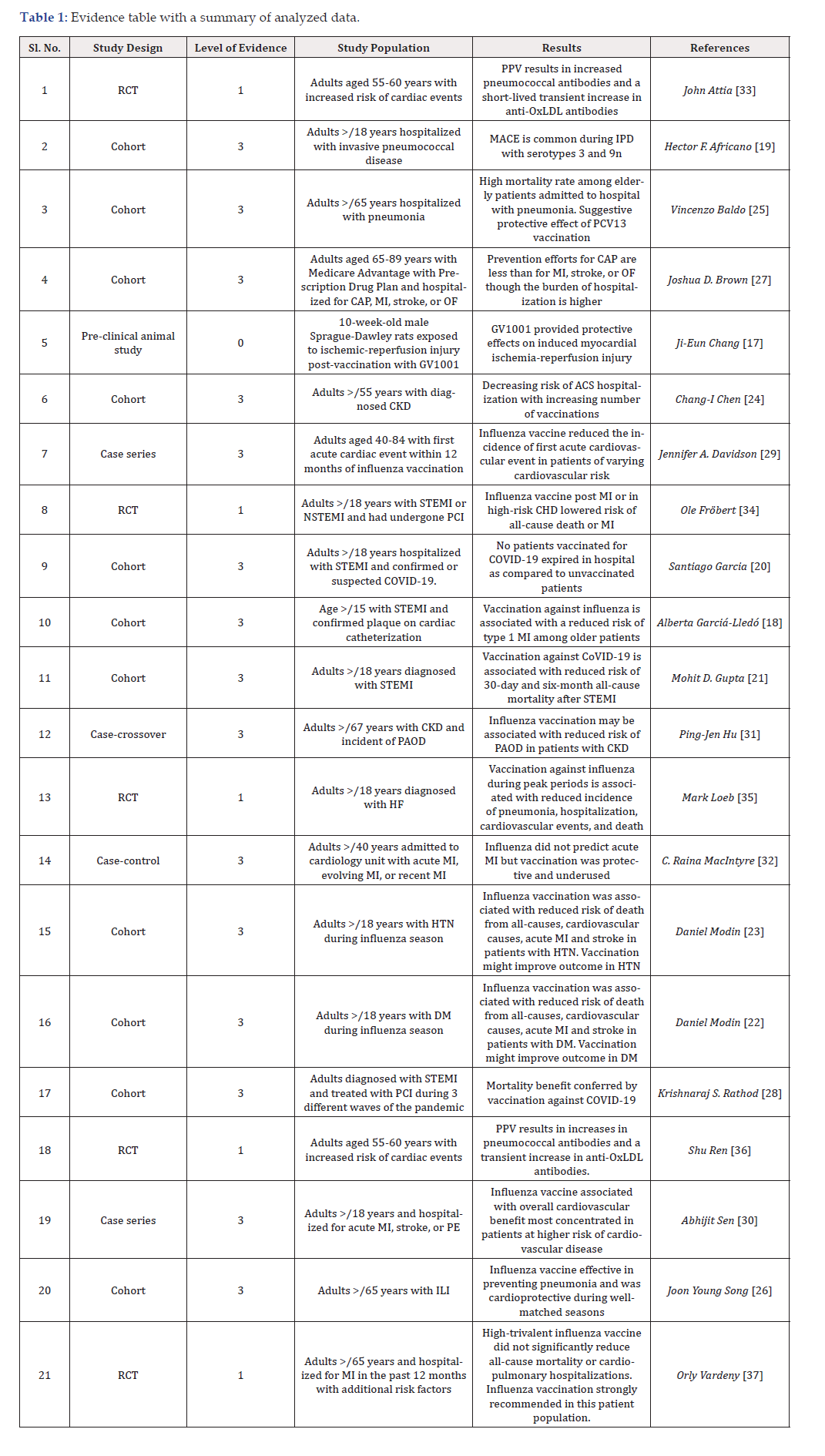
Table 1:Evidence table with a summary of analyzed data.
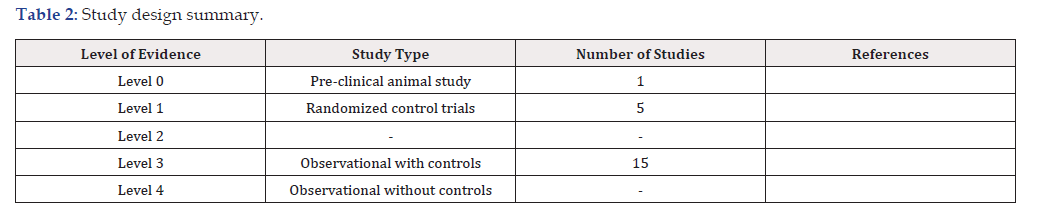
Table 2:Study design summary.
a) Level 0: Preclinical studies including experimental studies and
animal models
b) Level 1: Randomized controlled trials
c) Level 2: Non-randomized controlled trial; pre-planned with
predetermined eligibility criteria and outcome measures.
d) Level 3: Observational studies with controls.
e) Level 4: Observational studies without controls.
The risk of bias in the included studies was assessed independently by the primary reviewer, and then further assessed by two additional reviewers of supervisory capacity. The risk of bias assessment was done manually.
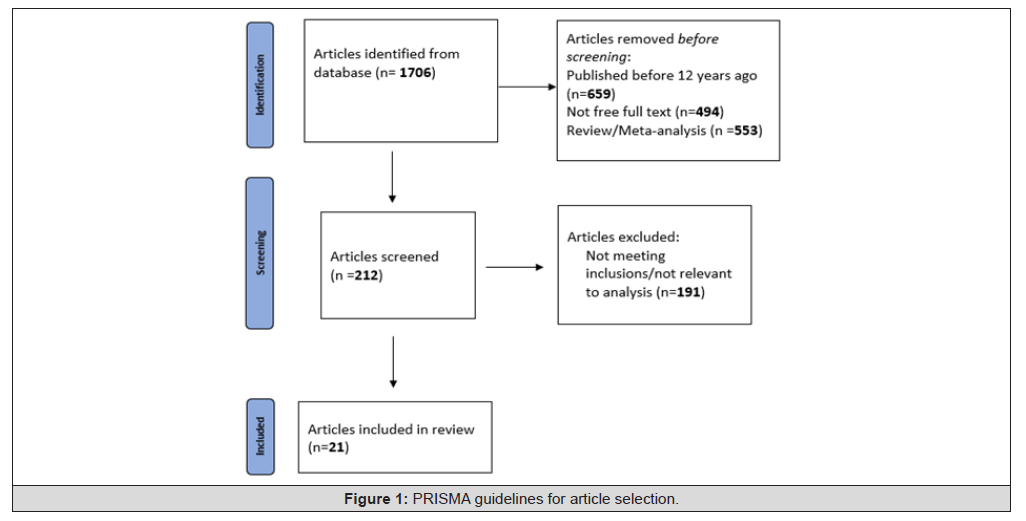
Figure 1:PRISMA guidelines for article selection.
Results
General Overview of Primary Literature
At the end of all keyword searches with applied inclusion and exclusion criteria, 212 articles remained fit for screening of which 21 were used in the final literature analysis. One study was presented as a molecular medicine report of a preclinical animal study [17]. 15 studies were of observational study design, 11 of which were cohort studies [18-28] two that were self-controlled case-series [29,30] one that was a case-crossover study [31] and one that was a case control study [32]. The remaining 5 studies were randomized controlled trials [33-37] (Table 1).
The preclinical animal study [17] exposed male rats to the vaccine to detect cardio protection in induced ischemia-reperfusion injury. The majority of the cohort studies involved patients hospitalized with respiratory infection (e.g., pneumonia, influenza- like-illness, COVID-19), invasive infectious disease, acute MI, stroke, or Chronic Kidney Disease (CKD), and assessed adverse event outcomes in vaccinated and unvaccinated participants. The remaining cohort studies assessed associations between vaccination against influenza and outcome in participants with comorbid conditions and risk factors for acute MI such as Hypertension (HTN) and Diabetes (DM). One self-controlled case series studied patients hospitalized with acute MI, stroke, or Pulmonary Embolism (PE), and the effects of influenza vaccination on patient outcome, and the other investigated associations between influenza immunization and first-time acute cardiovascular events in the context of individual cardiovascular risk. The case-crossover study assessed patients with CKD and the effects of the influenza vaccine on Peripheral Arterial Occlusive Disease (PAOD). The case-control study assessed patients admitted to hospitals with acute MI during influenza season and the effects of influenza vaccination on outcomes. Randomized controlled trials focused on adult patients with acute MI or MI-associated risk factors and the effects of exposure to vaccination (see Table 1 for a summary of study analysis).
General Overview of Sample Population
The preclinical animal study employed 10-week-old male Korean Sprague-Dawley rats, weighing between 300-350g [17]. Most of the human-based studies contained research on adult study populations with acute MI or MI-related comorbidities and compared the effects of vaccination on patient outcomes. Participants were aged >/15 years [18], >/18 years [19-23,30,34,35], >/40 years [32], >/55 years [24], >/65 years [25,26,31,37], or at some age range therein [27-29,33,36]. Participants were commonly identified using local registries in the geographical region(s) of interest which included Madrid [18], Bogota [19], England [29], North India [21], Sweden/Denmark/Norway/Latvia/United Kingdom/Czech Republic/Bangladesh/Australia [34], India/Philippines/Nigeria/ China/Zambia/Mozambique/Saudi Arabia/Kenya/Uganda/United Arab Emirates [35], North America [20,27], Denmark [22,23], Norway [30], Sydney [32], Taiwan [24,31], Italy [25], Korea [26], United Kingdom [28], United States [9] and Australia [33,36]. (See Table 1 for a summary of study participants).
Synthesized Results
Evidence Level 0: Pre-clinical Animal Study
The animal study performed by Chang, et al., analyzed the cardio protection offered through exposure to vaccination with GV1001, prior to induced myocardial ischemic injury in 105 male rats. The rats were anesthetized, intubated, and ventilated, controlling for body temperature, then exposed to either normal saline or 1 of 6 different concentrations of vaccine GV1001. The ischemic injury was then induced with reperfusion occurring for 10 minutes, and 40 minutes post-ischemic injury induction. The rats were then euthanized, their hearts excised and prepared into transverse slices for histological analysis, and the severity of hemorrhage was compared. Slices were also used to perform tests to detect apoptotic cells, neutrophil accumulation, and cytokines [17]. Results demonstrated that rats exposed to vaccine GV1001 at doses 10mg/kg before ischemic-induced cardiac reperfusion injury showed a significant decrease in the percentage of infarct area (i.e., area at risk over left ventricle area) when compared to controls. GV1001 exposed groups also displayed a decreased degree of hemorrhage, reduced counts of apoptotic cells, reduced myeloperoxidase activity and neutrophil contents in the injury-induced heart, and significantly decreased inflammatory cytokines TNF-α and IL-6, as compared to controls [17].
Evidence Level 1: Randomized Controlled Trial (RCT)
The five RCTs reviewed studied the effects of vaccination on intermediate to high-risk patients with CAD, HF, atherosclerotic cardiovascular events, overall mortality, or inpatient admission from cardiac or respiratory causes. Three RCTs exposed patients to influenza vaccine and were conducted during multiple consecutive influenza seasons [34,35,37] and the other two were part of the same study and exposed patients to pneumococcal vaccine with follow-up periods of 1 month and 2 years [33,36]. The Influenza Vaccination After Myocardial Infarction (IAMI) trial conducted by Fröbert, et al., analyzed the effectiveness of vaccination against influenza in high-risk individuals with CAD post MI or Percutaneous Coronary Intervention (PCI). Participants were vaccinated against influenza or administered a placebo within 72 hours of coronary angiography/PCI. In one location, administration occurred at the time of hospitalization. Participants were interviewed 12 months post-vaccine exposure to assess overall mortality, MI, stent occlusion, and cardiovascular death, in addition to several secondary endpoints including impromptu revascularization, stroke, Transient Ischemic Attack (TIA), the aggregate of overall mortality, MI, or stent occlusion, admission to hospital for HF, or arrhythmia. 2532 participants received either an influenza vaccine or a placebo. Left ventricular ejection fraction was evaluated via transthoracic echocardiography at the time of discharge [34].
When compared to placebo, participants administered influenza vaccine had statistically significant results for the principal outcome of overall mortality, MI, or stent occlusion (p=0.040). Secondary endpoints were also statistically significant for the composite overall mortality (p=0.010) and death from cardiovascular causes (p=0.014), though not significant for the secondary endpoint of MI incidence rate (p=0.57) [34].
The Influenza Vaccine to Effectively Stop Cardio Thoracic Events and Decompensated Heart Failure (INVESTED) study performed by Vardeny, et al., compared standard-dose to high-dose influenza vaccine and effects on reduction of overall mortality or hospital admission from cardiac or respiratory causes throughout the course of the influenza season. Participants were administered high-dose trivalent inactivated influenza vaccine (60μg hemagglutinin per strain) or standard-dose quadrivalent inactivated influenza vaccine (15μg hemagglutinin per strain), annually for up to 3 years. Follow-up periods were 1 week following vaccination, and the spring and summer seasons following vaccination [37]. Results demonstrated an event rate of 45 per 100 patient-years in patients administered high-dose influenza vaccine, compared to an event rate of 42 per 100 patient-years in those administered standard- dose influenza vaccine. No statistically significant differences existed between outcomes of participants receiving high-dose or standard-dose influenza vaccine. P-values varied from 0.21 for the principal outcome of overall mortality or first admission to hospital for cardiopulmonary concerns, to >/0.16 for secondary outcomes [37].
In a study by Loeb, et al., the efficacy of standard dosage influenza vaccine versus placebo in preventing cardiovascular incidents in patients with confirmed New York Heart Association (NYHA) stage II-IV HF was compared. Subjects received an annual 0.5mL dose of inactivated influenza vaccine or placebo for a maximum of three consecutive influenza seasons. Assessments were conducted every six months with primary, co-primary, and secondary outcomes encompassing initial occurrences of cardiovascular death, non-fatal MI, and non-fatal stroke, recurrent episodes including cardiovascular death, non-fatal MI, non-fatal stroke, HF-related hospital admissions, and all-cause mortality, along with hospital admissions for any reason, and pneumonia occurrences both during and outside peak influenza season [35]. The findings indicated that the vaccinated cohort experienced a decreased frequency of all-cause hospitalizations (p=0.013), reduced rates of recurrent all-cause hospitalizations (p=0.0022), and a diminished occurrence of pneumonia (p=0.0006). Examination of incidents during peak influenza exposure periods revealed a statistically significant decrease in cardiovascular death, non-fatal MI, and non-fatal stroke (p=0.038), as well as reductions in overall mortality (p=0.0099), cardiovascular mortality (p=0.0099), and pneumonia (p=0.0034). Interestingly, rates of heart failure-related hospital admissions outside of peak influenza exposure were lower in the vaccinated group (p=0.027) [35].
The final RCT reviewed titled, “The Australian Study for the Prevention through Immunization of Cardiovascular Events (AUSPICE)” was published in 2022 by Ren, et al., [36] and again with updates in 2023 by Attia, et al. The study investigated whether vaccination with Pneumococcal Polysaccharide VACCINE (PPV) prevents atherosclerotic cardiovascular events. Participants were administered either PPV or placebo and were followed for atherosclerotic cardiovascular events (e.g., MI, stroke). Baseline measurements of C-Reactive Protein (CRP), Carotid Intima-Media Thickness (CIMT), and Pulse Wave Velocity (PWV), served as markers of atherosclerosis and were obtained and followed at variable intervals. Additionally, measurements of anti-pneumococcal antibody levels and anti-oxidative low-density-lipoprotein antibody levels (anti- OxLDL) were taken at baseline, 1 month, and 2 years of follow-up [33,36]. Results from Ren, et al., showed statistically significant alterations in anti-pneumococcal IgG and IgG2 antibodies, greater for those exposed to PPV than for controls at both follow-up intervals (P<0.0001). This was also true for anti-pneumococcal IgM (P<0.0001), though only after the 1st interval (i.e., 1 month) and then it declined thereafter. Anti-OxLDL IgM antibodies of three types were increased in relation to the reference group at the 1-month follow up interval but reverted to initial levels at 2 years, though Anti-OxLDL IgG antibodies demonstrated no growth at any follow-up interval. A positive correlation was determined between rises in anti-pneumococcal IgM antibodies and anti-OxLDL IgM antibodies (P=0.03 to <0.001). Markers for atherosclerosis (i.e., C-Reactive Protein (CRP), Carotid Intima-Media Thickness (CIMT), pulse Wave Velocity (PWV)) showed no statistically significant variances between the intervention and control groups [36].
Attia, et al., noted the absence of retainment of anti-OxLDL by IgG or IgM antibodies highlighted by [36]. As the temporal presence of anti-OxLDL activity attributed to IgM antibodies observed at the 1-month mark had already been documented, the assays were not repeated. Similarly to Ren, et al., there were no alterations observed in atherosclerotic markers at any time point between the intervention and control groups. New findings included levels of anti-pneumococcal IgG and IgM titers that were consistently and significantly higher in the intervention group compared to the controls at both the 2-year and 4-year time points (p<0.001) and no difference identified between the intervention and control groups in the metabolic markers of glucose, hemoglobin A1C, and insulin at the 4-year time point [33].
Evidence Level 2: Observational Studies with Controls
15 studies were reviewed and reflected either a cohort, case-crossover, case-controlled, or self-controlled case series study design. An attribute of observational study designs is to utilize existing data to make inferences directed at answering the research question and proving or disproving the hypothesis. As such, all observational studies to be discussed below gathered data from databases managed by health authorities and insurance companies in the geographical region of interest.
Cohort Studies
11 cohort study designs were used in this review. Africano, et al., studied relationships between Major Adverse Cardiac Events (MACE) and pneumococcal serotypes in individuals suffering Invasive Pneumococcal Disease (IPD). Pneumococcal samples were collected, and data was gathered on risk factors for MACE and compared between pneumococcal serotypes. The principal clinical result under consideration was the development of MACE during hospital admission [19]. Results showed total prevalence of MACE was 23%, 28% of which presented in those with Community Acquired Pneumonia (CAP), the primary medical diagnosis related to IPD (60%). CRP values were higher in patients that developed MACE (P=0.01) and MI was found as a complication in 29% of the MACE group, with myocardial injury a complication in 16%. Statistically significant variables most associated with MACE were age, cardiovascular disease, severe pneumonia, and infection with pneumococcal serotypes 3 and 9n, with p-values all /0.27) [19].
Baldo, et al., compared pneumonia-related mortality between those vaccinated with 13-valent Pneumococcal Conjugate Vaccine (PCV13), 23-valent Pneumococcal Polysaccharide Vaccine (PPV23), and those unvaccinated with PCV13 or PPV23. Patients were eligible for influenza immunization if it had been received within the year prior to hospital admission. Patients were followed for 1 year for all-cause death and pneumonia [25]. Of the 4030 participants, 70.2% were >/80 years old. 84% were unvaccinated with PCV13 or PPV23, though 73.7% received flu vaccine within the previous year. The overall all-cause mortality rate was reduced among individuals who received PCV13 vaccination (49.5%) than among those who were unvaccinated (57.3%, P<0.05) or received PPV23 vaccination (56.9%, P<0.05). During the first 30 days following discharge, respiratory disease emerged as the leading cause of death, whereas vascular disease, encompassing 36% cases (n=639), dominated the mortality rate 1 year post discharge (n=639). Among vascular deaths, 48.6% were attributed to heart disease, 30.8% to cerebrovascular disease, 13.1% to HTN, and 7.4% to other circulatory system diseases [25]. In a retrospective cohort study from Brown, et al., the focus was on investigating hospitalization burden and evaluation of preventative measures against CAP as compared to MI, stroke, and osteoporotic fractures (OF). Vaccination with influenza or pneumococcus was considered preventative for CAP, where preventive medication for atherosclerotic disease were antihypertensives, statins, acetylsalicylic acid, anticoagulating agents, and antiplatelet medication [27]. Results showed CAP had a hospitalization rate of 846.7per 100,000 as compared to 405per 100,000 for MI and even lower rates for stroke and OF. Readmission rates were higher for MI though duration of stay, mortality rate, cost of hospitalization, and mortality rate were higher for all cases of CAP. As opposed to MI, where approximately 60% of patients received preventative measures, 45.31% were immunized against influenza, and only 7.6% immunized against pneumococcus. Costs associated with preventative measures totalled approximately $40.2 million for vaccination and greater than $661 million for MI [27].
Gupta, et al., in their 2023 retrospective cohort study, aimed to examine the temporal sequence of the incidence of STEMI subsequent to COVID-19 vaccination and assess the influence of vaccination on mortality rates among these individuals. The vaccines used in this study were the Oxford-AstraZeneca viral vector vaccine, branded Covishield, and the Bharat Biotech International Ltd inactivated vaccine, branded Covaxin. To be categorized as vaccinated, participants must have received either one or two doses of COVID-19 vaccine, whereas the unvaccinated group comprised individuals who had not received any dose of the vaccine. Variable intervals were utilized to assess potential association between immunization and acute STEMI with the main focus being Major Adverse Cardiac Events (MACE) both at one and 6-month intervals [21]. Of the 1068 individuals vaccinated against COVID-19, 92.3% received Covishield and 7.7% received Covaxin, with the majority (96.4%) receiving two doses of vaccine. Examination of the temporal patterns of acute MI incidence subsequent to vaccination did not reveal a distinct clustering of acute STEMI occurrences following vaccination at any specific time. The adjusted odds ratio of occurrence of acute STEMI and all-cause mortality within 30 days, between 30 days and six months, and within six months, were significantly lower in the vaccinated group as compared to the non-vaccinated group (p<0.001) [21].
In another retrospective cohort study, Rathod, et al., compared baseline characteristics and angiographic, procedural, and clinical outcomes of COVID-19 positive STEMI patients treated with PCI to a control group of COVID-19 negative STEMI patients treated with PCI. Thrombus burden was assessed by angiographic and procedural characteristics such as rates of multivessel thrombosis, stent thrombosis, thrombus grade, use of GP IIb/IIIa inhibitors, thrombus aspiration, and weight-adjusted heparin dose to achieve therapeutic activated clotting time. Clinical outcomes assessed included ICU admission, ventilation, and mortality. COVID-19-positive patients were categorized into three groups according to the progression of the pandemic identified as waves one, two, and three [28]. Of the 1269 STEMI patients treated with PCI, 154 were COVID-19 positive; 39 in the first wave, 60 in the second wave, and 55 in the third. Of these, 100% of patients in wave 1 (39 of 39) were unvaccinated compared with 31.7% (19 of 60) in wave 2, and 16.4% (9 of 55) in wave 3. Results demonstrated declining rates of cardiac arrest, cardiogenic shock, requirement for prehospital intubation, severe COVID-19 infection, thrombogenicity, multivessel thrombosis, stent thrombosis, use of GP IIb/IIIa inhibitors, aspiration thrombectomy, heparin dose requirements, and in-hospital mortality from wave 1 to wave 3 of the pandemic in COVID-19 positive patients. ICU admissions peaked during the initial wave in COVID-19 positive patients but showed comparable rates in other groups, however, COVID-19 positive patients in the first wave were of a higher risk population with greater incidence of diabetes, HTN, HLD, prior history of MI, and previous PCI. Overall, worse outcomes were seen in unvaccinated COVID-19-positive patients compared with both vaccinated COVID-19 patients and non-COVID-19 patients. Unvaccinated COVID-19-positive patients were more likely to suffer cardiogenic shock (p=0.045), exhibit a higher thrombus burden (p=0.005), necessitate ICU admission (p=0.044), and experience elevated rates of in-hospital mortality (p=0.023) [28].
The population-based cohort study performed by Chen, et al., investigated the possibility of protective benefits of influenza vaccination against hospitalization for Acute Coronary Syndrome (ACS) in individuals with Chronic Kidney Disease (CKD). Patients with CKD and subsequent healthcare visits over a 9-year period were followed until hospitalization for MI or angina. Patients were categorized into 4 groups; the unvaccinated group and vaccinated groups dependent on the number of vaccinations received (1, 2-3,>/4). Of the 4406 patients, results demonstrated a higher prevalence of ACS comorbidities in the unvaccinated group (n=2200) as compared to the vaccinated group (n=2206). The hospitalization rate was lower and statistically significant in the vaccinated group (P<0.001) with similar protective effects noted between gender and all elderly age groups (>/55 years). Estimates of cumulative ACS event rates were greater and statistically significant in the unvaccinated group (P<0.001), while immunization against influenza was discovered to decrease risk of hospitalization regardless of influenza seasonality [24]. In their prospective cohort study, Garcia, et al., examined patterns in clinical features, therapies, and results observed in STEMI patients with COVID-19 infection. Patients with STEMI were grouped based on COVID-19 testing results (positive, negative, control group) and were followed for clinical outcome. The procedure was modified to include COVID-19 vaccination status as immunization against COVID-19 was introduced in 2021. Statistically, patients testing positive for COVID-19 were separated into two groups based on the year of the pandemic (i.e., 2020 or 2021) they presented with STEMI. Upon publication, 11% of patients (n=22) were vaccinated against COVID-19. Mortality reduced from 33% in 2020 to 23% in 2021 (P=0.008) with an observed decrease in the incidence of stroke (2.6% in 2020, 0.8% in 2021, P=0.10), though no such decrease was observed with reinfarction. Length of stay in hospital and inpatient mortality also decreased in 2021. Patients vaccinated against COVID-19 were discovered to have a lower likelihood of pulmonary symptoms or chest x-ray infiltrates. Moreover, not one of the immunized individuals died in hospital as opposed to 22% of unimmunized individuals (P=0.009) [20].
Garciá Lledó, et al., analyzed associations between the incidence of influenza and STEMI events in type 1 MI while controlling for temperature, and explored the impact of influenza immunization on the risk of type 1 MI. The incidence of MI in both vaccinated and unvaccinated individuals was assessed by age group (14-59, 60-64, >/65 years). Results showed the highest incidence of MI in the >/65 years age group at 1.34 per 100,000. The overall incidence rate of acute MI was higher during influenza season (0.73 per 100,000) as opposed to non-epidemic periods (0.57 per 100,000) and a linear association was demonstrated between risk of acute MI and decreasing temperature (i.e., 2.5% per 1°C decrease). During the 5 influenza seasons, there were 5553 instances of type 1 MI, with 74.9% (n=4161) occurring in unvaccinated individuals. Additionally, unvaccinated participants of older age groups had higher incidence rates of acute MI during influenza season as compared to vaccinated participants (60-64 years, 1.11 per 100,000, P0<0.1; >/65 years, 1.48 per 100,000, P=0.001) [18]. Two studies published by Modin, et al., 2020 and 2022 studied the influence of influenza vaccine on mortality rates among individuals with DM and HTN respectively. 9 influenza seasons were considered and patients with DM [22] and HTN [23] were identified during this period. Vaccination status was determined, and patients were monitored for overall mortality, cardiovascular morality, and mortality from acute MI or stroke. In Modin, et al., results revealed vaccination was associated with reductions in overall mortality (P<0.001), cardiovascular mortality (P<0.001), and stroke/acute MI (P=0.028). Additionally, vaccination was linked to decreased risk of inpatient hospital admission for diabetic complications (P=0.006), influenza, or pneumonia (P=0.033). Furthermore, vaccination showed a significant association with decreased risks of overall mortality and cardiovascular mortality in non-diabetic patients (PModin, et al., vaccination demonstrated significant associations with reductions in overall mortality (P<0.001), cardiovascular mortality (P<0.001), and stroke/acute MI (P=0.017). Moreover, it was linked to a lowered risk of overall mortality in both hypertensive and normotensive groups (P<0.001), with a notably lower NNT observed in the hypertensive group (NNT=977, P<0.001) as compared to the normotensive group (NNT=2026, P<0.001). In patients >/65 years old, vaccination showed a statistically significant relationship with a decreased risk of overall mortality and cardiovascular death (P<0.001) [23].
Finally, Song, et al., investigated the efficacy of influenza and pneumococcal vaccines in reducing the incidence of worsening pneumonia and cardiopulmonary disease in elderly patients with Influenza-Like-Illness (ILI). Patients were enrolled upon visit to the emergency department within 7 days of symptom onset and a rapid influenza detection test was completed. Vaccination status was verified via registry information and a structured case report form captured further data [26]. Out of 2119 enrolled cases, 61.4% received influenza vaccine, 41.1% received PPV23, and 3.5% received PCV13. Seasonal influenza vaccine was shown to lower the threat of pneumonia (35%), exacerbations of cardiopulmonary disease (51%), admission to hospital (36%), and death at 30 days (62%). PPV23 did not show these effects. Influenza vaccine assisted in prevention of chronic heart disease exacerbations and death in a well-matched efficacious vaccine and subsequent flu season (2015- 2016), though during poor vaccine effective seasons (e.g., 2014- 2015), neither influenza vaccine or PPV23 demonstrated efficacy at preventing pneumonia or acute exacerbation of cardiopulmonary disease [26].
Case-Crossover Studies
Hu, et al., studied the effects of influenza vaccination on PAOD seniors with CKD. Patients were recruited from 2006-2015, had CKD, were >/67 years of age, had incidents of PAOD, and were deemed eligible to receive complimentary influenza vaccines. Vaccine effects were measured and followed-up at exposure intervals of 1,2,3, and 4 months respectively. 46,782 seniors with CKD had incidents of PAOD and the mean age was 77.6 +/- 6.7 years. The odds ratios for PAOD in the study groups were 0.85 (0.77-0.94), 0.85 (0.79–0.92), 0.84 (0.79–0.90), and 0.85 (0.81–0.90) for the exposure periods of 1,2,3, and 4 months respectively, suggesting a reduced likelihood of PAOD within 4 months of vaccination. This pattern remained consistently evident in patients with DM, although it was not noted in instances of advanced CKD or End Stage Renal Disease (ESRD) [31].
Case-Control Studies
MacIntyre, et al., explored whether influenza serves as a significant unrecognized risk factor preceding acute ischemic cardiac events. Cases were patients admitted to a cardiology unit with an acute MI, recent or evolving MI during the influenza season. Controls were matched for age and exposure to influenza and were recruited over the same period though were admitted to an orthopedic or ophthalmic outpatient clinic and were free of acute MI, TIA, or stroke in the past 12 months. Nasal and pharyngeal swabs were taken at baseline and again 4-6 weeks post recruitment and evaluated for influenza and other pulmonary pathogenic organisms. Blood samples were also collected at baseline and again 4-6 weeks later for influenza A and B antibodies. Associations between acute MI and known risk factors as well as the protective influence of influenza immunization against both influenza and acute MI were explored. Influenza vaccination status was verified [32]. A cumulative 559 participants were enlisted during the span of three study years. 49.4% of participants (n=276) were considered vaccinated, 71.7% of which were >/65 years of age. More controls (64.8%) were vaccinated in the year of recruitment (P<0.001) and of these controls, 6.7% were confirmed influenza positive as opposed to cases at 12.4% (P=0.022). Vaccine efficacy against influenza was 83.6%. At baseline, Acute Respiratory Tract Illness (ARTI) was significantly associated with acute MI (P=0.008) and was most likely to occur in smokers than non-smokers (P=0.002). ARTI was noted in 22.2% of vaccinated and 27.4% of unvaccinated participants, though this result was not of statistical significance (P=0.3). Other viral pathogenic organisms were found in 5.7% of subjects with no discernible difference between cases and controls (P=0.8). Notably, Influenza vaccination exhibited significant protective effects, with an estimated efficacy rate of 45% (95% confidence interval 15%-65%) for the prevention of acute MI [32].
Self-Controlled Case Series
Sen, et al., examined the occurrence of acute MI, stroke, and PE post influenza vaccination in populations of lower and higher risk for cardiovascular events. Due to fear of an influenza A pandemic, authorities recommended the entire Norwegian population undergo vaccination. Prescribed medication was used as a surrogate for cardiovascular risk status with no prescriptions to certain drugs indicating lower risk status. Only those who were vaccinated and had a cardiovascular event during the study period were included [30]. Results showed that 5524 individuals experienced an acute MI of which 495 (9%) were considered low risk for cardiovascular events. The Relative Risk (RR) for acute MI and stroke was higher for participants >/65 years old in the both the low-risk and highrisk groups. Those taking antiplatelet therapy had lower RR for acute MI and stroke. Vaccination was linked to lower relative cardiovascular risk in the high-risk group but a higher cardiovascular risk in the low-risk group [30].
Davidson, et al., [29] evaluated the association between influenza vaccination and acute cardiovascular events in participants of varying cardiovascular risk represented by existing hypertension and a QRISK2 score. Acute cardiovascular events were defined as MI, unstable angina, acute left ventricular HF, stroke, TIA, or acute limb ischemia. Participants were those having sustained a first-time acute cardiac event within the same 12-month period as influenza vaccination. A notable decrease in the season-adjusted occurrence of initial acute cardiovascular events was noted over the 120-day risk period, the largest effect during the 15-28 days period following influenza vaccination. However, there was a gradual decline in the extent of risk reduction as time progressed from 28% in the 15-28-day period to 16% in the 91-120-day period. The reduction of incidence ratio for first acute cardiovascular event was greatest in individuals aged 40-64 years (p<0.0001), men more than women (p<0.0001), and those vaccinated on or before November 15th (p<0.0001).
Discussion
This literature review has explored 21 articles of varying study design to attempt to substantiate the hypothesis that vaccination against respiratory infection provides cardioprotective benefits, thereby reducing the incidence of MI. While review of the current literature demonstrates positive clinical outcomes associated with vaccination against respiratory infection, not enough information exists within the articles studied to assuredly prove that cardio protection is offered by vaccination against respiratory pathogens, and reduces the overall incidence of MI. Cardio protection is, however, suggested in four studies [19,21,26,28], though most of the protection offered through vaccination was observed for the prevention of respiratory infection and reduction of subsequent complications, which included MI in some cases [18,22,23,29,34,35].
Chang, et al., confirmed myocardial protection in an IR animal model with the vaccine GV1001, a novel vaccine peptide that was initially developed as an anticancer drug and proven to be effective for various cancer treatments [17]. GV1001’s reduction of apoptotic cells, MPO action, and inflammatory cytokines (e.g., TNF-a, IL-6) demonstrates its anti-inflammatory properties and further supports its use in IR injury as an agent to reduce inflammation; a known pathological mechanism induced by infection. The demonstrably elevated inflammatory marker CRP in patients with IPD that sustained a cardiac event [3], further supports the presence of inflammation in infection and its role in cardiac events (e.g., MI). While GV1001 is not a vaccine for respiratory infection, results are promising, and it requires further exploration to be determined as a safe and effective method of cardio protection in human beings. Additionally, the significance of inflammation in both the initiation and progression of atherosclerosis is well established [38]. As such, it is reasonable to postulate that focused reduction of inflammation will impede the initiation and evolution of atherosclerosis and reduce progression of CAD and incidence of MI. There was demonstrated reduction in the atherosclerotic complications of ACS and PAOD respectively in patients with early-stage CKD post administration of influenza vaccine [24,31]. What is less clear is if vaccination with influenza reduces inflammation associated with CKD thereby reducing atherosclerotic complications, or if it reduces incidence of influenza leading to decreased inflammation and reduced atherosclerotic complications. Of note, a study showed no change in markers for atherosclerosis (i.e., CRP, CIMT, PWV) in patients treated with PPV [33,36]. This may point to a difference between mechanism of influenza vaccination versus PPV vaccination and is of interest for future study. Regardless, vaccination against influenza is a simple method of prophylaxis against atherosclerotic complications in elderly patients with early-stage CKD.
Cardio protection has also been discussed in connection with anti-OxLDL with mechanisms including restricting uptake of oxidized LDL by macrophages and reducing localized and systemic inflammation [39]. Ren, et al., [36] suggested streptococcus pneumoniae shares a molecular mimic of a phosphocholine moiety in its polysaccharide capsule with oxidized LDL, and that vaccination with PPV would boost anti-OxLDL thereby causing regression of atherosclerosis. Preliminary results demonstrated increases in anti-pneumococcal antibodies and a positive correlation between rises in anti-pneumococcal IgM and anti-OxLDL IgM, though these increases were short-lived. This temporal relationship between anti-pneumococcal IgM and anti-OxLDL IgM antibodies is highlighted by Attia, et al., who observed no variances in any surrogate indicators of cardiovascular disease (i.e., CRP, CIMT, PWV) between the vaccinated and control cohorts even four years after the initial assessment, despite a substantial sample size. The discovery that anti-pneumococcal antibody levels of IgM and IgG persisted at concentrations exceeding baseline levels four years post-vaccination implies the potential for prolonged efficacy of the pneumococcal vaccine over an extended timeframe. After a follow up of nearly 6 years, final results of the trial are anticipated in 2024 and are needed before further inferences or ultimate determinations can be made on the cardioprotective nature of PPV [33,36].
While unable to definitively prove cardioprotective mechanisms, multiple studies found vaccination against respiratory infection reduced primary outcomes of all-cause death [20,22,23,25,26,34], cardiovascular death [22,23,29], MI/stroke [21,22,23,29,28,34], and hospitalization rate in those with comorbidities [22,24,35]. Furthermore, multiple studies suggest age contributes to an increased risk of adverse clinical events when infected [18,19,21,25,31,38] and demonstrated positive clinical outcomes in advanced age groups when vaccinated against respiratory infection [21-24,29,30,31]. This strongly supports vaccination against respiratory infection as preventative of undesired clinical outcomes, particularly among those more at risk of comorbidities and subsequent adverse events (i.e., elderly). Vaccine efficacy must also be considered when discussing potential reduction in adverse clinical events with or without underlying infection. An increased rate of acute MI was demonstrated during infection with influenza [18]. Well-matched influenza vaccines have been shown to prevent chronic heart disease exacerbations and death [26,29,35] as emphasized by Loeb, et al., who demonstrated no substantial decreases in overall or cardiovascular mortality when the primary circulating influenza strain differed from the strain contained in the influenza vaccine, yet reduced rates of all-cause mortality, cardiovascular mortality, and pneumonia during peak flu season with adequately matched influenza vaccine [35]. A previous review study by Lee, et al., suggested that high-dose influenza vaccine outperformed standard- dose at reducing unwanted patient outcomes. However, Vardeny et al, found that high-dose to standard-dose formulations of influenza vaccine had no effect on all-cause death or hospitalization from cardiopulmonary causes [37].
As the leader in the etiology of respiratory infection, the efficacy of vaccination against streptococcus pneumoniae must also be considered [11]. Africano, et al., found pneumococcal serotypes 3 and 9n associated with MACE and 9n also specifically with cardiac damage [19]. It has been suggested to ensure the inclusion of serotype 9n in future vaccine formulation, though serotype 3 should be prioritized as well to achieve the best vaccine coverage [19]. It is also important to consider the financial costs associated with respiratory vaccination and the burden of disease on the healthcare system. Brown, et al., found much lower rates of preventative measures for CAP (i.e., vaccination) and higher hospitalization rates for CAP versus MI. The cost of vaccination for the prevention of CAP is 15 times less than the costs spent for the prevention of MI [27]. These figures suggest a large total savings in healthcare costs with the implementation of targeted vaccination programs. Finally, the World Health Organization declared an international health crisis on March 11, 2020, because of the severe acute respiratory syndrome coronavirus 2 (SARS-CoV-2) virus [40]. A vaccine developed by Pfizer-BioNTech was first approved by the Food and Drug Administration (FDA) 9 months later, on December 11, 2020 [41]. In their amended study, Garcia, et al., found that, amidst low vaccination numbers, STEMI patients vaccinated with COVID-19 were less likely to have signs and symptoms of coronavirus infection and less likely to expire in hospital [20]. Likewise, research conducted by Gupta, et al., and Rathod, et al., reveals cardiovascular advantages in individuals immunized against COVID-19. The former proposes a potential mechanism involving the influenza vaccine, suggesting that vaccine-induced antibodies may cross-react with the bradykinin receptor, leading to enhanced nitric oxide production and vasodilation [21]. The latter suggests that positive outcomes may result from a combination of vaccine-induced immunity, hospital-based treatment with steroids and antiviral medications, or alterations in virulence due to mutations [28]. Continued research is needed on mechanisms of vaccine-conferred protection and positive clinical outcomes associated with COVID-19 vaccination, as early results have been hopeful.
Besides identifying interesting facts, there are a few limitations in the process of conducting this review research. Most of the included studies had small sample sizes and were often conducted on specific patient populations which reduces the generalizability of results. Second, the majority of studies utilized databases and registries to access and compile data. Software programs are prone to errors and omissions. Information is often entered as short digit codes which are easily mistaken for one another, which raises questions about accuracy and completeness. Third, a large proponent of studies occurred in hospitalized patients which introduces selection bias and misses less severe presentations of disease. Lastly, this review was limited to include free full-text articles, and articles published within the last 12 years only. The above timeline of the study publications was selected to encourage including new research data. Some studies fell outside of the 12-year window that were otherwise relevant and appropriate for use in this review. There were abstracts found of studies highly relevant to this topic, though inaccessible through current post-secondary registration. Review-based materials are widely regarded as succinct sources of information and can be referenced in evidence-based decision-making and establishing best practice guidelines. Future studies on vaccination are inevitable and important in the primary prevention of disease to decrease the physical and financial burden associated with preventable illness. More studies of randomized controlled trial design are needed to expand upon the groundwork of the current observational study. These studies would be best to include large sample sizes in multiple countries, spanning a relevant timeframe with diligent follow-up. Results of the AUSPICE study are of particular interest in this review [33,36] as preliminary results were favorable for positive patient outcomes. It is of interest to see what information will be presented upon the conclusion of the follow-up period and its potential impact on cardio protection offered by PPV against respiratory infection [42].
Conclusion
The use of vaccination in infection and disease prevention is commonplace, perhaps more now than ever with the arrival of COVID-19 and the global need to address a global problem over a short time. Existing research, including that presented in this paper, suggests vaccination can induce mechanisms that would serve as primary prevention in the reduction of major clinical events, though more research is needed. As new vaccines are developed and assessed for their efficacy in disease prophylaxis, it remains vital to seek to understand all potential risks and benefits. As exploration continues and our understanding of vaccination grows, it remains widely accepted that vaccination reduces the overall burden of disease and use should be regularly considered by physicians for populations most at risk. In the context of respiratory disease and supported by evidence within this review, groups most at risk and with the highest probability of comorbidity and subsequent adverse events from respiratory infection are individuals of advanced age. Vaccination against respiratory pathogens should be considered in all elderly patients to minimize their risk of preventable adverse clinical events and complications from respiratory infection.
Highlights
a) The incidence rate, global burden, and high degree of mortality
associated with Community-Acquired Pneumonia (CAP) and
subsequent Myocardial Infarction (MI), prioritizes primary
prevention.
b) Prevention by vaccination against respiratory infections has
proven to not only reduce the incidence of community-acquired
pneumonia but is also suggested to reduce the incidence
of myocardial infarction and provide cardioprotective
benefits. However, the variability of results warrants further
exploration and that is the underlying basis for the current systematic
review.
c) This systematic review research highlighted the importance of
vaccination against respiratory infection that reduced adverse
clinical outcomes including all-cause death, major adverse
cardiac events, stroke, and hospitalization rates in those with
comorbidities.
d) Efficacious vaccine matching during influenza season demonstrated
a reduction in adverse clinical outcomes of patients
with comorbidities and a subsequent decreased risk of complications.
e) While cardioprotective mechanisms may be present in vaccine
formulations against respiratory pathogens it cannot be
demonstrated within this study, however, preliminary results
of ongoing studies are promising.
f) Regardless, vaccination against respiratory pathogens is recommended
in elderly populations with comorbidities to reduce
the incidence of adverse clinical outcomes.
Acknowledgements
SV, CA: Conceptualization, Methodology; SV: Data curation, Writing-Original draft preparation; CA, PSS: Supervision; SV, CA, PSS: Reviewing and Editing.
Conflict of Interest
There is no conflict of interest.
References
- (2021) cardiovascular diseases (CVDs). World Health Organization (WHO).
- Lee JKH, Lam GKL, Shin T, Kim J, Krishnan A, Greenberg DP, et al. (2018) Efficacy and effectiveness of high-dose versus standard-dose influenza vaccination for older adults: a systematic review and meta-analysis. Expert Review of Vaccines 17(5): 435-443.
- Reed GW, Rossi JE, Cannon CP (2017) Acute myocardial infarction. The Lancet 389: 197-210.
- Saaby L, Poulsen TS, Hosbond S, Larsen TB, Pyndt Diederichsen AC, et al. (2013) Classification of Myocardial Infarction: Frequency and Features of Type 2 Myocardial Infarction. The American Journal of Medicine 126(9): 789-797.
- Thygesen K, Alpert JS, Jaffe AS, Chaitman BR, Bax JJ, Morrow DA, et al. (2018) Fourth universal definition of myocardial infarction (2018). European Heart Journal 40(3): 237-269.
- Chadwick Jayaraj J, Davatyan K, Subramanian S, Priya J (2019) Epidemiology of Myocardial Infarction. Myocardial Infarction.
- Wereski R, Kimenai DM, Bularga A, Taggart C, Lowe DJ, et al. (2021). Risk factors for type 1 and type 2 myocardial infarction. European Heart Journal 43(2): 127-135.
- Violi F, Cangemi R, Falcone M, Taliani G, Pieralli F, Vannucchi V, et al. (2017) Cardiovascular Complications and Short-term Mortality Risk in Community-Acquired Pneumonia. Clinical Infectious Diseases 64(11): 1486-1493.
- Cangemi R, Casciaro M, Rossi E, Calvieri C, Bucci Tl, Calabrese CM, et al. (2014) Platelet Activation Is Associated with Myocardial Infarction in Patients with Pneumonia. Journal of the American College of Cardiology 64(18): 1917-1925.
- Bergh C, Fall K, Udumyan R, Sjöqvist H, Fröbert O, Montgomery S, et al. (2017) Severe infections and subsequent delayed cardiovascular disease. European Journal of Preventive Cardiology 24(18): 1958-1966.
- Regunath H, Oba Y (2021) Community-Acquired Pneumonia. In: StatPearls [Internet]. Treasure Island (FL).
- Corrales Medina VF, Musher DM, Wells GA, Chirinos JA, Chen L, et al. (2012) Cardiac Complications in Patients with Community-Acquired Pneumonia. Circulation 125(6): 773-781.
- Dalager Pedersen M, Søgaard M, Schønheyder HC, Nielsen H, Thomsen RW (2014) Risk for Myocardial Infarction and Stroke After Community-Acquired Bacteremia. Circulation 129(13): 1387-1396.
- Mohammad MA, Tham J, Koul S, Rylance R, Bergh C, Erlinge D, et al. (2020) Association of acute myocardial infarction with influenza: A nationwide observational study. PLOS ONE 15(8): e0236866.
- Warren Gash C, Blackburn R, Whitaker H, McMenamin J, Hayward AC (2018) Laboratory-confirmed respiratory infections as triggers for acute myocardial infarction and stroke: a self-controlled case series analysis of national linked datasets from Scotland. European Respiratory Journal 51(3): 1701794.
- Knuuti J, Wijns W, Saraste A, Capodanno D, Barbato E, et al. (2019) 2019 ESC Guidelines for the diagnosis and management of chronic coronary syndromes. European Heart Journal 41(3): 407-477.
- Chang JE, Kim HJ, Jheon S, Lim C (2017) Protective effects of GV1001 on myocardial ischemia-reperfusion injury. Molecular Medicine Reports, 16(5): 7315-7320.
- García Lledó A, Rodríguez Martín S, Tobías A, García de Santiago E, Ordobás Gavín, et al. (2021) Relationship Between Influenza, Temperature, and Type 1 Myocardial Infarction: An Ecological Time‐Series Study. Journal of the American Heart Association 10(8): e019608.
- Africano HF, Serrano Mayorga CC, Ramirez Valbuena PC, Bustos IG, Bastidas A, et al. (2020) Major Adverse Cardiovascular Events During Invasive Pneumococcal Disease Are Serotype Dependent. Clinical Infectious Diseases 72(11): e711-e719.
- Garcia S, Dehghani P, Stanberry L, Grines C, Patel RA, Nayak KR, et al. (2022) Trends in Clinical Presentation, Management, and Outcomes of STEMI in Patients With COVID-19. Journal of the American College of Cardiology 79(22): 2236-2244.
- Gupta M, Kunal S, Mp G, Goyal D, Malhotra R, Mishra P, et al. (2023) Impact of COVID-19 vaccination on mortality after acute myocardial infarction. PloS One 18(9): e0291090.
- Modin D, Claggett B, Jørgensen ME, Køber L, Benfield T, et al. (2022) Flu Vaccine and Mortality in Hypertension: A Nationwide Cohort Study. Journal of the American Heart Association 11(6): e021715.
- Modin D, Claggett B, Køber L, Schou M, Jensen JUS, Solomon SD, et al. (2020). Influenza Vaccination Is Associated with Reduced Cardiovascular Mortality in Adults with Diabetes: A Nationwide Cohort Study. Diabetes Care 43(9): 2226-2233.
- Chen CI, Kao PF, Wu MY, Fang YA, Miser JS, Liu JC, et al. (2016) Influenza Vaccination is Associated with Lower Risk of Acute Coronary Syndrome in Elderly Patients with Chronic Kidney Disease. Medicine 95(5): e2588.
- Baldo V, Cocchio S, Gallo T, Furlan P, Romor P, et al. (2016) Pneumococcal Conjugated Vaccine Reduces the High Mortality for Community-Acquired Pneumonia in the Elderly: An Italian Regional Experience. PLOS ONE 11(11): e0166637.
- Song JY, Noh JY, Lee JS, Wie SH, Kim YK, Lee JS, et al, (2018) Effectiveness of influenza and pneumococcal polysaccharide vaccines against influenza-related outcomes including pneumonia and acute exacerbation of cardiopulmonary diseases: Analysis by dominant viral subtype and vaccine matching. PLOS ONE 13(12): e0207918.
- Brown JD, Harnett J, Chambers R, Sato R (2018) The relative burden of community-acquired pneumonia hospitalizations in older adults: a retrospective observational study in the United States. BMC Geriatrics 18(1): 92.
- Rathod, KS, Teoh Z, Tyrlis A, Choudry F, Hamshere S, et al. (2023) Thrombus burden and outcomes in patients with COVID-19 presenting with STEMI across the pandemic. Journal of the American College of Cardiology 81(25): 2406-2416.
- Jennifer A Davidson, Amitava Banerjee, Ian Douglas, Clémence Leyrat, Richard Pebody, et al. (2022) Primary prevention of acute cardiovascular events by influenza vaccination: an observational study. European Heart Journal 44(7): 610-620.
- Sen A, Bakken IJ, Govatsmark RES, Varmdal T, Bønaa KH, Mukamal KJ, et al. (2021) Influenza vaccination and risk for cardiovascular events: a nationwide self-controlled case series study. BMC Cardiovascular Disorders 21(1): 31.
- Hu PJ, Chen CH, Wong CS, Chen TT, Wu MY, et al. (2021) Influenza vaccination reduces incidence of peripheral arterial occlusive disease in elderly patients with chronic kidney disease. Scientific Reports 11(1): 4847.
- MacIntyre CR, Heywood AE, Kovoor P, Ridda I, Seale H, et al. (2013) Ischaemic heart disease, influenza and influenza vaccination: a prospective case control study. Heart 99(24): 1843-1848.
- Attia J, Horvat J, Hunter TN, Hansbro PM, Hure A, Peel R, et al. (2023) Persistence of Detectable Anti-Pneumococcal Antibodies 4 Years After Pneumococcal Polysaccharide Vaccination in a Randomised Controlled Trial: The Australian Study for the Prevention through Immunisation of Cardiovascular Events (AUSPICE). Heart Lung and Circulation 32(11): 1378-1385.
- Fröbert O, Götberg M, Erlinge D, Akhtar Z, Christiansen EH, et al. (2021) Influenza Vaccination After Myocardial Infarction: A Randomized, Double-Blind, Placebo-Controlled, Multicenter Trial. Circulation 144(18): 1476-1484.
- Loeb M, Roy A, Dokainish H, Dans A, Palileo Villanueva LM, et al. (2022) Influenza vaccine to reduce adverse vascular events in patients with heart failure: A multinational randomised, double-blind, placebo-controlled trial. The Lancet Global Health 10(12): e1835-e1844.
- Ren S, Hansbro PM, Srikusalanukul W, Horvat JC, Hunter T, Brown AC, et al. (2022) Generation of cardio-protective antibodies after pneumococcal polysaccharide vaccine: Early results from a randomised controlled trial. Atherosclerosis 346: 68-74.
- Vardeny O, Kim K, Udell JA, Joseph J, Desai AS, Farkouh ME, et al. (2021) Effect of High-Dose Trivalent vs Standard-Dose Quadrivalent Influenza Vaccine on Mortality or Cardiopulmonary Hospitalization in Patients with High-risk Cardiovascular Disease: A Randomized Clinical Trial. JAMA 325(1): 39-49.
- Wong BW, Meredith A, Lin D, McManus BM (2012) The Biological Role of Inflammation in Atherosclerosis. Canadian Journal of Cardiology 28(6): 631-641.
- Que X, Hung MY, Yeang C, Gonen A, Prohaska TA, Sun X, Diehl C, Määttä A, et al. (2018) Publisher Correction: Oxidized phospholipids are proinflammatory and proatherogenic in hypercholesterolaemic mice. Nature 561(7724): E43.
- (2022) Coronavirus disease (COVID-19) pandemic. World Health Organization (WHO).
- (2021) Office of the Commissioner. FDA Approves First COVID-19 Vaccine. US Food and Drug Administration.
- Nichols M, Townsend N, Scarborough P, Rayner M (2014) cardiovascular disease in Europe 2014: epidemiological update. European Heart Journal 35(42): 2950-2959.




 We use cookies to ensure you get the best experience on our website.