
Research Article 
 Creative Commons, CC-BY
Lifestyle and Sleep: Assessing the Quality of Sleep and its Impact on Health of Urban Working Professionals in the Region of Central Gujarat, India
*Corresponding author: Savaliya, Assistant Professor, Clinical Research and Healthcare Management, Indus University, Ahmedabad, Gujarat, India.
Received: May 13, 2025; Published: May 19, 2025
DOI: 10.34297/AJBSR.2025.27.003518
Abstract
Aim: This research focuses on examining the sleeping patterns of working adults and their impact on lifestyle and health, with a comparative analysis between men and women.
Background: Sleep disorders are an increasing issue among working adults, affecting both their physical and mental health. Inadequate sleep hygiene is associated with hypertension, obesity, cardiovascular disorders, and mental health challenges.
Methods and Materials: A comprehensive survey was carried out among 400 employed individuals (comprising 200 men and 200 women) to evaluate their sleep patterns and overall health status. Structured CRF with questionnaires and clinical measurements were used to gather further data. A non-invasive oximeter and Sphygmomanometer were utilized to measure blood oxygen levels and to evaluate hypertension risks.
Conclusion: The study highlights a high prevalence of sleep disorders and related health risks in working adults. Mood disturbances, insomnia, and anxiety were more prevalent among females, while males experienced higher rates of hypertension and substance abuse. The results emphasize the importance of implementing workplace interventions and enhancing sleep hygiene practices.
Keywords: Sleep disorders, working adults, hypertension, insomnia, Mental health
Introduction
Sleep is vital for overall well-being, as it significantly influences cognitive performance, emotional balance, and physical health. Sleep disturbances are common among working adults, influenced by job demands, extended work hours, and personal lifestyle choices. Prolonged lack of sleep can result in serious health issues, such as a heightened risk of heart disease, obesity, high blood pressure, and mental health problems [1,2]. Differences in sleep patterns and related disorders have been noted between genders, with females more commonly reporting insomnia and anxiety, while males show higher incidences of cardiovascular issues. This research examines the sleep patterns of employed individuals and their influence on lifestyle, with a focus on comparing the effects between men and women [3,4].
Several sleep disorders significantly affect the health and daily functioning of working adults. Some of the most common conditions include:
Insomnia: Defined by trouble falling asleep or staying asleep, it often results in fatigue, irritability, and reduced cognitive function. Long-term insomnia is linked to a higher risk of anxiety and depression [5,6].
Sleep Apnea: A condition characterized by recurring pauses in breathing during sleep, resulting in disrupted sleep quality, daytime fatigue, and a higher likelihood of cardiovascular issues [7,8].
Restless Leg Syndrome: People with RLS feel an irresistible need to move their legs, particularly during the night, which often results in sleep disturbances and fatigue [9].
Parasomnias: refer to unusual behaviors occurring during sleep, such as sleepwalking, night terrors, and nightmares, which may interfere with rest and cause significant daytime sleepiness [10].
Circadian Rhythm Disorders: A condition arising from a mismatch between a person’s sleep-wake cycle and their required schedule, commonly affecting shift workers and frequent travelers crossing multiple time zones [11].
Narcolepsy: A neurological condition characterized by sudden sleep episodes and constant daytime drowsiness, severely impacting daily functioning and job productivity [12].
Inclusion Criteria
Age Group: Working adults aged 25 – 40 years.
Employment Status: Participants must be currently employed in any profession.
Willingness to Participate: Individuals who voluntarily consent to be part of the study.
Health Condition: Participants with or without prior sleep disorders, hypertension, or other related health issues.
Exclusion Criteria
Non-Working Individuals: Retired individuals, unemployed persons, and students who do not belong to the working adult category.
Age Restriction: Individuals below 25 years and above 40 years.
Severe Medical Conditions: Participants diagnosed with critical illnesses that could interfere with sleep patterns, such as terminal diseases or neurological disorders unrelated to sleep.
Pregnant Women: Due to altered sleep patterns during pregnancy, they were excluded to prevent confounding factors.
Shift Workers with Irregular Sleep Schedules: Individuals who work night shifts or rotational shifts, as their sleep patterns differ significantly from the general working population.
Inability to Consent: Individuals with cognitive impairments or communication barriers who cannot provide informed consent or respond to surveys.
Materials and Methods
A Comprehensive survey was conducted among 400 individuals aged 25 to 40, consisting of 200 males and 200 females. Participants were selected based on their availability and willingness to participate. The data collection focused on self-reported physical, mental, and sleep health conditions. Information on age, BMI, and health conditions was gathered through structured questionnaires (CRF).
Materials Used
Oximeter: This non-invasive instrument gauges heart rate and blood oxygen saturation levels. It is especially helpful in determining who is at risk for sleep apnea, a disorder marked by frequent breathing pauses as you sleep.
Digital Sphygmomanometer: This tool measures blood pressure accurately and aids in the diagnosis of hypertension, which is frequently associated with poor sleep patterns and elevated stress levels [13-18].
Methodologies
Study Plan: A comprehensive survey was used in this cross-sectional study a random selection of 400 participants from a range of professional backgrounds was made (consisting 200 male and 200 female).
Data Collection: Data of sleep patterns, lifestyle choices as well as medical issues were evaluated using a systematic set of questions. The questionnaire addressed topics like sleep length and quality. Sleep problems such as insomnia, sleep apnea and restless legs syndrome were seen. Physical health conditions such as obesity, cardiovascular illnesses and hypertension were seen. Mental health issues such as stress anxiety and sadness were also noticed in individuals. Clinical Measurements: To assess the risk of sleep apnea, blood pressure and oxygen saturation levels were measured. Participants were encouraged to visit a doctor if their values were abnormally high or low (Figure 1.1, 1.2) [31,32].
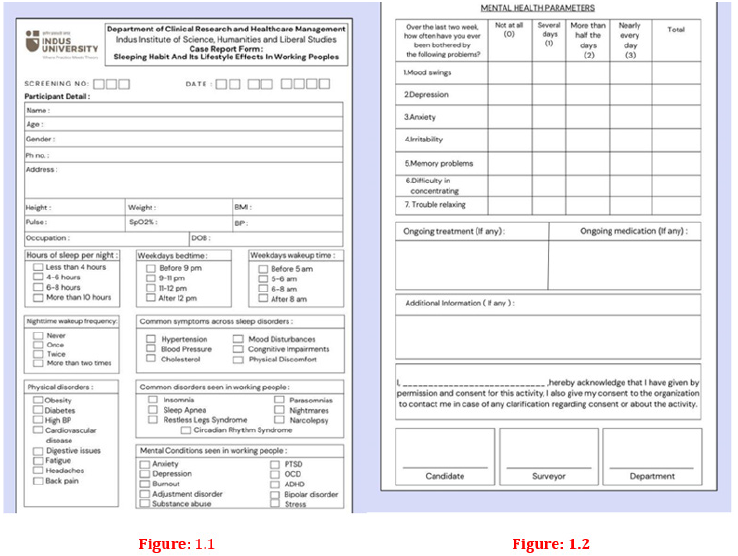
Figure 1: Case Report Form.
Statistical Analysis/Result
Common Symptoms Seen Across Sleep Disorders (Figure 2)
a. In the case of Hypertension, 1 male (1.1%) and 5 females (5.6%) were affected.
b. For Blood Pressure (BP) issues, 22 males (24.7%) and 16 females (18.0%) were reported.
c. Regarding Cholesterol, 6 males (6.7%) and 7 females (7.9%) were affected.
d. Mood Disturbances were observed in 39 males (43.8%) and 63 females (70.8%).
e. Physical Discomfort was reported in 13 males (14.6%) and 17 females (19.1%).

Figure 2:
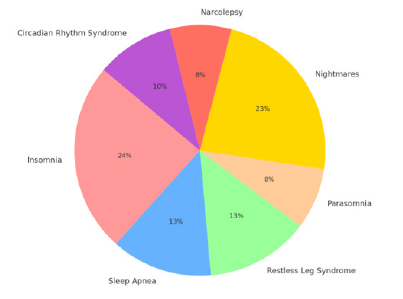
Figure 3:
Common Sleep Disorders Seen in Working Adults (Figure 3)
a. Insomnia had the highest total cases (105), making it the most prevalent disorder.
b. Nightmares followed closely with 100 total cases.
c. Restless Leg Syndrome (57) and Sleep Apnea (56) were moderately common.
d. Parasomnia (34), Circadian Rhythm Syndrome (43), and Narcolepsy (34) had relatively lower cases.
Sleep Disorders by Gender (Figure 4)
a. Insomnia and Nightmares emerged as the most dominant sleep disorders across both genders.
b. Females showed a higher prevalence in most disorders except Parasomnia, where males reported more cases.
c. Disorders like Narcolepsy and Circadian Rhythm Syndrome showed relatively balanced distribution across genders.
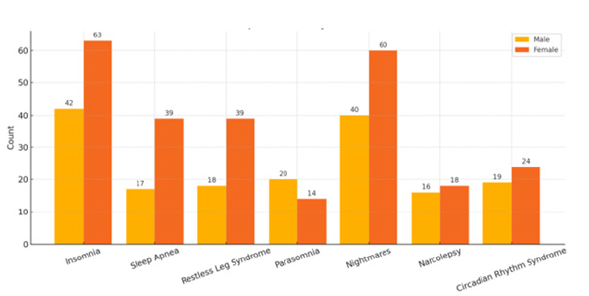
Figure 4:
Mental Conditions Seen in Working People (Figure 5)
a. Stress and Anxiety were the most dominant conditions across both genders.
b. Females showed a higher prevalence in most conditions except Substance Abuse, which was reported only in males.
c. PTSD was exclusive to females, while Substance Abuse was exclusive to males.
d. Conditions like Depression, Bipolar Disorder, and ADHD showed a relatively smaller gender gap.
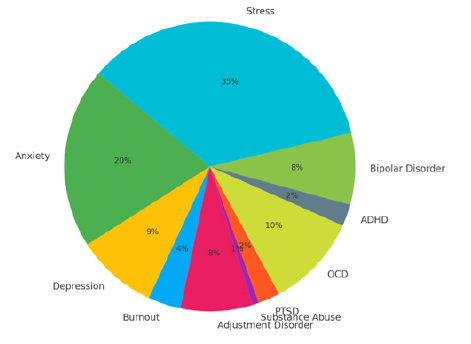
Figure 5:
Physical Health (Figure 6)
a. Physical Health: Hypertension was reported in 16 individuals, high blood pressure in 33, and cardiovascular disease in 23.
b. Obesity affected 29 participants, while 12 had diabetes.
c. Digestive issues were reported by 63 participants, and 136 experienced headaches, with 115 reporting back pain, while 80 experienced Fatigue.

Figure 6:
Distribution of Mental Health Parameter Score (Figure 7)
a. Score 1-5 had the highest prevalence, observed in 41% of individuals, indicating mild mental health concerns or early signs of distress.
b. Score 0 accounted for 29% of individuals, suggesting no reported mental health issues in this group.
c. Score 6-10 represented 20% of individuals, indicating moderate mental health concerns that may require some form of intervention.
d. Score 11-19, the least common but most severe category, was seen in 10% of individuals, indicating serious mental health challenges requiring immediate attention.
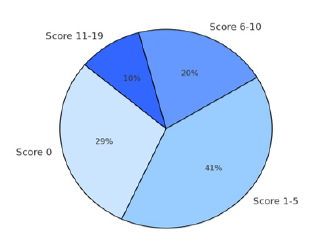
Figure 7:
Discussion
The study aimed to assess the impact of lifestyle on sleep patterns among urban working professionals in Central Gujarat. The findings reveal notable differences in sleep disorders, mental health concerns, and physical conditions across genders. The results emphasize the need for workplace interventions and improved sleep hygiene practices to address these issues effectively.
Gender-Based Differences in Sleep Patterns and Health
a. Insomnia and nightmares were the most prevalent sleep disorders among both males and females, with females exhibiting a higher prevalence. The higher occurrence of insomnia in females aligns with existing research that associates hormonal changes, caregiving roles, and increased stress with disturbed sleep patterns [19].
b. Males demonstrated a greater tendency for hypertension and substance abuse. The correlation between poor sleep hygiene, lifestyle habits (e.g., alcohol, smoking), and higher cardiovascular risks may explain this trend [20].
Mental Health Concerns
a. Stress and anxiety were predominant in both genders, but significantly higher in females. This reflects the additional stress burden women may face, potentially linked to household responsibilities combined with professional commitments [21,22].
b. PTSD was exclusively reported among females, while substance abuse was exclusive to males, reinforcing traditional gender trends in coping mechanisms [21].
c. OCD cases showed a remarkable gender disparity, with females presenting significantly higher rates than males [21,22].
Physical Health Observations
a. Hypertension (4% overall), blood pressure issues (9% overall), and cardiovascular diseases (5.75% overall) were prominent physical health conditions linked to inadequate sleep quality. The presence of obesity (7.25% overall) and digestive issues (15.75% overall) further correlates with poor lifestyle habits such as irregular meal timings, high caffeine intake, and sedentary behavior [23,24].
b. The prevalence of headaches (34%), back pain (28.75%), and fatigue (20%) suggests that poor sleep patterns contribute significantly to somatic symptoms, reducing overall quality of life.
Distribution of Mental Health Scores
a. The majority of participants fell into the score ranges of 1-5 (41%) and 6-10 (20%), indicating mild to moderate mental health concerns. This highlights a population that may require preventive mental health strategies [25,26].
b. The 10% reporting severe mental health challenges (score 11- 19) indicates a critical need for targeted interventions such as counseling services, stress management workshops, and professional support networks [25,26].
Workplace Environment and Sleep Hygiene
The study underscores the impact of lifestyle behaviors such as excessive screen time, late-night work, and irregular sleeping schedules, which were frequently reported by participants. The findings reinforce the importance of adopting positive behavioral changes to enhance sleep quality and mental well-being.
Conclusion
The study highlights a significant prevalence of sleep disorders, mental health concerns, and lifestyle-induced physical health issues in urban working professionals. Women exhibited higher instances of mood disturbances (70.8%), anxiety (65 cases), and insomnia (over 50% of reported cases), whereas men showed higher rates of hypertension (24.7%). The presence of chronic sleep disorders such as insomnia (26.25%), nightmares (25%), and restless leg syndrome (14.25%) among both genders indicates a pressing need for awareness campaigns on sleep hygiene.
To mitigate these concerns, workplace interventions promoting better work-life balance, stress management programs, and regular health screenings are strongly recommended [27,28]. Encouraging healthy sleep practices, limiting screen exposure before bedtime, and maintaining consistent sleep routines could significantly improve overall health outcomes in this population [29,30]. By implementing these strategies, the rising trend of sleep-related health issues among working professionals may be effectively addressed, fostering a healthier and more productive workforce.
Conflict of Interest
None.
Acknowledgements
None.
References
- Walker M (2017) Why We Sleep. Penguin Random House.
- Chaput JP (2016) The role of sleep in obesity and metabolic dysfunction. Current Opinion in Clinical Nutrition & Metabolic Care 19(6): 521-527.
- Krystal AD, Edinger JD (2008) Measuring sleep quality. Sleep Medicine 9(S1): S10-S17.
- Ohayon MM (2002) Epidemiology of insomnia: what we know and what we still need to learn. Sleep Medicine Reviews 6(2): 97-111.
- Morin CM (2009) The natural history of insomnia. Sleep 32(10): 1201-1208.
- Buysse DJ (2014) Sleep health: can we define it?. Sleep 37(1): 9-17.
- Peppard PE, T Young, M Palta, J Skatrud (2000) Prospective study of the association between sleep-disordered breathing and hypertension. New England Journal of Medicine 342(19): 1378-1384.
- Punjabi NM (2008) The epidemiology of adult obstructive sleep apnea. Proceedings of the American Thoracic Society 5(2): 136-143.
- Allen RP (2003) Restless legs syndrome prevalence and impact. Archives of Internal Medicine 163(18): 2323-2329.
- Bjorvatn B (2007) The association between insomnia and parasomnias. Journal of Clinical Sleep Medicine 3(5): 473-480.
- Wright KP, Andrew W McHill, Brian R Birks, Brandon R Griffin, Thomas Rusterholz, et al. (2013) Entrainment of the human circadian clock to the natural light-dark cycle. Current Biology 23(16): 1554-1558.
- Dauvilliers Y (2007) Narcolepsy and other central hypersomnias. Neurotherapeutics 4(4): 531-543.
- Pickering TG (2005) Recommendations for blood pressure measurement in humans. Hypertension 45(1): 142-161.
- Parati G (2013) Blood pressure measurement in research studies. Journal of Hypertension 31(1): 3-17.
- Kario K (2010) Morning surge in blood pressure and cardiovascular risk. Hypertension Research 33(7): 652-659.
- Roth T (2007) Insomnia: Definition, Prevalence, Etiology, and Consequences. Journal of Clinical Sleep Medicine 3(5): S7-S10.
- Melchior M (2007) Work stress and depression. American Journal of Epidemiology 165(7): 858-865.
- Virtanen M (2009) Work stress and health outcomes. The Lancet 373(9678): 616-629.
- Soares CN (2005) Insomnia in women. Journal of Clinical Psychiatry 66(10): 15-21.
- Johnson EO (2006) Gender differences in insomnia. Sleep 29(5): 695-701.
- McEwen BS (1998) Protective and damaging effects of stress mediators. The New England Journal of Medicine 338(3): 171-179.
- Nolen Hoeksema S (2001) Gender differences in depression. Psychological Bulletin 127(6): 773-796.
- Gangwisch JE (2007) Short sleep duration as a risk factor for hypertension. Hypertension 49(5): 833-839.
- Cappuccio FP, Lanfranco D'Elia, Pasquale Strazzullo, Michelle A Miller (2010) Sleep duration and all-cause mortality. Sleep 33(5): 585-592.
- Karasek RA (1981) Job demands and worker health. Administrative Science Quarterly 24(2): 285-308.
- Siegrist J (1996) Adverse health effects of high-effort/low-reward conditions. Journal of Occupational Health Psychology 1(1): 27-43.
- Åkerstedt T (2006) Psychosocial stress and impaired sleep. Biomedicine & Pharmacotherapy 60(7): 399-402.
- Espie CA (2002) Insomnia: Conceptual issues in the development of cognitive behaviour therapy. Behavioral Research and Therapy 40(8): 853-871.
- Gradisar M (2013) The sleep hygiene index. Journal of Sleep Research 22(2): 205-213.
- Van Dongen HP, Greg Maislin, Janet M Mullington, David F Dinges (2003) The cumulative cost of additional wakefulness: dose-response effects on neurobehavioral functions and sleep physiology from chronic sleep restriction and total sleep deprivation. Sleep 26(2): 117-126.
- Spitzer RL, Kroenke K, Williams JBW, Löwe B (2006) A brief measure for assessing generalized anxiety disorder: the GAD-7. Archives of Internal Medicine 166(10): 1092–1097.
- Kroenke K, Spitzer RL, Williams JBW (2001) The PHQ‐9: Validity of a brief depression severity measure. Journal of General Internal Medicine 16(9): 606–613.




 We use cookies to ensure you get the best experience on our website.