
Research Article 
 Creative Commons, CC-BY
Performance Verification of Beckman Coulter AU5821 Automatic Biochemistry Analyzer
*Corresponding author: Farra Aidah Jumuddin, Faculty of Medicine, Lincoln University College, Jalan, SS 6/12, Petaling Jaya, Selangor, Malaysia.
Received: January 25, 2025; Published: January 29, 2025
DOI: 10.34297/AJBSR.2025.25.003353
Abstract
Objective: In order to ensure the accuracy of laboratory test results, performance verification of the Beckman Coulter Model AU5821 Automated Biochemistry Analyser was carried out to validate the reliability of the manufacturer’s stated performance specifications for the test system.
Methods: With reference to CNAS-GL037:2019 ‘Guidelines for Performance Validation of Quantitative Clinical Chemistry Test Procedures’ and WS/T 407-2012, the BECKMAN COULTER AU5821 Automatic Biochemistry Analyser was used to perform routine tests on potassium, sodium, chloride, total protein, albumin, total bilirubin, alanine aminotransferase, aspartate aminotransferase, alkaline phosphatase, creatine kinase, urea nitrogen, creatinine, uric acid, glucose, triglycerides, cholesterol, HDL, LDL, calcium, glucose, triglycerides, cholesterol, LDL, calcium, glucose, glutaminase, glutaminyl kinase and glutaminase. Alkaline Phosphatase, Glutamyl Aminotransferase, Creatine Kinase, Urea Nitrogen, Creatinine, Uric Acid, Glucose, Triglyceride, Cholesterol, HDL, LDL, Calcium, Phosphorus, Magnesium, etc. The correctness, precision, reportable interval, linear range, reference range of the 22 items are measured. RESULTS: The precision and correctness of the 22 routine biochemical test items determined by the testing system are in line with the judgement standards of the document WS/T407 2012; the linear ranges, reportable ranges, reference ranges, and statements of the routine test items are consistent with those of the manufacturer.
Conclusion: The BECKMAN COULTER AU5821 fully automated biochemistry analyser testing system meets the performance targets for quality objectives and can perform routine clinical sample testing.
Keywords: Performance validation, Correctness, Precision, Reportable intervals, Linear ranges, Reference ranges
Introduction
BECKMAN COULTER AU5821 automatic biochemistry analyser is a new concept of modular combination of biochemistry analysis system launched by Beckman Diagnostics, this room biochemistry analyser includes one ISE module and two biochemistry module a total of three modules, which ISE module 900 tests per hour, each biochemistry module 4000 tests per hour [9]. Such detection rates play a huge role in daily work, but relying on high speed alone does not ensure accurate and reliable test results. For this reason, we have validated the performance of this state-of-the-art testing sys tem, with the aim of improving the overall quality of work in the Biochemistry Unit of the Department of Laboratory Medicine in The Affiliated Hospital of Qingdao University, Qingdao, Shandong, China and laying a solid foundation for the accuracy of every test result [6]. At the same time, the analytical performance validation of the testing system is also an important part of the quality management of clinical testing [8].The laboratory validates the performance of fully automated biochemistry testing systems for potassium [2], sodium, chloride, total protein, albumin, total bilirubin, alanine aminotransferase, aspartate aminotransferase, alkaline phosphatase, glutamyl aminotransferase, creatine kinase, urea nitrogen, creatinine, uric acid, glucose, triglyceride, cholesterol, high-density lipoproteins (HDLs), low-density lipoproteins (LDLs), calcium, phosphorus, and magnesium, validated for accuracy, precision, linear range, reportable range, and reference range. The assay methods and results are summarized and reported below.
Materials and Methods
Instruments and reagents
Instruments BECKMAN AU5821 automatic biochemical analyser and reagents are for the selection of reagents and calibrators, we used products from Beckman Inc. and Beijing Leaderman Biotechnology Co. Ltd. (China) while for quality control products, they came from Burroughs Diagnostics Ltd. in the United States
Specimens
The specimens were obtained from 40 healthy individuals with normal physiological parameters, 20 males and 20 females, whose laboratory tests for blood pressure, heart rate, liver function, blood glucose, blood lipids and routine blood tests showed normal results. Electrocardiogram, chest X-ray and ultrasound showed no positive lesions. None of the participants had a history of diabetes mellitus, liver disease, kidney disease, or cardiovascular disease, and they had never used any medications or health supplements. They had no history of surgery within 6 months and no blood transfusion or donation within 4 months. In addition, the pregnant population was excluded from these specimens to ensure the absence of confounding factors such as lipaemia, haemolysis and jaundice.
Methodology
Correctness Verification
With the recommendation of CNAS-GL037:2019 ‘Guidelines for Performance Validation of Quantitative Clinical Chemistry Testing Procedures’ document 6.2, no less than 5 inter-room Quality Control (QC) substances samples were selected, and each sample was repeated not less than thrice, the test results were recorded, the mean value of all the test results and bias was calculated, and the samples of the present experiment were the first China Ministry of Health Clinical Inspection center routine chemistry inter-room QC substances in 2023. The mean value is not more than half of Total error allowable (TEA) as a judgement criterion.
Precision Verification
Intermediate precision: Under indoor QC control, take a sufficient amount of two levels of QC, measure 4 times a day for 5 consecutive days, and calculate the intermediate precision (total CV) of each concentration level. The intermediate (indoor) precision (total CV) of each concentration level should be ≤1/3TEA.
Intra-batch precision: Take a sufficient amount of mixed serum of two levels, repeat the determination 10 times in the same batch, calculate the mean, standard deviation and coefficient of variation. Repeatability precision (intra-batch CV) of each concentration level should be ≤1/4TEA.
Linearity Range Verification
Collect samples close to the upper and lower limits of the linear range (H and L), prepare samples at different concentration levels according to L, 4L+1H, 3L+2H, 2L+3H, L+4H, H. Repeat the determination three times to take the mean value, calculate the linear regression equation between the measured mean value and the theoretical value, as well as the correlation coefficient and other parameters. The primary coefficient a in the regression equation should be between 0.97-1.03; the square of the correlation coefficient R should be ≥0.95; and the relative deviation between the measured mean value and the theoretical value of each level should be ≤1/2 TEA.
Reportable Scope Validation
Take the high concentration sample for dilution, the dilution times include the maximum dilution times declared by the manufacturer, and the original sample were repeated three times to take the average value, calculate the relative deviation between the measured average value and the theoretical value of each dilution level. If the relative deviation between the measured mean value and the theoretical value is ≤1/2 TEA, the validated dilution is considered valid. The lower limit of the linear range is the lower limit of the reportable range, and the upper limit of the linear range*maximum dilution gives the upper limit of the reportable range.
Evaluation of Biological Reference Intervals
Forty fresh samples, including 20 male and 20 female specimens, were selected for one-time measurement, and the results were statistically analysed to see if the results were within the normal reference range adopted by the laboratory for the 20 male and 20 female specimens, respectively.
Among the data of 20 test subjects of male and female respectively, the ratio R was calculated with reference to the reference interval provided by the reagent instruction manual, and the formula was R=number of cases in which the detection value did not exceed the reference interval provided by the reagent instruction manual/ 20, and when R ≥ 90%, it means that the validation is acceptable and passes; otherwise, the validation does not pass.
That is, if no more than 2 of the 20 test values fall outside the boundaries of the reference range adopted by the section, then the reference range adopted by the laboratory is accepted.
Statistical Methods
Data were analysed using Excel software to calculate means, biases, coefficients of variation, correlation coefficients and regression equations.
Results
Correctness Test Results
The results of correctness are shown in Table 1, and the maximum bias of all 22 routine biochemical items ranged from -3.91% to 4.34%, and the test bias of all 22 routine biochemical items were not more than half of the maximum deviation allowed by the WS/ T403 2012 standard, which sufficiently proved that their accuracy meets the requirements.
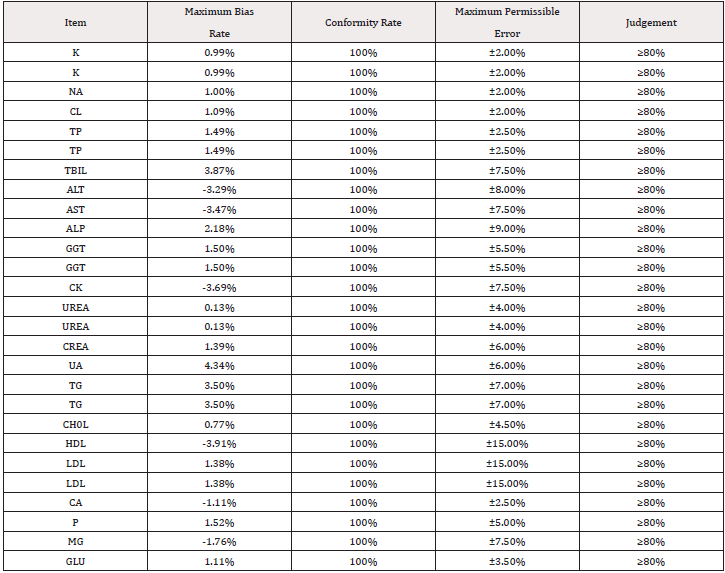
Table 1: Correctness evaluation results.
Precision Results
The results of intermediate precision are shown in Table 2, the low value inter-day precision is between 0.71% and 3.74%, the high value inter-day precision is between 0.21% and 2.31%, and all of them are less than 1/3 of the maximum deviation allowed by WS/T403 2012.

Table 2: Intermediate precision validation results.
The results of intra-batch precision are shown in Table 3, with the low value intra-batch precision ranging from 0.22% to 3.26% and the high value intra-batch precision ranging from 0.35% to 1.28%, and all of them are less than 1/4 of the maximum deviation allowed by WS/T403 2012.
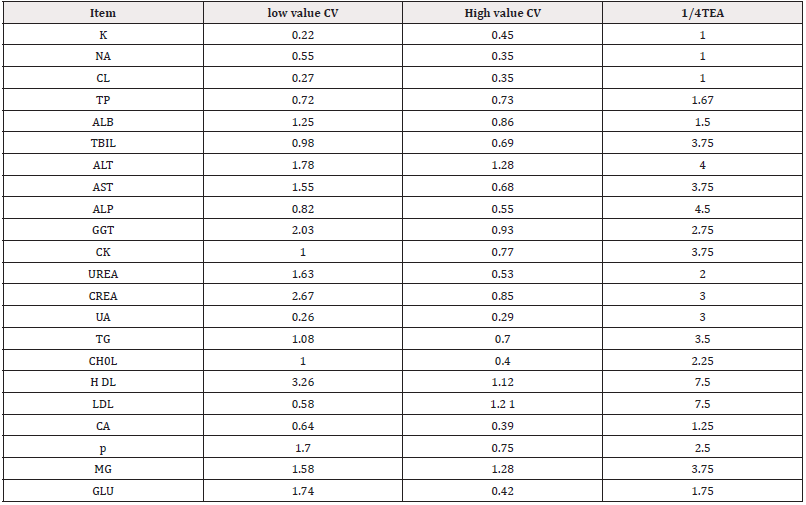
Table 3: Results of intra-batch precision validation.
All of them were less than 1/4 of the maximum deviation allowed by WS/T403 2012.
In conclusion, the intra-batch and intermediate precision of all 22 routine biochemical indicators were less than the corresponding standards, and the precision met the clinical needs.
Linear Range
The results of the linear range test are shown in Table 4, the slope of the correlation equation is between 1±0.03, the correlation coefficient R2 is greater than or equal to 0.95, and the simultaneous values are between 0.97 and 1.03, which is in line with the requirements.
Reportable Scope
Reportable scopes have been obtained for the individual projects, consistent with the manufacturers’ statements, and the results are shown in Table 4.

Table 4: Linear range validation.
Biological Reference Intervals
Of the 22 biochemical results from 40 samples (20 of each sex), 90 per cent were within the biological reference intervals (BRIs) set by the laboratory, proving that the BRIs given in the laboratory report were acceptable, as shown in Table 5.

Table 5: Biological reference interval validation results.
Discussion
With the rapid advances in laboratory medicine, the proliferation of automated analytical instruments has led to increasingly stringent clinical demands on the accuracy of test results [3]. In order to maintain test quality, performance evaluation of testing systems or methods takes a central place in quality management [4]. In addition to in-house quality control and inter-room quality evaluation [7], performance validation of instruments becomes a critical step for laboratories to ensure the quality of tests and provide solid technical support for clinical decision-making [5].
The CNAS-GL037:2019 standard plays a pivotal role in performance validation, not only as a strict requirement for clinical laboratory management, but also as an important reflection of the responsibility for patient test results. Performance verification [1], in short, is through a series of scientific verification steps, a comprehensive assessment of the effectiveness of the testing system, to ensure that it can meet the expected standard of use, to meet the needs of clinical testing, and in line with the manufacturer’s claimed performance indicators. Whether the equipment is newly introduced or has undergone major repairs, performance validation must be carried out before it is put back into use. When validating the performance of a test instrument, the following core aspects are usually focused on: accuracy, precision, linear range, reportable intervals, and reference range validation [12]. Accuracy is the lifeline of a test result, which reflects the closeness between the measurement result and the true value [10]. An accurate test result is important for clinical diagnosis and treatment. Precision, on the other hand, refers to the consistency between the results obtained from many repeated measurements. It reflects the stability and reliability of the detection system. A high precision instrument means that its measurements are more stable and repeatable. Linear range, on the other hand, refers to the range of substance concentrations that can be accurately determined by the detection system. Within this range, the results of the detection system should be reliable. The reportable range is the concentration range of a substance that has clinical diagnostic significance. When the concentration of the substance to be measured is beyond the analytical range of the instrument, we can ensure the reliability of the measurement results through appropriate pre-processing methods (e.g. dilution or concentration). Finally, reference interval validation is used to assess the applicability of the reference interval. Before performing a clinical test, we must validate the reference range to ensure that it meets the requirements of the clinical laboratory test [11]. Performance validation is a key component to ensure the quality of clinical laboratory tests. Through comprehensive evaluation of the test system, we can ensure its accuracy, precision, linear range, reportable range and reliability of reference intervals, so as to provide patients with more accurate and reliable test results and provide strong support for clinical diagnosis and treatment.
Conclusion
In conclusion, the results of the analytical performance evaluation of Beckman Coulter AU5821 Automatic Biochemical Analyser are in line with the analytical performance specified by the manufacturer, and all the testing performance meets the requirements of the national health industry standards, and the results are credible and can meet the clinical needs.
Acknowledgements
The authors received no funding for this work.
Zhao Peng performed the experiments, analyzed the data, prepared figures and/or tables, authored or reviewed drafts of the article, and approved the final draft.
Farra Aidah Jumuddin conceived and designed the experiments, prepared figures and/or tables, authored or reviewed drafts of the article, and approved the final draft.
Conflict of Interest
The authors declare that they have no competing interests.
References
- Borman PJ, Guiraldelli AM, Weitzel J, Thompson S, Ermer J, et al. (2024) Ongoing Analytical Procedure Performance Verification Using a Risk-Based Approach to Determine Performance Monitoring Requirements. Anal Chem 96(3): 966-979.
- Chen M, Qin S, Yang S, Chen H, Lu L, et al. (2022) Performance evaluation between two automated biochemical analyzer systems: Roche Cobas 8000 and Mindray BS2000M. J Med Biochem 41(3): 306-315.
- Cornely OA, Alastruey Izquierdo A, Arenz D, Chen SCA, Dannaoui E, et al. (2019) Global guideline for the diagnosis and management of mucormycosis: an initiative of the European Confederation of Medical Mycology in cooperation with the Mycoses Study Group Education and Research Consortium. Lancet Infect Dis 19(12): e405-e421.
- He L, Yu J, Han G, Huang D, Han L, et al. (2022) Analytical performance evaluation of different test systems on serum creatinine assay. J Clin Lab Anal 36(2): e24206.
- Huang J, Feng P, Chen Y, Li X, Izevbaye I, et al. (2024) Performance verification of a biochemical detection system for hydrothorax and ascites and clinical diagnostic accuracy evaluation of exudate and tuberculous effusion. J Thorac Dis 16(5): 3350-3360.
- Jones GRD (2024) Using analytical performance specifications in a medical laboratory. Clin Chem Lab Med 62(8): 1512-1519.
- Paul HA, Adams BJ, Venner AA (2021) Improving quality of transcutaneous bilirubin measurements: Value of in-house developed quality control. Pract Lab Med 24: e00206.
- Seo JD, Song DY, Nam Y, Li C, Kim S, et al. (2020) Evaluation of analytical performance of Alinity i system on 31 measurands. Pract Lab Med 22: e00185.
- Sheerin S (2024) Verifying the nonreporting hemolysis index for potassium, phosphate, magnesium, AST, LDH, iron, CA 19-9, and vitamin D, using Beckman Coulter AU5800 and DxI800 automated analyzers. Lab Med 55(5): 624-626.
- Sitch AJ, Dekkers OM, Scholefield BR, Takwoingi Y (2021) Introduction to diagnostic test accuracy studies. Eur J Endocrinol 184(2): E5-e9.
- Xu P, Zhou Q, Xu J (2021) Reference interval transference of common clinical biomarkers. Scand J Clin Lab Invest 81(4): 264-271.
- Zhong M, Wang X, Xiong W, Liu Y, Wang X, et al. (2023) Determination of tamsulosin in plasma of healthy Chinese male subjects by a novel and simple LC-MS/MS method and its application to pharmacokinetic studies. J Chromatogr B Analyt Technol Biomed Life Sci 1229: 123901.




 We use cookies to ensure you get the best experience on our website.