
Research Article 
 Creative Commons, CC-BY
Effectiveness of Hysteroscopic Subendometrial injection (HSEI) of G-CSF Mobilized Progenitor Cells Combined with Platelet Derived Growth Factor Concentrate on Thin Endometrium - A Self-Controlled Pilot Study
*Corresponding author: Vasanthi Palanivel, Seragen Biotherapeutics Private Limited, Helix Biotech Park, Bangalore, Karnataka, India.
Received: November 30, 2024; Published: December 09, 2024
DOI: 10.34297/AJBSR.2024.25.003282
Abstract
Aim & Objective: To investigate the impact of hysteroscopic subendometrial injection (HSEI) of G-CSF mobilized progenitor cells combined with platelet-derived growth factor concentrate on treating thin endometrium in women undergoing assisted reproduction.
Method: Fifteen patients with thin endometrium and more than two previous cycle cancellations and failed IVF cycles were included. G-CSF was administered subcutaneously for two days on menstrual cycle days (MCD) 5 and 6, followed by the aspiration of 60 ml of venous blood on MCD 7. Seragen’s selective enrichment and ABCD protocol were used to prepare circulating endothelial progenitor cells and a growth factor concentrate. Using a 2.9mm hysteroscope and a single-lumen ovum pickup needle through the operating channel, the harvested cells and growth factors were implanted in the sub-endometrial zone on all four walls of the cavity.
Results: In this study involving 16 patients with persistent thin endometrium (<7 mm) and multiple cycle cancellations, hysteroscopic subendometrial injection of G-CSF mobilized progenitor cells combined with platelet-derived growth factor concentrate significantly (p=0.0002) increased endometrial thickness from 6.1±0.9 mm to 8.1±1.0 mm. Among those undergoing frozen embryo transfer, 66.6% (10/15) achieved pregnancy and 26.6% (4/15) achieved no pregnancy while 6.6% (1/15) experienced biochemical pregnancy. Out of 60% (9/15) clinical pregnancies recorded, one patient delivered healthy full-term baby, 7 uneventful pregnancies are progressing well and one patient 6.6% (1/15) miscarried at 8 weeks. The cumulative positive pregnancy outcome was observed in 53.3% (8/15) of patients, indicating the potential of this treatment modality to improve endometrial quality and enhance pregnancy outcomes for individuals with refractory thin endometrium.
Conclusion: Hysteroscopic subendometrial injection of G-CSF mobilized progenitor cells combined with platelet-derived growth factor concentrate has the potential to improve endometrial thickness in patients with thin, unresponsive endometrium in FET treatment cycles. These findings suggest a promising avenue for addressing the challenges posed by thin endometrium in the context of fertility treatment.
Introduction
Infertility is estimated to affect approximately 8-12% of couples of childbearing age worldwide [27]. Endometrial thickness plays a crucial role in embryo implantation during assisted repro ductive technologies such as in vitro fertilization (IVF) [19,23-26]. The endometrium, the lining of the uterus, provides the necessary environment for the embryo to implant and establish a pregnancy. Adequate endometrial thickness is often considered a favorable factor for successful implantation. In Assisted Reproductive Technology (ART), a thin endometrium is typically characterized by an endometrial thickness below 7 mm, impacting a relatively small percentage of women, ranging from 1.3% to 2.3%, who are undergoing fertility treatment [3,4,28]. Addressing the issue of a thin endometrium poses a significant challenge for patients undergoing ART procedures. Clinically, several different approaches are considered helpful in treating patients with a thin endometrium, including aspirin, human chorionic gonadotropin, sildenafil citrate, estrogen, antioxidants, vitamin E, alpha-tocopherol, pentoxifylline, nifedipine, and others [20]. Despite attempting various remedies, many women still struggle to attain the minimal endometrial thickness required, leading to limited options such as canceling embryo transfers, cryopreserving embryos for potential future cycles with improved endometrial conditions, or proceeding with transfers despite the thin endometrium and accepting reduced pregnancy probabilities. This underscores the pressing need for more effective therapeutic strategies to address this issue. Therefore, effective therapeutic approaches for improving endometrial thickness in these women are urgently needed. Granulocyte colony-stimulating factor (G-CSF) is one of the cytokine family members including colony- stimulating factors.
Hysteroscopic subendometrial injection of stem cells and growth factors offers a promising, effective, and safe alternative for patients facing surrogacy recommendations or struggling to achieve optimal endometrial thickness despite exhausting treatment options. Addressing thin endometrium unresponsive to standard treatments in assisted reproductive techniques (ART) remains challenging. Current approaches yield suboptimal results, leading to repeated costly IVF cycles and reliance on gestational carriers. Regenerative medicine, specifically using stem cells or platelet-rich plasma (PRP), shows promise in rejuvenating reproductive tissues. Recently, many studies have successfully used stem cells or PRP, alone or in combination, for the rejuvenation of reproductive tissues and organ failure. This emerging field offers hope for improving success rates in ART, necessitating further research and clinical validation for effective implementation. However, inconsistent results have been reported regarding the influence of intrauterine G-CSF infusion on pregnancy rates in clinical studies. Some studies have reported an improvement in pregnancy rates [9,10,22,29], while others did not [15,16,29]. In this study, we implemented an alternative protocol [1,2] for the delivery of G-CSF with stem cells to the targeted site of action. Enhanced efficacy was anticipated due to (1) the use of a larger injection volume, potentially up to 40 mL, and (2) the precise delivery of growth factors to the basal layer of the endometrium under hysteroscopic image guidance. This pilot study also assesses the effectiveness of hysteroscopy guided subendometrial injections of G-CSF with stem cells, either alone or in combination with minimally manipulated endometrial cells comprising both epithelial and stromal components, compared to conservative management(physiotherapy) in patients with refractory thin endometrium. Introducing a novel approach, we showed that the combined utilization of two minimally invasive yet effective therapies, along with precise targeted delivery, offers new hope for women advised for surrogacy or those experiencing treatment-resistant thin endometrium, potentially alleviating the emotional and financial burdens linked with surrogacy and the repetitive nature of IVF cycles.
Methods and Materials
This prospective observational pilot study involving 15 patients with persistent non-responsive thin endometrium underwent frozen embryo transfer from April 2023-April 2024 at IVF department, Radhakrishna Hospital, Bangalore.
Inclusion Criteria
The inclusion criteria for the study were defined as follows:
Participants had to be aged between 18 and 44 years, with a normal couple karyotype. Additionally, participants were required to have regular ovulatory and menstrual cycles, with an endometrial thickness measuring less than 7 mm during the implantation window. Furthermore, they needed to have access to at least two vitrified blastocysts of good quality and a history of implantation failure and/or embryo transfer cancellation due to insufficient endometrial thickness.
Exclusion Criteria
The exclusion criteria for the study included poor semen quality in the partner, the utilization of donor gametes, premature ovarian failure, internal genital anomalies, systemic blood diseases, and coagulopathy. Additionally, individuals with hemoglobin levels below 100 g/L, platelet counts less than 100×10^9/L, or those receiving antiplatelet/anticoagulant therapy were excluded from participation.
Methodology
Sixteen patients with thin endometrium and more than two previous cycle cancellations and failed IVF cycles were included. G-CSF was administered subcutaneously for two days on menstrual cycle days (MCD) 5 and 6, followed by the aspiration of 60 ml of venous blood on MCD 7 (Figure 1). Seragen’s selective enrichment and ABCD protocol were used to prepare circulating endothelial progenitor cells and a growth factor concentrate. Using a 2.9mm hysteroscope and a single-lumen ovum pickup needle through the operating channel, the harvested cells and growth factors were implanted in the sub-endometrial zone on all four walls of the cavity (Figures 1-4).
Embryo Transfer
Embryo transfer procedures were conducted within hormone replacement cycles, involving the oral administration of estradiol valerate at an initial dose of 6 mg/day and micronized progesterone at a dose of 600 mg/day, both monitored dynamically via ultrasound. The maximum dose of estradiol valerate was capped at 12 mg/day. A blastocyst of good quality, as per the Gardner system, was thawed and transferred into the uterine cavity following a standard protocol. Posttransfer support included the intravaginal administration of 600 mg/day micronized progesterone for a duration of 2 weeks. Biochemical pregnancy was assessed by measuring serum β-HCG levels on day 14 post-embryo transfer, while clinical pregnancy was confirmed through ultrasonographic visualization of the gestational sac at 3 weeks post-embryo transfer.

Figure 1: Preparation of the progenitor cells and growth factors instillation protocol.
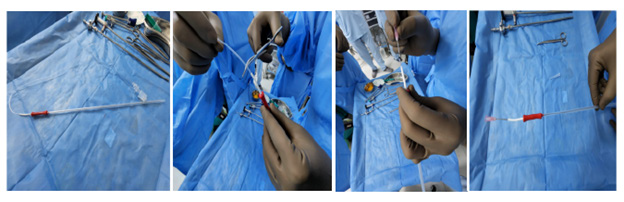
Figure 2: Preparation of needle for sub endometrial injection procedure.
Results
The patient cohort (n=15) exhibited no significant differences in age across the groups, with an average age of 33.9±5.2 years (Table 1). The average body mass index (BMI) was 24.7±2.0 kg/m², and the duration of infertility averaged 7.1±3.2 years. Baseline characteristics, including basal follicle-stimulating hormone (FSH) levels (4.5±0.6 mIU/l), luteinizing hormone (LH) levels (2.5±0.7 mIU/l), anti- Müllerian hormone (AMH) levels (2.1±0.7 ng/ml), and antral follicle count (AFC) (5.2±2.1), were consistent across the cohort, indicating uniformity in ovarian reserve and endocrine function. The cohort also showed similarity in other reproductive indicators such as age at menarche, menstrual cycle length, and period duration. Comparable proportions of patients reported experiencing scanty menstrual bleeding.
A majority of the patients had histories of multiple intrauterine interventions, including hysteroscopies with dilation and curettage (D&C), endometrial polyp resections, and diagnostic laparoscopies. The incidences of births, ectopic pregnancies, and abortions were similar, with no patient lost to follow up or exclusions after recruitment. Prior to enrollment, most of the cohort had experienced IVF implantation failures and/or frozen embryo transfer cycle cancellations due to insufficient endometrial growth and refractory thin endometrium. All patients had previously received high-dose estrogen therapy administered either orally or transdermally. Additionally, many patients had undergone auxiliary (“add-on”) interventions, including non-invasive intrauterine infusions of granulocyte colony-stimulating factor (G-CSF) and intra uterine instillation of autologous platelet-rich plasma (PRP) in volumes ranging from 0.5 to 1mL. In this study involving 15 patients with persistent thin endometrium (<7mm) and multiple cycle cancellations, hysteroscopic subendometrial injection of G-CSF mobilized progenitor cells combined with platelet-derived growth factor concentrate significantly (p=0.0002) increased endometrial thickness from (Table 1) 6.1±0.9mm to 8.1±1.0mm. Among those undergoing frozen embryo transfer, 66.6% (10/15) achieved pregnancy and 26.6% (4/15) achieved no pregnancy while 6.6% (1/15) experienced biochemical pregnancy. Out of 60% (9/15) clinical pregnancies recorded, one patient delivered healthy full term baby, 7 uneventful pregnancies are progressing well and one patient 6.6% (1/15) miscarried at 8 weeks. The cumulative positive pregnancy outcome was observed in 53.3% (8/15) of patients, indicating the potential of this treatment modality to improve endometrial quality and enhance pregnancy outcomes for individuals with refractory thin endometrium.
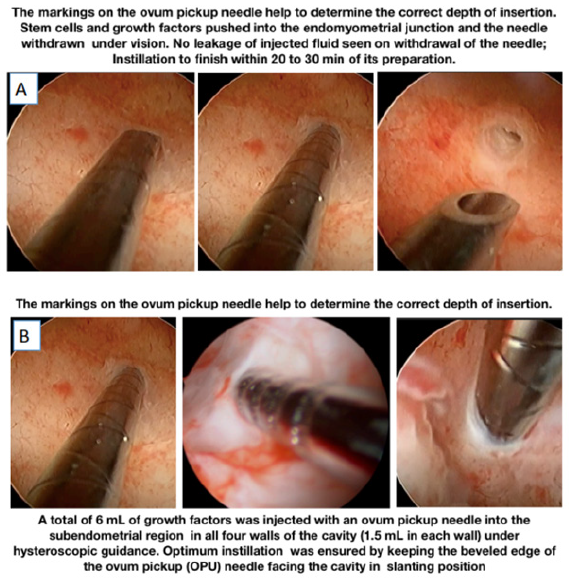
Figure 3 & 4: Hysteroscopic sub-endometrial administration of the progenitor cells and growth factors.

Table 1: Demographic Characteristics in Baseline.
IG: intervention group; CG: control group
DISCUSSION: This study investigates the efficacy of hysteroscopic subendometrial injection (HSEI) of granulocyte-colony stimulating factor (G-CSF) mobilized progenitor cells combined with platelet-derived growth factor concentrate in the treatment of thin endometrium. The results indicate significant improvements in endometrial thickness, suggesting a novel and effective alternative for patients who have been recommended for surrogacy or have failed to achieve optimal endometrial thickness despite exhausting conventional treatment options. These therapies demonstrate potential for patients undergoing assisted reproductive technology (ART), particularly those with a history of implantation failure.
Regenerative strategies for thin endometrium have evolved considerably, with various approaches being investigated for their efficacy. Platelet-rich plasma (PRP) has been one of the prominent methods used to improve endometrial thickness and receptivity. Studies have shown that PRP can significantly enhance endometrial growth and improve pregnancy outcomes in patients with thin endometrium [5-8,17,18]. For instance, Zadeh-Modarres, et al. demonstrated that PRP treatment resulted in increased endometrial thickness and improved clinical pregnancy rates in women with thin endometrium [29].
Stem cell therapy, particularly using bone marrow-derived stem cells, has also shown promise in treating refractory thin endometrium. Santamaria, et al. reported that autologous cell therapy with CD133+ bone marrow-derived stem cells improved endometrial thickness and function in patients with refractory Asherman’s syndrome and endometrial atrophy [21]. Similarly, Gleicher, et al. found that G-CSF administration could enhance endometrial thickness in women with unresponsive thin endometrium [11]. Kim, et al. also showed that bone marrow-derived mesenchymal stem cells could effectively improve endometrial thickness and pregnancy outcomes [12-14]. The combination of PRP and stem cells has been explored to maximize therapeutic benefits. Kim, et al. investigated the effects of combining PRP with stem cells and observed significant improvements in endometrial thickness and pregnancy outcomes [12]. This combination therapy harnesses the regenerative properties of both PRP and stem cells, offering a synergistic approach to treating endometrial insufficiency.
In our study, we used platelet-derived growth factors in combination with G-CSF mobilized CD34/CD133+ progenitor cells as a therapeutic dosage because patients had already failed using conventional PRP. This approach combines the angiogenic and proliferative effects of platelet-derived growth factors with the regenerative potential of progenitor cells, aiming to create a more robust therapeutic intervention for refractory thin endometrium. Previous studies have indicated that G-CSF and progenitor cell mobilization can effectively improve endometrial receptivity, enhancing the chances of successful implantation and pregnancy [30-33].
The uniformity in patient characteristics and treatment protocols across study groups enhances the reliability and generalizability of the findings. Comprehensive inclusion criteria and detailed patient data contribute to robust analysis, supporting the conclusion that HSEI of G-CSF mobilized progenitor cells combined with plateletderived growth factor concentrate shows promise across diverse clinical scenarios
characterized by endometrial insufficiency. Furthermore, the observed increase in pregnancy rates in ART cycles following treatment underscores the potential of this approach in addressing the challenges associated with thin endometrium. The consistency of findings across diverse patient profiles reinforces the notion that these therapies provide valuable adjunctive interventions for endometrial dysfunction.
Conclusion
The findings of this study highlight the promising potential of hysteroscopic subendometrial injection (HSEI) of G-CSF mobilized progenitor cells combined with platelet-derived growth factor concentrate as an effective intervention for chronic endometrial insufficiency. Improvements in endometrial receptivity following these treatments carry significant implications for patients undergoing ART programs, particularly those with a history of implantation failure. HSEI of G-CSF mobilized progenitor cells combined with platelet-derived growth factor concentrate creates a conducive environment for successful embryo implantation, potentially alleviating the challenges associated with thin endometrium. Enhanced outcomes in ART cycles, including improved pregnancy rates compared to conventional approaches, further validate the efficacy of these modalities.
Limitations
Despite the promising outcomes, several limitations warrant consideration. The study’s small sample size may limit the generalizability of the findings. The lack of a control group and the absence of long-term follow-up data constrain the interpretation of results. Heterogeneity in patient populations and treatment protocols across different centers may introduce variability in outcomes. Future studies with larger sample sizes, rigorous study designs, and longer follow-up periods are necessary to validate the efficacy and safety of HSEI of G-CSF mobilized progenitor cells combined with platelet-derived growth factor concentrate and endometrial cell therapies in addressing endometrial dysfunction.
Summary
This study underscores the significant promise of hysteroscopic subendometrial injection (HSEI) of G-CSF mobilized progenitor cells combined with platelet-derived growth factor concentrate as adjunctive interventions in addressing endometrial dysfunction among patients undergoing ART. Observed enhancements in uterine hemodynamics, endometrial receptivity, and pregnancy rates validate the potential of these therapies in improving ART outcomes for women with thin endometrium.
References
- Alizadeh Z, Zare M, Eslaminejad MB, Nazarian H, Rezaei-Tavirani M, Rahimi S (2020) Stem cell treatment for women with thin endometrium and Asherman syndrome: A systematic review and meta-analysis. J Assist Reprod Genet 37(9): 2041-2054.
- Aruna R, Sharmila S, Palanivel V, Chari S (2024) Optimizing endometrial thickness and pregnancy outcomes through subendometrial injection of selectively enriched angiogenic precursor cells and growth factors derived from autologous peripheral blood: A novel approach for treating refractory thin endometrium - A case report. Int J Clin Rep Stud 3(3).
- Aydin T, Kara M, Nurettin T (2013) Relationship between Endometrial Thickness and In Vitro Fertilization-Intracytoplasmic Sperm Injection Outcome. Int J Fertil Steril 7(1): 29-34.
- Bu Z, Sun Y (2015) The Impact of Endometrial Thickness on the Day of Human Chorionic Gonadotrophin (hCG) Administration on Ongoing Pregnancy Rate in Patients with Different Ovarian Response. PLoS ONE 10(12): e0145703.
- Chang Y, Li J, Chen Y, Wei L, Yang X and et al (2019) Autologous platelet-rich plasma promotes endometrial growth and improves pregnancy outcome during in vitro fertilization cycles. Fertil Steril 111(2): 220-228.
- Cheng EH, Lin YH, Chen YH, Wu KH, Chen SJ, et al. (2021) Effects of autologous platelet-rich plasma in women with refractory thin endometrium undergoing frozen-thawed embryo transfer: a preliminary study. J Chin Med Assoc 84(1): 741-746.
- Check JH, Nowroozi K, Choe JK, Nazari A, Liss JR, et al. (1991). Influence of endometrial thickness and echo pattern on pregnancy rates during in vitro fertilization. Fertil Steril 56(6):1173-1175.
- Davari Tanha F, Shahrokh Tehraninejad E, Faramarzi H, Shahraki Z, Davari Tanha F (2019) The role of autologous platelet-rich plasma in the management of recurrent implantation failure: A preliminary cohort study. J Reprod Infertil 20(1): 35-41.
- Eftekhar M, Sayadi M, Arabjahvani F (2014) Transvaginal perfusion of G-CSF for infertile women with thin endometrium in frozen ET program: A non-randomized clinical trial. Iran J Reprod Med 12(10): 661-666.
- Farimani M, Poorolajal J, Rabiee S, Bahmanzadeh M (2020) Local intrauterine injection of autologous platelet-rich plasma and pregnancy outcome in repeated implantation failure: a randomized controlled trial. Int J Reprod Biomed 18(8): 571-576.
- Gleicher N, Kim A, Michaeli T, Lee HJ, Shohat Tal A, et al. (2013) A pilot cohort study of granulocyte colony-stimulating factor in the treatment of unresponsive thin endometrium resistant to standard therapies. Hum Reprod 28(1): 172-177.
- Kim H, Lee SG, Kim Y, Ko JJ, Lee W, et al. (2020) Combined treatment with platelet-rich plasma and bone marrow-derived mesenchymal stem cells increases endometrial thickness and improves pregnancy outcomes in a rat model of Asherman's syndrome. J Clin Med 9(1): 279.
- Kim H, Park CS, Song YS, Kim A (2021) Clinical application of platelet-rich plasma in endometrial regeneration. J Clin Med 10(24): 5868.
- Kumbak B, Kahraman S, Erden HF, Lacin S, et al. (2009) Endometrial thickness on the day of hCG administration does not predict pregnancy outcome in ICSI cycles. Reprod Biomed Online 18(3): 486-491.
- Kunicki M, Łukaszuk K, Liss J, Skowrońska P, Szczyptańska J (2017) Granulocyte colony-stimulating factor treatment of resistant thin endometrium in women with frozen-thawed blastocyst transfer. Syst Biol Reprod Med 63(1): 49-57.
- Lee HL, Fok WH, Lau KS, Chen PP, Ho LS, et al. (2018) Autologous bone marrow-derived stem cell therapy for the treatment of thin endometrium. Fertil Steril 110(1): 53-61.
- Nagori CB, Panchal SY, Patel H (2011) Endometrial regeneration using autologous adult stem cells followed by conception in a case of refractory Asherman’s syndrome. J Hum Reprod Sci 4(1): 43-48.
- Nazari S, Soltanghoraee H, Khaleghi Yazdi R, Hosseini SM, et al. (2021) Effect of intrauterine infusion of autologous platelet-rich plasma on pregnancy outcomes in recurrent implantation failure: A randomized controlled trial. Gynecol Endocrinol 37(4): 361-365.
- Paria BC, Lim H, Das SK, Reese J, Dey SK (2000) Molecular signaling in uterine receptivity for implantation. Semin Cell Dev Biol 11(2): 67-76.
- Ranisavljevic N, Raad J, Anahory T, Grynberg M, Sonigo C (2019) Embryo transfer strategy and therapeutic options in infertile patients with thin endometrium: a systematic review. J Assist Reprod Genet 36(11): 2217-2231.
- Santamaria X, Cabanillas S, Cervelló I, Arbona C, Raga F, et al. (2016) Autologous cell therapy with CD133+ bone marrow-derived stem cells for refractory Asherman’s syndrome and endometrial atrophy: a pilot cohort study. Hum Reprod 31(5): 1087-1096
- Sarvi F, Arabahmadi M, Alleyassin A, Aghahosseini M, Ghasemi M (2017) Effect of Increased Endometrial Thickness and Implantation Rate by Granulocyte Colony-Stimulating Factor on Unresponsive Thin Endometrium in Fresh In Vitro Fertilization Cycles: A Randomized Clinical Trial. Obstet Gynecol Int 2017: 3596079.
- Simón C, Martin JC, Pellicer A (2000) Paracrine regulators of implantation. Baillieres Best Pract Res Clin Obstet Gynaecol 14(5): 815-826.
- Simón C, Martín JC, Galan A, Valbuena D, Pellicer A. Embryonic regulation in implantation. Semin Reprod Endocrinol 17(3):267-74.
- Simón C, Moreno C, Remohí J, Pellicer A (1998) Molecular interactions between embryo and uterus in the adhesion phase of human implantation. Hum Reprod 13(Suppl 3): 219-232.
- Singh R, Singh M, Jindal A, Jindal PC (2015) A prospective randomized controlled study (RCT) of intra-uterine administration of granulocyte colony-stimulating factor (GCSF) before embryo transfer on resistant thin endometrium in IVF cycles. Hum Reprod 30: 280.
- Vander Borght M, Wyns C (2018) Fertility and infertility: Definition and epidemiology. Clin Biochem 62: 2-10.
- Wu Y, Gao X, Lu X, Xi J, Jiang S, et al. (2014) Endometrial thickness affects the outcome of in vitro fertilization and embryo transfer in normal responders after GnRH antagonist administration. Reprod Biol Endocrinol 12: 96.
- Zadeh Modarres S, Heidari Vala H, Mofidi F, Mohseni F, Heidari MH, et al. (2013) Granulocyte colony-stimulating factor in repeated IVF failure, a randomized trial. Reprod Sci 20(5): 688-693.
- Zadeh Modarres S, Mohammadi S, Eghbal Fard S, Kamal K, Rahmati M, et al. (2020) Granulocyte colony-stimulating factor in women with unexplained recurrent implantation failure: a double-blind randomized controlled trial. Reprod Biomed Online 41(1): 99-104.
- Zhang S, Liu Y, Zhang Y, Wang J, Shen Y, et al. (2017) Treatment of thin endometrium in experimental rat model by transplantation with bone marrow mesenchymal stem cells. J Exp Clin Med 8(4): 251-256.
- Zhao J, Tian T, Zhang Q, Wang Y, Li Y (2016) Granulocyte colony-stimulating factor administration improves the pregnancy outcome in infertile women with thin endometrium: A systematic review and meta-analysis. Reprod Biomed Online 33(5):720-728.
- Zohni K, Gat I, Librach C, Chian RC, Dean Palmer P, et al. (2020) Use of granulocyte colony-stimulating factor in assisted reproductive technology: a systematic review and meta-analysis. Fertil Steril 113(1): 243-254.




 We use cookies to ensure you get the best experience on our website.