
Research Article 
 Creative Commons, CC-BY
Reduction in Age Related Skin Damage Using Products
Incorporating Novel Topical Human Mesenchymal
Stem Cell Conditioned Media/h1>
*Corresponding author: Jonathan R T Lakey, Department of Surgery and Biomedical Engineering, University of California Irvine, California, USA.
Received: October 19, 2024; Published: October 23, 2024
DOI: 10.34297/AJBSR.2024.24.003207
Introduction
The appearance of skin plays an essential role in our social and psychological well-being. Various factors, such as aging, sun exposure, and lifestyle, can affect skin aesthetics and result in skin coloration, skin tone, skin texture, skin brightness, fine lines, and coarse lines. These skin concerns can lead to decreased self-esteem and quality of life.
Skin & Aging
Skin is important not just as a barrier between internal and external environments, but serves to regulate body temperature, hydration levels, as well as providing sensory feedback, and immune surveillance [1]. These functions are lost unavoidably as we age, and rate and extent to which skin aging occurs is influenced by two factors: genetics and environment [1]. An individual’s genetic makeup causes skin integrity to weaken at a pre-determined pace, and the environmental contributions add to the inherent aging process of skin.
Reactive oxygen species (ROS), contribute to the breakdown of cell membranes and DNA leading to a slowing of cell proliferation through time. Ultraviolet exposure also slows cell division and proliferation through DNA damage; cigarette smoke and air pollution accelerate skin aging as well [1]. Additionally, females must contend with decreased estrogen at menopause which has been shown to further decrease collagen, skin thickness. (Figure 1) [2]. These processes, in both males and females, result in impaired wound healing, decreased thermal regulation ability, and increased inflammation of the skin [3].
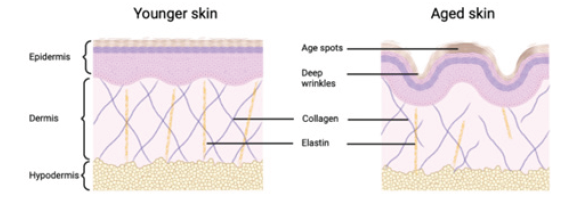
Figure 1: Schematic representing the three layers of the skin and structural differences between younger and aged skin. Younger skin (left) compared to aged skin (right) with age spots (solar lentigo) as well as deep wrinkles due to structural changes in the dermis.
Cell Senescence in Aging
Senescent cells are characterized by a permanent cessation of cellular division while remaining metabolically active. They secrete pro-inflammatory cytokines like IL-6 and IL-6, and matrix metalloproteinases (MMP-3, MMP-1, MMP-9), collectively termed senescence-associated secretory phenotype (SASP) which degrade collagen and elastin as well as other extracellular matrix (ECM) proteins [3].
Cell senescence was first described in lung fibroblasts by Leonard Hayflick in 1965. Originally thought to be an artifact of cell culture, it was later discovered that senescence was a normal physiologic feature of cells in vivo.3 While beneficial during embryonic development, body planning, and tumor suppression, large numbers of senescent cells alter the surrounding physiology to a pro-inflammatory state, thin the epidermal and dermal skin layers, promote senescence in adjacent cells vie intercellular protein and miRNA transfer, and increase local inflammation [3].
Chronological & UV-induced Aging of the Skin
Chronological (intrinsic aging) and ultraviolet (UV) (extrinsic aging) of the skin are distinct morphologically, but they share common features such as collagen damage [4]. Disorganization of type I collagen in the dermis is a hallmark of both chronological and UV skin aging. The altered collagen structure is a result of extracellular matrix (ECM) fragmentation and decreased collagen production due to senescence and UV-induced reactive oxygen species (ROS) accumulation [4]. Chronic UV exposure generates free radicals like hydroxyl radicals that inhibit intracellular phosphatases. The decreased phosphatase concentration promotes receptor tyrosine kinase (RTK) activation, leading to mitogen-activated protein kinase (MAPK) activation and an upregulation of gene transcripts that produce matrix metalloproteases (MMPs). In this state, collagen fragmentation is promoted and skin aging is enhanced, and equilibrium is shifted from collagen deposition to degradation [4]. The ensuing reduction in structural and mechanical support of the skin contribute directly to the development of fine lines and wrinkles. It follows, then, that a restoration of aged skin’s underlying structural ECM could reverse the effects of intrinsic and extrinsic aging and restore skin to a more youthful appearance.
Current Treatments for Aging Skin
Despite the fact that skin aging is a normal biological process, extensive time and effort has gone into developing treatments to combat its effects. These include a myriad of daily skin care products, photoprotection, UV filters, topical agents, dermal fillers, and surgery [5].
Photoprotection & UV Filters
Since photoaging is one of the two main mechanisms that damages skin long-term, protection from UV rays is an important preventive measure against skin aging [5]. The UV filters in sunscreen can be classified as either inorganic (TiO2 or ZnO), or organic (benzophenones, aminobenzoates, cinnamates, and salicylates among others) that absorb light in specific ranges UVA (315-400nm), UVB (280-315nm) [6].
Antioxidants
UV exposure generates harmful reactive oxygen species (ROS) that damage DNA and promote collagen degradation. Topical antioxidants therefore offer protection against an accumulation of ROS and premature aging of the skin. These can take the form of anti-aging creams, gels or serums comprised of vitamins, flavonoids, and polyphenols. Additionally, cell regulator compounds like retinols, peptides, and hormones found in certain anti-aging products promote collagen deposition by stimulating fibroblast activity [5].
Dermal Fillers
Several types of fillers exist, and they include: calcium hydroxyapatite which is used for moderate to severe creases around the nose and mouth. Hyaluronic acid is another common additive which can be used to treat changes in skin contour from frown lines, deep wrinkles, acne scars, and cheek depressions [7]. Polyalkylimide and polylactic acid are considered a semi-permanent filler, and they are often used to treat deeper naso-labial creases, plump lips, and to combat facial wasting from HIV medications. Polymethyl-methacrylate microspheres (PMMA) are utilized as a more-permanent solution to treat facial wrinkles, however, a number of injections over several months are required to achieve the desired results [7].
Plastic Surgery
Plastic surgery to tighten aged and wrinkled skin can be approached many ways from non-invasively to full surgical procedures. Non-invasive procedures offer modest skin tightening and can include ultrasound, radiofrequency, and laser treatment methods [8]. While there is little downtime and procedures are short, the results tend to be gradual, require multiple treatments and in-office appointments. Minimally invasive procedures include radiofrequency and laser resurfacing treatments. These procedures give faster results, but require up to a week of recovery and are not covered by insurance [8]. Finally, invasive procedures like face lifts (rhytidectomy) can be used to treat natural aging in the face and neck. These procedures give the most dramatic outcomes, but are complicated to perform, require weeks of recovery, and are accompanied by the highest risk of complications (scarring, anatomical distortions, and surgical risks) [9].
Leveraging the Regenerative Power of Mesenchymal
Stem Cells (MSC)
Our company has developed a novel skincare product that contains stem cell extracts and other natural ingredients. This treatment approach aims to provide maximal improvement of skin aesthetics by promoting skin cell renewal, collagen synthesis, and antioxidant protection in a minimally invasive delivery method.
Mesenchymal Stem Cell Background
MSC’s are a unique type of adult stem cell that have the ability to differentiate into their own mesodermal lineage to give rise to new bone, cartilage, muscle, connective tissues, and fat. For sake of this white paper, MSC’s can also be applied into new endodermal and ectodermal lineages as well [10].
(Figure 2) provides a schematic of the relationship between embryonic layers and the major stem cell types. Bone marrow MSCs, a subtype of mesenchymal stem cell, migrate to sites of tissue damage where they differentiate into cell subtypes involved in tissue repair [10]. And, since they can be isolated from bone marrow aspirate and expanded to large numbers in culture, these MSCs make an ideal cell type for use in healing and regenerative medicine applications [11].

Figure 2: Provides a schematic of the relationship between embryonic layers and the major stem cell types. Subtype of mesenchymal stem cell, migrate age where they differentiate into cell type.
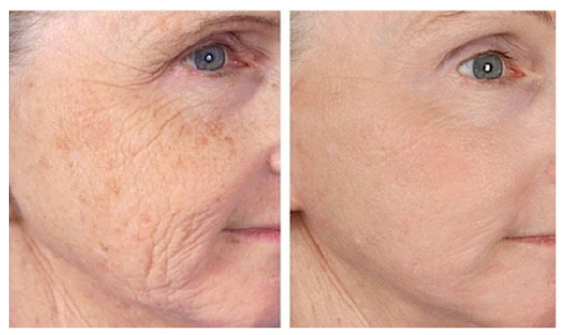
Figure 3: Before and after microneedling and application of the stem cell conditioned media.
MSCs are recruited to different locations in the periphery by chemokine release from sites of injury. Stromal derived factor-1 (SDF-1) is an example of such a chemokine, and its ability to attract BMSCs is well characterized [12]. Osteopontin (OPN) secreted by several cell types, has been shown to attract BMSCs to sites of active bone remodeling, vascularization, cell regeneration, and inflammation [12,13]. Other central factors involved in MSC migration and tissue repair include: basic fibroblast growth factor (bFGF), vascular endothelial growth factor (VEGF)-A, hepatocyte growth factor (HGF) platelet-derived growth factor (PDGF), and transforming growth factor (TGF-β) [12]. (Table 1) depicts these main repair signaling molecules and the cell types that secrete them.
Once at the site of injury, mesenchymal stem cells initiate the healing process by several mechanisms: directed differentiation, fusion with local cells, microvesicle/exosome release, and paracrine signaling [14]. Stem cell-derived microvesicles have been shown to transfer mRNA, microRNA, and proteins to adjacent cells. It is thought that this horizontal gene transfer may help inhibit apoptosis and promote cell cycle entry thereby inducing replication of already differentiated cells [15]. Given the local function of MSC-derived microvesicles on target cells, their release may be considered a part of the paracrine-directed healing response.
Paracrine signaling has been shown to be the main mechanism by which MSCs direct wound healing [14]. As previously discussed, bFGF, VEGF, HGF, PDGF, TGF-β, OPN, and SDF-1 are all potent paracrine factors secreted by BMSCs at sites of tissue injury that direct and enhance wound healing. While each factor has a predominant role (Table 1), they are not secreted in isolation, rather, they are released in combinations and at varying concentrations based on the tissue damage site [12]. Other stem cell-derived factors and cytokines involved in inflammation and healing not previously discussed are listed in (Table 2).
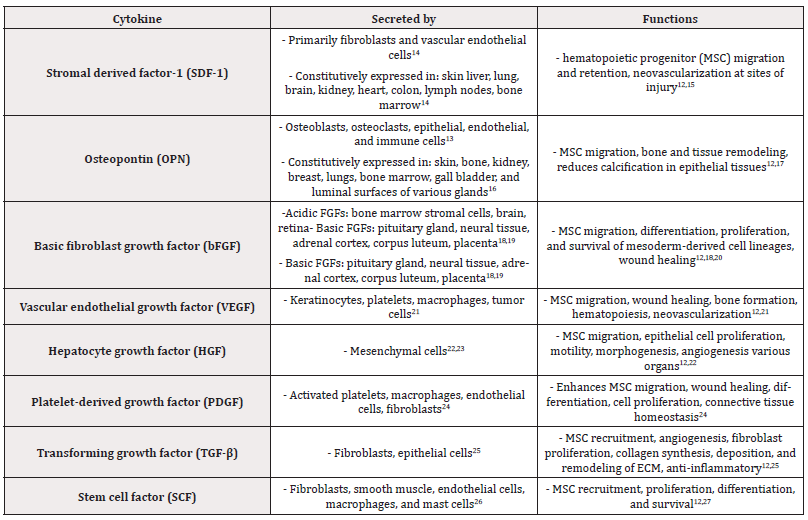
Table 1: Centrally-involved cytokines and factors involved in mesenchymal stem cell (MSC) migration and tissue repair.
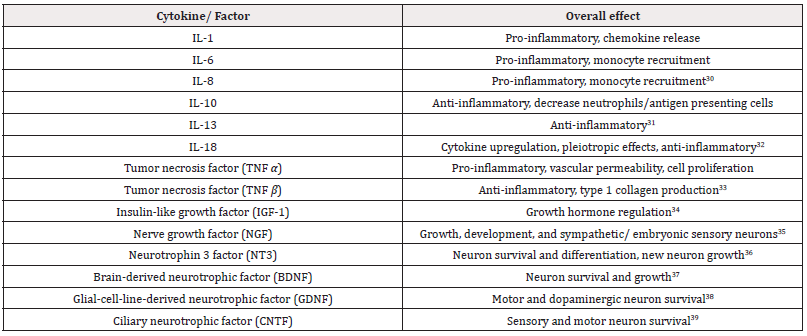
Table 2: Stem cell-derived cytokines and growth factors involved in inflammation, healing, and neuron survival and growth.
MSC engraftment studies have demonstrated enhanced wound healing outcomes as well as nerve regeneration, however, this method comes with the risk of developing teratomas [12,16]. Instead, MSC-conditioned media containing growth factors and chemokines is an attractive alternative.
Furthermore, MSCs have been shown to have anti-inflammatory, neurotropic, neuroprotective, and angiogenic effects due to release of tumor necrosis factor β1 (TNF), interleukin 13, 18, ciliary neurotrophic factor (CNTF), and neurotrophin 3 factor (NT3) in addition to release of: BDNF, NGF, bFGF, CNTF [17]. Release of VEGF, IGF, PDGF, IL-6, IL-8, TGF-β, and HGF from BMSCs promotes angiogenesis and enhances healing at sites of injury. Last, MSCs can promote nerve regeneration by inhibiting inflammation and apoptotic pathways [17].
This pilot clinical trial aimed to evaluate the efficacy of our novel product developed for improving age related skin aesthetics and provide preliminary data and justification for further in-depth clinical studies.
Methods
This pilot clinical trial aimed to evaluate the efficacy of our company’s stem cell conditioned skin cream in improving aesthetics. A total of 12 adult participants with various skin concerns, including skin discoloration, skin tone, skin texture, skin brightness, fine lines, and course lines, were recruited for this pilot clinical trial and treated with our product for a period of eight weeks.
The inclusion criteria were adults between the ages of 18-65 years and willingness to comply with the study protocol including reporting outcomes before and after applying the novel cream for the experimental period. Exclusion criteria included pregnancy or lactation, current use of topical or oral medication for existing skin concerns, and active skin diseases that may interfere with the study interpretation or outcomes.
Participants were treated with product twice daily for eight weeks. Specific skin markers including degree of facial lines and general skin tone and texture were assessed by clinical evaluation survey before initiating and after eight weeks of twice daily application on the cream treatment. All completed data surveys were collected from participants and reviewed by the scientific investigator.
The primary outcome of this pilot study was the percentage of participants with visible improvements in age related skin aesthetics. The secondary outcomes were the percentage of participants with measured improvement in at least one dimensions assessed.
Stem Cell Culture
The human BM-MSC stem cells were cultured in an aseptic laboratory and after a period of tissue culture under defined conditions, the conditioned media was collected and held in quarantine while samples were collected for quality control analysis by a 3rd party including academic laboratory microbiological testing. Once results were reviewed and passed quality control review, samples were released from quarantine and the stem cell conditioned media added to our proprietary reagents to create our MSC-CM cream. Each lot was assigned a specific lot # and date of production.
Results
Preliminary Results from our Pilot Clinical Trial
A group of 12 adults between the ages of 35-70 were provided the product for an initial period of 12 weeks. A total of 8 women and 4 men agreed to participate in the trial and signed a consent for this research project. Volunteers were asked to complete a simple survey on the status of their skin conditions before and after the trial.
All 12 participants completed the study without any significant adverse events during the 12 week trial period. The results showed that 90% of participants had improvements in skin coloration, 77% reported and improvement in fine lines and course lines at the conclusion of the study.
A total of 88% of the pilot trial participants reported improvements of skin tone and 81% reported an improvement in skin texture following the12 week trial of our novel stem cell conditioned culture cream.
All participants in our pilot study showed improvements in at least one dimension collected in this pilot study and suggests that this product provided a significant benefit to their normal skin care routine.
Discussion and Conclusion
Of note in this pilot of our novel product was, the magnitude of change for those with more severe skin concerns as most remarkable in this small sample group. If this trend holds up in experiments with larger populations, it lends itself to the conclusion that the more severe the underlying skin aesthetic problem, the more dramatic the expected improved effect of human stem conditioned serum in our product.
Further studies with a larger population and longer treatment periods are warranted to confirm these findings including histological observation from skin biopsies. This study demonstrates that a novel product derived from cultured human mesenchymal stem cells, prepared as a novel topical cream product, can improve skin related signs of aging including reduction of wrinkles and improvements of skin tone.
Acknowledgments
The authors acknowledge the support from the Department of Surgery at the University of California, Irvine, CA and AA Chemistry and Cosmetics LLC, Apple Valley, CA.
References
- Farage MA, Miller KW, Elsner P and Maibach HI (2013) Characteristics of the Aging Skin. Adv Wound Care (New Rochelle). 2(1): 5-10.
- Brincat MP, Baron YM and Galea R (2005) Estrogens and the skin. Climacteric. 8(2): 110-123.
- Ho CY and Dreesen O (2021) Faces of cellular senescence in skin aging. Mechanisms of Ageing and Development. 198: 111525.
- Rittié L and Fisher GJ (2015) Natural and sun-induced aging of human skin. Cold Spring Harb Perspect Med 5(1): a015370.
- Zouboulis CC, Ganceviciene R, Liakou AI, Theodoridis A and Elewa R et al (2019) Aesthetic aspects of skin aging, prevention, and local treatment. Clinics in Dermatology 37(4): 365-372.
- National Academies of Sciences E, Medicine, Health, et al (2022) Review of Fate, Exposure, and Effects of Sunscreens in Aquatic Environments and Implications for Sunscreen Usage and Human Health. National Academies Press (US) Copyright 2022 by the National Academy of Sciences. All rights reserved.
- Dermal Fillers: Minimally Invasive Procedures. Oct 25, 2023.
- Many Ways to Firm Sagging Skin. American Academy of Dermatology. Accessed Oct 28, 2023.
- Dibbs RP, Chamata E, Ferry AM and Friedman JD (2021) Revision Facelift and Neck Lift. Semin Plast Surg 35(2): 88-97.
- Kuroda Y, Kitada M, Wakao S and Dezawa M (2011) Bone marrow mesenchymal cells: how do they contribute to tissue repair and are they really stem cells? Arch Immunol Ther Exp (Warsz) 59(5): 369-378.
- Park CW, Kim KS, Bae S, Son HK and Myung PK, et al (2009) Cytokine secretion profiling of human mesenchymal stem cells by antibody array. Int J Stem Cells 2(1): 59-68.
- Fu X, Liu G, Halim A, Ju Y and Luo Q et al (2019) Mesenchymal Stem Cell Migration and Tissue Repair. Cells 8(8): 784.
- Bastos A, Gomes AVP, Silva GR, Emerenciano M and Ferreira LB et al (2023) The Intracellular and Secreted Sides of Osteopontin and Their Putative Physiopathological Roles. Int J Mol Sci 24(3): 2942.
- Pankajakshan D and Agrawal DK (2014) Mesenchymal Stem Cell Paracrine Factors in Vascular Repair and Regeneration. J Biomed Technol Res 1(1): 10.
- Biancone L, Bruno S, Deregibus MC, Tetta C and Camussi G (2012) Therapeutic potential of mesenchymal stem cell-derived microvesicles. Nephrol Dial Transplant 27(8): 3037-3042.
- Lavorato A, Raimondo S, Boido M, Muratori L and Durante G, et al (2021) Mesenchymal Stem Cell Treatment Perspectives in Peripheral Nerve Regeneration: Systematic Review. Int J Mol Sci 22(2): 572.
- Cofano F, Boido M, Monticelli M, Zenga F and Ducati A et al (2019) Mesenchymal Stem Cells for Spinal Cord Injury: Current Options, Limitations, and Future of Cell Therapy. Int J Mol Sci 20(11): 2698.
*Corresponding author: Jonathan R T Lakey, Department of Surgery and Biomedical Engineering, University of California Irvine, California, USA.
Received: October 19, 2024; Published: October 23, 2024
DOI: 10.34297/AJBSR.2024.24.003207
Introduction
The appearance of skin plays an essential role in our social and psychological well-being. Various factors, such as aging, sun exposure, and lifestyle, can affect skin aesthetics and result in skin coloration, skin tone, skin texture, skin brightness, fine lines, and coarse lines. These skin concerns can lead to decreased self-esteem and quality of life.
Skin & Aging
Skin is important not just as a barrier between internal and external environments, but serves to regulate body temperature, hydration levels, as well as providing sensory feedback, and immune surveillance [1]. These functions are lost unavoidably as we age, and rate and extent to which skin aging occurs is influenced by two factors: genetics and environment [1]. An individual’s genetic makeup causes skin integrity to weaken at a pre-determined pace, and the environmental contributions add to the inherent aging process of skin.
Reactive oxygen species (ROS), contribute to the breakdown of cell membranes and DNA leading to a slowing of cell proliferation through time. Ultraviolet exposure also slows cell division and proliferation through DNA damage; cigarette smoke and air pollution accelerate skin aging as well [1]. Additionally, females must contend with decreased estrogen at menopause which has been shown to further decrease collagen, skin thickness. (Figure 1) [2]. These processes, in both males and females, result in impaired wound healing, decreased thermal regulation ability, and increased inflammation of the skin [3].
Figure 1: Schematic representing the three layers of the skin and structural differences between younger and aged skin. Younger skin (left) compared to aged skin (right) with age spots (solar lentigo) as well as deep wrinkles due to structural changes in the dermis.
Cell Senescence in Aging
Senescent cells are characterized by a permanent cessation of cellular division while remaining metabolically active. They secrete pro-inflammatory cytokines like IL-6 and IL-6, and matrix metalloproteinases (MMP-3, MMP-1, MMP-9), collectively termed senescence-associated secretory phenotype (SASP) which degrade collagen and elastin as well as other extracellular matrix (ECM) proteins [3].
Cell senescence was first described in lung fibroblasts by Leonard Hayflick in 1965. Originally thought to be an artifact of cell culture, it was later discovered that senescence was a normal physiologic feature of cells in vivo.3 While beneficial during embryonic development, body planning, and tumor suppression, large numbers of senescent cells alter the surrounding physiology to a pro-inflammatory state, thin the epidermal and dermal skin layers, promote senescence in adjacent cells vie intercellular protein and miRNA transfer, and increase local inflammation [3].
Chronological & UV-induced Aging of the Skin
Chronological (intrinsic aging) and ultraviolet (UV) (extrinsic aging) of the skin are distinct morphologically, but they share common features such as collagen damage [4]. Disorganization of type I collagen in the dermis is a hallmark of both chronological and UV skin aging. The altered collagen structure is a result of extracellular matrix (ECM) fragmentation and decreased collagen production due to senescence and UV-induced reactive oxygen species (ROS) accumulation [4]. Chronic UV exposure generates free radicals like hydroxyl radicals that inhibit intracellular phosphatases. The decreased phosphatase concentration promotes receptor tyrosine kinase (RTK) activation, leading to mitogen-activated protein kinase (MAPK) activation and an upregulation of gene transcripts that produce matrix metalloproteases (MMPs). In this state, collagen fragmentation is promoted and skin aging is enhanced, and equilibrium is shifted from collagen deposition to degradation [4]. The ensuing reduction in structural and mechanical support of the skin contribute directly to the development of fine lines and wrinkles. It follows, then, that a restoration of aged skin’s underlying structural ECM could reverse the effects of intrinsic and extrinsic aging and restore skin to a more youthful appearance.
Current Treatments for Aging Skin
Despite the fact that skin aging is a normal biological process, extensive time and effort has gone into developing treatments to combat its effects. These include a myriad of daily skin care products, photoprotection, UV filters, topical agents, dermal fillers, and surgery [5].
Photoprotection & UV Filters
Since photoaging is one of the two main mechanisms that damages skin long-term, protection from UV rays is an important preventive measure against skin aging [5]. The UV filters in sunscreen can be classified as either inorganic (TiO2 or ZnO), or organic (benzophenones, aminobenzoates, cinnamates, and salicylates among others) that absorb light in specific ranges UVA (315-400nm), UVB (280-315nm) [6].
Antioxidants
UV exposure generates harmful reactive oxygen species (ROS) that damage DNA and promote collagen degradation. Topical antioxidants therefore offer protection against an accumulation of ROS and premature aging of the skin. These can take the form of anti-aging creams, gels or serums comprised of vitamins, flavonoids, and polyphenols. Additionally, cell regulator compounds like retinols, peptides, and hormones found in certain anti-aging products promote collagen deposition by stimulating fibroblast activity [5].
Dermal Fillers
Several types of fillers exist, and they include: calcium hydroxyapatite which is used for moderate to severe creases around the nose and mouth. Hyaluronic acid is another common additive which can be used to treat changes in skin contour from frown lines, deep wrinkles, acne scars, and cheek depressions [7]. Polyalkylimide and polylactic acid are considered a semi-permanent filler, and they are often used to treat deeper naso-labial creases, plump lips, and to combat facial wasting from HIV medications. Polymethyl-methacrylate microspheres (PMMA) are utilized as a more-permanent solution to treat facial wrinkles, however, a number of injections over several months are required to achieve the desired results [7].
Plastic Surgery
Plastic surgery to tighten aged and wrinkled skin can be approached many ways from non-invasively to full surgical procedures. Non-invasive procedures offer modest skin tightening and can include ultrasound, radiofrequency, and laser treatment methods [8]. While there is little downtime and procedures are short, the results tend to be gradual, require multiple treatments and in-office appointments. Minimally invasive procedures include radiofrequency and laser resurfacing treatments. These procedures give faster results, but require up to a week of recovery and are not covered by insurance [8]. Finally, invasive procedures like face lifts (rhytidectomy) can be used to treat natural aging in the face and neck. These procedures give the most dramatic outcomes, but are complicated to perform, require weeks of recovery, and are accompanied by the highest risk of complications (scarring, anatomical distortions, and surgical risks) [9].
Leveraging the Regenerative Power of Mesenchymal Stem Cells (MSC)
Our company has developed a novel skincare product that contains stem cell extracts and other natural ingredients. This treatment approach aims to provide maximal improvement of skin aesthetics by promoting skin cell renewal, collagen synthesis, and antioxidant protection in a minimally invasive delivery method.
Mesenchymal Stem Cell Background
MSC’s are a unique type of adult stem cell that have the ability to differentiate into their own mesodermal lineage to give rise to new bone, cartilage, muscle, connective tissues, and fat. For sake of this white paper, MSC’s can also be applied into new endodermal and ectodermal lineages as well [10].
(Figure 2) provides a schematic of the relationship between embryonic layers and the major stem cell types. Bone marrow MSCs, a subtype of mesenchymal stem cell, migrate to sites of tissue damage where they differentiate into cell subtypes involved in tissue repair [10]. And, since they can be isolated from bone marrow aspirate and expanded to large numbers in culture, these MSCs make an ideal cell type for use in healing and regenerative medicine applications [11].
Figure 2: Provides a schematic of the relationship between embryonic layers and the major stem cell types. Subtype of mesenchymal stem cell, migrate age where they differentiate into cell type.
Figure 3: Before and after microneedling and application of the stem cell conditioned media.
MSCs are recruited to different locations in the periphery by chemokine release from sites of injury. Stromal derived factor-1 (SDF-1) is an example of such a chemokine, and its ability to attract BMSCs is well characterized [12]. Osteopontin (OPN) secreted by several cell types, has been shown to attract BMSCs to sites of active bone remodeling, vascularization, cell regeneration, and inflammation [12,13]. Other central factors involved in MSC migration and tissue repair include: basic fibroblast growth factor (bFGF), vascular endothelial growth factor (VEGF)-A, hepatocyte growth factor (HGF) platelet-derived growth factor (PDGF), and transforming growth factor (TGF-β) [12]. (Table 1) depicts these main repair signaling molecules and the cell types that secrete them.
Once at the site of injury, mesenchymal stem cells initiate the healing process by several mechanisms: directed differentiation, fusion with local cells, microvesicle/exosome release, and paracrine signaling [14]. Stem cell-derived microvesicles have been shown to transfer mRNA, microRNA, and proteins to adjacent cells. It is thought that this horizontal gene transfer may help inhibit apoptosis and promote cell cycle entry thereby inducing replication of already differentiated cells [15]. Given the local function of MSC-derived microvesicles on target cells, their release may be considered a part of the paracrine-directed healing response.
Paracrine signaling has been shown to be the main mechanism by which MSCs direct wound healing [14]. As previously discussed, bFGF, VEGF, HGF, PDGF, TGF-β, OPN, and SDF-1 are all potent paracrine factors secreted by BMSCs at sites of tissue injury that direct and enhance wound healing. While each factor has a predominant role (Table 1), they are not secreted in isolation, rather, they are released in combinations and at varying concentrations based on the tissue damage site [12]. Other stem cell-derived factors and cytokines involved in inflammation and healing not previously discussed are listed in (Table 2).
Table 1: Centrally-involved cytokines and factors involved in mesenchymal stem cell (MSC) migration and tissue repair.
Table 2: Stem cell-derived cytokines and growth factors involved in inflammation, healing, and neuron survival and growth.
MSC engraftment studies have demonstrated enhanced wound healing outcomes as well as nerve regeneration, however, this method comes with the risk of developing teratomas [12,16]. Instead, MSC-conditioned media containing growth factors and chemokines is an attractive alternative.
Furthermore, MSCs have been shown to have anti-inflammatory, neurotropic, neuroprotective, and angiogenic effects due to release of tumor necrosis factor β1 (TNF), interleukin 13, 18, ciliary neurotrophic factor (CNTF), and neurotrophin 3 factor (NT3) in addition to release of: BDNF, NGF, bFGF, CNTF [17]. Release of VEGF, IGF, PDGF, IL-6, IL-8, TGF-β, and HGF from BMSCs promotes angiogenesis and enhances healing at sites of injury. Last, MSCs can promote nerve regeneration by inhibiting inflammation and apoptotic pathways [17].
This pilot clinical trial aimed to evaluate the efficacy of our novel product developed for improving age related skin aesthetics and provide preliminary data and justification for further in-depth clinical studies.
Methods
This pilot clinical trial aimed to evaluate the efficacy of our company’s stem cell conditioned skin cream in improving aesthetics. A total of 12 adult participants with various skin concerns, including skin discoloration, skin tone, skin texture, skin brightness, fine lines, and course lines, were recruited for this pilot clinical trial and treated with our product for a period of eight weeks.
The inclusion criteria were adults between the ages of 18-65 years and willingness to comply with the study protocol including reporting outcomes before and after applying the novel cream for the experimental period. Exclusion criteria included pregnancy or lactation, current use of topical or oral medication for existing skin concerns, and active skin diseases that may interfere with the study interpretation or outcomes.
Participants were treated with product twice daily for eight weeks. Specific skin markers including degree of facial lines and general skin tone and texture were assessed by clinical evaluation survey before initiating and after eight weeks of twice daily application on the cream treatment. All completed data surveys were collected from participants and reviewed by the scientific investigator.
The primary outcome of this pilot study was the percentage of participants with visible improvements in age related skin aesthetics. The secondary outcomes were the percentage of participants with measured improvement in at least one dimensions assessed.
Stem Cell Culture
The human BM-MSC stem cells were cultured in an aseptic laboratory and after a period of tissue culture under defined conditions, the conditioned media was collected and held in quarantine while samples were collected for quality control analysis by a 3rd party including academic laboratory microbiological testing. Once results were reviewed and passed quality control review, samples were released from quarantine and the stem cell conditioned media added to our proprietary reagents to create our MSC-CM cream. Each lot was assigned a specific lot # and date of production.
Results
Preliminary Results from our Pilot Clinical Trial
A group of 12 adults between the ages of 35-70 were provided the product for an initial period of 12 weeks. A total of 8 women and 4 men agreed to participate in the trial and signed a consent for this research project. Volunteers were asked to complete a simple survey on the status of their skin conditions before and after the trial.
All 12 participants completed the study without any significant adverse events during the 12 week trial period. The results showed that 90% of participants had improvements in skin coloration, 77% reported and improvement in fine lines and course lines at the conclusion of the study.
A total of 88% of the pilot trial participants reported improvements of skin tone and 81% reported an improvement in skin texture following the12 week trial of our novel stem cell conditioned culture cream.
All participants in our pilot study showed improvements in at least one dimension collected in this pilot study and suggests that this product provided a significant benefit to their normal skin care routine.
Discussion and Conclusion
Of note in this pilot of our novel product was, the magnitude of change for those with more severe skin concerns as most remarkable in this small sample group. If this trend holds up in experiments with larger populations, it lends itself to the conclusion that the more severe the underlying skin aesthetic problem, the more dramatic the expected improved effect of human stem conditioned serum in our product.
Further studies with a larger population and longer treatment periods are warranted to confirm these findings including histological observation from skin biopsies. This study demonstrates that a novel product derived from cultured human mesenchymal stem cells, prepared as a novel topical cream product, can improve skin related signs of aging including reduction of wrinkles and improvements of skin tone.
Acknowledgments
The authors acknowledge the support from the Department of Surgery at the University of California, Irvine, CA and AA Chemistry and Cosmetics LLC, Apple Valley, CA.
References
- Farage MA, Miller KW, Elsner P and Maibach HI (2013) Characteristics of the Aging Skin. Adv Wound Care (New Rochelle). 2(1): 5-10.
- Brincat MP, Baron YM and Galea R (2005) Estrogens and the skin. Climacteric. 8(2): 110-123.
- Ho CY and Dreesen O (2021) Faces of cellular senescence in skin aging. Mechanisms of Ageing and Development. 198: 111525.
- Rittié L and Fisher GJ (2015) Natural and sun-induced aging of human skin. Cold Spring Harb Perspect Med 5(1): a015370.
- Zouboulis CC, Ganceviciene R, Liakou AI, Theodoridis A and Elewa R et al (2019) Aesthetic aspects of skin aging, prevention, and local treatment. Clinics in Dermatology 37(4): 365-372.
- National Academies of Sciences E, Medicine, Health, et al (2022) Review of Fate, Exposure, and Effects of Sunscreens in Aquatic Environments and Implications for Sunscreen Usage and Human Health. National Academies Press (US) Copyright 2022 by the National Academy of Sciences. All rights reserved.
- Dermal Fillers: Minimally Invasive Procedures. Oct 25, 2023.
- Many Ways to Firm Sagging Skin. American Academy of Dermatology. Accessed Oct 28, 2023.
- Dibbs RP, Chamata E, Ferry AM and Friedman JD (2021) Revision Facelift and Neck Lift. Semin Plast Surg 35(2): 88-97.
- Kuroda Y, Kitada M, Wakao S and Dezawa M (2011) Bone marrow mesenchymal cells: how do they contribute to tissue repair and are they really stem cells? Arch Immunol Ther Exp (Warsz) 59(5): 369-378.
- Park CW, Kim KS, Bae S, Son HK and Myung PK, et al (2009) Cytokine secretion profiling of human mesenchymal stem cells by antibody array. Int J Stem Cells 2(1): 59-68.
- Fu X, Liu G, Halim A, Ju Y and Luo Q et al (2019) Mesenchymal Stem Cell Migration and Tissue Repair. Cells 8(8): 784.
- Bastos A, Gomes AVP, Silva GR, Emerenciano M and Ferreira LB et al (2023) The Intracellular and Secreted Sides of Osteopontin and Their Putative Physiopathological Roles. Int J Mol Sci 24(3): 2942.
- Pankajakshan D and Agrawal DK (2014) Mesenchymal Stem Cell Paracrine Factors in Vascular Repair and Regeneration. J Biomed Technol Res 1(1): 10.
- Biancone L, Bruno S, Deregibus MC, Tetta C and Camussi G (2012) Therapeutic potential of mesenchymal stem cell-derived microvesicles. Nephrol Dial Transplant 27(8): 3037-3042.
- Lavorato A, Raimondo S, Boido M, Muratori L and Durante G, et al (2021) Mesenchymal Stem Cell Treatment Perspectives in Peripheral Nerve Regeneration: Systematic Review. Int J Mol Sci 22(2): 572.
- Cofano F, Boido M, Monticelli M, Zenga F and Ducati A et al (2019) Mesenchymal Stem Cells for Spinal Cord Injury: Current Options, Limitations, and Future of Cell Therapy. Int J Mol Sci 20(11): 2698.




 We use cookies to ensure you get the best experience on our website.