
Case Report 
 Creative Commons, CC-BY
Eosinophilic Esophagitis: A Case Report
*Corresponding author: Steven Wesley Johnson, Associate Professor, Samford University, Department of Physician Assistant Studies, 800 Lakeshore Drive, Homewood, AL, 35229, USA.
Received: August 10, 2024; Published: August 21, 2024
DOI: 10.34297/AJBSR.2024.23.003126
Introduction
A 34-year-old male is evaluated for difficulty swallowing. He states his symptoms have been occurring for the last six months but have worsened over the last few weeks. His swallowing issues occur with both liquids and solids. It occurs intermittently with no aggravating or alleviating factors noted. At times, he has vomited which seems to relieve the symptoms. The most recent episode lasted over an hour, prompting him to go to the emergency room for evaluation. While in the emergency room, his symptoms resolved spontaneously without treatment. After the patient was examined, he was referred to gastroenterology for further evaluation of his symptoms.
Anatomy and Physiology
The esophagus, in its most basic function, is a muscular tube that allows the passage of food from the mouth to the stomach. The esophagus originates around the level of the sixth cervical vertebrae, just posterior to the cricoid cartilage [1-3]. In the thorax, the esophagus then courses behind the aortic arch and the left main stem bronchus., The esophagus then enters the abdomen through the esophageal hiatus [1-3]. The esophagus is responsible for the transportation of food into the stomach. Although essential in function, any physiologic or mechanical changes within the esophagus can lead to patient complaints of dysphagia, aphagia, or odynophagia [1,2]. Odynophagia, or painful swallowing, is a common presenting symptom that can be caused by multiple factors. In patients with esophageal symptoms, clinicians must differentiate between aphagia, dysphagia, and odynophagia to assist them in making an accurate diagnosis [1,2]. When these symptoms worsen, it can lead to aspiration, weight loss, and reduced quality of life [1]. Severe difficulties swallowing can lead to the fear of eating certain foods that elicit the patient’s symptoms.
The initiation of swallowing begins in the mouth through mastication, when food is prepared for transport to the stomach [1-3]. The food bolus is then pushed into the pharynx by the tongue and further into the hypopharynx to initiate the swallowing response [1]. As food moves along the esophagus, peristaltic contractions force the food bolus through the lower esophageal sphincter into the stomach. Dysphagia is often classified further by the location and the circumstance in which it occurs [1,2]. The normal transport of an ingested bolus depends on multiple things, including the size of the food bolus, the caliber of the esophageal lumen, the amplitude of the peristaltic contraction as well as the coordination of the upper and lower esophageal sphincter [1-3]. Most commonly, this can be caused by motility issues like achalasia or diffuse esophageal spams, or mechanical issues including strictures, hiatal hernias, and neoplasms [4,5]. One emerging cause of odynophagia is known as eosinophilic esophagitis or commonly known as EoE.
Pathophysiology
Eosinophilic esophagitis is a chronic antigen mediated immune disease of the esophagus that is characterized by symptoms related to esophageal dysfunction, and significant esophageal eosinophilia [6-8]. The first report describing EoE as a unique syndrome, characterized by solid food dysphagia and distinct from Gastroesophageal Reflux Disease (GERD) by esophageal tests, was published in 1993 [9]. Although initially thought to be a rare disease, the disorder has become increasingly diagnosed in patients presenting with dysphagia or odynophagia. After EGD and biopsy, esophageal tissues will have histologic evidence of eosinophil-predominant inflammation without identifiable secondary causes of the esophageal eosinophilia [6-8]. The primary mechanism for dysphagia in EoE is esophageal remodeling and fibrosis which is identified in over 90% of patients [10,11]. Additionally, structural alterations of the esophagus, which can form focal strictures, esophageal rings, or narrow caliber esophagus can be identified in most adults with EoE [11]. The impact of these structural alterations in EoE has been reported to decrease esophageal compliance and lead to markedly reduced esophageal distensibility in EoE patients [11,12].
One or more foods and, at times, environmental allergens can be the trigger for the development of eosinophilic esophagitis [8]. If this goes untreated, it can lead to marked esophageal swelling, remodeling, and stricture formation [8,11,12]. The symptoms can vary due to the severity at the time of diagnosis and the patient’s age. During the past 20 years, research has led to a better understanding of the disease. We now know it is a T helper two, an inflammatory disease process associated with allergic triggers. It is also noted that children and adults with the disorder seem to have an atopic history, including asthma, allergic rhinitis, and or atopic dermatitis [7,8]. On endoscopy, the esophagus may have inflammatory changes due to EoE, including trachealization of the esophagus, rings, strictures, and furrows noted [1,2,8,9]. It should also be noted that there is an overlap between GERD and those with EoE, functional dyspepsia, and gastroparesis, which can make treatment challenging. In several situations, gastroesophageal reflux might be associated with esophageal eosinophils. This process is thought to occur due to reflux causing esophageal injury leading to mild eosinophilic infiltration [10]. Although both reflux and EoE occur simultaneously, they seem to occur independently of one another (Figure 1).
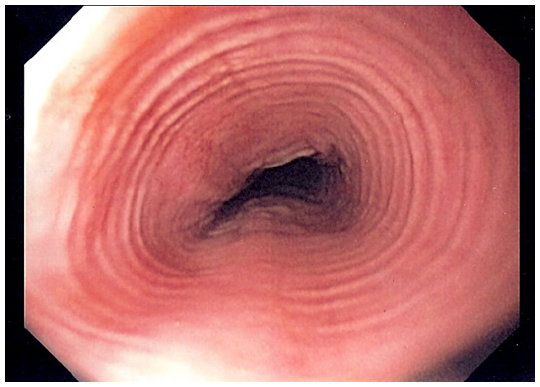
Figure 1: Trachealization of the esophagus, EoE.
Eosinophilic Esophagitis-Prevalence
Although the incidence of EoE is increasing, it is unclear if this is due to increasing numbers of cases or increased clinical recognition and diagnosis [11,12]. Although in the past this was an uncommon diagnosis, cases seem to be increasing, ranging from 1.3-9.5 cases per 100,000, with a predilection to white males [1,3,4,5]. This disease most commonly presents in patients in their 2nd and 3rd decade of life, and approximately 75% of those affected are males [1,2,5]. Although making the diagnosis is simple, there seems to be a delay in the diagnosis, with a mean duration of 4-6 years before seeking treatment [5]. Recent studies have indicated a fourfold increase in the diagnosis over the last 5-10 years and that 5-16% of patients who undergo EGD for dysphagia will be diagnosed with EoE [5]. Eosinophilic esophagitis can lead to decreased quality of life, particularly centered on eating behaviors and food impactions that can prompt trips to the emergency room for evaluation [6,7]. Due to this significant impact, it is imperative to recognize the potential for this diagnosis and decide on an appropriate evaluation.
Clinical Features
The most common presenting symptom of EoE is recurrent attacks of dysphagia [1,2,5]. In patients that present with dysphagia or odynophagia, clinicians should pay close attention to possible triggers, the length of time the patient has been experiencing symptoms, and a history of reflux or other associated gastrointestinal disorders. The diagnosis of EoE should be considered in children or adults with dysphagia or food impactions [1,2,5,6]. Although the symptoms can vary greatly, they often include chest pain, nausea and or vomiting, and possible food aversion to prevent recurrence of their symptoms [1,10,12]. Other symptoms may include reflux type symptoms or dyspepsia that has failed to respond to proton pump inhibitors. After recognition of the symptoms, a gastroenterology referral should be made to further evaluate the patient for potential esophageal pathology [11,12].
Diagnosis
Eosinophilic esophagitis is diagnosed through esophageal biopsy [1,2]. According to the American College of Gastroenterology, two to four biopsies should be obtained within the proximal and distal esophagus of patients where EoE is suspected [11,12]. Biopsies may also be taken from the stomach and duodenum to rule out other inflammatory bowel conditions like Crohn’s disease [7,8,12]. These biopsies are then evaluated for eosinophil peak count as well as the degree of epithelial hyperplasia and remodeling [8]. The biopsies not only establish the diagnosis but are also used to evaluate treatment response in subsequent biopsies [7,8]. American College of Gastroenterology defines EoE when there are symptoms of esophageal dysfunction with esophageal biopsy showing eosinophil-predominant inflammation (more than 15 eosinophils per at least one high power field of the microscope) [12]. It should be noted that peripheral blood eosinophilia can occur, and in these patients, the symptoms appear to be more severe. Some patients are also found to have an elevated serum IgE, although this does not seem to correlate with the severity of symptoms [8].
Treatment
Currently, there are no FDA- approved therapies for the treatment of EoE. Current options for inducing clinical remission include specialized diets, topical steroids, and esophageal dilations [8,11,12]. It should also be noted that gastroesophageal reflux does seem to play a role in this process, although to what extent is not fully understood. Patients with EoE seem to have improvement taking Proton Pump inhibitors (PPI’s)., Thus, it seems prudent to recommend a clinical trial of PPIs therapy [10,11]. Food allergy is a recurrent and often predictable immune response upon ingestion of a food antigen and has a close relationship with EoE. Elimination diets and specialized diets using hypoallergenic foods in children can be used to remove possible triggers that might be exacerbating eosinophilic esophagitis [12]. Typically, in adults, this is done by eliminating the diet after the patient has had allergy testing, thus avoiding the foods that elicited a response [8,11,12]. Several studies have suggested that ingesting a topical steroid may be a first line agent for treatment [10-12]. Ingesting these topical steroids can be helpful in treatment, although no formulation is preferred, and no standard successful method has been recognized [12]. The response to steroids varies across patients. Inhaled steroids such as Fluticasone and Budesonide will be inhaled at the usual dose used for allergy and asthma (one or two puffs once or twice daily), into the mouth, swallowed, and with no food or drink intake for an hour (washing them off or interfering with them). 0.5 mg of Budesonide daily inhaled has yielded a great symptomatic response [11,12]. Ingestion of topical fluticasone in doses ranging from 220-440 micrograms 2-4 times daily has demonstrated a significant improvement and even complete resolution of symptoms in 75% of cases [5,10,12]. Antihistamines and cromolyn have no known benefit in the disease, and treatment with leukotriene receptor antagonists have had mixed results [11,12]. Often strictures can occur and would require esophageal dilation [10-12].
Prognosis
At this point the natural history of the disease is not well known. Some patients will rarely experience symptoms, while others experience worsening symptoms, which may lead to dilation and long-term suppression [11,12]. The symptoms tend to vary but seem to be better controlled with steroids and proton pump inhibitors. It has a low association with the development of esophageal cancer long term [12].
Conclusion
Eosinophilic esophagitis is a common cause of dysphagia. Although not a life-threatening disease, EoE can be very stressful to patients and ultimately affect their eating habits. Due to the increasing incidence and the significant impact, it can have on patients, clinicians must have an appropriate understanding of the disease, recognize the potential symptoms, and refer patients for proper evaluation to confirm their suspicions. With appropriate medical therapy and recognition of potential allergic triggers, EoE can be effectively managed. In our original case, the patient did undergo EGD. He was found to have diffuse eosinophils on multiple random biopsies without other pathology noted. He was then started on oral steroids, inhaled steroids, and proton pump inhibitors, where his symptoms decreased dramatically. He was scheduled for allergy testing to rule out possible environmental causes of his eosinophilic esophagitis.
Acknowledgement
None.
Conflict of Interest
None.
References
- Hirano I, Kahrilas PJ (2015) Dysphagia. In: Kasper D, Fauci A, Hauser S, Longo D, Jameson J, Loscalzo J. eds. Harrison's Principles of Internal Medicine, 19e. New York, NY: McGraw-Hill.
- Allaix ME, Patti MG (2015) Esophagus & Diaphragm. In: Doherty GM. eds. CURRENT Diagnosis & Treatment: Surgery, 14e. New York, NY: McGraw-Hill.
- Langerman A, Patti MG (2012) Chapter 36. Benign & Malignant Disorders of the Esophagus. In: Lalwani AK. eds. CURRENT Diagnosis & Treatment in Otolaryngology—Head & Neck Surgery, 3e. New York, NY: McGraw-Hill.
- Kahrilas PJ, Hirano I (2015) Diseases of the Esophagus. In: Kasper D, Fauci A, Hauser S, Longo D, Jameson J, Loscalzo J. eds. Harrison's Principles of Internal Medicine, 19e. New York, NY: McGraw-Hill.
- Greenberger NJ (2016) Eosinophilic Esophagitis. In: Greenberger NJ, Blumberg RS, Burakoff R. eds. CURRENT Diagnosis & Treatment: Gastroenterology, Hepatology, & Endoscopy, 3e. New York, NY: McGraw-Hill.
- Hirano I (2016) How I Approach the Management of Eosinophilic Esophagitis in Adults. Am J Gastroenterol 112(2): 197-199.
- Mahdavinia M, Bishehsari F, Hayat W, Elhassan A, Tobin MC, et al. (2016) Association of eosinophilic esophagitis and food pollen allergy syndrome. Annals of Allergy, Asthma & Immunol 118(1): 116-117.
- Moawad FJ, Cheng E, Schoepfer A, Al Haddad S, Bellizzi, AM, et al. (2016) Eosinophilic esophagitis: Current perspectives from diagnosis to management. Ann N Y Acad Sci 1380(1): 204-217.
- Attwood SE, Smyrk TC, DeMeester TR, Jones JB (1993) Esophageal eosinophilia with dysphagia. A distinct clinicopathologic syndrome. Dig Dis Sci 38(1): 109-116.
- Spechler SJ, Genta RM, Souza RF (2007) Thoughts on the Complex Relationship Between Gastroesophageal Reflux Disease and Eosinophilic Esophagitis. Am J Gastroenterol 102(6): 1301-1306.
- Kidambi T, Toto E, Ho N, Taft T, Hirano I (2012) Temporal trends in the relative prevalence of dysphagia etiologies from 1999-2009. World Journal of Gastroenterol 18(32): 4335-4341.
- Akhondi H (2017) Diagnostic approaches and treatment of eosinophilic esophagitis. A review article. Ann Med Surg 20: 69-73.




 We use cookies to ensure you get the best experience on our website.