
Review Article 
 Creative Commons, CC-BY
BRICS and Africa: Reflection on Partnership in the Promotion of Women’s Leadership, Peace, and Security
*Corresponding author: William Maepa, University of Limpopo/University of Pretoria, South Africa.
Received: July 22, 2024; Published: August 01, 2024
DOI: 10.34297/AJBSR.2024.23.003089
Abstract
The creation of more equitable, fair and balanced representation between men and women has been one of the priorities of the BRICS (Brazil, Russia, India, China and South Africa) since its inception. The BRICS countries felt that the work and experience learned from the United Nations Organisation (UNO) could be useful to promote gender equality in the maintenance of world peace and security in the areas affected by conflicts and wars. The UN, with its culture of glorifying human rights and gender equity had a significant impact in the aims and motives of the BRICS. The BRICS member states’ vision was to be structured within the context of global political, socio-economic, and financial systems based on the new technological innovations of the Fourth Industrial Revolution. The desired equitability made provision for ‘gender equity’ which is aimed at providing opportunity for women to play a meaningful role in various institutions within the BRICS countries, including other countries of the world. Emphasis will also feature South Africa as the main leading country to facilitate the agenda. This paper will focus on how the envisaged visions and tasks of the BRICS will impact the world sustainable development including Africa, within the context of women representation as leaders to ensure that peace and security prevail. Emphasis will also be on the progress already made, and as well as evidence of challenges between rural and urban women. The paper will argue that BRICS’s Road to the full attainment of equitable gender representation to preserve peace and security in Africa and elsewhere in the world is facing a serious combination of political, socio-economic and cultural challenges coupled with world superpowers’ conflicting interests, of the historical ‘cold war’ power struggle mentality.
Introduction
The establishment of BRICS in 2009 which comprised of Brazil, Russia, India, and China gave birth to BRICS when South Africa became a member in 2010. The member states believed that cooperation and partnership will enable them to overcome common socio- economic and political challenges the world is facing. Member states believed that the partnership will benefit Africa an opportunity to acquire industrial, trade and economic growth after many decades of underdevelopment since colonialism by the Europeancountries. The involvement of women in all spheres of leadership roles was lacking and deliberately ignored by those in power. BRICS believed that time is ripe for the leaders to open space for women to participate freely in the various activities of leadership to assist in the maintenance of peace and security of the world, including Africa. Members also believed that women leadership should feature in a variety of fields like peace-keeping missions, human rights and women empowerment projects, women military centres, women as parliamentarians, health projects and prevention of women and child abuse projects. It became evident that attempts of expanding this leadership role would not be smoothly achieved without challenges.
United Nations Organisation (UNO) and BRICS
The issue of women discriminated and marginalisation has been a norm or tradition for many decades worldwide. Women were regarded as naturally inferior and were compelled to adhere to any decisions made by men. This practice featured in all political, social and economic spheres of life. With the rise of democracy, which embraces the concepts of human rights, equality, rule of law, freedom of expression, and other related features, saw the gradual drift from the traditional domination of men to increasing efforts of empowering women to enjoy similar status of men in all activities of life. The establishment of the UNO after the Second World War made provision for need by member states to wage campaigns and popularise the abolition of oppression against women. Women were to be seen as people who can join men in the solution of various challenges facing the world countries. In 2014 various UN women programmes have already been developed in various countries of the world as depicted in the map below (Figure 1). Similar efforts were emphasised in 2023 prior to 2024 International Women’s Day where women were considered potential role-players in achieving sustainable economic development and ending human right violation, poverty and gender inequality [13] (Figure 1).

Figure 1: Countries where UN- Women provide programme support delivered in 2014.
When BRICS was established, it realised that the issue of women discrimination should be emphasised to continue the foundation already laid by the UNO. This issue became a mammoth task as BRICS countries have different systems of governance as it was evident with Russia and China as authoritarian states, and South Africa, Brazil and India as democratic countries. In order to achieve this intended goal, BRICS gave specific attention to the matter in 2018 through the creation of BRICS Gender and Women’s Forum, with South Africa as a chair. Attention was also based on the inequality regarding the income or earning between men and women. According to Human Rights Watch, Brazilian women earn an estimated 23% less than men, while South Africa also experienced similar wage disparity with women earning 27% less than men. Although member states agreed to speed up the process, uneven progress occurred, with South Africa leading the block. One can argue that women empowerment programmes established since the inception of democracy in 1994 made South Africa to be the leading country due to the availability of advanced women empowerment and other related programmes which enabled women to hold leadership role in political decisions as parliamentarians. In general, member states produced minimal progress in the implementation of gender equity since 2018 [12].
In 2017 BRICS Women’s Business Alliance (WBA) leaders met in China to report and discuss about how they managed to overcome main barriers and current venture in the international markets. Each leader pledged to work hard to expand women leadership in business which will open more space to participate in the political decisions to promote gender equality. Efforts were also made in the promotion of security and women career development and political participation. According to Chinese Chapter Report of BRICS WBA, Chinese women held various leadership positions which enable them to initiate projects, one of which focused on the women’s health, education, economic activities, and participation in the decision-making and management [3].
The recent evidence shows that African economic growth is rapidly outpacing that of the Western countries [12]. This growth is made possible by availability of plenty mineral and agricultural resources which continue to attract international market, investments and new technology. BRICS countries also see this as an opportunity to extend partnership to enhance economic development of the region as well as to have an opportunity to extend their collective policies, of which gender equality was one of a policy priority. Women were to be encouraged to participate equally in all activities of their countries. For instance China continues to play a leading role as a potential investor in South Africa and the rest of Africa with growing women participation in business and other related economic developments.
The need for gender equality has already been entertained by human rights activists in BRICS and many countries of the world. The 2020 live virtual conference held by Kennan Institute, a centre for advanced research on Russia and in Eurasia discussed the role of women engagement in armed conflict and peacekeeping process. One speaker stated that ‘’in Russia civil society may have a woman face and the authority may have a man’s face’’[11]. The implication in this respect is a clear indication that women’s faces did not feature in the political or government tables.
The XIV BRICS Summit held in Beijing, China in 2022 made provision for the BRICS sponsored Leadership Forum for Women to focus on the importance of utilizing BRICS mechanism to help with professional development of women. The forum also aimed at promoting friendship and economic development and better future for the people [17] (Figure 2).

Figure 2: 1922 BRICS Women Economic Forum in China.
BRICS Women and Peace Projects
The wars and conflicts over the years of human history, where men have been perpetrators had a devastating effect on the lives of women and children who found themselves vulnerable as soft targets. These atrocities left many women and children uprooted all over the world as it happened with the first and the second world wars. In Africa such atrocities were common during pre-colonial and post-colonial eras. Theories of peace put more emphasis on the need for women to play a pivotal role in conflict and post-conflict resolution.
The work of the UN Security Council was decided and perpetuated by men who traditionally ignored gender and equity. The UN Security Council Resolution 1325 in 2000 laid a strong foundation for BRICS countries in the construction of their policies. Security Council Resolution had a significant impact on the construction of peace and security policies since China and Russia were permanent members of this world body. As a result, they transferred their experiences into BRICS. The Global South Mediation Unit also held roundtable discussions in Brazil on 08 August 2017 with the support of the UN Security Council followed by its launch of National Action Plan (Figure 3) [8].

Figure 3: Roundtable discussion by the BRICS Global South Mediation Unit on Women Peace and Security in Brazil, 08 August 2017.
However, gender equity and representation of women is still small in all member countries, there is evidence of preparedness. In India, efforts are considered as influenced by the National Action Plan. In China the influence was reflected in various institutions, most particularly in the army where Chinese women were involved in peacekeeping mission. The focus on gender agenda was also supported by Brazil through the training of women for peace operations in various military centres. Imperial researches were conducted with the result that many women were sent to Haiti and Sudan. Moreover, BRICS members contribute significantly as its troops are taking part in the UN peace keeping mission, most particularly in Sudan, Central African Republic, Mali and other African countries where conflicts are rife (NIHSS Conference, 2023).
In South Africa, the need to involve and empower women gained momentum after the inception of democratic government in 1994. When South Africa was invited to join BRICS in 2010, opportunities were made available in the women leadership positions as directors, principals of schools, MECs, government ministers and other high rank leadership positions in the country. Legislation was passed to consider gender equity in all spheres of government institutions to close the gender gap created in the historical past. Women of the likes of Mapisa Ngakula and Thandi Modise who respectively became ministers of defence force, paved a way for effective women representation as parliamentarians. Their roles in peace-keeping mission in Africa’s conflict areas were significant.
In 2019, during United Nations Security Council meeting, Naledi Pandor insisted about the issue of women involvement in armed and conflict areas and their personal economic, civil and perpetual security. She stressed that women should play a pivotal role as mediators to end conflicts and use dialogue as a means to settle disputes [10] (Figure 4). Moreover, Pumzile Mlambo Ngcuka, as UN under-Secretary-General and Executive Director of UN Women, addressed the Secretary-General report on women, peace and security during the 20th anniversary of Security Council resolution1325 [15].
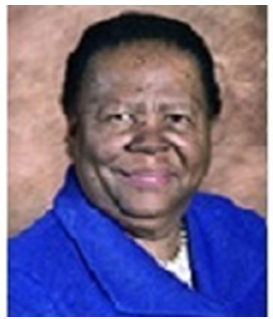
Figure 4: Minister Naledi Pandor during the meeting of UN Security Council, October 2019.
The concern of the increasing conflicts in many parts of the world was raised during the XV Summit held in Sandton, Johannesburg on 23 August 2023 where they agreed to recognise the importance of women participation in peace process, in conflict prevention and resolution, peacekeeping, peace building, post-conflict reconstruction and development and sustainable peace [1]. The significance of women empowerment was expressed by Minister in the Department of International Relation and Cooperation (DIRCO) Dr Naledi Pandor during the opening debate of United Nations Security Council on Peace and Security on 25 October 2023. She highlighted progress already made by South Africa in conflict zones as mediators, and that training of women should be expanded to support other women at local and international levels [7].
BRICS Health and Welfare Development
Poverty and disease burden caused by deteriorating socio-economic conditions throughout the world remained a concern by BRICS members. Diseases such as tuberculosis, malaria and HIVAIDS continued to cause high mortality. Efforts have already been taken by the World Health Organisation (WHO) of the UN, with the involvement of various interested groups of governmental and non-governmental organisations. The WHO,s health activities which included research projects, awareness campaigns, and other related efforts were to great extent aimed at the prevention and cure of diseases. The UN Women’s role was also evident when they were able to effectively respond to both during and post-covid pandemic and other associated crisis that stood on the path of envisaged lasting peace, justice, equality and inclusion for all [6].
In South Africa women such as Dr Manto Tshabalala-Msimang who became a National Minister of Health in 1999 in the wake of the inception of BRICS, was actively involved in many HIV-AIDS awareness campaigns through research projects. Her position as a Minister of Health acted as an inspiration to other women in the country to feature in the leadership positions previously dominated by men.
Since 2018 BRICS Summit, member states also saw the need to establish research centres aimed at developing and disseminating vaccines as a preventative measure. The block’s intention was to see to it that the concept ‘health for all by the year 2000’ which was popularised by the WHO was to be fully realised. Women across the world were encouraged to participate in the health development of their children by serving in various institutions of government as well at community levels as caregivers, medical doctors, traditional healers and other related services in the health fraternity. For example, Chinese women are participating in security and peace-keeping operation mission in Africa as it happened in South Sudan and in Libya where Chinese Medical Detachment was involved in the prevention and treatment of malaria [5]. Emphasis was based on the wider development of economic and welfare of the women that will see them playing a vital role in the success of vaccination campaigns that will benefit developing regions including Africa [5].
When Covid-19 broke out in China towards in the end of 2019, BRICS countries shared the economic crisis associated with it. While this pandemic started in China, its spread was feld throughout the word, and Africa became easily vulnerable due to its ill-developed economy. BRICS communities were challenged to develop policy approaches aiming at the prevention of the pandemic. Since the pandemic caused high mortality rate and unemployment, with acute population decline, member countries saw the need to ensure women empowerment. For instance, South Africa experienced the highest unemployment rate than other BRICS counterparts [2]. Collective efforts were considered in the prevention of the pandemic through research and development of vaccines and encourage people to comply. BRICS countries like China and Russia, together with other developed countries like United Kingdom, USA and Germany offered their assistance in the provision of vaccines and other related protective equipment of which Africa and South Africa became the main recipients. In Limpopo Province, South Africa, Dr Phophi Ramathuba, a woman, in her capacity as a Member of the Executive Council (MEC) of Health together with other men and women in the health fraternity were instrumental in the provision of Personal Protective Equipment (PPEs) like masks, sanitizers and vaccines. Women like nurses, health workers and doctors played a crucial role in the provision of health services in other provinces of South Africa.
Ojo, et al., argued that although BRICS played a meaningful role on women empowerment, it still lacks strategic policy implementation that would integrates women into its economy and political space dominated by men, there was still a massive gap in women economic representation. Ojo emphasized the need to promote access, and affordable policies and education-related initiatives to enhance gender inclusion’’ [4]. The member states had to ensure that all stakeholders and other interested organisations including governmental, non-governmental and multinational, cooperate to address the gender equality [4].
BRICS and Challenges
From the start, BRICS was created out of the internal ideological interests of some members of the G20 countries. While Russia and China had their own personal vendetta against the West, South Africa, Brazil and India found themselves at crossroad by remaining loyal to the two superpowers and at the same time not prepared to tarnish their relationship with the West, most particularly USA. The different personal ambitions of the member states are likely to impact negatively on the intended objectives of the block. One would imagine as to whether indeed other member states, most particularly Russia and China as superpowers and authoritarian states would fully accept some of the block’s objective like speeding up the process of gender equity in all spheres of leadership. It will be interesting to see as to whether Russia and China, would sacrifice their authoritarian traits in favour of human rights, and seriously implement and develop gender equality as gender discrimination in these countries is official. While member states vowed to support the idea of women empowerment, the pace to full implementation will vary from one member state to another (Figure 5).

Figure 5: Indian rise at world stage during the G20 meeting in 2022.
Since peace-keeping and conflict resolution is generally risky for women as they usually fall victims of violence, murders, kidnaping and rapes, many women showed little or no interest to the career. In South Africa for example, efforts have been taken to involve women to form community-based organisations under rural and township women leadership, with the support of provincial and local governments to end violence against women and children. It is despite marginalisation of rural women that campaigns and media projects are encouraged on yearly basis to see to it that peace prevails among the communities. Other barriers include general lack of women interest, lack of potential role models within the communities, anxiety and cultural bias. Although the issue of human rights as well as gender equality have long been emphasised by the UN and recently BRICS countries, violation is still continuing worldwide. Escalating reports revealed the displacement of women and children through forced abduction as it happened in eastern and northeastern Nigeria, Syria, Sudan, Ethiopia, and recent Russian-Ukraine, Israel Palestinian conflicts and coups in West Africa. The recent growing spirit of military takeover across Africa, as it happened in Gabon, Niger and signs of spreading to other areas [9] is also likely to threaten BRICS attempt to expand projects of women’s involvement in the maintenance of peace and security. The deep-rooted tradition of patriarchy existing in most of African countries is also an added challenge.
Meanwhile BRICS continues to emphasise the significance of compliance by member states, different personal ambitions of the leaders seem to be a stumbling block for the block to execute its duties smoothly as it is happening with Russian, Chinese, and North Korean women who are still not enjoying freedom of speech and other gender equalities. The recent Israel- Palestinian hostilities and the indiscriminate bombing of Ukraine cities and infrastructures by Russia as a BRICS member and a superpower bear this testimony. It was despite the action of African leaders to humbly persuade Putin to consider settling the dispute peacefully that Russia intensified attacks. One can argue that Russia under Putin regarded African leaders as its juniors as most of them received military assistance during their wars of liberation and recently. It became evident that the issue of gender equity through women empowerment is in jeopardy as many women became victims of the war as soft targets of rape, abuse, kidnapping and displacement. One can therefore corroborate with Kesten Glomegah’s analysis of Russia- Ukraine crisis in which he referred to the argument of Putin’s foreign Minister Sergey Lavrov and Kremlin’s spokesman Dmitry Peskov who supported the so-called ‘special military operation’ as undermined China and African delegation effort for peace initiatives between Russia and Ukraine in 2023 [5]. Like Organisation of African Unity, South African Development Community and African Union, BRICS is also likely to face a multiple of uphill challenges that will ultimately impact on the implementation of its gender policies.
Conclusion
The BRICS idea of increasing women empowerment as leaders, including maintenance of peace and security remains one of the significant objectives of the block. The escalating socio-economic and political challenges facing the world as a whole is forcing the BRICS leadership to consider seriously the speedy implementation of gender equity in partnering with men for collective involvement. The fighting over economic resources and power in Africa, Middle East and Russian-Ukraine conflict continues to uproot many people with women and children being exposed to abuses and marginalisation. This scenario created severe state of poverty and diseases, with acute diminishing healthcare services. The struggle for world political and economic superiority remain a contested terrain between the West and East, with Russia and China as driving forces behind the creation of BRICS currency to achieve their intention of working to collapse domination of American dollar in the world market. In South Africa, the marginalisation or exclusion of rural women remains a worrying factor despite the praise of meaningful progress. Although Russia and China support the agenda, one may doubt as to whether they will be fully prepared to ignore their common authoritarian character and perverse gender inequality. It is clear from this study that the idea of gender equity, women leadership, peace and security women is likely to be undermined or violated by some of the powerful BRICS members like Russia and China as it is happening with the persisting Russian aggressive invasion of Ukraine and supporting Iran and other proxy militia organisations in the Middle-East against Israel, and brewing tensions in the Far- East [14]. With the growing application for membership by other countries, which included the Islamic countries known of being against gender equity, it is clear that conflict of interests is likely to weaken BRICS’s endeavour to achieve full embracement of women as leaders in all spheres of life.
References
- Amutabi MN, Henry LH (2022) Coping with Covid-19 Pandemic in Africa and Beyond. CEDRED, Nairobi, Kenya.
- BRICS Policy Centre (2024) Roundtable of the Mediation Unit (GSUM) discussed the Agenda of women, peace and security in Brazil.
- BRICS Women’s Business Alliance (2023) First International Women's Congress of the Shanghai Cooperation Organization (SCO) and the BRICS member states on 04 July 2017.
- IV Summit Bricks Women Leadership Forum: Unlocking Women Potential could be key to global development 18 June 2022.
- Klomegah KK (2023) Russia underestimates China and South Africa’s (BRICS) Peace Initiatives.
- Mensah K (2023) Africa’s coup epidemic: has democracy failed the continent.
- Ojo TA (2023) Women Economic Empowerment during Covid-19 Crisis and Transition in BRICS Countries, Journal of BRICS studies1(2): 2022.
- Pandor N (2023) Women as leaders in Peacekeeping. South African High Commission. 02 November 2019.
- Pandor N (2021) BRICS Approach to the Post Covid-19 Recovery, in Post Covid-19 Recovery: BRICS Academic Review. National Institute for the Humanities and Social Sciences (NIHSS) 2021.
- Pandor N (2023) Women Peace and Security Open Debate at UNSC.
- Roshanvskaya N, Pardin V (2023) The Status of Women in Russian Society. Conference Report.
- South African Institute of International Affairs. (2023) BRICS Gender Forum: Putting women at the centre of development 26 July 2018.
- UN Women Annual Report 2024. (2024) Presentation to informal session of the UN Women Executive Board.
- UN Women. (2024) Announcement International Women’s Day 2024: Invest in women: Accelerate progress’ 14 -12-2023.
- UN Women-Headquarters. (2020) Women, Peace and Security. Annual Report, 2019-2020.
- UN Women. (2024) Statement to the UN Secretary Council Open Debate on Women, 2010.
- XV BRICS Summit Johannesburg 11 Declaration. (2023) Brics and Africa: Partnership for Mutually Accelerated Growth, Sustainable Development AND Inclusive Multilateralism. Sandton, Gauteng, South Africa.




 We use cookies to ensure you get the best experience on our website.